


Can Yellow Teeth Become White Again? Your Complete Guide
Can Yellow Teeth Become White Again? Your Complete Guide

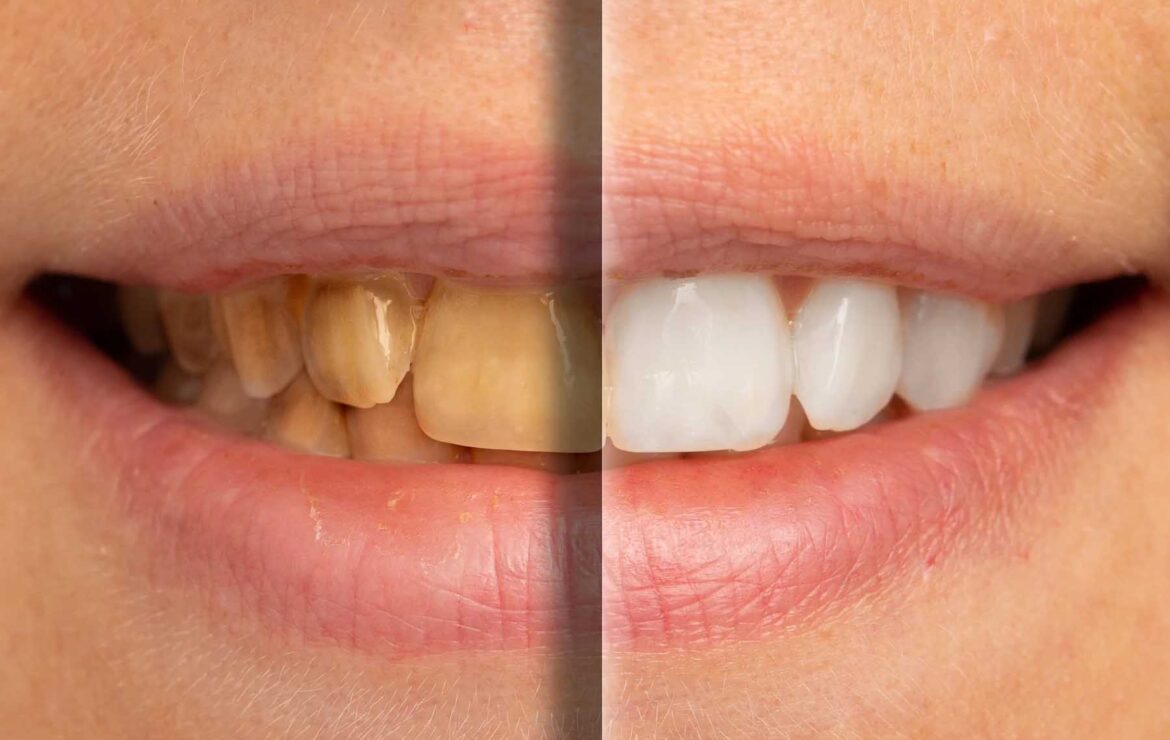
Yellow teeth can significantly impact your confidence, making you hesitant to smile freely in photographs, social situations, or professional settings. If you’ve been struggling with tooth discoloration and wondering whether yellow teeth can truly become white again, you’re not alone. This is one of the most common cosmetic dental concerns patients bring to Nova Dental Hospital in Gandhinagar. The encouraging news is that yes, yellow teeth can become white again through various effective treatments, though the approach and results depend on understanding what caused the discoloration in the first place.
At our dental clinic in Gandhinagar, serving patients near PDPU and Gift City, we help people achieve brighter, whiter smiles through professional teeth whitening and comprehensive discolored teeth treatment options. Understanding the causes of tooth yellowing, available yellow teeth remedies, and realistic expectations for results empowers you to make informed decisions about restoring your smile’s natural brightness.
Understanding Why Teeth Turn Yellow: Common Stained Teeth Causes
Before exploring yellow teeth whitening Gandhinagar options, understanding why teeth lose their whiteness helps you prevent future discoloration and choose the most effective treatment for your specific situation.
Extrinsic Staining: Surface Discoloration
Extrinsic stains affect only the outer layer of tooth enamel and represent the most common and treatable form of tooth discoloration. These stains develop when colored compounds from foods, beverages, and other sources accumulate on tooth surfaces over time.
Coffee and tea are among the most notorious culprits for yellowing teeth. The dark pigments in these beverages, particularly tannins, readily adhere to tooth enamel. If you drink multiple cups of coffee or tea daily without promptly rinsing your mouth, these stains accumulate gradually, creating noticeable yellowing. Red wine contains similar staining compounds, and its acidity also slightly softens enamel, making it more susceptible to absorbing pigments.
Dark-colored sodas and sports drinks cause staining through both their color and high acidity. The acid erodes enamel while the artificial colors penetrate the slightly softened surface. Even light-colored sodas damage teeth through acid erosion, making enamel more porous and vulnerable to stains from other sources.
Tobacco use, whether smoking or chewing, causes particularly stubborn yellow and brown stains. Tar and nicotine create persistent discoloration that penetrates deeper into enamel than food and beverage stains. Smokers often find that yellow teeth remedies work less effectively and results fade faster unless they quit tobacco.
Certain foods including berries, tomato-based sauces, curry, soy sauce, and balsamic vinegar contain intense pigments that gradually stain teeth with regular consumption. While these foods offer nutritional benefits, awareness of their staining potential helps you take preventive measures like rinsing with water after eating them.
Poor oral hygiene allows plaque and tartar buildup that gives teeth a yellow appearance. Plaque is a sticky film of bacteria that forms constantly on teeth. If not removed through regular brushing and flossing, it hardens into tartar (also called calculus)—a yellow or brown deposit that cannot be removed by brushing alone and requires professional cleaning at a dental clinic in Gandhinagar.
Intrinsic Discoloration: Internal Tooth Yellowing
Intrinsic stains originate from within the tooth structure itself, making them more challenging but still treatable through professional teeth whitening or other interventions. Understanding these deeper causes helps set realistic expectations for discolored teeth treatment.
Natural aging causes teeth to yellow as the outer enamel layer gradually wears thinner through decades of use, revealing more of the naturally yellowish dentin layer beneath. Additionally, the dentin itself darkens with age as the tooth pulp creates more dentin over time. This age-related yellowing is completely normal, though many people choose cosmetic dentistry Gandhinagar treatments to restore a more youthful appearance.
Certain medications cause tooth discoloration, particularly when taken during childhood tooth development. Tetracycline and doxycycline antibiotics are notorious for causing gray or brown bands on teeth when given to children under age eight or to pregnant women. Antihistamines, antipsychotics, and blood pressure medications can also affect tooth color. Some chemotherapy medications and radiation to the head and neck cause darkening of teeth.
Excessive fluoride exposure during childhood, called fluorosis, creates white spots, streaks, or overall mottling and yellowing of tooth enamel. While fluoride strengthens teeth and prevents cavities, too much during enamel formation causes cosmetic changes. This typically occurs from swallowing large amounts of fluoride toothpaste during childhood or living in areas with very high natural fluoride in water.
Dental trauma from injuries can damage the tooth’s internal blood supply and nerve, causing the tooth to darken over time. Root canal-treated teeth often gradually turn gray or yellow because the tissue inside the tooth has died. These intrinsically discolored teeth may require special internal bleaching procedures or cosmetic coverings like veneers rather than standard whitening.
Genetic factors influence natural tooth color. Some people naturally have thicker, whiter enamel while others have thinner enamel that allows more yellow dentin to show through. If your teeth have always been slightly more yellow than you’d like despite good oral hygiene, genetics might be responsible. Fortunately, yellow teeth whitening Gandhinagar treatments can significantly brighten even naturally darker teeth.
Can All Yellow Teeth Become White Again? Setting Realistic Expectations
The answer to whether your yellow teeth can become white again depends on the type and severity of discoloration you’re experiencing. Understanding these distinctions helps you approach discolored teeth treatment with appropriate expectations.
Highly Treatable Yellow Teeth
Extrinsic stains from foods, beverages, tobacco, and surface accumulation respond excellently to professional teeth whitening. These stains can typically be lightened several shades, often dramatically improving appearance. If your yellowing developed gradually from coffee, tea, wine, or tobacco and your teeth were once whiter, professional whitening will likely produce excellent results.
Age-related yellowing also responds well to professional bleaching, though you might not achieve the brilliant white of childhood teeth. Most patients see significant improvement that creates a noticeably more youthful, attractive appearance. Combining professional teeth whitening with good oral hygiene and preventive measures maintains results long-term.
Mild fluorosis and some medication-related staining can improve with aggressive professional whitening, though results vary. Multiple whitening sessions might be necessary, and some staining may prove resistant to bleaching alone. In these cases, cosmetic dentistry Gandhinagar options like veneers provide alternative solutions for achieving the white smile you desire.
More Challenging Discoloration
Severe tetracycline staining often resists traditional whitening treatments. While some improvement may occur with intensive professional bleaching systems, these deep gray or brown bands typically require porcelain veneers or crowns to completely mask the discoloration. Modern cosmetic dentistry offers excellent solutions for these challenging cases.
Teeth darkened by trauma or root canal treatment usually don’t respond to external whitening since the discoloration originates from inside the tooth. These teeth may benefit from internal bleaching procedures where whitening gel is placed inside the tooth, or they can be covered with crowns or veneers for aesthetic improvement.
Severe erosion exposing significant amounts of dentin might limit whitening effectiveness since you’re seeing the naturally yellow inner tooth layer rather than stained enamel. Addressing the cause of erosion and potentially rebuilding lost enamel with dental bonding or veneers may be necessary for optimal aesthetic results.
At Nova Dental Hospital, Dr. Happy Patel and our cosmetic dentistry team evaluate your specific situation, explain what results you can realistically expect from different yellow teeth remedies, and recommend the most effective approach for your individual discoloration pattern.
Professional Teeth Whitening: The Most Effective Solution
When asking “can yellow teeth become white again,” professional teeth whitening at a dental clinic in Gandhinagar provides the most dramatic, reliable, and safe results for most types of tooth discoloration.
In-Office Professional Whitening Systems
Professional in-office whitening delivers the fastest, most impressive results through high-concentration bleaching gels applied under carefully controlled conditions. During a single appointment lasting 60 to 90 minutes, teeth can be lightened by several shades—sometimes transforming visibly yellow teeth to bright white.
The procedure begins with protecting your gums, lips, and soft tissues with barriers and protective coatings. A high-concentration whitening gel, typically containing 25-40% hydrogen peroxide or carbamide peroxide, is carefully applied to tooth surfaces. Special lights or lasers may be used to activate the gel, though modern formulations work effectively without activation. The gel remains on teeth for specified intervals, often in multiple 15-20 minute applications, allowing the bleaching agents to penetrate enamel and break down stain molecules.
Throughout treatment, our team monitors your comfort and checks progress. Most patients experience little to no sensitivity during the procedure, though some feel temporary zingers—brief sharp sensations that quickly pass. The results are immediately visible, with the full effect becoming apparent over the following days as teeth continue lightening slightly and any temporary dehydration resolves.
In-office yellow teeth whitening Gandhinagar treatments offer multiple advantages including dramatic results in a single visit, professional supervision ensuring safety and optimal outcomes, minimal sensitivity with proper technique and desensitizing treatments, and immediate gratification seeing a noticeably whiter smile the same day.
Professional Take-Home Whitening Kits
Take-home whitening systems prescribed by your dentist offer a more gradual approach with excellent results. These kits include custom-fitted trays made from impressions of your teeth and professional-grade whitening gel stronger than over-the-counter products but milder than in-office concentrations.
You wear the custom trays filled with gel for specified periods—typically 30 minutes to several hours daily, or overnight, depending on the gel concentration. Treatment usually continues for one to three weeks until desired brightness is achieved. Custom trays ensure even gel distribution and proper contact with all tooth surfaces while preventing gel from irritating gums.
Take-home systems provide convenience of whitening on your schedule at home, lower cost compared to in-office treatments while still being professionally supervised, gradual whitening that some patients find more natural-looking, and the ability to perform periodic touch-ups using remaining gel and your custom trays.
Combining in-office and take-home approaches—starting with professional whitening for dramatic initial results, then maintaining with take-home treatments—provides optimal long-term outcomes for yellow teeth whitening Gandhinagar patients.
How Professional Whitening Works
Understanding the science behind professional teeth whitening helps appreciate why it’s so effective for discolored teeth treatment. Whitening gels contain peroxide compounds—either hydrogen peroxide or carbamide peroxide that breaks down into hydrogen peroxide. When applied to teeth, these peroxides penetrate the porous enamel structure and reach the dentin layer beneath.
The peroxide molecules break down into water and oxygen. The oxygen molecules interact with discolored molecules in your teeth, breaking the chemical bonds that hold stain compounds together. This process, called oxidation, breaks large stain molecules into smaller, colorless molecules that no longer appear yellow. The stains don’t physically leave your teeth—they’re chemically transformed into non-colored compounds.
This process works effectively on extrinsic stains sitting on enamel surfaces and intrinsic stains embedded in tooth structure. The professional-strength concentrations used in dental clinics penetrate deeply enough to address even stubborn discoloration that over-the-counter products can’t reach.
At-Home Yellow Teeth Remedies: What Works and What Doesn’t
Many patients wonder about at-home yellow teeth remedies before investing in professional treatment. Understanding which home methods offer legitimate benefits and which are ineffective or potentially harmful helps you make informed choices.
Effective Home Maintenance Strategies
While not as powerful as professional teeth whitening, certain home practices help maintain whiteness and prevent further yellowing. Whitening toothpastes containing mild abrasives and chemical agents remove surface stains effectively. While they don’t change your teeth’s intrinsic color like bleaching does, they polish away new stains before they set. Use whitening toothpaste once or twice weekly rather than daily to avoid enamel wear from abrasives.
Over-the-counter whitening strips provide modest whitening for mild yellowing. These thin, flexible strips coated with peroxide gel adhere to teeth for 30 minutes daily over several weeks. While less effective than professional treatments due to lower peroxide concentrations and lack of custom fit, they offer noticeable improvement for mild staining at lower cost. Choose products with American Dental Association (ADA) approval seals for safety and effectiveness.
Consistent excellent oral hygiene prevents stain accumulation and tartar buildup that contributes to yellowing. Brush at least twice daily for two minutes using proper technique, floss daily to remove plaque between teeth, rinse with water after consuming staining foods and beverages, and schedule professional cleanings every six months at a dental clinic in Gandhinagar to remove tartar and surface stains.
Dietary modifications reduce new stain formation. Using straws for coffee, tea, and dark beverages minimizes contact with front teeth. Drinking water after consuming staining substances rinses away residue before it adheres to enamel. Crunchy vegetables like apples and carrots provide mild natural scrubbing action while stimulating saliva production that helps clean teeth.
Ineffective or Potentially Harmful Home Remedies
Despite internet claims, many popular DIY yellow teeth remedies are ineffective or actually damage teeth. Baking soda, while mildly abrasive and capable of removing some surface stains, won’t change intrinsic tooth color and can wear down enamel with excessive use. While not dangerous in moderation, it’s not the miracle solution often portrayed.
Activated charcoal has become trendy for teeth whitening, but research doesn’t support its effectiveness. The abrasive black powder may remove some surface stains through physical scrubbing, but it also abrads enamel and can cause gum irritation. No evidence demonstrates it penetrates enamel to whiten teeth internally like proper bleaching agents do.
Acidic substances like lemon juice, apple cider vinegar, or strawberries are sometimes promoted for whitening but actually damage teeth. The acid erodes enamel, initially making teeth appear whiter as the outer stained layer dissolves. However, this damages protective enamel and eventually leads to more yellowing as dentin becomes more visible. Never use acidic home remedies for whitening.
Hydrogen peroxide from the drugstore in concentrations sold for wound care is too weak for effective whitening when used safely. Using it in dangerous concentrations or for extended periods risks chemical burns to gums and throat tissue. Professional whitening systems use peroxide in specifically formulated gels designed for dental use—not products intended for other purposes.
Professional Cleaning: The Foundation of Yellow Teeth Whitening Gandhinagar
Before any whitening treatment, professional dental cleaning removes accumulated tartar and surface stains, creating the optimal foundation for successful discolored teeth treatment.
Scaling and Polishing for Immediate Improvement
Professional cleaning at our dental clinic in Gandhinagar involves scaling to remove hardened tartar deposits from tooth surfaces and below the gumline, and polishing to buff away surface stains and smooth enamel. This process often produces noticeable improvement in tooth color, particularly if yellowing was primarily due to tartar buildup and surface staining.
Scaling uses ultrasonic instruments that vibrate at high frequency to break up tartar, and hand instruments to carefully remove remaining deposits. This thorough cleaning eliminates the yellow or brown tartar that accumulates despite regular brushing, immediately brightening your smile. Polishing with a mildly abrasive paste removes residual stains and plaque, leaving teeth smooth and naturally brighter.
Many patients are surprised by how much whiter their teeth appear after professional cleaning alone, before any bleaching treatment. For some with primarily extrinsic staining, regular cleanings combined with good home care and preventive measures may be sufficient to maintain satisfactory whiteness without additional whitening treatments.
Deep Cleaning for Gum Health and Aesthetics
If gum disease has caused gum recession or allowed tartar to accumulate deep below the gumline, deep cleaning (scaling and root planing) becomes necessary. This more intensive procedure cleans root surfaces beneath gums, removes bacteria and calculus from periodontal pockets, and smooths root surfaces to help gums reattach to teeth.
Healthy gums frame teeth attractively and contribute to overall smile aesthetics. Treating gum disease through deep cleaning improves both oral health and appearance, creating the optimal environment for successful yellow teeth whitening Gandhinagar treatments.
Preventing Yellow Teeth: Maintaining Your White Smile
Once you’ve achieved whiter teeth through professional treatment, maintaining results requires ongoing attention to factors that cause yellowing.
Daily Habits Protecting Tooth Whiteness
Excellent oral hygiene forms the foundation of maintaining white teeth. Brush thoroughly twice daily using proper technique and fluoride toothpaste, floss daily to remove plaque between teeth where yellowing often starts, use whitening toothpaste once or twice weekly to remove emerging surface stains, and rinse with water after consuming staining foods or beverages to wash away residue before it adheres.
Dietary awareness helps minimize new staining. Limit consumption of highly staining beverages like coffee, tea, red wine, and dark sodas. When you do consume them, use straws to minimize tooth contact and rinse with water immediately afterward. Choose lighter-colored beverages when possible—white wine instead of red, green or white tea instead of black, light-colored foods instead of intensely pigmented options.
Tobacco cessation is crucial for maintaining white teeth. Smoking and chewing tobacco cause some of the most stubborn, fastest-accumulating stains. If you use tobacco and want white teeth, quitting is essential. Your dentist can provide resources and support for smoking cessation.
Professional Maintenance and Touch-Ups
Regular dental checkups and cleanings every six months remove accumulating tartar and surface stains before they become established. Professional cleanings maintain the results of your yellow teeth whitening Gandhinagar treatment and catch any emerging problems early.
Periodic whitening touch-ups refresh your smile’s brightness. Depending on your habits and how quickly stains accumulate, you might need touch-up treatments every few months to a year. If you have custom trays from previous treatment, purchasing additional whitening gel for occasional home touch-ups is convenient and economical. Some patients schedule annual in-office whitening sessions to maintain optimal brightness.
At Nova Dental Hospital, we develop personalized maintenance plans based on your lifestyle, habits, and how quickly your teeth tend to restain, ensuring you maintain the beautiful white smile you’ve achieved.
Special Considerations for Cosmetic Dentistry Gandhinagar Patients
Certain situations require additional considerations when planning discolored teeth treatment.
Dental Restorations and Whitening
Dental restorations including crowns, veneers, bridges, and tooth-colored fillings don’t respond to whitening treatments. These materials are color-stable and won’t lighten with bleaching. If you have visible restorations and plan to whiten your teeth, they’ll need to be replaced after whitening to match your new, lighter tooth shade.
Ideally, complete any desired teeth whitening before having visible restorations placed. This allows your dentist to match the restoration color to your newly whitened teeth, ensuring uniform appearance. If you already have restorations and want to whiten, discuss replacement timing and costs with your cosmetic dentistry Gandhinagar team.
Severe Discoloration Requiring Alternative Approaches
For teeth too discolored to achieve satisfactory results with whitening alone, cosmetic dentistry offers alternative solutions. Porcelain veneers—thin shells bonded to front tooth surfaces—can completely mask even severe discoloration while simultaneously correcting shape, size, and alignment issues. Veneers provide dramatic smile transformations for patients whose yellowing doesn’t respond adequately to whitening.
Dental bonding uses tooth-colored composite resin to cover discolored areas, repair chips, and improve appearance. While not as durable or stain-resistant as veneers, bonding offers a more affordable option for camouflaging localized discoloration.
Full-mouth rehabilitation combining multiple treatments addresses extensive discoloration throughout your smile. This comprehensive approach might include whitening for some teeth, veneers for others, and crowns for teeth needing both aesthetic and functional restoration.
Our cosmetic dentistry team evaluates your complete situation and recommends the combination of treatments best suited to your goals, budget, and oral health needs.
Conclusion: Yes, Yellow Teeth Can Become White Again
If you’ve been wondering whether your yellow teeth can become white again, the answer is encouraging: yes, effective treatments exist for virtually every type of tooth discoloration. The specific approach that works best for you depends on the cause and severity of yellowing, but options ranging from professional cleaning and bleaching to comprehensive cosmetic dentistry can create the bright, confident smile you desire.
At Nova Dental Hospital in Gandhinagar, we specialize in yellow teeth whitening Gandhinagar treatments and comprehensive discolored teeth treatment serving patients near PDPU, Gift City, and throughout the region. Our experienced team evaluates your unique situation, explains realistic expectations for results, and recommends the most effective and appropriate treatments for your individual needs.
Don’t let yellow teeth hold you back from smiling confidently. Schedule your consultation today to discuss your options for professional teeth whitening, preventive care, and any additional cosmetic dentistry treatments that might enhance your results. Whether your yellowing results from years of coffee consumption, natural aging, medications, or other factors, we have solutions that can restore your smile’s brightness.
Transform your yellow teeth into the white, radiant smile you deserve through expert care at Gandhinagar’s trusted dental clinic. Your brighter, more confident smile awaits.
Frequently Asked Questions
How long does it take for yellow teeth to become white with professional treatment?
The timeline for yellow teeth whitening Gandhinagar treatments varies based on the method chosen and severity of discoloration. In-office professional whitening produces dramatic results in a single 60-90 minute appointment, with teeth becoming noticeably whiter immediately. The full effect becomes apparent over the following few days as teeth stabilize and any temporary dehydration resolves. Take-home professional whitening systems require one to three weeks of daily use, with gradual lightening becoming visible after several days of treatment. Most patients achieve their desired brightness within two weeks. For severely stained teeth requiring multiple sessions or combination treatments, the complete process might take four to eight weeks. Maintaining results requires ongoing preventive care and periodic touch-ups.
Is professional teeth whitening safe, and will it damage my enamel?
Professional teeth whitening performed at a reputable dental clinic in Gandhinagar is very safe when done correctly and doesn’t permanently damage tooth enamel. The peroxide gels used in whitening temporarily make enamel slightly more porous during treatment, but enamel remineralizes and returns to normal structure within days. Some patients experience temporary sensitivity during or immediately after whitening, but this resolves quickly and doesn’t indicate damage. The key to safe whitening is professional supervision—dentists assess whether your teeth and gums are healthy enough for treatment, use appropriate concentrations, protect soft tissues from contact with bleaching gel, and provide desensitizing treatments if needed. Over-whitening by using products too frequently can potentially cause problems, which is why following professional guidance is important.
Will teeth stain again after whitening, and how can I maintain white teeth?
Yes, teeth will gradually accumulate new stains after whitening, though the rate varies dramatically based on your habits and preventive care. Patients who continue consuming staining beverages like coffee, tea, and red wine daily or use tobacco will see results fade within months. Those who limit staining substances, maintain excellent oral hygiene, and follow preventive measures can maintain results for a year or longer. To extend your yellow teeth whitening results: use straws for staining beverages, rinse with water after consuming staining substances, brush twice daily and floss regularly, use whitening toothpaste once or twice weekly, schedule professional cleanings every six months, avoid tobacco completely, and perform periodic touch-up treatments every few months to a year. With good maintenance, you can keep your smile bright indefinitely.
Can I whiten my teeth at home without going to a dentist?
While over-the-counter whitening products can provide modest improvement for mild yellowing, they’re significantly less effective than professional teeth whitening for several reasons. Store-bought strips and gels contain much lower peroxide concentrations than professional treatments, limiting their ability to lighten severely yellow teeth. One-size-fits-all strips don’t fit properly, resulting in uneven whitening and gel waste. Without professional assessment, you might waste money on products that won’t work for your specific type of discoloration. Professional treatment offers stronger bleaching agents producing better results faster, custom trays ensuring even application, expert evaluation determining the best approach for your situation, and safe supervision preventing gum irritation and excessive sensitivity. For anything beyond very mild yellowing, professional discolored teeth treatment provides dramatically better results justifying the investment.
Why do some people’s teeth stay white while mine turn yellow despite good hygiene?
Individual variation in tooth color and staining susceptibility stems from multiple factors. Genetics influence natural tooth color—some people inherit thicker, whiter enamel while others have thinner enamel revealing more yellow dentin. Enamel porosity varies; more porous enamel absorbs stains more readily. Lifestyle differences matter tremendously—someone drinking multiple cups of coffee daily will experience more staining than someone who rarely consumes staining beverages, regardless of hygiene. Age plays a role as enamel naturally thins over time, revealing yellower dentin. Medications, fluoride exposure during childhood, and past dental work all affect tooth color. Even with excellent oral hygiene, these factors influence whether teeth stay naturally white or yellow. This explains why professional whitening treatments exist—they allow people with naturally darker teeth or accumulated staining to achieve the brightness they desire despite factors beyond their control.

Related posts
Write a Comment
Recent Posts


