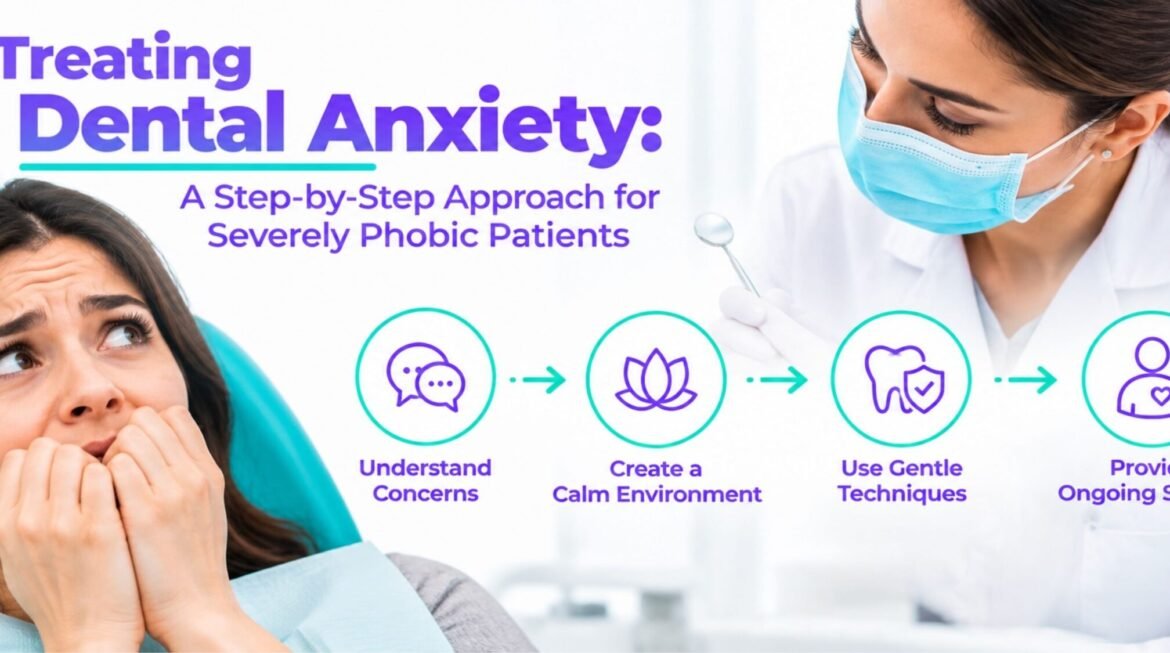
Treating Dental Anxiety: A Step-by-Step Approach for Severely Phobic Patients

Quick Answer Severe dental phobia is usually treated in stages, not in one appointment. A typical pathway: identify what triggers the fear, have a no-treatment first conversation with a dentist, agree a stop signal, climb a graded “fear ladder”, add psychological support such as cognitive behavioural therapy (CBT), and use sedation as a bridge when …
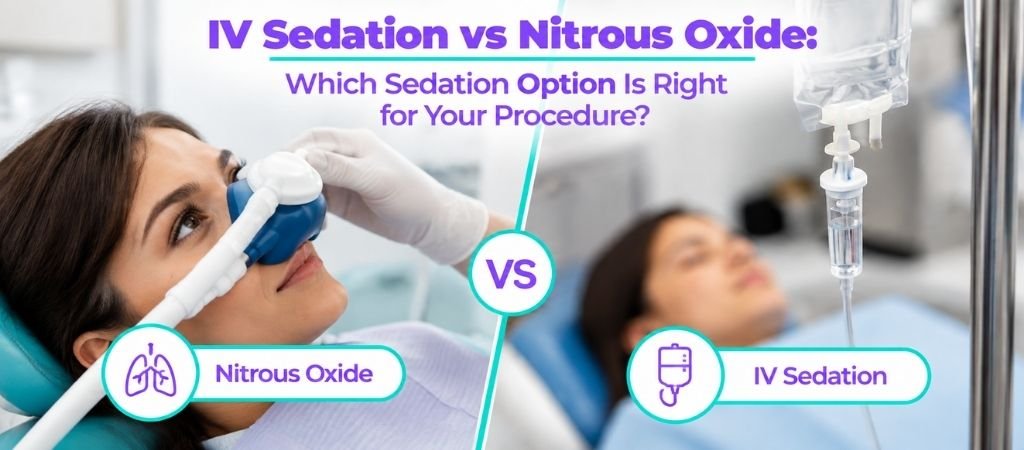
IV Sedation vs Nitrous Oxide: Which Sedation Option Is Right for Your Procedure?
Quick Answer Nitrous oxide (“laughing gas”) is a light, short-acting inhaled sedative: you stay awake, and it wears off within minutes. IV sedation gives medication through a vein for a deeper level of relaxation, often with little or no memory of treatment, but it needs more monitoring and a longer recovery. Nitrous oxide often suits …
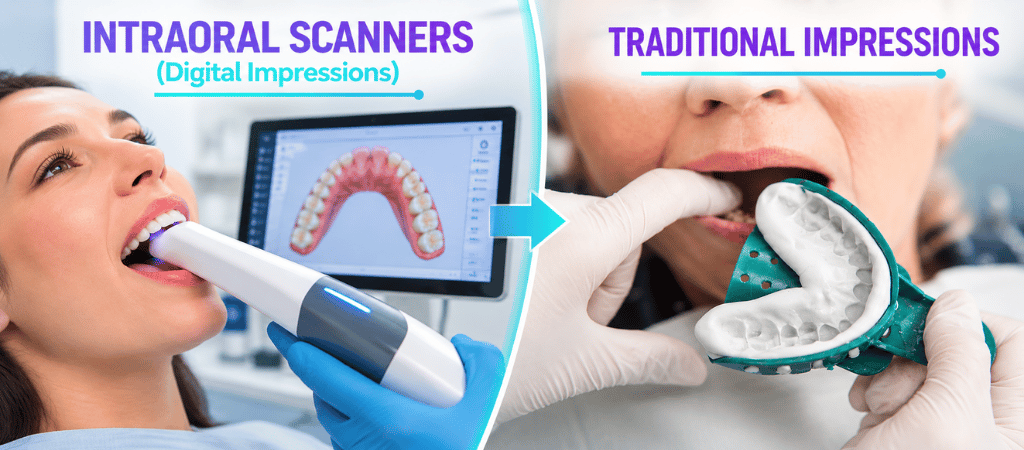
Intraoral Scanners vs Traditional Impressions: Why Digital Scanning Is More Comfortable
Quick Answer Most patients find intraoral scanning more comfortable than traditional tray-and-material impressions. Digital scanning replaces the bulky tray and thick impression paste with a small handheld wand that captures images of the teeth directly, without anything that needs to set inside the mouth. Research comparing the two methods consistently reports less gagging, less anxiety, …
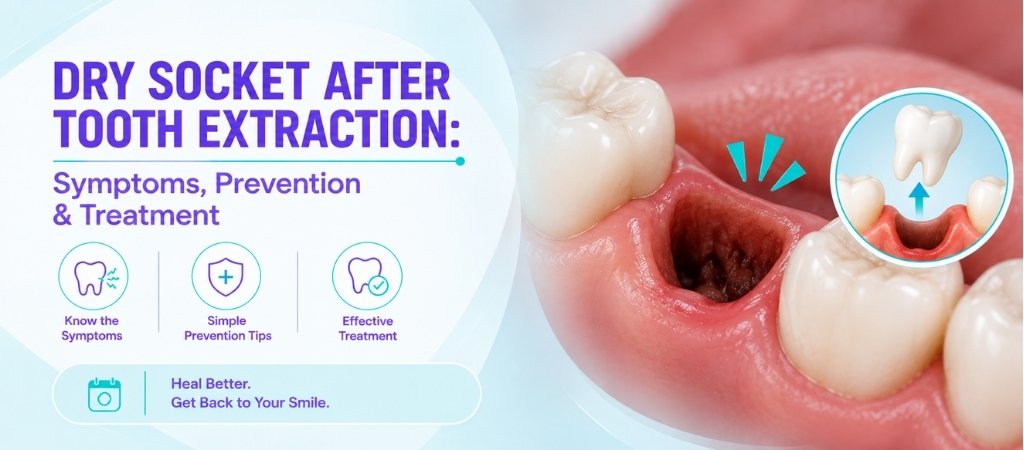
Dry Socket After Tooth Extraction: Symptoms, Prevention & Treatment
Quick Answer Dry socket (alveolar osteitis) happens when the blood clot protecting an extraction site is lost or never forms properly, leaving bone and nerve exposed. It causes throbbing pain that typically worsens rather than improves 2–3 days after extraction, along with bad breath and an unpleasant taste. It affects roughly 2–5% of extractions overall, …
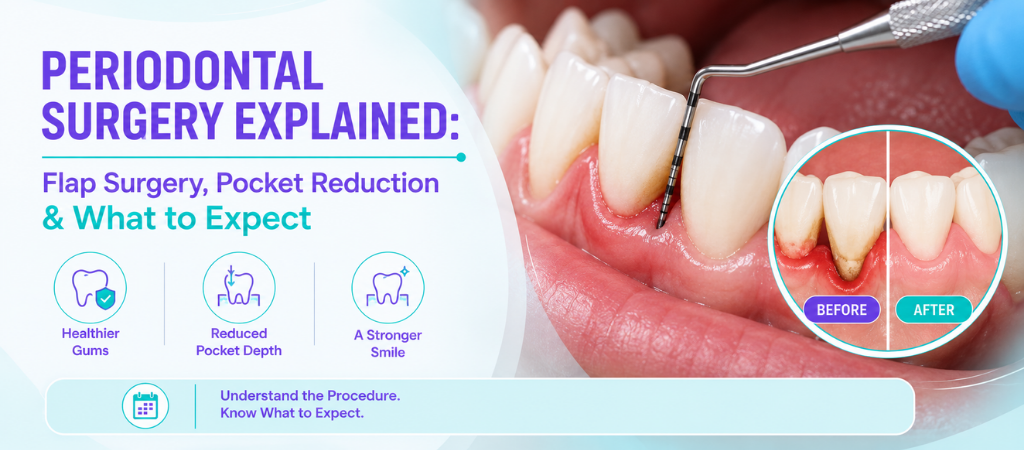
Periodontal Surgery Explained: Flap Surgery, Pocket Reduction & What to Expect
Quick Answer Periodontal surgery is a treatment for advanced gum disease (periodontitis) that non-surgical cleaning could not fully resolve. Flap surgery lifts the gum tissue to clean deep infection around the roots, while pocket reduction surgery reshapes bone and gum to make pockets shallower and easier to keep clean. Most patients heal within one to …
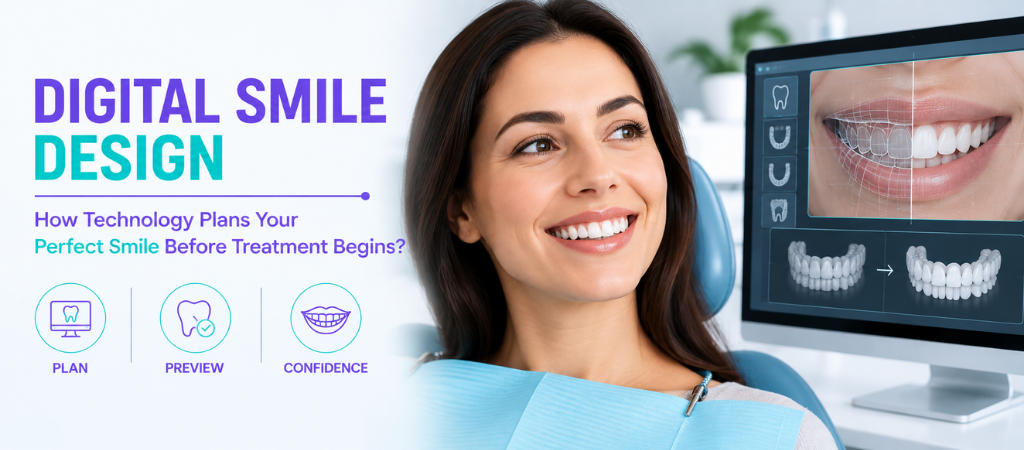
Digital Smile Design: How Technology Plans Your Perfect Smile Before Treatment Begins
Quick Answer Digital Smile Design (DSD) is a technology-driven planning process that lets dentists digitally preview, design, and adjust your new smile — using photos, videos, and 3D scans — before any drilling, veneer, or implant work begins. It helps patients see and approve their result in advance, reducing uncertainty and improving treatment accuracy. Quick …
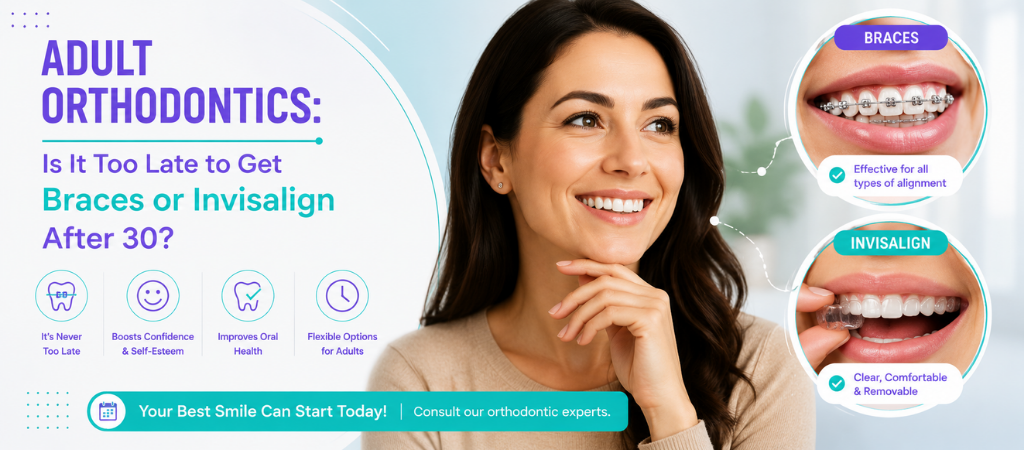
Adult Orthodontics: Is It Too Late to Get Braces or Invisalign After 30?
Quick Answer No — there is no upper age limit for orthodontic treatment. Teeth can move at any age because tooth movement depends on the periodontal ligament and bone remodelling process, which remains active throughout life. Adults over 30, 40, 50, and beyond routinely complete treatment with braces or Invisalign. The main difference for adults …
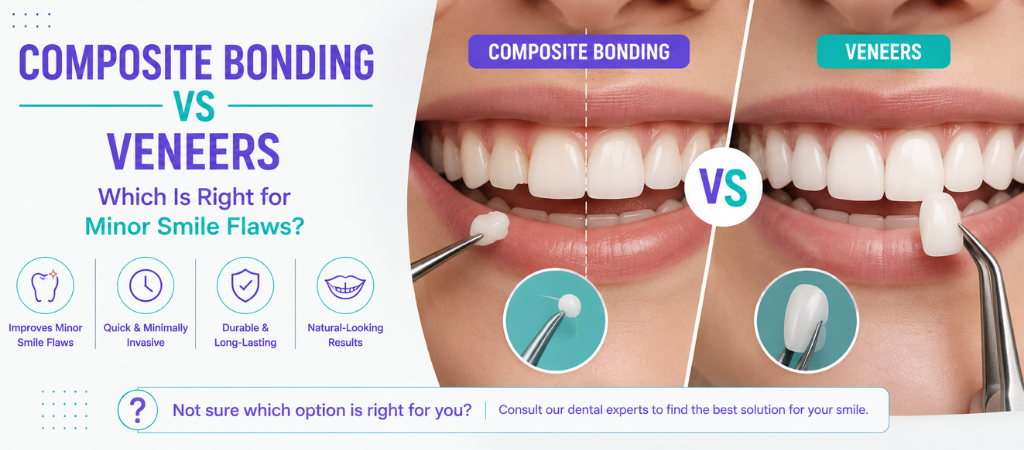
Composite Bonding vs Veneers: Which Is Right for Minor Smile Flaws?
Quick Answer For small chips, minor gaps, or slight discolouration, composite bonding is usually the faster, more affordable, and more conservative choice — it can often be completed in a single visit without removing enamel. Veneers suit more visible front teeth, multiple flaws, or patients who want a longer-lasting, stain-resistant result, but involve some enamel …
Recent Posts