


Do Seniors Need Different Dental Care? Common Oral Health Issues After 60
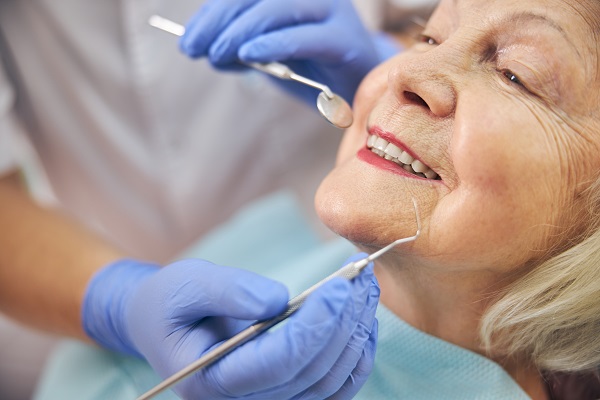
Do Seniors Need Different Dental Care? Common Oral Health Issues After 60

Meta Title: Do Seniors Need Different Dental Care? Common Issues After 60 | Dental Clinic Gandhinagar
Meta Description: Learn about senior dental care in Gandhinagar, common elderly oral health issues after 60, gum disease, dry mouth, dentures for elderly & geriatric dentistry at Nova Dental Hospital.
As we age, our bodies change in numerous ways, and our oral health is no exception. Many seniors and their families in Gandhinagar wonder whether dental care needs truly differ after age 60, or if the same routine that worked for decades continues to suffice. The reality is that aging brings specific oral health challenges requiring modified care approaches, increased vigilance, and sometimes specialized geriatric dentistry to maintain healthy teeth and gums through our later years.
Understanding these age-related changes helps seniors and their caregivers recognize problems early, adapt care routines appropriately, and seek professional help when needed. The good news is that with proper attention and modern dental care, there’s no reason people can’t maintain healthy, functional teeth throughout their entire lives. The old assumption that losing teeth is an inevitable part of aging no longer holds true—today’s seniors can keep their natural teeth with appropriate care.
This guide explores common elderly oral health issues that emerge or worsen after age 60, explains why these problems occur, and provides practical guidance for maintaining optimal oral health during the senior years. Whether you’re a senior managing your own dental care or a family member helping an elderly loved one, understanding these unique needs ensures the best possible outcomes for lifelong oral health.
How Aging Affects Oral Health
Several physiological changes that accompany aging directly impact oral health, creating challenges that younger adults typically don’t face. Recognizing these age-related changes helps explain why senior dental care Gandhinagar requires special attention and modified approaches.
Decreased saliva production, medically termed xerostomia or dry mouth, affects many seniors. Saliva plays crucial roles in oral health—it washes away food particles, neutralizes acids produced by bacteria, provides disease-fighting substances throughout the mouth, and aids in digestion. When saliva production decreases, all these protective functions diminish. Dry mouth isn’t a normal part of aging itself but results from medications many seniors take, medical treatments like radiation therapy, and certain health conditions including diabetes and autoimmune disorders. The prevalence of dry mouth increases with age simply because more seniors take multiple medications and experience health conditions affecting saliva production.
Gum tissue becomes thinner and more delicate with age, receding from tooth surfaces and exposing previously protected root areas. Unlike the crown portion of teeth covered by hard enamel, roots are covered only by softer cementum that’s more vulnerable to decay and sensitivity. This gum recession creates new vulnerable areas where cavities can develop and makes teeth more sensitive to temperature and touch.
Cumulative wear and tear on teeth over decades of use results in worn enamel, tiny cracks, and structural weaknesses that make teeth more susceptible to fractures and decay. Years of chewing, grinding, and exposure to acidic foods and beverages gradually wear down protective enamel layers.
Bone density changes associated with aging can affect the jawbone that supports teeth. Conditions like osteoporosis that weaken bones throughout the body also affect jaw bone, potentially compromising the foundation that holds teeth in place. Weakened jaw bone increases risk for tooth loss and can complicate dental procedures including implant placement.
Reduced manual dexterity from conditions like arthritis makes thorough brushing and flossing more difficult for many seniors. What once was an easy daily routine becomes challenging when hands don’t work as well, leading to inadequate plaque removal even when motivation remains high.
Cognitive changes including memory issues and dementia can cause seniors to forget oral hygiene routines or lose the ability to perform them properly. Even mild cognitive decline can disrupt established self-care habits that maintained oral health for decades.
Immune system changes with aging mean the body fights infections less effectively. Oral infections including gum disease can progress more rapidly in seniors, and healing after dental procedures may take longer than in younger patients.
Understanding these underlying age-related changes helps seniors and caregivers recognize that increased oral health problems after 60 often reflect these physiological shifts rather than personal failures in dental care. Appropriate adjustments to care routines and professional dental supervision can effectively address most of these challenges.
Common Dental Problems in Seniors
Several specific dental conditions occur more frequently or with greater severity in the elderly population. Recognizing these common problems helps seniors identify issues early when they’re most treatable.
Gum disease seniors experience often progresses to advanced stages called periodontitis. While gingivitis (early gum disease with gum inflammation and bleeding) can occur at any age, the cumulative effects of decades of bacterial exposure, combined with age-related immune changes and often inadequate oral hygiene due to physical limitations, mean many seniors have significant gum disease. Advanced periodontitis destroys the bone and soft tissue supporting teeth, eventually causing tooth looseness and loss. Gum disease also creates general health risks—research links severe gum disease to increased risk of heart disease, stroke, diabetes complications, and respiratory infections.
Root cavities develop more commonly in seniors than younger adults due to gum recession exposing tooth roots. These cavities form on root surfaces rather than the chewing surfaces or sides of tooth crowns where cavities typically occur in younger people. Root decay progresses rapidly because cementum covering roots is softer than enamel, and it often goes unnoticed initially because it develops below the gum line or in difficult-to-see areas.
Dry mouth elderly patients experience creates multiple oral health problems beyond simple discomfort. Chronic dry mouth increases cavity risk dramatically because saliva normally helps prevent decay. It makes chewing and swallowing difficult, contributes to bad breath, can alter taste perception, and increases risk of oral infections including thrush (a fungal infection). Severe dry mouth significantly impacts quality of life and nutritional intake when eating becomes uncomfortable.
Tooth loss from advanced decay, gum disease, or fractures affects many seniors, though it’s not inevitable. Missing teeth impact nutrition when chewing becomes difficult, affect speech clarity, change facial appearance as supporting bone resorbs, and can lead to remaining teeth shifting position. Tooth loss also correlates with reduced quality of life and sometimes social isolation as seniors feel self-conscious about their smiles.
Oral cancer occurs more frequently in older adults, with most cases diagnosed in people over 60. Regular oral cancer screenings during dental visits become increasingly important with age. Early detection dramatically improves treatment outcomes, making routine dental examinations crucial even for seniors who have no teeth and wear complete dentures.
Temporomandibular joint (TMJ) disorders can worsen with age due to cumulative wear on the jaw joints, arthritis affecting the joints, and changes in bite alignment from tooth loss or worn teeth. TMJ problems cause jaw pain, clicking or popping sounds, headaches, and difficulty opening the mouth fully.
Denture-related problems affect many seniors who wear partial or complete dentures. Poorly fitting dentures cause sore spots, difficulty eating, and bone loss in the jaw due to uneven pressure. As jaw structure changes over time, dentures that once fit well may become loose and uncomfortable, requiring adjustment or replacement.
Medication side effects create numerous oral health challenges for seniors taking multiple prescriptions. Beyond dry mouth, medications can cause gum overgrowth, altered taste, burning mouth syndrome, increased bleeding tendency, and bone loss. The average senior takes multiple medications daily, creating cumulative oral health impacts.
Adapting Daily Oral Hygiene for Seniors
Effective elderly oral health maintenance often requires modifying standard oral hygiene routines to accommodate physical limitations, address specific risk factors, and compensate for age-related changes.
Choose toothbrushes appropriate for seniors’ needs and abilities. Electric toothbrushes work excellently for many seniors, particularly those with arthritis or limited dexterity, because the powered bristles do much of the work while users just need to position the brush correctly. For seniors using manual brushes, those with larger, cushioned handles are easier to grip and control. Soft bristles prevent damage to delicate gum tissue and exposed root surfaces while still cleaning effectively.
Brush at least twice daily, spending two full minutes each session. Many seniors rush through brushing or don’t brush long enough for thorough plaque removal. Using a timer or an electric toothbrush with a built-in timer ensures adequate brushing time. If standing at a sink for two minutes becomes tiring, sitting on a stable chair while brushing provides comfort while maintaining routine.
Use fluoride toothpaste to strengthen enamel and help prevent root cavities. Seniors at high risk for decay might benefit from prescription-strength fluoride toothpaste providing extra protection. Fluoride remains important throughout life, not just during childhood when teeth are developing.
Floss daily or use alternative interdental cleaners if traditional string floss proves difficult. Floss holders, pre-threaded disposable flossers, water flossers, or interdental brushes all clean between teeth effectively. The best interdental cleaning method is the one a senior will actually use consistently. Don’t give up on cleaning between teeth just because traditional floss becomes challenging—explore alternatives.
Address dry mouth proactively through multiple strategies. Sip water frequently throughout the day to keep the mouth moist. Use alcohol-free mouthwashes designed specifically for dry mouth rather than standard rinses containing alcohol that worsen dryness. Chew sugar-free gum or suck on sugar-free candies to stimulate saliva production. Use a bedroom humidifier at night if dry mouth worsens during sleep. Ask doctors whether medications causing dry mouth could be adjusted or substituted. Saliva substitutes and prescription medications that stimulate saliva production help severe cases.
Clean dentures thoroughly every day if wearing partial or complete dentures. Remove dentures at night to allow gum tissues to rest and recover. Brush dentures over a towel or water-filled sink to prevent breakage if dropped. Use denture cleaner rather than regular toothpaste which can be too abrasive. Soak dentures in denture cleaning solution overnight. Clean remaining natural teeth thoroughly if wearing partial dentures.
Schedule professional dental cleanings and examinations every six months or more frequently if recommended based on individual needs. Professional care becomes even more important with age because it catches problems early and addresses tartar buildup that home care cannot remove. Seniors sometimes reduce dental visits assuming they’re less important after retirement, but the opposite is true—regular professional care matters more than ever during senior years.
Caregivers helping seniors with oral hygiene should approach the task with patience and respect. Explain what you’re doing, allow as much independence as possible, and make the experience as pleasant as possible. For seniors with dementia, establishing consistent routines, using familiar products, and staying calm even when they resist help maintain necessary oral care.
Managing Dentures and Tooth Replacement Options
Many seniors face decisions about tooth replacement after losing natural teeth. Understanding options helps make informed choices that restore function, appearance, and quality of life.
Complete dentures for elderly patients who have lost all their teeth in one or both arches provide basic function and appearance but require adjustment periods and regular maintenance. Modern dentures fit better and look more natural than previous generations, but they still don’t match natural teeth for chewing efficiency and comfort. Proper denture care including daily cleaning, overnight removal, and regular professional adjustments maintains the best possible fit and function.
Partial dentures replace multiple missing teeth while preserving remaining natural teeth. These removable appliances restore chewing ability and prevent remaining teeth from shifting. Success with partial dentures depends on maintaining excellent care of remaining natural teeth and having the partial adjusted regularly as gum and bone contours change.
Dental implants represent the gold standard for tooth replacement, functioning most like natural teeth. Implants are titanium posts surgically placed in the jawbone that serve as artificial tooth roots. They can support individual replacement teeth, bridges replacing multiple teeth, or stabilize dentures. While more expensive than conventional dentures, implants prevent bone loss, don’t require removing natural teeth for support bridges, and often last for decades with proper care. Many healthy seniors are excellent implant candidates despite their age.
Implant-supported dentures combine benefits of both implants and dentures. A few strategically placed implants stabilize a denture, preventing slipping and reducing bulk compared to conventional dentures. This option provides much better function than traditional dentures at lower cost than replacing every tooth individually with implants.
Fixed bridges replace one or more missing teeth by anchoring artificial teeth to natural teeth on either side of the gap. Bridges restore function well but require removing significant structure from supporting teeth. They work best when those supporting teeth are healthy and strong enough to handle the additional stress.
Regardless of which tooth replacement option suits a particular senior’s situation, the goal remains restoring the ability to eat comfortably, speak clearly, and smile confidently. A qualified dentist at a dental clinic Gandhinagar can evaluate individual circumstances and recommend appropriate options considering oral health status, overall health, budget, and personal preferences.
Nutrition and Oral Health in Seniors
The relationship between nutrition and oral health becomes particularly important in seniors, as each affects the other in significant ways.
Poor oral health directly impacts nutrition. Painful, missing, or loose teeth make chewing difficult, leading many seniors to avoid nutritious foods like fresh fruits, vegetables, and proteins that require significant chewing. This dietary shift toward softer, often less nutritious processed foods can result in malnutrition, vitamin deficiencies, and general health decline. Ensuring seniors can chew comfortably through proper dental care and appropriate tooth replacement maintains their ability to eat a healthy, varied diet.
Conversely, poor nutrition worsens oral health. Deficiencies in vitamins C and D, calcium, and protein impair the body’s ability to fight oral infections and heal gum tissue. Dehydration worsens dry mouth. Excessive sugar consumption increases cavity risk. A balanced diet rich in nutrients supports oral health just as good oral health enables proper nutrition.
Certain nutrients particularly benefit elderly oral health. Calcium and vitamin D support bone health including the jaw bone that holds teeth. Vitamin C promotes healthy gum tissue and aids healing. Adequate protein intake supports tissue repair and immune function. B vitamins help prevent oral sores and inflammation.
Encourage seniors to maintain balanced diets including adequate fruits, vegetables, whole grains, lean proteins, and dairy products. When chewing difficulties limit food choices, modifications like cooking vegetables until tender, choosing ground meats or soft protein sources like eggs and fish, and drinking nutrient-rich smoothies help maintain nutrition despite dental challenges.
Stay well-hydrated by drinking water throughout the day. Adequate hydration supports saliva production, helps wash away food particles, and contributes to overall health. Many seniors don’t drink enough water, particularly if mobility limitations make accessing beverages inconvenient.
Medical Conditions Affecting Oral Health
Many health conditions common in seniors directly impact oral health or complicate dental care, creating important connections between medical and dental health.
Diabetes significantly affects oral health, particularly gum disease risk. High blood sugar impairs the body’s ability to fight infections, allowing gum disease bacteria to flourish. Conversely, severe gum disease makes blood sugar control more difficult, creating a harmful cycle. Seniors with diabetes need meticulous oral hygiene, regular dental care, and close coordination between their medical and dental providers to manage both conditions effectively.
Heart disease and oral health connect through inflammation. Severe gum disease creates chronic inflammation that may increase cardiovascular disease risk and worsen existing heart conditions. Some heart patients take blood thinners requiring special precautions during dental procedures to prevent excessive bleeding. Certain heart conditions require antibiotic pre-medication before dental treatments to prevent bacterial infection of the heart.
Osteoporosis affects the jaw bone as well as other bones throughout the body. Weakened jaw bone increases tooth loss risk and can complicate denture fitting and implant placement. Some osteoporosis medications called bisphosphonates require special dental considerations because they can affect jaw bone healing after dental procedures.
Cancer treatments including chemotherapy and radiation therapy create numerous oral health challenges. Chemotherapy often causes severe dry mouth, mouth sores, increased infection risk, and bleeding problems. Radiation to the head and neck can damage salivary glands permanently, cause tooth decay, and impair bone healing. Cancer patients need intensive preventive dental care and close monitoring during and after treatment.
Alzheimer’s disease and other dementias progressively impair seniors’ ability to perform oral hygiene independently. Early-stage dementia might involve forgetting whether they’ve brushed or how to perform brushing correctly. Advanced dementia may require complete caregiver assistance for all oral care. Maintaining oral health becomes crucial because dental problems and pain can worsen behavioral symptoms in dementia patients who cannot communicate discomfort clearly.
Stroke survivors may have facial paralysis, swallowing difficulties, or weakness on one side making oral hygiene challenging. Modifications like electric toothbrushes, adapted grips on manual brushes, and specialized techniques help stroke patients maintain oral care despite limitations.
Arthritis in the hands and fingers makes handling small items like toothbrushes and dental floss difficult. Adapted equipment with larger handles, electric toothbrushes, and alternative flossing tools help arthritic patients maintain effective oral hygiene.
Medications and Oral Health
The average senior takes multiple medications daily, and many common drugs create oral health side effects requiring special attention and management strategies.
Dry mouth represents the most common medication-related oral health problem in seniors. Hundreds of medications list dry mouth as a side effect, including many drugs seniors take regularly for high blood pressure, depression, anxiety, allergies, pain, and urinary incontinence. When multiple dry mouth-causing medications are taken together, the cumulative effect can be severe. Seniors should never stop medications due to dry mouth without consulting their doctors, but they should discuss the problem because sometimes alternative medications with fewer oral side effects exist.
Blood thinners taken for stroke prevention, heart conditions, and blood clots require special dental considerations. These medications prevent dangerous clots but also increase bleeding during dental procedures. Dentists need to know about all blood thinners patients take to plan treatments safely, potentially coordinating with patients’ physicians about temporarily adjusting doses before procedures.
Bisphosphonates for osteoporosis and some cancer treatments can cause jaw bone problems particularly after tooth extractions or other procedures disturbing the bone. Dentists need to know if patients take these medications to modify treatment approaches and minimize risks.
Immunosuppressants taken after organ transplants or for autoimmune conditions make patients more susceptible to oral infections and may impair healing after dental procedures. Enhanced preventive care and careful monitoring help manage oral health in immunosuppressed patients.
Medications causing gum overgrowth including some seizure medications, immunosuppressants, and calcium channel blockers for high blood pressure create bulky, swollen gums that are difficult to clean and more prone to infection. Meticulous oral hygiene helps manage this side effect.
Seniors should provide their dentist with complete lists of all medications they take, including prescriptions, over-the-counter drugs, vitamins, and supplements. This information helps dentists anticipate potential oral health impacts and plan appropriate preventive strategies.
When to Seek Professional Dental Care
Knowing when oral health symptoms warrant professional evaluation helps seniors address problems promptly before they worsen.
Schedule routine dental check-ups every six months even without apparent problems. These preventive visits catch issues early and remove tartar buildup that increases disease risk. Many seniors reduce dental visits thinking they’re less necessary if nothing hurts, but regular professional care becomes more important with age, not less.
Contact your dentist promptly if you experience persistent tooth pain or sensitivity that doesn’t resolve within a few days. Pain signals a problem requiring professional diagnosis and treatment. Hoping it will go away delays treatment and often leads to more extensive damage.
Seek evaluation for gum bleeding that occurs regularly, particularly during brushing or eating. While occasional minor bleeding might result from brushing too hard, consistent bleeding indicates gum disease needing professional treatment.
Get prompt care for loose teeth, which signal advanced gum disease or bone loss. Early intervention might save teeth that would be lost with delayed treatment.
Have new sores or white/red patches in your mouth examined, especially if they don’t heal within two weeks. These could indicate infections, injuries, or rarely, oral cancer. Early detection dramatically improves outcomes for any of these conditions.
Report difficulty chewing, changes in your bite, or jaw pain to your dentist. These symptoms might indicate various problems from TMJ disorders to poorly fitting dentures to broken teeth, all requiring professional assessment.
Don’t ignore dry mouth problems. While not a dental emergency, chronic severe dry mouth creates significant oral health risks and quality of life impacts deserving professional attention and management.
For seniors in Gandhinagar experiencing any concerning oral health symptoms, scheduling a professional evaluation ensures prompt diagnosis and appropriate treatment before problems progress.
Overcoming Barriers to Senior Dental Care
Many seniors face obstacles preventing regular dental care. Recognizing and addressing these barriers helps ensure seniors receive the oral health care they need.
Financial concerns represent major barriers for many seniors living on fixed retirement incomes. Dental insurance coverage often decreases or disappears after retirement, and out-of-pocket dental costs can strain limited budgets. Many dental clinics in Gandhinagar offer senior discounts, payment plans, or sliding fee scales making care more affordable. Government programs sometimes provide dental benefits for low-income seniors. Don’t let financial concerns prevent seeking necessary care—discuss costs openly with dental providers who often can suggest affordable options.
Transportation challenges prevent many seniors from keeping dental appointments, particularly those who no longer drive and have limited family support. Some dental practices offer transportation assistance, or family members might coordinate shared rides. Scheduling appointments when family members can provide transportation or using taxi services or ride-sharing apps helps overcome this barrier.
Mobility limitations and wheelchair use sometimes make dental office access difficult. Choose dental practices with accessible facilities including ramps, wide doorways, and accessible treatment rooms. Call ahead to discuss any special assistance needs so the practice can prepare appropriately.
Dental anxiety affects people of all ages but may worsen in seniors who had traumatic dental experiences decades ago before modern pain management techniques. Discussing anxiety with your dentist allows them to accommodate your needs through extra explanation, sedation options, or other anxiety-reduction approaches. Modern dentistry is far more comfortable than past experiences, and dentists understand and can address dental fear.
Cognitive impairment makes independent dental care challenging. Family members or caregivers need to ensure seniors with dementia receive regular dental care, attend appointments with them to provide necessary information to dental providers, and assist with daily oral hygiene at home. Some dental practices specialize in treating patients with cognitive impairment using specially adapted approaches.
The Importance of Family Involvement
Family members play crucial roles in ensuring elderly loved ones maintain good oral health, particularly when seniors experience physical or cognitive limitations affecting self-care.
Help schedule and attend dental appointments with elderly family members. Providing transportation, helping communicate with dental professionals, and ensuring appointments are kept maintains continuity of care. During appointments, take notes about care instructions and recommended treatments to help ensure proper follow-through.
Assist with daily oral hygiene when needed. For seniors with arthritis, dementia, or other conditions making independent oral care difficult, family members might need to provide hands-on assistance with brushing, flossing, and denture care. Approach this sensitive task with respect and patience.
Monitor oral health for changes requiring professional attention. Family members might notice problems like gum bleeding, loose teeth, or signs of pain that seniors don’t report themselves, either because they don’t recognize the significance or because cognitive changes prevent them from communicating concerns.
Encourage and support good oral health habits. Positive reinforcement, making oral hygiene easier through helpful equipment, and celebrating seniors’ efforts to maintain their oral health all contribute to better outcomes.
Coordinate between medical and dental providers when seniors have health conditions affecting oral health. Ensure both the medical team and dental team know about all health conditions and medications, and facilitate communication between providers when necessary.
Research and advocate for appropriate care options. Family members often need to investigate tooth replacement options, find suitable dental providers, understand insurance coverage, and make informed decisions on behalf of elderly loved ones who cannot research these topics independently.
Maintaining Quality of Life Through Oral Health
Good oral health profoundly impacts seniors’ overall quality of life in ways that extend far beyond just teeth and gums.
The ability to eat comfortably and enjoy food maintains both physical health through proper nutrition and emotional well-being through the pleasure and social aspects of meals. Dental problems that cause pain or make chewing difficult rob seniors of one of life’s fundamental pleasures and can lead to social isolation if eating with others becomes embarrassing or uncomfortable.
Maintaining an attractive smile supports self-confidence and social engagement. Seniors with missing, damaged, or unattractive teeth often smile less, avoid social situations, and experience reduced self-esteem. Proper dental care preserving natural teeth or appropriate tooth replacement restores confidence and social participation.
Clear speech depends on proper tooth and denture positioning. Missing teeth or ill-fitting dentures impair pronunciation and clarity, sometimes causing seniors to withdraw from conversations and social interactions.
Oral health affects overall physical health through multiple mechanisms. Severe gum disease increases risks for heart disease, stroke, diabetes complications, and respiratory infections. Conversely, maintaining healthy teeth and gums contributes to better overall health outcomes.
Freedom from dental pain allows seniors to focus on activities they enjoy rather than being distracted by discomfort. Chronic oral pain impairs sleep, mood, and overall quality of life in profound ways.
Investing in senior dental care Gandhinagar through regular professional attention, good daily oral hygiene, and appropriate treatment when problems arise preserves independence, health, and quality of life throughout the senior years.
Frequently Asked Questions
Do seniors really need to see a dentist if they don’t have any teeth?
Yes, even seniors wearing complete dentures need regular dental examinations. Dentists check for oral cancer, which occurs more frequently in older adults and can develop in gums, tongue, and other soft tissues even without teeth present. They also evaluate denture fit and function, identify sore spots or infections, and monitor bone and tissue health. Poorly fitting dentures can cause serious problems including pain, difficulty eating, and accelerated bone loss. Annual dental visits remain important throughout life regardless of whether you have natural teeth, and some circumstances require more frequent monitoring.
What causes dry mouth in elderly patients, and how can it be treated?
Dry mouth in elderly patients usually results from medications including drugs for high blood pressure, depression, allergies, and pain management. Medical conditions like diabetes and autoimmune disorders also reduce saliva production, as do cancer treatments. Managing dry mouth elderly patients experience involves multiple strategies: sipping water frequently, using alcohol-free dry mouth rinses, chewing sugar-free gum to stimulate saliva, using bedroom humidifiers, and sometimes prescription medications that increase saliva production. Discuss dry mouth with both your doctor and dentist since medication adjustments might help, and severe dry mouth significantly increases cavity risk requiring enhanced preventive dental care.
Are dental implants a good option for seniors, or are they too old for this treatment?
Age alone doesn’t disqualify seniors from dental implants. Many healthy seniors in their 70s, 80s, and beyond are excellent implant candidates. Success depends more on overall health, jaw bone quality, and gum health than on age itself. Conditions like uncontrolled diabetes, active cancer treatment, or severe osteoporosis might complicate implant treatment, but most healthy seniors can receive implants successfully. Implants offer significant advantages over dentures for elderly including better chewing function, preservation of jaw bone, and no slipping or discomfort. A thorough evaluation at a dental clinic in Gandhinagar determines whether implants suit your specific situation.
How can I help my elderly parent with dementia maintain good oral health?
Helping a dementia patient maintain oral hygiene requires patience, routine, and sometimes creative approaches. Establish consistent daily routines for brushing and cleaning at the same times each day. Use familiar products they recognize. Demonstrate brushing on yourself first, then guide their hands through the motions. Break the task into simple steps. Use electric toothbrushes which work better with limited dexterity. If they resist, try again later rather than forcing it. Make the experience pleasant through music, gentle conversation, or favorite flavors. Seek professional help from a geriatric dentistry provider experienced in dementia care who can offer additional strategies and provide necessary professional cleaning when home care becomes impossible.
What should seniors do if they can’t afford needed dental treatment?
Seniors facing financial barriers to dental care have several options. Discuss payment plans with your dental provider—many practices offer installment arrangements making expensive treatments more manageable. Ask about senior discounts often available at dental clinics Gandhinagar. Research government programs for low-income seniors that might provide dental benefits. Dental schools sometimes offer reduced-cost care provided by students under supervision. Prioritize urgent treatments first if everything cannot be addressed immediately. Don’t delay seeking professional evaluation even if you’re concerned about costs—dentists can often suggest affordable alternatives or phased treatment approaches. Untreated dental problems typically worsen and become more expensive over time, so addressing issues promptly often costs less long-term than delaying care.

Related posts
Write a Comment
Recent Posts


