


How Do I Know If My Child’s Baby Tooth Needs a Filling or Will It Just Fall Out?
How Do I Know If My Child’s Baby Tooth Needs a Filling or Will It Just Fall Out?

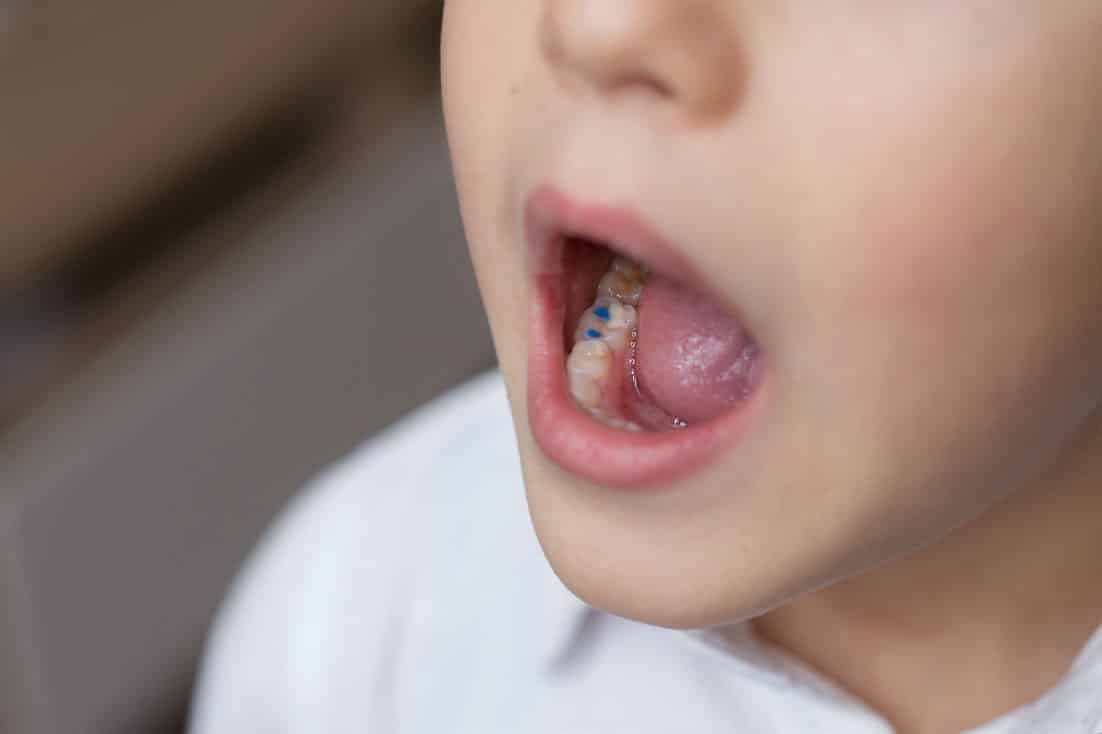
You’ve just discovered a cavity in your child’s baby tooth, and your first thought might be: “Why bother treating it when it’s just going to fall out anyway?” This common question reflects a misconception many parents in Gandhinagar and worldwide share—that baby teeth are temporary placeholders that don’t warrant the same care as permanent teeth. The reality is more complex and has significant implications for your child’s oral health, development, and overall wellbeing.
Understanding when a baby tooth filling is necessary versus when watchful waiting might be appropriate requires knowing how primary teeth function, when they naturally fall out, what happens when decay goes untreated, and how pediatric tooth decay affects developing permanent teeth underneath. Making informed decisions about treating primary teeth cavities protects not just your child’s current comfort but their long-term dental health.
This comprehensive guide helps parents navigate the decision-making process when cavities appear in baby teeth, explaining the factors pediatric dentists consider when recommending treatment, the consequences of leaving decay untreated, and why the “it’s just going to fall out anyway” reasoning doesn’t hold up under scrutiny. Whether you’re dealing with your first cavity discovery or trying to understand your dentist’s treatment recommendation, this information empowers you to make the best choice for your child’s smile.
Understanding Baby Teeth: More Than Just Placeholders
Before deciding whether to treat a cavity in a baby tooth, it’s important to understand the crucial roles primary teeth play in your child’s development. Baby teeth aren’t simply temporary structures waiting to be replaced—they serve essential functions during the critical years of childhood growth.
Primary teeth hold space for permanent teeth developing beneath them in the jawbone. Each baby tooth acts as a natural space maintainer, keeping the proper amount of room for the permanent tooth that will eventually replace it. When baby teeth are lost prematurely due to decay or extraction, adjacent teeth can drift into the empty space, blocking the permanent tooth’s eruption path and creating crowding or alignment problems requiring orthodontic treatment later.
Baby teeth play vital roles in speech development. The sounds children make while learning to talk depend partly on teeth position and presence. Certain sounds like “th,” “s,” and “f” require proper tooth placement. Missing or damaged front baby teeth can affect speech development during the crucial language acquisition years between ages two and six.
Proper chewing depends on healthy baby teeth. Children need functional teeth to eat a varied, nutritious diet. Cavities causing pain or missing teeth from extractions limit children’s ability to chew properly, potentially affecting their nutrition, growth, and willingness to try different foods. Children who cannot chew comfortably often favor soft, processed foods over crunchy fruits and vegetables.
Baby teeth guide permanent teeth into proper position. The roots of primary teeth gradually dissolve as permanent teeth develop and push upward, a process called exfoliation. This natural process helps guide permanent teeth into their correct positions. When baby teeth are lost too early, this guidance is lost, potentially affecting permanent tooth alignment.
Healthy baby teeth support facial structure development and appearance. Primary teeth maintain proper spacing and support for developing facial bones and muscles. The confidence children feel about their smiles affects their social interactions, self-esteem, and willingness to smile, laugh, and engage with peers.
Understanding these functions clarifies why pediatric dentists don’t dismiss baby tooth cavities casually. The “they’ll just fall out” reasoning overlooks the years of important service those teeth provide before natural shedding occurs.
When Baby Teeth Naturally Fall Out: The Timeline
Knowing when specific baby teeth are expected to fall out helps determine whether treating a cavity makes sense or if the tooth will shed before decay causes problems.
The typical baby tooth shedding timeline follows a predictable pattern, though individual variation is normal. Lower central incisors (bottom front teeth) typically fall out first around age six or seven. Upper central incisors (top front teeth) follow around age six to eight. Lateral incisors (teeth next to front teeth) shed around age seven to eight. First molars (back teeth used for chewing) fall out around age nine to eleven. Canines (pointed teeth) shed around age nine to twelve. Second molars (the very back baby teeth) are lost last, typically around age ten to twelve.
This timeline means that some baby teeth serve your child for twelve years—from eruption in infancy through shedding in late childhood. That represents a decade of function during critical developmental years. Even teeth that fall out “early” at age six have served for four to five years after erupting around age one or two.
Individual variation in shedding times can span several years. Some children lose their first tooth at age four while others don’t lose any until age seven or eight, both within the normal range. Genetics, gender (girls typically lose teeth slightly earlier than boys), overall development rate, and nutritional factors all influence timing.
The key consideration for treatment decisions is how long until natural shedding. A cavity in a lower front baby tooth of a five-year-old might be treated conservatively since that tooth will likely fall out within a year. However, a cavity in a second baby molar of a five-year-old needs definitive treatment because that tooth must serve for another five to seven years before naturally shedding.
X-rays showing permanent tooth development beneath baby teeth help pediatric dentists assess how close a baby tooth is to natural shedding. If the permanent tooth is very close to erupting and the baby tooth is beginning to loosen, minimal intervention might suffice. If the permanent tooth won’t erupt for years, proper treatment of the baby tooth cavity becomes essential.
Signs That a Baby Tooth Cavity Needs Treatment
Certain characteristics of cavities indicate that treatment is necessary rather than optional, regardless of when the tooth will eventually fall out.
The cavity’s size and depth significantly affect the treatment decision. Small cavities limited to tooth enamel might be monitored with fluoride treatments and improved hygiene, particularly if the tooth will shed soon. However, cavities extending into dentin (the softer layer beneath enamel) or approaching the tooth’s nerve chamber require fillings to prevent progression to painful infection.
Pain or sensitivity signals that decay has progressed significantly. If your child complains that the tooth hurts when eating, drinking cold beverages, or when touched, the cavity has likely reached deeper tooth layers requiring treatment. Untreated painful cavities worsen, potentially leading to infections that cause severe pain and swelling.
Visible holes, dark spots, or obvious tooth structure breakdown indicate substantial decay needing treatment. What starts as a small white or brown spot can progress to large holes that trap food, harbor bacteria, and cause progressive tooth destruction.
Location matters significantly. Cavities in molars (back chewing teeth) almost always need treatment because these teeth serve critical chewing functions for many years and have complex anatomy where decay spreads quickly. Front teeth cavities might be monitored more conservatively in some situations if the teeth will shed soon and decay remains superficial.
Multiple cavities in the same child generally warrant comprehensive treatment rather than selective intervention. Children with several cavities demonstrate high decay risk, meaning untreated cavities will likely worsen rapidly rather than stabilizing.
The cavity’s progression rate influences decisions. If a small cavity noticed six months ago has grown substantially despite improved hygiene and fluoride treatment, it requires filling before progression continues. Rapidly advancing decay won’t stop on its own.
Any cavity in a child with high risk factors—frequent snacking on sugary foods, limited access to fluoride, dry mouth from medications, or special needs affecting oral hygiene—should be treated rather than monitored. These children’s cavities progress faster than in lower-risk children.
For comprehensive evaluation of whether your child’s baby tooth needs treatment, consulting a pediatric dentist in Gandhinagar ensures expert assessment based on your child’s specific situation.
What Happens When Baby Tooth Cavities Go Untreated
Understanding the consequences of leaving decay untreated helps clarify why “it’ll just fall out” doesn’t justify avoiding necessary treatment.
Cavities don’t stabilize or improve on their own—they progressively worsen. Bacteria causing decay continue destroying tooth structure, creating larger holes that eventually reach the tooth’s nerve chamber. This progression causes increasing pain, sensitivity, and ultimately tooth infection requiring more extensive treatment than a simple filling would have.
Infected baby teeth create painful abscesses—pus-filled swellings in the gums around the tooth root. These infections cause severe pain, facial swelling, difficulty eating and sleeping, and in rare cases can spread to other parts of the body creating serious health risks. Treatment for abscessed baby teeth often requires extraction plus antibiotics rather than the simple filling that would have prevented the problem.
Premature tooth loss from severe decay creates space loss problems. When baby teeth are lost years before they would naturally shed, adjacent teeth drift into the empty space, blocking the permanent tooth’s eruption path. This frequently necessitates orthodontic space maintainers—appliances that hold space open until the permanent tooth erupts. Space maintainers cost more than fillings would have and require months or years of wear.
Damage to developing permanent teeth can occur when baby tooth infections spread. The permanent tooth bud developing beneath the infected baby tooth can be affected by the infection, potentially causing defects in the permanent tooth’s enamel, discoloration, or developmental disturbances. While this doesn’t happen in every case, it represents a risk that proper treatment of the baby tooth cavity would have prevented.
Pain and infection affect children’s eating, sleeping, behavior, and school performance. Chronic dental pain makes children irritable, affects their concentration, disturbs sleep, and makes mealtimes unpleasant. Children suffering from untreated cavities may avoid necessary dental visits in the future, developing dental anxiety that persists into adulthood.
Speech development can be affected when multiple front baby teeth are lost prematurely due to decay. The critical years for speech sound development coincide with baby teeth presence, and missing multiple teeth during this time can contribute to articulation difficulties.
Nutritional impacts occur when painful or missing teeth prevent proper chewing. Children may refuse harder, more nutritious foods like raw vegetables, fruits, and proteins, favoring soft, often less healthy options. This can affect overall nutrition during important growth years.
The financial cost of treating complications from untreated cavities typically exceeds preventive treatment costs significantly. A filling might cost a moderate amount, while treating an abscess requires examination, x-rays, possible antibiotics, extraction, and potentially a space maintainer—expenses adding up to several times the original filling cost.
The Role of Baby Teeth in Permanent Tooth Development
The relationship between primary and permanent teeth is more interconnected than many parents realize, making baby tooth health directly relevant to permanent tooth outcomes.
Permanent teeth develop in the jawbone beneath baby teeth, beginning this development before the child is even born and continuing throughout childhood. The health of the baby tooth above affects the environment where the permanent tooth develops.
Severe infections in baby teeth can damage developing permanent tooth buds beneath them. The infection and inflammation can interfere with normal enamel formation, potentially causing visible defects, discoloration, or weakened enamel in the permanent tooth when it eventually erupts. These effects are permanent and cannot be reversed.
Early loss of baby molars particularly affects permanent molar position and eruption. The first permanent molars (often called six-year molars) erupt behind all baby teeth rather than replacing a baby tooth. If baby molars are lost early, the six-year molars can drift forward into empty space, creating bite problems and crowding of permanent teeth that follow.
The pattern of decay in baby teeth often predicts decay risk in permanent teeth. Children with multiple baby tooth cavities face elevated risk for permanent tooth cavities. This makes establishing good oral hygiene habits, improving diet, and receiving fluoride treatments during the baby teeth years crucial for protecting permanent teeth emerging later.
Proper chewing and jaw development depend on functional baby teeth. Children who cannot chew properly due to extensive baby tooth decay may develop poor chewing patterns or habits that persist after permanent teeth erupt. The forces of chewing also stimulate proper jaw growth—missing or non-functional baby teeth can affect jaw development.
Children who lose baby teeth prematurely often require orthodontic treatment later. The space loss, crowding, and bite problems created by early baby tooth loss frequently necessitate braces or other orthodontic interventions during teenage years. Preventing baby tooth loss through proper treatment of cavities avoids or minimizes these orthodontic needs.
When Conservative Monitoring Might Be Appropriate
While most baby tooth cavities need treatment, certain specific situations might warrant conservative monitoring rather than immediate intervention.
Very small, early-stage cavities limited to tooth enamel in children with otherwise excellent oral hygiene and low cavity risk might be monitored with enhanced preventive care. This approach requires professional fluoride treatments every three to six months, meticulous home oral hygiene, dietary changes eliminating frequent sugar exposure, and regular dental examinations to ensure the cavity isn’t progressing.
Cavities in baby teeth within six months of natural shedding, when the tooth is already loose and the permanent tooth is visible beneath it, might not need extensive treatment. However, this applies only if the cavity isn’t causing pain or infection and won’t worsen significantly in the remaining months before natural shedding.
Some pediatric dentists use minimally invasive techniques like silver diamine fluoride application to arrest cavity progression in specific situations. This antimicrobial and remineralizing treatment can stop small to moderate cavities from worsening, buying time until natural tooth loss occurs or until the child is old enough to cooperate better with traditional filling treatment.
The decision to monitor rather than treat should always be made by a qualified pediatric dentist after thorough examination and x-ray evaluation, not by parents hoping to avoid treatment. Conservative monitoring requires commitment to improved oral hygiene, regular professional fluoride application, dietary changes, and frequent follow-up appointments to ensure the cavity doesn’t progress.
Most baby tooth cavities don’t meet the criteria for conservative monitoring. When dentists recommend children’s dental fillings Gandhinagar, that recommendation is based on professional assessment that treatment is necessary to prevent progression to pain, infection, or tooth loss.
Types of Treatment for Baby Tooth Cavities
Understanding treatment options helps parents feel more comfortable with recommended interventions for baby tooth decay.
Traditional fillings using tooth-colored composite material represent the most common treatment. The dentist removes decay, cleans the cavity, and fills it with a durable, tooth-colored material that restores the tooth’s shape and function. Modern composite fillings blend with natural tooth color and perform excellently in baby teeth.
Stainless steel crowns cover severely decayed baby molars when extensive tooth structure has been lost. While these silver-colored crowns are obvious, they’re extremely durable and protect weak teeth from fracture until natural shedding. Parents sometimes resist these crowns’ appearance, but they represent the best treatment for extensively decayed baby molars that need to serve for several more years.
Pulpotomies (baby tooth root canals) treat cavities that have reached the tooth’s nerve. Similar to root canals in permanent teeth but simpler, pulpotomies remove infected nerve tissue from the tooth’s crown portion while leaving roots intact. The tooth is then filled and often crowned. This treatment saves infected baby teeth that would otherwise require extraction.
Silver diamine fluoride offers a non-invasive option for arresting cavity progression in some situations. This topical liquid applied to cavity surfaces arrests decay through antimicrobial and remineralizing effects. The treatment turns cavities black, which concerns some parents aesthetically but effectively stops decay progression without drilling or anesthesia.
Extractions become necessary when baby teeth are too decayed to save or when infection has destroyed too much supporting bone. Following extraction, pediatric dentists often recommend space maintainers to prevent space loss while waiting for permanent teeth to erupt.
Your pediatric dentist recommends treatment based on cavity size and location, how long until natural tooth shedding, the child’s age and cooperation ability, and whether infection is present.
Preventing Future Cavities in Baby Teeth
Once you’ve dealt with a cavity, preventing future decay becomes a priority. Effective prevention protects both remaining baby teeth and permanent teeth as they emerge.
Brush children’s teeth twice daily with fluoride toothpaste. For children under three, use a smear (rice grain size) of fluoride toothpaste. For children three to six, use a pea-sized amount. Parents should brush children’s teeth or supervise closely until at least age seven or eight when children develop the dexterity for effective independent brushing.
Floss daily once teeth touch each other. Most cavities in children develop between teeth where toothbrushes cannot reach. Flossing removes plaque and food particles from these areas. Use child-friendly flossers if traditional string floss proves difficult.
Limit sugary foods and beverages, particularly between meals. Frequent sugar exposure throughout the day creates constant acid attacks on teeth. Reserve sweets for mealtimes rather than constant snacking, and choose water over juice or sugary drinks between meals.
Never put children to bed with bottles containing anything except water. Milk, formula, juice, or other sugary beverages pooling around teeth during sleep create perfect conditions for rapid cavity development, often called baby bottle tooth decay.
Regular dental check-ups every six months allow early cavity detection and professional fluoride treatment. Catching cavities when they’re small means simpler, less expensive treatment. Professional fluoride strengthens enamel and helps prevent cavities.
Dental sealants on baby molars provide extra protection for cavity-prone chewing surfaces. These thin plastic coatings applied to molars’ grooves and pits prevent food and bacteria from becoming trapped in areas difficult to clean thoroughly with brushing.
Ensure adequate fluoride exposure through fluoridated water, fluoride toothpaste, and professional fluoride treatments. Fluoride strengthens enamel and helps repair early decay before cavities develop.
Consider your child’s individual risk factors. Some children need more intensive preventive care than others based on factors like oral bacteria levels, saliva composition, diet, and oral hygiene habits. Your dentist can assess risk and recommend appropriate preventive strategies.
Addressing Common Parent Concerns About Baby Tooth Treatment
Many parents have understandable concerns about treating baby tooth cavities. Addressing these worries helps you feel more comfortable proceeding with necessary care.
“Will the treatment hurt my child?” Modern pediatric dentistry uses gentle techniques, appropriate anesthesia, and often sedation options that make treatment comfortable. The brief discomfort of receiving treatment is far less than the prolonged pain from an untreated cavity progressing to infection.
“Isn’t my child too young for dental work?” Children as young as toddlers can receive necessary dental treatment. Pediatric dentists specialize in working with young children, using age-appropriate behavior guidance and, when needed, sedation to help even very young children receive comfortable care.
“Can’t we just watch it for now?” As discussed, only specific small cavities in teeth very close to natural shedding might qualify for monitoring. Most cavities need treatment because they progressively worsen rather than stabilizing.
“The treatment seems expensive.” While dental care involves costs, treating cavities when they’re small almost always costs less than treating the infections, abscesses, extractions, and space maintainers that result from untreated decay. Many practices offer payment plans making treatment more manageable.
“My child won’t cooperate for treatment.” Pediatric dentists train specifically in helping anxious or uncooperative children receive necessary care through behavior guidance techniques, sedation options including nitrous oxide or oral sedation, and sometimes general anesthesia for extensive treatment in children who cannot cooperate with traditional methods.
“I had cavities as a child and I’m fine.” While true, the cavities you had as a child either were treated (which is what’s being recommended for your child) or caused problems you may not recall, or you were simply fortunate that complications didn’t develop. Using your experience to avoid recommended treatment for your child risks outcomes that might not be as fortunate.
Making the Right Decision for Your Child
When faced with a treatment recommendation for your child’s baby tooth cavity, several steps help you make informed, confident decisions.
Trust your pediatric dentist’s expertise. Dentists don’t recommend treatment casually or to generate revenue. Their recommendations are based on professional training, experience, examination findings, and knowledge of what happens when cavities go untreated.
Ask questions about anything you don’t understand. Why does this particular cavity need treatment? How soon should treatment occur? What happens if we wait? What treatment options exist? Understanding the reasoning behind recommendations helps you feel more comfortable proceeding.
Get a second opinion if you have significant doubts, though recognize that delays while seeking multiple opinions allow decay to progress. If you do seek another opinion, do so quickly and proceed with treatment once you’re confident.
Consider your child’s long-term oral health rather than just immediate convenience or cost. Treatment that seems expensive or inconvenient now prevents far more expensive, complicated problems later. The goal is protecting your child’s smile through adulthood, not just avoiding an appointment today.
Follow through with recommended preventive care after treatment. Treating current cavities without improving hygiene, diet, and fluoride exposure means more cavities will likely develop. Use the cavity as motivation to establish better oral health habits.
For expert evaluation and gentle, effective treatment of baby tooth cavities, families throughout Gandhinagar can trust the pediatric dental specialists who understand both the clinical needs and the emotional concerns of treating young children.
Frequently Asked Questions
My child’s baby tooth has a cavity but will fall out in about a year. Should I still get it filled?
Yes, in most cases even baby teeth falling out within a year need cavity treatment. A year represents significant time during which an untreated cavity will likely progress from a small hole to a painful infection. Cavities don’t pause their progression—bacteria continue destroying tooth structure daily. Within a year, a treatable cavity often becomes an infected tooth requiring extraction and possibly a space maintainer, making treatment more extensive and expensive than the original filling would have been. Additionally, infections can damage developing permanent teeth underneath. The only exception might be very small cavities in teeth that are already loose and will shed within weeks rather than months, but this determination should come from your pediatric dentist, not from hoping the tooth falls out before problems develop.
Will treating my child’s baby tooth cavity hurt them?
Modern pediatric dentistry makes cavity treatment very comfortable for children. Dentists use appropriate anesthesia to numb the area completely before beginning treatment, so children feel no pain during the procedure. Many pediatric practices also offer sedation options including nitrous oxide (laughing gas) or oral sedation that help anxious children feel calm and comfortable throughout treatment. The brief appointment involving treatment causes far less discomfort than the days or weeks of increasing pain from an untreated cavity progressing to infection. Pediatric dentists train specifically in working with children, using gentle techniques and age-appropriate communication that makes the experience as positive as possible.
Can’t I just give my child better oral hygiene instead of filling the cavity?
Unfortunately, once a cavity has formed in tooth structure, improved oral hygiene cannot reverse or repair it. Brushing and flossing prevent future cavities by removing plaque before it causes decay, but they cannot eliminate bacteria that have already created holes in tooth enamel and dentin. The cavity will continue progressing deeper into the tooth regardless of improved hygiene. However, establishing better oral hygiene habits alongside treating existing cavities is crucial for preventing future decay. Your child needs both treatment for current cavities and improved prevention for protecting remaining healthy tooth structure. Some very early cavities limited to enamel surface might be arrested with professional fluoride treatment and excellent hygiene, but this applies only to the earliest stages of decay, and the decision about whether this conservative approach is appropriate must come from professional evaluation.
How much does it cost to fill a baby tooth compared to just extracting it?
While extraction initially seems less expensive than filling, the true costs tell a different story. A simple filling might cost a moderate amount, while extraction plus the space maintainer often needed afterward typically costs significantly more combined. Additionally, space maintainers require months or years of wear, periodic adjustments, and eventual removal, adding appointment time and potential additional costs. Beyond financial considerations, preserving natural baby teeth provides better outcomes than extraction—maintaining proper spacing, supporting normal development, and avoiding orthodontic complications that premature tooth loss creates. Most dental insurance plans cover children’s dental fillings as necessary treatment. Many pediatric dental practices also offer payment plans making treatment affordable even without insurance coverage. Discuss costs openly with your dentist to understand total expenses and available payment options.
My child has cavities in multiple baby teeth. Do they all need to be treated?
Yes, multiple cavities typically all need treatment rather than selective intervention. Children with several cavities demonstrate high decay risk, meaning untreated cavities will likely progress rapidly rather than stabilizing. Additionally, the factors causing multiple cavities—diet, oral hygiene, bacteria levels, or saliva composition—create an oral environment where decay progresses quickly. Your pediatric dentist might recommend treating all cavities in one or two appointments using sedation, allowing your child to receive comprehensive treatment comfortably without multiple anxiety-producing visits. This approach, while involving a longer initial appointment, often provides better overall outcomes and experience for children with extensive treatment needs. Following comprehensive treatment, implementing improved preventive strategies becomes crucial for protecting remaining healthy tooth structure and permanent teeth as they emerge.

Related posts

Write a Comment
Recent Posts


