


Dental Sedation Options for Anxious Patients: Which One Is Right for Me?
Dental Sedation Options for Anxious Patients: Which One Is Right for Me?

The phrase “wisdom tooth removal” strikes fear into many people’s hearts. Perhaps you’ve heard horror stories from friends about painful recoveries, swollen faces, and traumatic experiences. Maybe you’ve been putting off the procedure for months or even years, despite your dentist’s recommendation, because the thought of oral surgery fills you with dread. If this describes your situation, you’re far from alone—wisdom tooth extraction anxiety affects millions of people, often preventing them from seeking treatment they genuinely need.
The reality of modern wisdom tooth removal, particularly when performed with advanced techniques and appropriate sedation, bears little resemblance to the frightening stories that circulate. Today’s approaches combine precise surgical methods, effective pain management, and anxiety-reducing sedation options that transform wisdom tooth extraction from a dreaded ordeal into a manageable, comfortable procedure.
This comprehensive guide explains everything you need to know about advanced wisdom tooth removal, how nitrous oxide sedation makes the experience gentle and anxiety-free, what to expect before, during, and after the procedure, and how modern techniques ensure minimal discomfort and smooth recovery. Whether you’re facing your first wisdom tooth extraction or dreading the removal of multiple impacted teeth, understanding the reality of today’s advanced approaches helps replace fear with confidence.
Understanding Wisdom Teeth and Why They Often Need Removal
Before exploring the removal process, it’s helpful to understand what wisdom teeth are, why they cause problems, and when extraction becomes necessary rather than optional.
Wisdom teeth, also called third molars, are the last teeth to develop and erupt in your mouth, typically appearing between ages 17 and 25. Most people have four wisdom teeth—one in each corner of the mouth. These teeth served our ancestors well when coarser diets wore down teeth significantly, and having extra molars emerging later in life proved beneficial. However, modern diets and smaller jaw sizes in contemporary humans often mean there isn’t adequate room for wisdom teeth to erupt properly.
When insufficient space exists, wisdom teeth become impacted—unable to emerge fully through the gums into proper position. Impaction takes several forms: teeth may be angled toward or away from adjacent molars, lying horizontally in the jawbone, trapped beneath gum tissue, or only partially erupted with gum tissue covering portions of the tooth. Each type of impaction creates specific problems requiring professional evaluation.
Several compelling reasons make wisdom tooth removal necessary. Impacted wisdom teeth frequently cause pain, swelling, and infection as bacteria accumulate around partially erupted teeth that are difficult or impossible to clean properly. The pressure from impacted teeth can damage adjacent healthy molars, pushing against their roots or causing decay where wisdom teeth contact neighboring teeth. Cysts or tumors can develop around impacted wisdom teeth, potentially damaging jawbone and surrounding structures. Crowding of other teeth may occur as wisdom teeth try forcing their way into insufficient space, potentially undoing years of orthodontic treatment. Even wisdom teeth that erupt fully often position so far back in the mouth that thorough cleaning becomes nearly impossible, leading to decay and gum disease.
Some wisdom teeth erupt normally, position properly, and cause no problems. These lucky teeth can remain indefinitely with proper care. However, dentists monitor even problem-free wisdom teeth carefully, as issues can develop later. When extraction is recommended, it’s based on clinical evidence—x-rays showing impaction, crowding, or damage risk; current symptoms like pain or infection; or high probability that problems will develop even if they haven’t yet.
The Advanced Approach to Wisdom Tooth Removal
Modern wisdom tooth extraction has evolved dramatically from the rough procedures of past decades. Today’s advanced techniques prioritize tissue preservation, minimal trauma, precise surgical approach, and optimal healing—all contributing to significantly more comfortable experiences and faster recoveries.
Comprehensive pre-surgical evaluation begins with detailed x-rays or sometimes 3D imaging that shows exact wisdom tooth position, angulation, root structure, and relationship to surrounding nerves and sinuses. This imaging allows surgeons to plan the precise approach for each tooth, anticipating challenges and selecting optimal techniques. Understanding the surgical roadmap before beginning means fewer surprises, shorter procedure times, and reduced tissue trauma.
Surgical technique refinement focuses on preserving healthy tissue while efficiently removing problematic teeth. Rather than simply extracting teeth forcefully, modern approaches may involve sectioning teeth into smaller pieces that can be removed through smaller openings, requiring less bone removal and tissue disruption. Careful reflection of gum tissue followed by meticulous replacement and suturing promotes faster healing. Precise bone removal—only what’s necessary to access the tooth—preserves jaw structure and reduces post-operative discomfort.
Advanced instrumentation including high-speed surgical handpieces, specialized elevators designed to minimize bone trauma, and microsurgical techniques allows for more controlled, gentle procedures. These tools enable surgeons to work precisely rather than relying on force, significantly reducing trauma to surrounding tissues.
Post-operative care protocols have improved substantially. Better understanding of healing processes informs specific instructions about activity restrictions, ice application timing, proper rinsing techniques, and medication schedules that optimize recovery. Many practices now provide detailed written and video instructions ensuring patients understand exactly how to care for extraction sites.
Pain management approaches combine effective local anesthesia during procedures with appropriate post-operative pain medication regimens that control discomfort during the critical first few days of healing. Modern pain management recognizes that preventing pain is more effective than treating pain after it develops, leading to proactive medication schedules rather than waiting until you’re suffering.
These advances mean that wisdom tooth removal performed with current techniques typically involves far less discomfort, swelling, and recovery time than procedures performed even ten to fifteen years ago. The frightening stories you may have heard often describe outdated approaches rather than today’s reality.
How Nitrous Oxide Sedation Transforms the Wisdom Tooth Removal Experience
While advanced surgical techniques make wisdom tooth removal more comfortable physically, nitrous oxide sedation addresses the emotional component—the anxiety and fear that make the thought of oral surgery so distressing for many people.
Nitrous oxide, commonly called laughing gas, provides safe, effective anxiety relief while maintaining your full consciousness and control. This approach has been used successfully in dentistry for over a century and remains ideal for patients who need significant anxiety management without the deeper sedation, longer recovery, and additional risks associated with IV or general anesthesia.
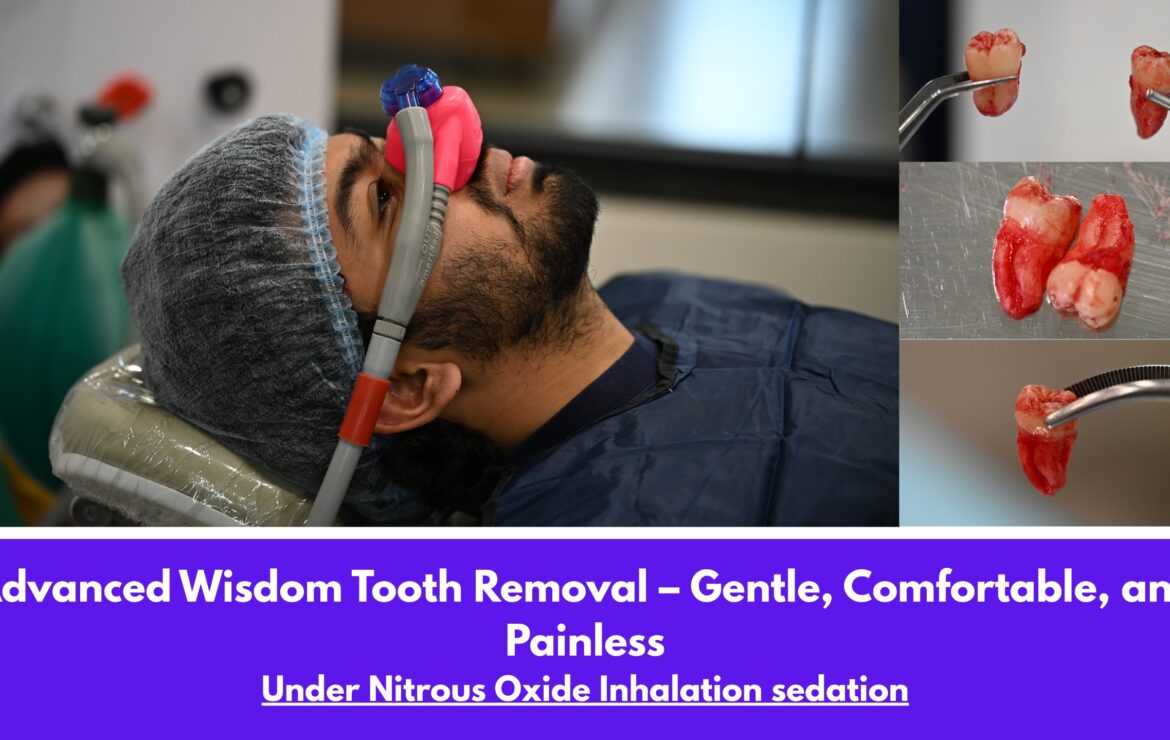
During wisdom tooth removal under nitrous oxide sedation, you breathe the gas through a comfortable nasal mask throughout the procedure. Within two to three minutes, most patients feel pleasantly relaxed and calm. The anxiety that would normally build during oral surgery simply doesn’t develop when you’re breathing nitrous oxide.
Common experiences patients report include feeling warm, tingly, and deeply relaxed; a floating or lightheaded sensation that’s pleasant rather than uncomfortable; reduced awareness of sounds, sensations, and time passing; a general sense of well-being and contentment despite knowing a surgical procedure is occurring; and significantly reduced anxiety about what’s happening even though you remain fully conscious and aware.
Crucially, nitrous oxide keeps you fully conscious, aware, and able to respond to instructions throughout the procedure. You maintain all protective reflexes including breathing regulation, swallowing, and coughing. You can communicate with your surgical team if you need anything. This preservation of consciousness provides safety while still delivering profound anxiety relief.
The sedation level is adjustable in real-time. If you feel you need more relaxation, the concentration can be increased slightly. If you feel too sedated, it can be decreased. This adjustability ensures optimal comfort throughout procedures of varying lengths and complexity.
One of nitrous oxide’s most valuable features for wisdom tooth removal is rapid recovery. Within five to ten minutes of removing the nasal mask and breathing regular air, the gas completely clears from your system. Unlike deeper sedation methods requiring hours of recovery and someone to drive you home and supervise you, nitrous oxide allows most patients to drive themselves home and resume normal activities within a short time, though some dentists still recommend having someone drive you after surgical procedures.
For patients throughout Gandhinagar seeking comfortable wisdom tooth removal, nitrous oxide sedation combined with expert surgical technique and thorough local anesthesia provides comprehensive comfort addressing both physical and emotional aspects of the experience.
The Complete Wisdom Tooth Removal Process: What to Expect
Understanding exactly what happens during wisdom tooth removal reduces anxiety about the unknown and helps you feel prepared and confident. While specific details vary based on your tooth position and complexity, the general process follows a predictable pattern.
Pre-operative consultation occurs days or weeks before your scheduled extraction. During this visit, your dentist examines your mouth, reviews x-rays showing wisdom tooth position, discusses which teeth need removal and why, explains the procedure in detail, answers all your questions, and reviews medical history to identify any factors affecting treatment or sedation. This appointment provides opportunity to express concerns and ensure you feel informed and comfortable proceeding.
On procedure day, you arrive at the dental office having followed any pre-operative instructions provided. If you’re receiving nitrous oxide sedation, fasting requirements are minimal—just avoiding large meals within a few hours is typically sufficient, though your dentist provides specific guidance.
The sedation process begins with placing the comfortable nasal mask over your nose. You breathe normally while the nitrous oxide mixture flows. Within a few minutes, you feel the relaxing effects beginning. The dental environment that previously felt threatening becomes neutral or even pleasant. Your anxiety diminishes significantly, allowing you to remain calm as the procedure begins.
Local anesthesia administration occurs once you’re relaxed from the nitrous oxide. Your dentist applies topical numbing gel to the injection sites, then carefully administers local anesthetic that completely numbs the surgical area. Because you’re already calm from nitrous oxide, even the injection causes minimal anxiety. Modern injection techniques using computer-controlled delivery systems and warm anesthetic solutions make this process much more comfortable than you might expect from past experiences.
The surgical extraction begins once you’re completely numb. You feel absolutely no pain—only pressure, vibration, or other non-painful sensations. For simple extractions of fully erupted wisdom teeth, the process resembles regular tooth extraction and takes just minutes. For impacted wisdom teeth, your surgeon carefully opens gum tissue to access the tooth, may remove small amounts of surrounding bone, and often sections the tooth into smaller pieces for easier removal through smaller openings. Each piece is gently lifted out, minimizing trauma to surrounding tissues.
Throughout the procedure, you remain conscious and aware under nitrous oxide sedation. However, the anxiety you’d normally feel simply isn’t present. Many patients are surprised by how calm they feel during surgery. Time perception often changes—procedures that actually take thirty to forty-five minutes seem to pass in just ten or fifteen minutes.
After removing the wisdom teeth, your surgeon thoroughly cleans the extraction sites, inspects them for any remaining fragments, and places sutures to close gum tissue over the surgical sites. These stitches typically dissolve on their own within one to two weeks, requiring no removal appointment.
The nitrous oxide is turned off, and you breathe pure oxygen for a few minutes to clear the remaining gas. Within five to ten minutes, you feel normal and alert, ready to receive post-operative instructions and head home.
Managing Discomfort: Pain Control During and After Wisdom Tooth Removal
One of the primary fears people have about wisdom tooth removal centers on pain—both during the procedure and throughout recovery. Understanding modern pain management approaches helps alleviate these concerns.
During the procedure itself, you experience no pain whatsoever. Comprehensive local anesthesia ensures complete numbness in the surgical area. Modern anesthetic agents are highly effective, and dentists ensure adequate depth of anesthesia before beginning surgery. You may feel pressure, pulling, or vibration—sensations indicating work is being done—but these aren’t painful. If you feel any discomfort during the procedure, you can signal immediately, and your dentist will administer additional anesthetic before continuing.
The combination of thorough local anesthesia and nitrous oxide sedation means that the experience during surgery is far more comfortable than most patients anticipate. The physical pain is eliminated through numbing, and the emotional distress is eliminated through sedation—comprehensive comfort addressing both components of the dental surgery experience.
Post-operative pain management begins before you leave the dental office. You receive detailed instructions about medication timing and usage. Typically, pain management involves taking prescribed or over-the-counter pain medication on a schedule for the first few days rather than waiting until you’re in significant pain. This proactive approach prevents severe pain from developing rather than trying to treat it after it’s established.
The first 24 to 48 hours typically involve the most discomfort, which most patients describe as soreness or achiness rather than severe pain. Taking medications as directed, using ice packs on your jaw during the first 24 hours, keeping your head elevated, and getting adequate rest all contribute to minimizing discomfort during this critical period.
By days three to five, most patients find that discomfort has decreased substantially. Many can transition from prescription pain medication to over-the-counter options or discontinue pain medication entirely by this point. The healing process continues for several weeks, but significant pain should resolve within the first week for most people.
It’s important to distinguish between normal post-operative discomfort and complications requiring attention. Some soreness, mild swelling, and slight bleeding are expected. However, severe pain that worsens after the first few days, excessive bleeding that doesn’t respond to pressure, fever, foul taste or odor from extraction sites, or swelling that increases dramatically after the initial 48 hours all warrant contacting your dentist immediately, as these may indicate infection or dry socket requiring treatment.
Recovery and Healing: What to Expect After Wisdom Tooth Removal
Understanding the recovery timeline and what’s normal during healing helps you plan appropriately and recognize when everything is progressing as expected versus when problems might be developing.
Immediately after surgery, you’ll feel numb in the surgical area for two to four hours after leaving the dental office. During this time, bite gently on gauze pads placed over extraction sites to control bleeding. Avoid hot beverages, don’t rinse your mouth, and don’t disturb the surgical sites. Some oozing of blood mixed with saliva is normal for the first 12 to 24 hours—this isn’t the same as active bleeding and doesn’t require concern.
The first 24 hours are critical for proper healing. Apply ice packs to your jaw for 20 minutes on, 20 minutes off during waking hours. This reduces swelling and discomfort. Stick to soft, cool foods like yogurt, smoothies, mashed potatoes, and ice cream. Avoid anything hot, hard, crunchy, or requiring significant chewing. Don’t use straws—the suction can dislodge blood clots forming in extraction sites, leading to painful dry socket. Don’t smoke, as this also increases dry socket risk dramatically. Rest as much as possible, keeping your head elevated even while sleeping.
Days two and three typically bring peak swelling. This is normal and expected—swelling often looks worse on the second or third day than immediately after surgery. Continue ice for the first 48 hours, then switch to warm compresses if desired. Swelling begins subsiding after 48 to 72 hours. You can begin very gentle rinsing with warm salt water (one teaspoon salt in eight ounces warm water) after the first 24 hours, being careful not to rinse forcefully. Continue soft foods and pain medication as needed.
Days four to seven see progressive improvement. Swelling decreases noticeably, discomfort reduces significantly, and you can gradually introduce slightly firmer foods as comfort allows. Continue gentle salt water rinses after meals and before bed. Many people can return to work or school by this point, though some lingering swelling and soreness may persist.
Weeks two through four involve continued healing. Extraction sites gradually fill in with new tissue. Sutures dissolve and fall out if dissolvable stitches were used. You can resume normal diet as comfort allows, though very hard or crunchy foods might still cause discomfort. Continue maintaining excellent oral hygiene, carefully cleaning around healing sites.
Complete healing of the bone and soft tissue takes several months, but you won’t notice this process—it occurs gradually and painlessly beneath the surface. By four to six weeks after surgery, extraction sites should look essentially healed from the surface, though internal bone remodeling continues for several more months.
Most people find that recovery is far easier than they anticipated, particularly when they follow post-operative instructions carefully. The frightening recovery stories often involve people who didn’t follow instructions, had complications, or had outdated surgical techniques applied. Modern approaches with proper post-operative care typically result in manageable, predictable recovery.
Preventing Complications: Dry Socket and Infection
While most wisdom tooth extractions heal smoothly, understanding potential complications and how to prevent them gives you control over your recovery and helps you recognize problems early if they do develop.
Dry socket, medically called alveolar osteitis, is the most common complication following wisdom tooth removal. It occurs when the blood clot that normally forms in the extraction site becomes dislodged or fails to form properly, exposing bone and nerve endings. This creates intense pain typically beginning two to four days after extraction—often worse than the original surgical discomfort.
Risk factors for dry socket include smoking or tobacco use before or after surgery, using straws or forceful rinsing that creates suction dislodging clots, poor oral hygiene allowing bacteria to interfere with healing, hormonal factors making women slightly more susceptible particularly those taking birth control pills, and previous history of dry socket increasing future risk.
Prevention focuses on protecting the blood clot during critical first days. Avoid smoking for at least 72 hours after surgery, preferably longer. Don’t use straws, spit forcefully, or rinse vigorously for the first 24 hours. Follow all post-operative instructions carefully. If dry socket develops, contact your dentist immediately—treatment involves placing medicated dressing in the extraction site that provides dramatic pain relief within hours.
Infection, while less common than dry socket, occasionally occurs when bacteria enter extraction sites. Signs include increasing pain after the first few days rather than improving, swelling that worsens after 48 hours, fever above 100°F, pus drainage from extraction sites, foul taste or odor, and difficulty swallowing or breathing in severe cases.
Prevention involves maintaining good oral hygiene while respecting healing tissues. After the first 24 hours, gently rinse with warm salt water after meals and before bed. Brush teeth carefully, avoiding extraction sites initially but keeping the rest of your mouth clean. Take any prescribed antibiotics exactly as directed, completing the full course even when you feel better.
If you suspect infection, contact your dentist promptly. Early treatment with antibiotics typically resolves the problem quickly. Delaying treatment allows infections to worsen, potentially requiring more aggressive intervention.
Excessive bleeding is rare but requires attention if it occurs. Some oozing for 12 to 24 hours is normal. However, active bleeding that doesn’t slow after 30 minutes of biting on gauze, or bleeding that restarts significantly after initially stopping, warrants calling your dentist. Treatment usually involves placing additional medication and sutures, handling the problem easily.
Nerve injury causing numbness or tingling in lips, tongue, or chin occurs very rarely—in less than 1% of wisdom tooth removals. This happens when wisdom tooth roots lie very close to nerves running through the jaw. Pre-operative x-rays identify high-risk situations. Most nerve disturbances resolve within weeks to months, though permanent numbness occurs in extremely rare cases.
Understanding these potential complications isn’t meant to frighten you—most wisdom tooth removals heal without any problems. Rather, this knowledge empowers you to prevent complications through proper care and recognize issues early if they develop.
Who Should Consider Wisdom Tooth Removal and When
Not everyone needs wisdom teeth removed, but understanding the indications for extraction helps you make informed decisions if your dentist recommends the procedure.
Clear indications for wisdom tooth removal include impaction causing pain, swelling, or infection; damage to adjacent teeth from wisdom tooth pressure or decay where teeth contact; cysts or tumors forming around impacted teeth; significant crowding where erupting wisdom teeth push other teeth out of alignment; partially erupted wisdom teeth impossible to clean adequately, leading to recurrent infections; and orthodontic treatment plans requiring wisdom tooth removal to prevent future crowding.
Preventive removal—extracting wisdom teeth before problems develop—remains somewhat controversial but is commonly recommended when x-rays show inadequate space for proper eruption, wisdom teeth angled in ways virtually certain to cause future problems, or patient age and health make current removal safer and easier than waiting until problems force extraction later in life.
Age considerations influence timing decisions. Younger patients (late teens to early twenties) typically have easier recoveries, as roots are not fully formed, bone is less dense, and healing occurs faster. Older patients can certainly have wisdom teeth removed successfully, but recovery may take slightly longer, and surgery may be somewhat more complex due to fully developed roots and denser bone.
Medical conditions affecting healing, bleeding, or anesthesia risk require careful evaluation before wisdom tooth removal. Patients with diabetes, heart conditions, bleeding disorders, or compromised immune systems need coordinated care between their dentist and physician to ensure safe treatment.
Personal factors including your tolerance for dental procedures, anxiety level, and ability to take time for recovery all deserve consideration. Some people prefer addressing wisdom teeth proactively before problems develop, avoiding future emergencies. Others prefer monitoring asymptomatic wisdom teeth, accepting potential future need for extraction.
The decision about wisdom tooth removal should involve thorough discussion with your dentist about your specific situation—tooth position, symptoms, risk factors, and preferences. While dentists make recommendations based on clinical findings, you’re a partner in the decision-making process.
Special Considerations for Anxious Patients
If anxiety about wisdom tooth removal prevents you from seeking necessary treatment, you’re far from alone. Dental anxiety regarding oral surgery is extremely common, and understanding available support helps you overcome fear and receive needed care.
Nitrous oxide sedation specifically benefits anxious patients facing wisdom tooth removal. The anxiety relief it provides makes the experience manageable for people who would otherwise find it overwhelming. Many patients who postponed wisdom tooth extraction for years due to fear successfully complete treatment when nitrous oxide sedation is available.
Communication with your dental team about your anxiety is crucial. When dentists understand your specific fears—whether it’s pain, needles, loss of control, or past traumatic experiences—they can modify their approach, provide extra reassurance, explain procedures before beginning, and ensure you feel supported throughout the experience.
Bringing a trusted friend or family member to your appointment provides emotional support that reduces anxiety for many patients. Some people feel more confident knowing someone they trust is nearby, even if that person doesn’t accompany them into the surgical room.
Distraction techniques help redirect focus from anxiety-provoking stimuli. Listening to music, podcasts, or audiobooks through headphones during the procedure gives your mind something to focus on besides the surgery. Many dental offices accommodate this request readily.
Relaxation techniques including deep breathing exercises practiced before and during appointments calm your nervous system. Slow, deliberate breathing—inhaling for four counts, holding briefly, then exhaling for six counts—activates your parasympathetic nervous system, reducing the fight-or-flight response anxiety triggers.
Starting with a consultation appointment without committing to immediate treatment helps anxious patients. Meeting the dental team, touring the facility, and discussing the procedure in detail in a pressure-free environment reduces fear of the unknown. Many patients find their anxiety decreases simply from talking with understanding professionals who respect their fears.
For severe dental anxiety that makes wisdom tooth removal seem impossible despite sedation options, working with a mental health professional specializing in anxiety disorders alongside dental treatment provides comprehensive support. Cognitive behavioral therapy has strong evidence supporting its effectiveness for dental phobias.
Remember that your dental team genuinely wants to help you feel comfortable. Dentists who offer sedation and work with anxious patients understand fear and won’t judge you. They’ve successfully helped countless anxious patients through wisdom tooth removal and can help you too.
Why Choose Advanced Wisdom Tooth Removal Techniques
Understanding the specific advantages of modern approaches to wisdom tooth extraction helps you appreciate why seeking care from practices using advanced techniques matters for your experience and outcomes.
Reduced surgical trauma from precise, tissue-preserving approaches means less swelling, less discomfort, and faster healing. Surgeons who prioritize gentle tissue handling and minimal bone removal create smaller surgical sites that heal more quickly than extensive, traumatic surgery.
Shorter procedure times result from careful planning, advanced instrumentation, and experienced technique. Shorter surgeries mean less time in the dental chair, reduced jaw fatigue from holding your mouth open, and faster transitions from procedure to recovery.
Better cosmetic outcomes come from meticulous tissue handling and precise suturing techniques. Careful surgery leaves minimal scarring and preserves normal gum contours, maintaining the aesthetic appearance of your smile.
Lower complication rates associate with expert surgical technique. Experienced surgeons who perform wisdom tooth removals regularly develop judgment and skills that prevent complications before they occur. Their careful approach, attention to detail, and adherence to proven protocols minimize risks.
Comprehensive care including thorough pre-operative evaluation, clear communication about what to expect, detailed post-operative instructions, and accessible follow-up support ensures you feel informed and supported throughout the entire experience, not just during the procedure itself.
For patients throughout Gandhinagar including those near PDPU and Gift City, accessing advanced wisdom tooth removal techniques combined with nitrous oxide sedation provides the comprehensive comfort and optimal outcomes that modern dentistry offers.
Taking the Next Step: Scheduling Your Wisdom Tooth Evaluation
If you suspect you need wisdom teeth removed, or if your dentist has recommended extraction but anxiety has prevented you from proceeding, taking the next step toward evaluation and treatment is easier than you might think.
Schedule a consultation appointment specifically for examining your wisdom teeth, reviewing x-rays, and discussing treatment options without committing to immediate extraction. This low-pressure visit allows you to ask questions, express concerns, and understand your specific situation before making decisions.
When contacting the dental office, mention any anxiety about the procedure. Let them know you’re specifically interested in learning about nitrous oxide sedation options. This ensures the team prepares to address your concerns and schedule adequate time for discussion.
Prepare questions to ask during consultation. What is my wisdom teeth’s current position? What problems are they causing or likely to cause? What would the extraction procedure involve? How long is recovery? What sedation options are available? What are the costs? Understanding these details reduces fear of the unknown.
Bring current medical information including medication lists, health conditions, and any relevant medical records. This helps your dentist assess your candidacy for sedation and plan appropriate treatment approaches.
Be honest about your anxiety level and past dental experiences. This information helps your dental team understand your needs and modify their approach accordingly. Dentists who offer sedation work with anxious patients regularly—they won’t judge your fear and genuinely want to help you feel comfortable.
Consider bringing a trusted friend or family member to the consultation if their presence provides comfort. Sometimes having support during information-gathering helps you feel more confident about proceeding with treatment.
Remember that consultation doesn’t obligate you to proceed immediately. You can take time to consider information, seek second opinions if desired, and schedule treatment when you feel ready. However, don’t delay indefinitely if extraction is genuinely needed—problems with wisdom teeth tend to worsen over time, not improve.
For comprehensive wisdom tooth evaluation and gentle, comfortable removal using advanced techniques and nitrous oxide sedation, patients throughout Gandhinagar can trust experienced care that prioritizes both clinical excellence and patient comfort.
Frequently Asked Questions
How painful is wisdom tooth removal, and will I feel anything during the procedure?
With proper anesthesia, you feel absolutely no pain during wisdom tooth removal—only pressure, vibration, or other non-painful sensations. Before surgery begins, your dentist administers thorough local anesthetic that completely numbs the surgical area. Combined with nitrous oxide sedation keeping you relaxed and calm, the actual procedure is far more comfortable than most patients anticipate. You remain fully conscious and aware, but the anxiety you’d normally feel simply isn’t present, and the physical area is completely numb. If you feel any discomfort during the procedure, you can signal immediately, and your dentist will administer additional anesthetic before continuing. After surgery, you’ll experience some soreness for several days, but this is manageable with prescribed or over-the-counter pain medication. Most patients describe post-operative discomfort as achiness or tenderness rather than severe pain, and it improves steadily over the first week.
How long does wisdom tooth removal take, and when can I return to normal activities?
The procedure duration varies based on how many teeth are being removed and their complexity. Removing all four wisdom teeth typically takes 45 minutes to an hour for straightforward cases. Single tooth extractions may take 15 to 30 minutes. Severely impacted teeth requiring more bone removal and sectioning may take longer. During the procedure under nitrous oxide sedation, time seems to pass quickly—most patients are surprised when the surgery is finished. Regarding activity resumption, you can walk and function normally within hours of surgery, though you’ll want to rest for the remainder of the day. Most people can return to work or school within two to three days, though some residual swelling and soreness may persist. Strenuous exercise should be avoided for five to seven days to prevent increased bleeding or swelling. You can resume normal diet gradually over one to two weeks as comfort allows, starting with soft foods and progressing to regular foods.
What is dry socket, and how can I prevent it after wisdom tooth removal?
Dry socket occurs when the blood clot that normally forms in the extraction site becomes dislodged or fails to form properly, exposing underlying bone and nerve endings. This creates intense pain typically beginning two to four days after extraction—often worse than the original surgical discomfort and characterized by a throbbing ache radiating to your ear, foul taste or odor, and visible bone in the extraction site. Prevention is far preferable to treatment. Avoid smoking for at least 72 hours after surgery—smoking is the single biggest risk factor for dry socket. Don’t use straws, spit forcefully, or rinse vigorously for the first 24 hours, as the suction created can dislodge the protective blood clot. Follow all post-operative instructions carefully, including gentle salt water rinses after the first day and maintaining good oral hygiene while respecting healing tissues. If you do develop dry socket, contact your dentist immediately—treatment involves placing a medicated dressing in the extraction site that provides dramatic pain relief within hours.
Can I eat normally after wisdom tooth removal, and what foods should I avoid?
Dietary modifications are necessary for the first several days after wisdom tooth removal, but you can gradually return to normal eating as healing progresses. For the first 24 hours, stick to cool, soft foods that require minimal chewing: yogurt, pudding, ice cream, smoothies (without using straws), mashed potatoes, applesauce, and protein shakes. Avoid anything hot, as heat increases bleeding risk. Days two through seven, continue soft foods but you can gradually introduce slightly firmer options: scrambled eggs, oatmeal, pasta, soft bread, bananas, well-cooked vegetables, and fish. Avoid hard, crunchy, sticky, or chewy foods including chips, nuts, popcorn, raw vegetables, tough meats, and sticky candies. Also avoid small seeds or grains that could become lodged in extraction sites. By week two, most people can eat most normal foods, though very hard or crunchy items might still cause discomfort. Listen to your body—if something hurts to eat, wait a few more days before trying it again. Proper nutrition supports healing, so focus on getting adequate protein and calories even if limited to soft foods.
Will removing my wisdom teeth change the shape of my face or affect my bite?
Wisdom tooth removal does not change facial structure or bite in the ways many people fear. The slight jaw swelling that occurs during the first few days after surgery is temporary and completely resolves as healing progresses—this isn’t permanent facial shape change. Your face will return to its normal appearance within one to two weeks as swelling subsides. Regarding bite changes, wisdom teeth are located so far back in your mouth that their removal doesn’t affect how your other teeth come together when you bite. The teeth that determine your bite—your front teeth and first and second molars—remain completely unchanged by wisdom tooth extraction. In fact, removing problematic wisdom teeth often prevents future bite problems by eliminating crowding that could push other teeth out of alignment. Some patients worry that jaw surgery involved in removing impacted wisdom teeth will somehow alter their jaw structure, but the bone removal required for extraction is minimal and limited to the immediate area around the tooth—it doesn’t affect overall jaw shape or facial contours.

Related posts


Write a Comment
Recent Posts


