


Can Grinding My Teeth Cause Chronic Headaches and Jaw Pain?
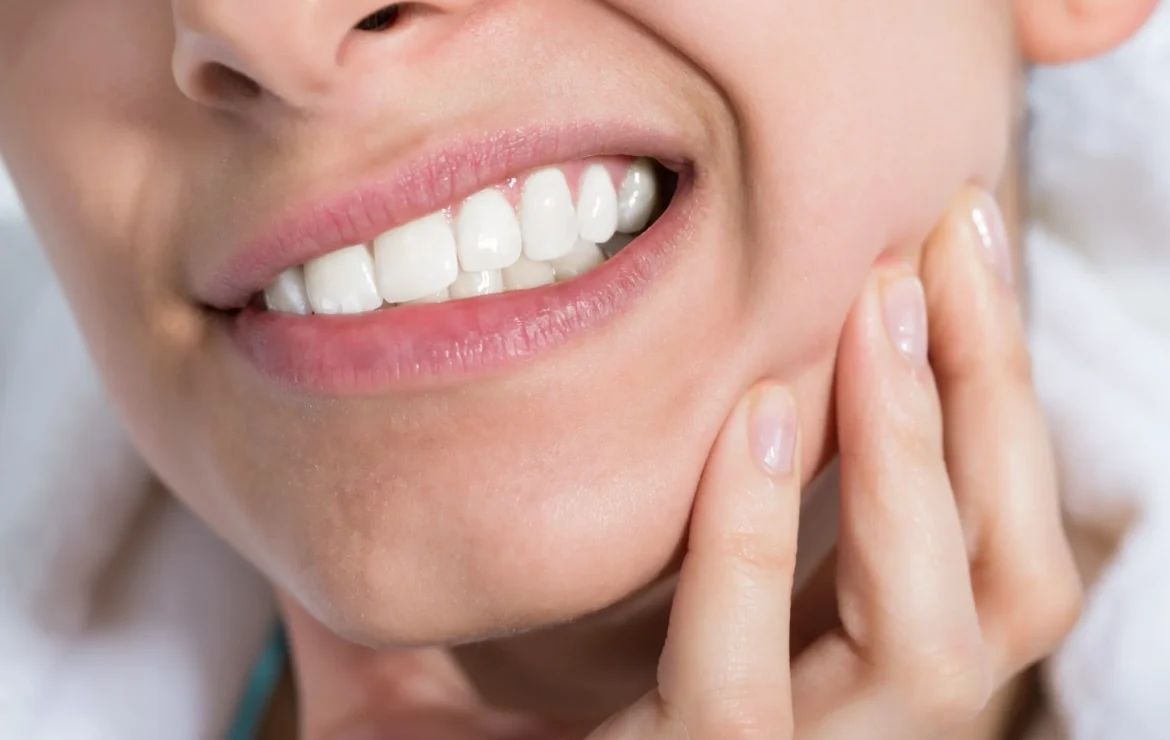
Can Grinding My Teeth Cause Chronic Headaches and Jaw Pain?

The Problem That Happens While You Are Asleep
Most people who grind their teeth do not know they are doing it. It happens at night, during sleep, without any conscious awareness — and the first signs are typically not in the mouth at all. They show up as a dull headache behind the eyes on waking, a jaw that aches by midmorning, a neck that feels stiff without reason, or an earache that no ENT investigation ever explains.
This is bruxism — the involuntary clenching and grinding of teeth — and it is significantly more common than most people realise. Estimates suggest that 8 to 10 percent of the adult population grinds their teeth during sleep, and a further proportion clench without the grinding movement during the day without noticing. The condition is frequently underdiagnosed because the patient is unconscious during the primary event, the symptoms are diffuse and easy to attribute to other causes, and the dental damage accumulates slowly enough that it is not always obvious until it is substantial.
This blog explains what bruxism is, why it causes headaches and jaw pain, what it does to teeth over time, how it is diagnosed, and what treatment options exist — including what a night guard does and does not do, and why managing the condition is worth taking seriously.
🔑 Key Takeaways
- Bruxism — involuntary teeth grinding and clenching — is a common cause of morning headaches, jaw pain, neck stiffness, and facial muscle soreness that many patients attribute to stress or tension without realising the source.
- The forces generated during grinding can exceed 100 kg per square centimetre — far beyond the forces produced during normal chewing — and this is applied to teeth, jaw joints, and muscles for hours at a time during sleep.
- Bruxism causes two categories of damage: muscular and joint symptoms (headaches, jaw pain, clicking, limited opening) and dental damage (worn enamel, cracked teeth, fractured restorations, sensitivity).
- A night guard — a custom-fitted occlusal splint — does not stop grinding, but it redirects and distributes the forces away from teeth and joints, protecting against progressive damage.
- Managing bruxism effectively usually requires both a dental component (protecting the teeth and joint) and a behavioural or medical component (addressing the underlying drivers of the grinding).
- Untreated bruxism leads to increasingly expensive dental consequences — from sensitivity and worn enamel through to cracked teeth requiring crowns, failed restorations, and joint damage.
What Bruxism Is — and What It Is Not
Bruxism refers to the parafunctional activity of grinding or clenching the teeth — parafunctional meaning it is not part of any normal oral function such as chewing or speaking. It occurs in two forms:
- Sleep bruxism: grinding or clenching during sleep, classified as a sleep movement disorder. The patient is unaware during the event and typically only learns of it from a partner who hears the grinding, or from a dentist who identifies the wear patterns on their teeth.
- Awake bruxism: clenching — usually without the grinding movement — during waking hours, often in response to concentration, stress, or anxiety. Many patients who clench while awake are unaware of the habit until it is pointed out or until they begin to notice jaw fatigue or headaches.
The two forms often coexist but are driven by somewhat different mechanisms. Sleep bruxism is associated with sleep architecture — it tends to cluster around arousals from deeper sleep stages and is linked to the body’s central nervous system activity during sleep. Awake bruxism is more directly tied to psychological and emotional state. Both produce similar consequences for teeth, jaw joints, and muscles, though sleep bruxism tends to generate greater forces because the conscious inhibitions that limit jaw muscle activity during waking are absent.
How Much Force Does Grinding Actually Generate?
This is where the clinical significance of bruxism becomes clear. Normal biting force during chewing is approximately 10 to 30 kg per square centimetre, varying by tooth position and food hardness. The masseter and temporalis muscles — the primary jaw closing muscles — are among the strongest muscles in the body relative to their size. During sleep bruxism, these muscles contract without the regulatory feedback that limits force during conscious chewing. The forces recorded during bruxism events can reach 80 to 120 kg per square centimetre — sustained for seconds to minutes at a time, across hundreds of events per night.
Applied across hours of sleep, across years of the condition, these forces produce consequences that are entirely predictable once the mechanism is understood: muscle fatigue and inflammation, joint loading and damage, and progressive destruction of tooth structure.
How Teeth Grinding Causes Headaches, Jaw Pain, and More
Muscle Fatigue and Tension Headaches
The most direct cause of bruxism headaches is sustained overactivation of the jaw muscles — primarily the masseter (the thick muscle at the angle of the jaw) and the temporalis (the fan-shaped muscle at the temple). When these muscles contract repeatedly and forcefully for hours during sleep, they accumulate lactic acid and inflammatory byproducts in the same way that any muscle does after prolonged exertion. The patient wakes up with muscles that are effectively fatigued and sore — except that this fatigue is concentrated in and around the skull.
The temporalis muscle is particularly significant for headache generation. It originates across a broad area of the temporal bone on the side of the skull and converges to insert on the coronoid process of the lower jaw. When it is chronically overloaded and tender, the referred pain pattern closely mimics a tension-type headache — a dull, bilateral ache across the forehead and temples that is worse on waking and often present first thing in the morning before any other stimulus could cause it. This is one of the most characteristic features of bruxism-related headache: it is worst in the morning, having accumulated during the night’s grinding activity.
Many patients with bruxism have been managing what they believe are tension headaches or migraines for years, treating them with pain relief and never identifying the source. The key clinical indicator is timing — headaches that are consistently worst on waking, or that develop in the jaw and radiate to the temples and behind the eyes, should always prompt assessment for bruxism.
TMJ — The Jaw Joint Under Load
The temporomandibular joint — the TMJ — is the hinge joint that connects the lower jaw to the skull, located just in front of the ear on each side. It is one of the most complex joints in the body, capable of both hinge and gliding movements, and it is under load during every bruxism event. The sustained, excessive loading of TMJ from grinding produces a recognisable range of symptoms:
- Jaw pain — an aching or soreness in and around the joint, often described as deep and diffuse rather than sharp
- Clicking or popping — sounds produced by displacement of the articular disc within the joint, a soft tissue cushion that can shift out of its normal position under excessive load
- Limited mouth opening — the jaw catching or locking, with reduced range of comfortable opening, particularly in the morning
- Earache without infection — the TMJ is immediately adjacent to the external ear canal, and joint inflammation commonly refers pain into the ear, leading to ENT referrals that reveal no pathology
- Facial pain — diffuse aching across the cheek and jaw that can be difficult to localise
The complex of symptoms arising from the jaw joint and the surrounding muscles is broadly described as temporomandibular disorder (TMD) — a term that covers dysfunction of the joint, the muscles of mastication, or both. Bruxism is one of the most significant contributing factors to TMD, though it is not the only one. TMD can also arise from bite discrepancies, joint arthritis, trauma, and postural factors independent of grinding.
Neck, Shoulder, and Ear Symptoms
The musculature of the jaw does not operate in isolation — it connects to the neck muscles, the muscles of the upper back and shoulders, and the structures of the outer ear. Chronic overactivation of the jaw muscles from bruxism frequently recruits adjacent muscle groups, leading to secondary stiffness and pain in the neck and upper shoulders. This is why many bruxism patients present initially not with jaw symptoms but with what feels like postural neck tension or chronic stiffness — particularly on the dominant clenching side.
The referred pain from the masseter and medial pterygoid muscles also follows patterns that include the ear, the angle of the jaw, and sometimes the lower teeth — which is why some patients report a persistent dull toothache in teeth that, on examination, are clinically healthy. The pain is muscular in origin, not dental.
Tooth Sensitivity From Enamel Wear
Over time, the grinding forces of bruxism wear away tooth enamel — the outer protective layer of the tooth. As enamel thins, the dentine beneath becomes more exposed. Dentine contains microscopic tubules that connect to the nerve of the tooth, and exposed dentine produces the characteristic sharp sensitivity to cold, sweet, and sometimes heat that many bruxism patients develop. This sensitivity is often attributed to other causes — whitening treatments, acidic foods, recession — without identifying the underlying grinding as the primary driver of the enamel loss. Sensitivity caused by bruxism-driven enamel wear will not resolve with desensitising toothpaste alone if the grinding continues unaddressed.
What Bruxism Does to Your Teeth Over Time
The dental consequences of untreated bruxism accumulate slowly and become increasingly expensive to manage. Understanding the progression helps patients appreciate why early intervention — before significant damage has occurred — is worthwhile.
| Stage | What Is Happening | Signs You May Notice | Dental Consequence |
| Early | Enamel surface wear on biting edges and cusps | Teeth look slightly flattened; mild sensitivity | Enamel loss is permanent — cannot regenerate |
| Moderate | Enamel worn through in areas; dentine exposed | Increased sensitivity to cold; teeth appear yellower (dentine is darker than enamel) | Dentine sensitivity; aesthetics affected |
| Advanced | Significant vertical height loss; multiple teeth affected | Teeth visibly shorter; bite feels different; jaw pain increases | Multiple restorations likely required — fillings, crowns |
| Severe | Near-complete enamel loss on multiple teeth; possible pulp exposure | Severe sensitivity; possible spontaneous pain; facial proportions altered | Full mouth rehabilitation — crowns, possible root canals |
| Any stage | Cracked or fractured teeth from sudden high-force events | Sharp pain on biting; tooth splitting | Emergency treatment — possible crown, root canal, or extraction |
The cracked tooth syndrome deserves specific mention. Bruxism is one of the leading causes of cracked teeth — fractures that run vertically through the tooth structure, often incompletely, producing a sharp or electric pain when biting in a specific direction. These cracks are difficult to detect on X-ray and require careful clinical examination to identify. Depending on depth, a cracked tooth may need a crown to hold the fragments together, a root canal if the crack has reached the pulp, or extraction if it has progressed to the root. Early identification of a crack — and protection of the tooth with a crown before it splits — is considerably less costly than the alternatives.
Existing dental fillings are also vulnerable. The repeated high forces of bruxism fracture composite and amalgam restorations at a significantly higher rate than normal function — patients with bruxism often find their fillings crack, chip, or debond more frequently than expected, without understanding why. This cycle of repeated restoration failure is one of the clinical patterns that prompts a dentist to assess a patient for bruxism even before they raise any musculoskeletal symptoms.
How Bruxism Is Diagnosed
Bruxism does not announce itself with a single obvious symptom — it presents as a collection of signs and symptoms that, taken together, point to the diagnosis. A clinician assessing for bruxism will typically look for and ask about:
Clinical Signs on the Teeth
- Wear facets: flat, polished areas on the biting surfaces and edges of teeth that are inconsistent with normal wear from chewing — typically most visible on the front teeth edges and the cusps of back teeth
- Scalloped tongue margins: the lateral edges of the tongue showing indentation marks from being pressed against the inner surfaces of the teeth during clenching
- Linea alba: a white horizontal line along the inner cheek mucosa at the level of the biting plane — a common finding in clenchers
- Tooth sensitivity: particularly to cold, in teeth that have no visible decay or other obvious cause
- Repeated restoration failure: fillings fracturing, crowns decementation, or cracked cusps without mechanical cause
Muscular and Joint Signs
- Masseter hypertrophy: enlargement of the masseter muscle at the angle of the jaw, visible as a squaring of the lower face — common in long-term heavy grinders
- Muscle tenderness on palpation: pressing on the masseter, temporalis, or pterygoid muscles reproduces the patient’s jaw pain or headache
- Reduced mouth opening: measured in millimetres; normal comfortable opening is approximately 40 to 55 mm — significantly reduced opening suggests TMJ or muscular involvement
- Joint sounds: clicking, popping, or crepitus (a grating sound) on opening and closing, indicating disc displacement or joint surface irregularity
Patient History
The patient history is as important as the clinical examination. Key questions include the timing and character of headaches (worst on waking?), jaw fatigue, ear symptoms, neck and shoulder stiffness, sleep quality, stress levels, and whether a partner has ever commented on sounds during sleep. Many patients have sought neurological or ENT assessment for their headaches or earaches without bruxism ever being considered — the dental consultation is sometimes the first time the connection is made.
✅ Quick Tip: Signs You May Be Grinding Your Teeth
- You wake up with a dull headache across the temples or forehead that improves through the morning.
- Your jaw feels tired, sore, or stiff first thing in the morning.
- You notice your teeth feel sensitive to cold, particularly first thing in the morning.
- Your partner has mentioned hearing grinding sounds during your sleep.
- Your fillings or dental restorations chip or fracture more often than your dentist would expect.
- You catch yourself clenching your jaw during the day — while driving, concentrating, or under stress.
- Your lower face looks slightly square or has become more angular over recent years — masseter hypertrophy from chronic overuse.
Treatment: What Actually Helps — and What Does Not
Bruxism management involves two parallel aims: protecting the teeth and jaw joint from ongoing damage, and addressing the underlying factors that drive the grinding. Neither aim alone is sufficient for effective long-term management.
Occlusal Splints — Night Guards
A custom-fitted occlusal splint — commonly called a night guard — is the primary dental management tool for sleep bruxism. It is a hard acrylic appliance, made from a precise impression or digital scan of the patient’s teeth, that fits over one arch (usually the upper) and provides a smooth, even surface for the opposing teeth to contact during grinding events.
It is important to understand what a night guard does and does not do. It does not stop grinding — the neurological drive to grind continues. What it does is redistribute the grinding forces more evenly across all teeth rather than concentrating them on specific contacts, provide a sacrificial wear surface (the acrylic rather than enamel), reduce the direct loading on the TMJ by slightly opening the bite and changing the muscle activation pattern, and protect existing restorations from the fracture forces that bruxism generates.
A custom-fitted splint from a dental clinic is significantly more effective than over-the-counter boil-and-bite guards available at pharmacies. The precise fit of a custom splint means it does not displace during sleep, distributes forces correctly across the arch, and does not disrupt the bite in ways that can worsen symptoms. A poorly fitting guard can actually increase muscle activity — the opposite of the intended effect. At Nova Dental Hospital, occlusal splints are fabricated from clinical impressions and adjusted at a follow-up appointment to ensure even, balanced contact across the appliance. Patients considering this treatment are welcome to book a general dentistry consultation to begin the assessment.
Addressing Stress and Psychological Drivers
Bruxism — particularly sleep bruxism — has a well-established association with psychological stress, anxiety, and certain personality profiles. This does not mean it is purely psychological, but it does mean that addressing stress is a relevant and effective component of management for many patients.
Cognitive behavioural therapy (CBT) has the best evidence base for reducing bruxism-related muscle activity. Stress management techniques — regular exercise, sleep hygiene improvements, relaxation practices, reducing caffeine and alcohol intake — reduce the arousal states that trigger grinding events. For patients whose bruxism is clearly stress-driven, addressing the psychological component produces outcomes that a night guard alone cannot achieve.
Physiotherapy and Jaw Exercises
For patients with established TMD — jaw joint dysfunction and muscular pain alongside the bruxism — physiotherapy targeting the jaw, neck, and upper back musculature is an effective component of management. Specific jaw stretching and strengthening exercises, combined with manual therapy for associated neck muscle tightness, reduce pain levels and improve range of motion. This is particularly relevant for patients who have progressed to limited mouth opening or chronic neck-jaw pain as part of their symptom complex.
Botulinum Toxin (Botox) Injections
Botulinum toxin injected into the masseter muscle reduces the force of jaw clenching by partially inhibiting the muscle’s contraction. It does not eliminate grinding but significantly reduces the force generated during bruxism events, which reduces the load on teeth and joints and often provides meaningful relief from headaches and jaw pain. The effect lasts approximately four to six months, after which the injection needs to be repeated. It is typically used in patients with severe bruxism and significant masseter hypertrophy, or in patients who cannot tolerate a night guard adequately. It is not a first-line treatment — it is an adjunct for specific cases, used alongside rather than instead of other management approaches.
Medications
There is no medication proven to reliably stop bruxism. Short-term use of muscle relaxants can reduce grinding activity during high-stress periods and is occasionally used as a temporary measure. Antidepressants — particularly SSRIs — are known to worsen bruxism in some patients and should be reviewed as a potential contributing factor in patients whose grinding onset coincides with starting such medication. Magnesium supplementation has some evidence for reducing sleep bruxism, though the effect size is modest. Sleep assessment and management is worth pursuing in patients with significant sleep bruxism — addressing sleep disorders such as obstructive sleep apnoea can reduce associated bruxism in some patients.
Repairing Dental Damage
If bruxism has already caused significant tooth wear, cracked teeth, or failed restorations, the damage needs to be addressed alongside the protective measures. The appropriate restorative approach depends on the extent of the wear. Early-stage enamel wear may require no immediate restoration but careful monitoring. Moderate wear affecting multiple teeth may be addressed with composite resin restorations to restore tooth height. Severe wear affecting many teeth may require a comprehensive restorative plan involving crowns across multiple teeth to restore the bite to a stable and functional position.
Any restorative treatment for bruxism-related damage must be undertaken alongside ongoing bruxism protection — restoring worn teeth without protecting them from further grinding is an investment that will be progressively undone.
| Treatment | What It Does | Suitable For | Limitations |
| Custom night guard / occlusal splint | Protects teeth and reduces joint load during sleep | Most bruxism patients — first-line treatment | Does not stop grinding; requires consistent wear |
| Stress management / CBT | Reduces the psychological arousal that drives grinding | Patients with clear stress association | Requires commitment; not a quick fix |
| Physiotherapy | Reduces muscle pain and improves jaw and neck mobility | Patients with established TMD and neck involvement | Addresses symptoms more than cause |
| Botulinum toxin injection | Reduces masseter force; relieves pain | Severe cases; masseter hypertrophy; night guard intolerance | Temporary (4–6 months); not first-line |
| Medications | Short-term muscle relaxation; reviewing contributing drugs | High-stress periods; medication review | No drug reliably stops bruxism long-term |
| Restorative dental treatment | Repairs damage already done | Patients with significant wear or cracked teeth | Must be combined with protection to prevent recurrence |
When to Seek a Clinical Assessment
There is a pattern of symptoms that, taken together, is highly suggestive of bruxism and warrants a dental assessment rather than continued symptom management:
- Morning headaches — particularly temple or forehead pain that is worst immediately on waking and improves through the morning
- Jaw soreness or fatigue on waking, or difficulty fully opening the mouth first thing
- Earache without any identified cause after ENT assessment
- Neck and upper shoulder stiffness with no clear postural or injury explanation
- Teeth that are becoming visibly shorter or flatter over time
- Increasing tooth sensitivity to cold without apparent cause
- Fillings, crowns, or other restorations fracturing more frequently than expected
- A partner reporting grinding sounds during sleep
None of these symptoms individually confirm bruxism — they all have other possible explanations. But their combination, particularly when several are present simultaneously and the headaches are consistently worst on waking, is strongly suggestive. A clinical assessment at Nova Dental Hospital can examine the teeth for wear patterns, assess the jaw muscles and joint, and give you a clear picture of whether bruxism is involved and what the appropriate management approach is.
✅ Quick Tip: Immediate Self-Care While Awaiting Assessment
- Be conscious of your jaw position during the day — teeth should not be touching when you are not eating or speaking. The resting position is lips together, teeth slightly apart. If you notice yourself clenching, consciously release the jaw.
- Avoid chewing gum — it keeps the jaw muscles in a sustained low-level contraction throughout the day, adding to the load from overnight grinding.
- Apply warm compresses to the jaw muscles for 10 to 15 minutes in the morning if you wake with jaw pain — this reduces muscle soreness and helps with opening.
- Reduce caffeine and alcohol, particularly in the evening — both are associated with increased sleep arousal and more frequent bruxism events during the night.
- Avoid very hard or chewy foods during periods of acute jaw pain — the jaw muscles and joint benefit from reduced mechanical demand while inflamed.
Frequently Asked Questions
FAQ 1: Can children grind their teeth, and is it a problem?
Yes — bruxism is actually more common in children than in adults, estimated to affect 14 to 20 percent of children, and it tends to reduce as the permanent dentition establishes and the occlusion stabilises. In most children, sleep bruxism is considered developmental and does not require treatment beyond monitoring. The baby teeth have significantly more enamel bulk relative to their size than adult teeth, and some wear is normal as the deciduous dentition is shed anyway. However, if a child is waking with jaw pain, headaches, or showing signs of significant wear on permanent teeth (which begin erupting from around age six), a dental assessment is warranted. Night guards are not routinely recommended for children due to jaw growth.
FAQ 2: I only clench my teeth — I do not grind. Does that still cause damage?
Yes. Clenching — sustained isometric contraction of the jaw muscles without the grinding movement — produces the same muscular fatigue and headache pattern as grinding and can generate equal or greater forces. The tooth wear pattern is different: clenching tends to produce more compression-type damage and cracking rather than the flat polished facets of grinding, but the cumulative effect on enamel, restorations, and the TMJ is comparable. Awake clenching, in particular, is often more sustained than sleep grinding events because the pauses that occur during sleep are absent. If you notice yourself clenching during the day — at your desk, while driving, during stressful situations — the jaw muscle overload is real and the management approach is essentially the same.
FAQ 3: Will a night guard fix my headaches?
A well-fitted night guard typically reduces the severity and frequency of bruxism-related headaches for most patients — often significantly. However, it is not a guaranteed complete cure, for two reasons. First, the night guard does not stop the underlying grinding activity — it reduces the forces that reach the teeth and joint, which reduces the primary source of muscle fatigue and joint loading, but some residual muscle overactivation continues. Second, if stress and anxiety are significant drivers of the grinding, addressing them alongside the night guard produces better outcomes than the guard alone. Most patients who wear a properly fitted occlusal splint consistently report meaningful improvement in morning headaches within the first few weeks of use. Booking a consultation at Nova Dental Hospital is the right starting point for an assessment and splint fabrication.
FAQ 4: How long does a night guard last, and does it need replacing?
A custom hard acrylic night guard used consistently typically lasts two to five years, depending on the severity of the bruxism. The guard itself wears down over time — the acrylic is sacrificial, wearing instead of the enamel, which is the intention. When the guard shows significant wear through its surface, has cracked, or no longer fits correctly due to changes in the dentition (particularly after restorative treatment), it needs to be replaced. Regular dental check-ups include assessment of the guard’s condition and fit. A worn-through guard that is not replaced provides progressively less protection and should be replaced proactively rather than waiting for it to fail completely.
FAQ 5: Can stress alone cause jaw pain and headaches without grinding?
Yes. Psychological stress activates the jaw muscles — even without a grinding or clenching habit, chronic stress raises the baseline tension in the masseter and temporalis muscles, producing the same pattern of fatigue and referred pain. Awake bruxism, in particular, can be so mild and habitual that the patient does not identify it as clenching — they simply notice the accumulated jaw and head pain. The distinction between stress-driven muscle tension and active bruxism is not always clinically clear-cut, and the management overlaps substantially: stress management, awareness of jaw position, and in some cases a splint for the structural protection it provides. A clinical assessment can determine the relative contribution of each factor and guide the appropriate management approach. Patients who have been assessed and treated at Nova Dental Hospital are welcome to share their experience on our Google Business Profile.
🔑 Key Takeaways
- Bruxism is a common, underdiagnosed cause of morning headaches, jaw pain, ear symptoms, and neck stiffness — symptoms that many patients manage for years without identifying the source.
- The forces generated during sleep grinding far exceed normal chewing forces and are applied for hours at a time, causing cumulative damage to teeth, muscles, and the jaw joint.
- A custom-fitted night guard protects teeth and reduces joint loading — it is the primary dental tool for managing bruxism, but it does not stop the grinding itself.
- Stress management, physiotherapy, and in severe cases botulinum toxin injections are important adjuncts to the night guard for comprehensive management.
- Bruxism-related dental damage — wear, cracks, and repeated restoration failures — becomes progressively more expensive to repair. Early identification and protection avoids the most costly consequences.
- A clinical assessment that identifies wear patterns, assesses muscle and joint signs, and takes a full history is the starting point for any effective management plan.
Conclusion: If Your Mornings Start With a Headache, Look at What Your Jaw Is Doing at Night
Chronic morning headaches, a sore jaw, an earache that no specialist can explain, and teeth that keep chipping for no obvious reason — these are not unrelated problems. In many patients, they are the same problem, and it is happening while they sleep.
Bruxism is one of those conditions that is easy to miss precisely because the primary event — the grinding — is invisible. The evidence accumulates slowly on the tooth surfaces, in the jaw muscles, and in the joint, and the symptoms are easy to attribute to stress, posture, or bad luck. Making the connection between bruxism headaches, jaw pain, and the pattern of dental wear is the step that most patients find genuinely clarifying — because suddenly, multiple unexplained symptoms have a single, identifiable explanation.
At Nova Dental Hospital in Gandhinagar, bruxism assessment is part of every routine dental check-up — wear patterns are examined, muscles are assessed, and patients are told clearly if the signs are there. If you have been waking with headaches or jaw pain and have never had a dental explanation for it, the assessment is the logical first step.

Related posts
Write a Comment
Recent Posts

Can Grinding My Teeth Cause Chronic Headaches and Jaw Pain?


Is It Normal for My Gums to Bleed Every Time I Floss?

