


Can I Eat Normally After Getting a Dental Filling? Foods to Avoid & Recovery Tips
Can I Eat Normally After Getting a Dental Filling? Foods to Avoid & Recovery Tips

Walking out of the dental clinic after getting a filling, one of the first questions that crosses your mind is probably about food. Can you grab lunch immediately, or do you need to wait? What foods are safe, and which ones might damage your new filling? These practical concerns matter because nobody wants to compromise their dental work or experience unnecessary discomfort after treatment.
The answer depends on several factors including the type of filling material used, the location of the filling in your mouth, and whether anesthesia was administered during the procedure. Modern dental fillings have evolved significantly, with materials that set quickly and allow you to resume normal activities sooner than older filling types. However, following proper dental filling aftercare guidelines ensures your filling lasts as long as possible and your tooth heals without complications.
Understanding what happens to your tooth immediately after a filling and knowing which precautions to take helps you navigate the recovery period confidently. This guide explains everything you need to know about eating after dental fillings, from immediate post-treatment restrictions to long-term tooth filling care that protects your investment in oral health.
Understanding Different Filling Types and Their Setting Times
The type of filling material your dentist uses at a dental clinic near me significantly affects when you can eat normally. Modern dentistry offers several filling options, each with different characteristics that influence dental filling recovery.
Composite resin fillings, the most popular choice for visible teeth, are tooth-colored materials that bond directly to tooth structure. These fillings harden immediately when exposed to a special curing light during the procedure. The material reaches full hardness within seconds, meaning the filling itself is technically ready for use right away. However, other factors still influence when you should eat, particularly if your dentist used local anesthesia during the procedure.
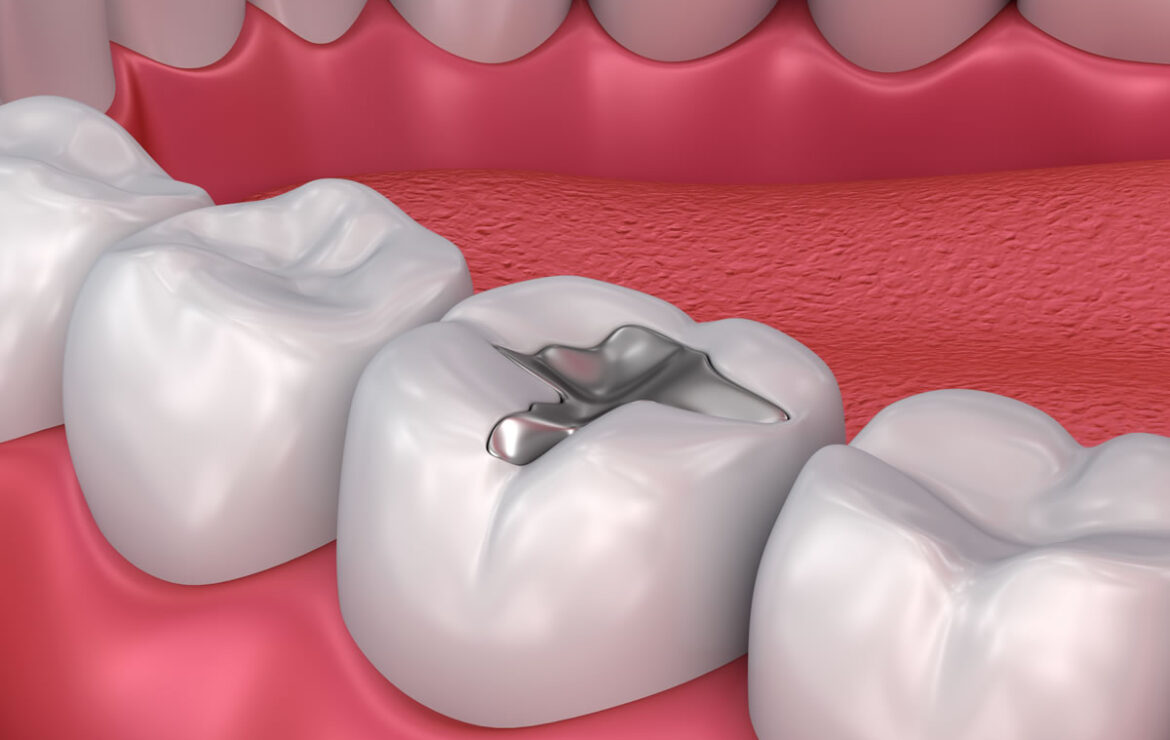
Amalgam fillings, silver-colored restorations containing mercury mixed with other metals, require longer setting time. These fillings take several hours to reach full hardness, though they achieve initial set within minutes. Dentists typically recommend waiting at least two to three hours before eating on the side with a new amalgam filling, and avoiding hard or sticky foods for twenty-four hours to ensure complete hardening.
Glass ionomer fillings, often used for fillings near the gum line or in baby teeth, release fluoride and bond chemically to tooth structure. These fillings set relatively quickly but remain vulnerable to moisture contamination during the first hour after placement. Your dentist will likely advise waiting at least one hour before eating or drinking anything other than water.
Ceramic fillings, though less common for routine cavities, offer excellent durability and aesthetics. These fillings are typically created in a dental laboratory and cemented in place during a second appointment. Once cemented, ceramic fillings are immediately ready for normal function, though anesthesia considerations still apply.
The location of your filling also influences eating recommendations. Fillings on chewing surfaces of back teeth face more force during eating than those on front teeth or between teeth. Your dentist at a dentist Gandhinagar practice will provide specific guidance based on your filling’s location and size.
When Can You Eat After Getting a Filling?
The timing for resuming normal eating depends primarily on whether your dentist used local anesthesia during the filling procedure. This consideration often matters more than the filling material itself in determining when you can safely eat.
If your filling procedure involved local anesthesia, your mouth, lips, tongue, and possibly cheek will remain numb for two to four hours after leaving the dental clinic. During this numbness period, eating poses several risks. You might accidentally bite your cheek, tongue, or lip without feeling pain, causing injury that becomes apparent only after sensation returns. Hot foods or beverages could burn your mouth tissues without your awareness. These risks make waiting until full sensation returns the safest approach.
For small fillings completed without anesthesia, you can typically eat immediately after leaving the dental office. The filling material has already hardened, and you have full sensation in your mouth to avoid accidental injuries. However, starting with soft foods and gradually progressing to your normal diet remains wise, especially if the filled tooth felt sensitive during the procedure.
Children receiving fillings require special consideration regarding eating timing. Young patients often struggle to understand the temporary numbness and may bite their lips or cheeks without realizing it. Parents should supervise carefully and restrict eating until numbness completely wears off. Offering cold, soft foods like yogurt or ice cream once sensation returns helps children ease back into eating while being gentle on the newly filled tooth.
Patients in Gandhinagar areas like PDPU and Gift City who receive composite filling precautions instructions should follow them carefully. Even though composite fillings harden immediately under the curing light, your dentist might recommend specific precautions based on the filling’s size, location, or your individual circumstances.
The type of anesthesia used also affects recovery timing. Local anesthesia injected near the treatment site typically wears off within two to four hours. Some dentists use longer-lasting anesthetics for more extensive procedures, extending numbness up to six hours. Ask your dentist how long to expect numbness so you can plan meals accordingly.
Foods to Avoid Immediately After Getting a Filling
Once numbness wears off and you’re ready to eat, choosing appropriate foods protects your new filling and minimizes discomfort during the initial dental filling recovery period. Certain foods pose risks to newly filled teeth and should be avoided for at least the first twenty-four to forty-eight hours.
Hard foods create excessive pressure on filled teeth that might not have fully adjusted to their new restoration. Avoid foods like hard candies, ice, nuts, popcorn kernels, hard pretzels, and raw carrots. These foods can crack fillings, especially larger ones, or cause discomfort in teeth that remain slightly sensitive after the procedure. The risk applies particularly to amalgam fillings that need time to reach full hardness.
Sticky and chewy foods can pull on fillings before they’re fully set or bonded. Avoid caramels, taffy, gummy candies, chewing gum, dried fruits, and sticky rice. These foods can dislodge new fillings, particularly those in between teeth or on chewing surfaces. Even with fully hardened composite fillings, sticky foods create pulling forces that might compromise the bond between filling and tooth during the first day.
Very hot foods and beverages increase sensitivity in recently filled teeth. The dental work temporarily irritates the tooth’s nerve, making it more reactive to temperature extremes. Avoid hot coffee, tea, soup, or foods fresh from the oven for the first day. Let items cool to a comfortable temperature before consuming them. This precaution applies especially if you experienced sensitivity during the filling procedure.
Very cold foods can also trigger discomfort in newly filled teeth. While cold sensitivity typically resolves within a few days, avoiding ice-cold beverages, ice cream eaten too quickly, and frozen treats during the first twenty-four hours prevents unnecessary pain. If you do consume cold items, let them warm slightly in your mouth before bringing them near the filled tooth.
Acidic foods and beverages can irritate exposed tooth structure around new fillings. Limit citrus fruits, tomato-based products, vinegar-containing foods, and acidic drinks like soda or sports drinks for the first day or two. Acidity can increase sensitivity and potentially compromise the seal between filling and tooth, especially with glass ionomer fillings that remain vulnerable to acid attack during their initial setting period.
Crunchy foods that require significant chewing force should be approached cautiously. Items like chips, crusty bread, tough meats, and crunchy vegetables can stress newly filled teeth. If you choose to eat these foods during the first few days, chew slowly and carefully, preferably on the opposite side of your mouth from the new filling.
Best Foods to Eat After a Dental Filling
Choosing gentle, nutritious foods during the first day or two after receiving a filling promotes comfortable dental filling recovery while ensuring you maintain adequate nutrition. Focus on soft, easy-to-chew options that don’t require aggressive biting or chewing.
Soft proteins provide essential nutrition without stressing your filled tooth. Eggs prepared any style except hard-boiled work excellently. Tender fish, tofu, soft-cooked beans, and ground meat in mild sauces all offer protein without requiring forceful chewing. Smooth nut butters spread on soft bread provide protein and healthy fats while being gentle on teeth.
Cooked vegetables soften through steaming, roasting, or boiling become tooth-friendly options. Mashed potatoes, sweet potatoes, cooked carrots, steamed broccoli, and soft-cooked greens provide vitamins and minerals without the crunch of raw vegetables. Vegetable soups offer nutrition in an especially gentle format, though remember to let hot soup cool to a comfortable temperature.
Dairy products typically sit well with newly filled teeth. Yogurt, cottage cheese, soft cheeses, and milk provide calcium important for tooth health. These cool or room-temperature foods won’t trigger sensitivity and require minimal chewing. Greek yogurt offers extra protein while being tooth-friendly.
Soft fruits avoid the hardness of raw apples or the acidity of citrus. Bananas, soft berries, melon, and canned fruits in light syrup all work well. Applesauce and smoothies made with non-acidic fruits provide nutrients in very gentle forms. Avoid adding ice to smoothies initially if you’re experiencing cold sensitivity.
Cooked grains and pasta offer filling, soft carbohydrates. Well-cooked rice, pasta with smooth sauces, oatmeal, cream of wheat, and soft bread products all digest easily and chew comfortably. Avoid crusty breads or hard bagels during the first day or two.
Room-temperature or slightly warm soups provide complete meals in tooth-friendly form. Cream soups, well-cooked chicken noodle soup, or pureed vegetable soups offer nutrition and comfort. Avoid very hot temperatures and extremely spicy versions that might increase sensitivity.
Patients receiving tooth filling care guidance at dental clinics in Gandhinagar near PDPU often ask about specific cultural foods. Soft khichdi, well-cooked dal, idli, soft dosa, and other gentle traditional foods work perfectly during dental filling recovery. The key is ensuring foods are soft, not too hot, and don’t require forceful chewing.
Managing Sensitivity After a Filling
Some degree of sensitivity after receiving a filling is completely normal and typically resolves within a few days to a couple of weeks. Understanding why sensitivity occurs and how to manage it helps you navigate this temporary discomfort during dental filling aftercare.
Dental fillings require removing decayed tooth structure and sometimes healthy tooth material to access the cavity. This process temporarily irritates the tooth’s nerve, which sits in the center of the tooth surrounded by sensitive dentin. The nerve becomes reactive to temperature changes, pressure, and sweet foods until it settles down and adjusts to the new filling.
Temperature sensitivity often manifests as sharp, brief pain when consuming hot or cold items. This sensitivity should gradually decrease over several days. If it persists beyond two weeks or intensifies rather than improving, contact your dentist at a dental clinic near me for evaluation. Persistent sensitivity might indicate the filling sits too high, the cavity was deeper than initially apparent, or the tooth requires additional treatment.
Pressure sensitivity when biting down can occur if the filling sits slightly higher than surrounding tooth structure. Your bite should feel normal and balanced after a filling. If you notice one tooth hitting before others when you close your mouth, or if you experience pain when chewing on the filled tooth, schedule an adjustment appointment. Dentists can easily adjust filling height by carefully removing tiny amounts of material until your bite feels comfortable.
Using desensitizing toothpaste helps manage post-filling sensitivity. These toothpastes contain compounds that block sensation transmission from tooth surface to nerve. Apply desensitizing toothpaste to the sensitive area with your finger and leave it in place for a few minutes before rinsing. Using this toothpaste twice daily typically reduces sensitivity within a few days.
Avoiding extreme temperatures during the sensitive period prevents unnecessary discomfort. Let hot beverages cool slightly and allow cold items to warm a bit in your mouth before bringing them near the filled tooth. This simple adjustment makes eating more comfortable while your tooth adjusts to its restoration.
Over-the-counter pain relievers help manage dental filling pain if sensitivity becomes bothersome. Ibuprofen or acetaminophen taken as directed can reduce inflammation and discomfort. However, if you need pain medication beyond the first day or two, contact your dentist to ensure no complications have developed.
Some sensitivity to sweet foods occurs because sugar can penetrate microscopic gaps between filling and tooth, reaching sensitive dentin. This sensitivity usually resolves as the tooth-filling bond fully stabilizes. Limiting very sweet foods during the first few days after treatment helps avoid triggering this discomfort.
Long-Term Care for Your Dental Filling
Once the initial dental filling recovery period passes, maintaining your filling through proper oral hygiene and smart habits ensures it lasts for many years. Composite fillings typically last five to ten years, while amalgam fillings often last ten to fifteen years with appropriate tooth filling care.
Brush your filled tooth just as carefully as natural teeth, using a soft-bristled toothbrush and fluoride toothpaste. The junction where filling meets natural tooth remains vulnerable to new decay if bacteria accumulate there. Brush at least twice daily using gentle circular motions, paying special attention to all surfaces of filled teeth.
Floss daily around filled teeth to remove plaque and food particles that brushing alone cannot reach. Fillings between teeth especially need thorough flossing to prevent decay forming at the filling margins. Slide floss gently between teeth rather than snapping it forcefully, which could damage filling edges.
Avoid using your teeth as tools. Opening packages, biting thread, cracking nuts, or holding objects with your teeth creates excessive force that can crack fillings or natural tooth structure. These habits pose particular risk to larger fillings that have replaced significant tooth structure.
Minimize consumption of sugary and acidic foods that promote decay around filling margins. While you don’t need to eliminate these foods entirely, limiting frequency and rinsing with water after consuming them helps protect both fillings and natural teeth. The bacteria causing cavities can create decay at the junction between filling and tooth if given ample sugar to feed on.
Address teeth grinding through a custom night guard if you clench or grind during sleep. This habit, called bruxism, creates enormous pressure on teeth and fillings, potentially causing fractures or premature filling failure. Many patients grind unconsciously during sleep, unaware of the damage occurring. Signs of grinding include morning jaw soreness, headaches, or worn teeth. Your dentist Gandhinagar can evaluate for grinding and provide a protective guard.
Schedule regular dental check-ups every six months for professional cleaning and examination. During these visits, your dentist checks filling integrity, looking for cracks, gaps, or signs of decay around filling margins. Catching small problems early prevents them from becoming larger, more expensive issues requiring crown coverage or root canal treatment.
Patients throughout Gandhinagar, including those near PDPU and Gift City, benefit from establishing long-term relationships with dental providers who track filling condition over time. Consistent care with the same dental team allows for better monitoring and early intervention when needed.
When to Contact Your Dentist After a Filling
While most dental filling recovery proceeds smoothly, certain symptoms warrant prompt professional attention. Recognizing warning signs helps you address problems before they worsen.
Severe pain that doesn’t improve with over-the-counter medication or that intensifies after the first day requires evaluation. While mild sensitivity is normal, sharp, throbbing, or persistent pain suggests possible complications. The tooth might have deeper decay than initially apparent, or the filling might be irritating the nerve excessively.
A filling that feels too high when you bite down needs adjustment. If you notice one tooth hitting before others when you close your mouth, or if you develop headaches, jaw soreness, or pain when chewing after getting a filling, contact your dentist. Bite adjustments take only a few minutes and immediately relieve discomfort.
A rough or sharp edge on your filling can irritate your tongue or cheek. While minor roughness that doesn’t cause discomfort often smooths naturally over time, sharp edges that cut soft tissue need professional smoothing. Your dentist can polish the filling to eliminate sharp areas.
A lost or loose filling constitutes a dental emergency requiring prompt attention. If your filling falls out or feels loose when you touch it with your tongue, the underlying tooth is exposed to bacteria and vulnerable to further decay. Temporary dental cement available at pharmacies can protect the tooth until you reach your dentist, but professional treatment shouldn’t be delayed.
Persistent sensitivity lasting beyond two weeks might indicate the filling requires adjustment or the tooth needs additional treatment. While some teeth remain sensitive longer than others, worsening sensitivity or sensitivity that doesn’t gradually improve should be evaluated.
Swelling, fever, or pus around the filled tooth suggests infection requiring immediate attention. These symptoms indicate bacteria have reached the tooth’s nerve chamber, necessitating root canal treatment or extraction if left untreated. Contact your dentist or seek emergency dental care if you develop these symptoms.
Difficulty opening your mouth, severe swelling of your face or jaw, or high fever after dental treatment could indicate a serious infection or allergic reaction requiring immediate medical attention. While rare, these complications need urgent care.
Your dental clinic in Gandhinagar should provide clear instructions about when to call after your filling procedure and emergency contact information if problems develop outside regular office hours. Don’t hesitate to contact your dentist with concerns, even if you’re unsure whether they’re serious. Dental professionals prefer addressing small issues promptly rather than treating major problems that develop from delayed care.
Special Considerations for Different Patient Groups
Certain patients need additional guidance regarding dental filling aftercare based on age, health status, or specific circumstances.
Children require careful supervision after receiving fillings. Young patients often struggle to understand numbness and might bite their lips, cheeks, or tongue without feeling pain. Keep children from eating until numbness completely wears off, and start with very soft foods even after sensation returns. Distraction with activities or cold treats like popsicles can help children cope with mild discomfort while keeping them from irritating the filled tooth.
Elderly patients might experience prolonged numbness or have difficulty with temperature perception after dental work. Caregivers should ensure seniors don’t consume hot foods that could cause burns while numbness persists. Softer foods might be appropriate for longer periods in elderly patients with reduced chewing ability or other dental concerns.
Patients with diabetes need to maintain stable blood sugar levels around dental appointments. If numbness prevents normal eating for several hours, plan accordingly by eating before the appointment or having appropriate snacks available that don’t require chewing. Monitor blood sugar carefully and adjust medication timing in consultation with your physician if needed.
Pregnant women can safely receive dental fillings, though composite fillings are typically preferred over amalgam during pregnancy. Morning sickness might make the numbness period more challenging, so scheduling appointments later in the day when nausea is less likely helps. Soft, bland foods often sit better with pregnancy-related nausea.
Patients with special needs might require modified instructions based on their specific circumstances. Caregivers should discuss the patient’s individual needs with the dental team to develop appropriate aftercare plans. Some patients might need longer periods on soft diets or additional supervision to ensure proper healing.
Preventing Future Cavities and Fillings
While proper dental filling aftercare ensures your current restoration lasts, preventing new cavities means fewer fillings needed in the future. Simple daily habits significantly reduce cavity risk.
Brush twice daily with fluoride toothpaste, spending at least two minutes on thorough cleaning. Electric toothbrushes with timers help ensure adequate brushing time. Replace your toothbrush or brush head every three to four months, or sooner if bristles become frayed.
Floss daily to remove plaque and food particles from between teeth where toothbrush bristles cannot reach. Most cavities between teeth develop because of inadequate flossing. If traditional floss feels difficult, try floss picks, water flossers, or interdental brushes to find a method you’ll use consistently.
Limit sugary and acidic foods and beverages. When you do consume them, rinse your mouth with water afterward and wait at least thirty minutes before brushing to avoid spreading acid across tooth surfaces. Drinking sugary or acidic beverages through a straw reduces direct tooth contact.
Visit your dentist every six months for professional cleaning and examination. These visits allow early detection of cavities when they’re small and easy to treat. Professional fluoride treatments during these visits strengthen tooth enamel and increase cavity resistance.
Consider dental sealants for cavity-prone teeth, particularly molars with deep grooves that trap food and bacteria. Sealants create a smooth protective barrier over vulnerable tooth surfaces, significantly reducing cavity risk. Both children and adults can benefit from sealants.
Drink fluoridated water and use fluoride toothpaste to strengthen tooth enamel. Fluoride makes teeth more resistant to acid attacks from bacteria. If your water supply lacks fluoride, ask your dentist about fluoride supplements or additional fluoride treatments.
Chew sugar-free gum containing xylitol after meals when you cannot brush. Chewing stimulates saliva production, which neutralizes acid and washes away food particles. Xylitol specifically inhibits cavity-causing bacteria growth.
Frequently Asked Questions
How long after getting a filling can I eat solid foods?
You can typically eat solid foods once the numbness from local anesthesia completely wears off, usually within two to four hours. Start with soft solids like scrambled eggs, pasta, or soft bread before progressing to harder foods. If your filling was completed without anesthesia, you can eat immediately, though starting with softer options remains advisable. For amalgam fillings, wait at least two to three hours and avoid very hard or sticky foods for the first twenty-four hours. Always follow the specific dental filling aftercare instructions your dentist provides, as recommendations vary based on filling type, size, and location.
Why does my filled tooth hurt when I eat or drink cold things?
Temperature sensitivity after a filling occurs because the procedure temporarily irritates the tooth’s nerve. Removing decay and preparing the tooth exposes sensitive dentin and stimulates the nerve. This dental filling pain typically decreases gradually over several days to two weeks. Using desensitizing toothpaste, avoiding extreme temperatures, and giving your tooth time to adjust usually resolves the problem. If sensitivity persists beyond two weeks, worsens instead of improving, or becomes severe, contact your dentist in Gandhinagar for evaluation. Prolonged sensitivity might indicate the filling requires adjustment or the tooth needs additional treatment.
Can I drink coffee or tea immediately after getting a dental filling?
Wait until numbness completely wears off before drinking hot beverages like coffee or tea. While numb, you cannot accurately judge temperature and might burn your mouth tissues without realizing it. Once sensation returns, you can drink coffee or tea, though letting them cool to a comfortable warm temperature rather than very hot is advisable, especially during the first day when sensitivity is most common. If your filled tooth feels sensitive, lukewarm beverages cause less discomfort than very hot or very cold drinks during the initial dental filling recovery period.
What should I do if my filling feels too high or uncomfortable when I bite down?
Contact your dental clinic near me for a bite adjustment if your filling feels too high when closing your mouth or causes discomfort when chewing. This common issue occurs when the filling sits slightly higher than surrounding tooth structure, causing that tooth to hit first when you bite. The adjustment takes only a few minutes as your dentist carefully removes tiny amounts of filling material until your bite feels balanced and comfortable. Don’t delay this adjustment, as biting incorrectly can cause jaw pain, headaches, and potential damage to the filling or opposing teeth.
How do I know if my filling has fallen out or is failing?
Signs of filling failure include visible gaps or holes where the filling was located, rough or sharp edges you can feel with your tongue, pieces of filling material coming loose, pain when chewing on that tooth, or sensitivity that develops after the filling was previously comfortable. A failed filling often traps food, creates an unpleasant taste, or feels obviously different than before. If you suspect filling failure, schedule an appointment promptly at a dental clinic in Gandhinagar. The exposed tooth is vulnerable to further decay and damage until the filling is replaced. Temporary dental cement from a pharmacy can protect the tooth until your appointment.

Related posts

Write a Comment
Recent Posts

X-rays Before Dental Implants: Using 3D Tech for Success


