


Do Cavities Always Hurt, or Can I Have a Cavity Without Even Knowing?
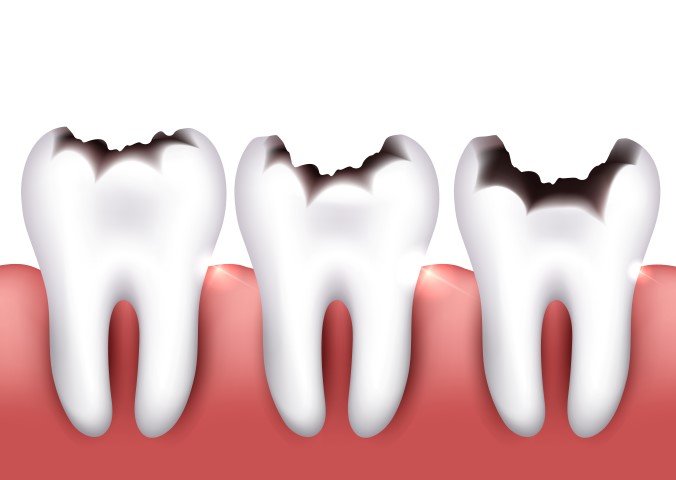
Do Cavities Always Hurt, or Can I Have a Cavity Without Even Knowing?

Most people associate cavities with sharp pain and distressing dental visits. But the reality is much subtler. The question “do cavities always hurt” often comes up for parents worried about their children’s teeth or adults surprised during routine checkups. At Nova Dental Hospital, we see firsthand how silent decay can progress well before discomfort sets in, making early, compassionate intervention the cornerstone of our care philosophy in Gandhinagar.
Understanding Silent Cavities: The Surprising Truth
It’s a common misconception that all cavities cause pain from the start. In reality, tooth decay typically begins without symptoms. The earliest changes involve microscopic demineralization of enamel, a stage where nerves are unaffected and patients feel nothing at all. Even as decay grows, many experience only mild sensitivity, which is easily brushed off as a minor issue. This is why the subject—do cavities always hurt—deserves such careful consideration for families and adults alike.
Those considering cavity treatment in Gandhinagar usually discover that their first symptoms arrive far later than the cavity itself. This highlights the importance of routine preventive care, where subtle signs are picked up early and treated with gentle solutions.
Why Pain is an Unreliable Indicator
Most people only seek dental help when pain becomes unavoidable. However, pain signals nerves in the tooth have become exposed or infected, which means decay has reached an advanced stage. Before this point, it’s possible for cavities to develop and deepen with little to no noticeable discomfort. If you’ve ever questioned “do cavities always hurt,” it’s worth remembering that persistent bad breath, food traps, or changes in tooth color may signal trouble well before genuine pain appears.
Prompt, comfortable exams provided by your Nova Dental Hospital oral health team can identify these subtle changes. The combination of advanced diagnostic tools and compassionate care means patients have access to effective, painless dental solutions from the moment decay is spotted.
Children and Silent Cavities: What Parents Should Know
Children are especially prone to symptomless cavities. Milk teeth and newly erupted permanent teeth often decay below the surface, escaping notice until regular dental checks bring them to light. For parents in Gandhinagar, connecting with age-appropriate dental support is crucial. Pediatric-focused care gently screens for early signs of decay, ensuring even the smallest issue can be addressed quickly—usually long before pain becomes part of the equation.
If you have questions about your child’s oral health, discover practical advice and gentle solutions through our pediatric team, where education and preventive strategies help make dental visits a positive experience.
Subtle Signs of Tooth Decay
Apart from pain, cavities can make themselves known in ways that are easy to miss. Sometimes, very slight sensitivity to hot or cold foods, repeated bad breath, or a rough patch you feel with your tongue can hint at hidden decay. Those who are proactive about scheduling checkups, and who maintain open communication with their dentist, are best able to prevent more serious dental health issues.
For families balancing busy schedules, early detection is invaluable. Nova Dental Hospital’s approach to routine care means patients of all ages can feel confident that silent cavities will be found and treated comfortably.
The Importance of Proactive Preventive Care
Thinking about “do cavities always hurt?” should inspire a comprehensive approach to oral health. Regular dental exams remain the gold standard for identifying symptomless cavities and keeping treatment as simple as possible. At Nova Dental Hospital, preventive appointments reveal issues in their earliest form, using modern imaging, gentle exams, and time-tested techniques.
Those wishing to protect their smiles, whether adult or pediatric, benefit from practical screening and thorough care, reducing the likelihood of pain or more complex procedures later.
The Experience of Painless Dental Treatment
For many, the prospect of cavity filling is daunting. Yet advancements in painless dental treatment mean today’s procedures are quicker, less invasive, and more comfortable than ever. Nova Dental Hospital’s commitment to patient comfort—whether through minimally invasive fillings, state-of-the-art materials, or subtle anesthetic techniques—puts every patient at ease.
After learning that “do cavities always hurt?” is often answered with “no,” many are reassured that proactive appointments can prevent pain and support lifelong oral health regardless of prior symptoms.
Addressing Asymptomatic Cavities: Why Treatment Still Matters
Some patients wonder if a painless cavity should be left alone. Dental science—and our clinical experience—advises against waiting. Even symptomless cavities will eventually progress, potentially leading to infection, tooth fracture, or costly corrective work. Tackling decay early keeps treatment quick, gentle, and affordable.
Families exploring appointment scheduling notice that preventive exams also provide valuable opportunities for education, risk assessment, and transparent conversations about how to maintain a pain-free mouth.
Real Patient Experiences: Discovering the Unexpected
Recently, a patient shared, “I booked a regular cleaning and found out I had two cavities that never hurt. Because my dentist caught them early, the fillings were tiny and I didn’t need numbing or special care.” Such stories underscore why asking “do cavities always hurt?” is more than just curiosity; it’s part of smarter, healthier dental habits that reduce anxiety and foster trust.
The Connection Between Oral Hygiene and Cavity Pain
Good oral hygiene doesn’t just clean your teeth; it gives you regular insight into changes and challenges that may arise. Brushing, flossing, and rinsing with fluoride help protect against symptomatic and silent decay, supporting the broader answer to “do cavities always hurt.” Regular feedback and tips from dental professionals—whether received during cleanings or regular checkups—make sure small signs are addressed promptly.
Building a partnership with your dental team allows for honest conversations, confidence in care, and better daily habits for the whole family.
Frequently Asked Questions
Q. Can cavities develop without any sensation of pain?
A. Yes. Many cavities cause no pain until advanced decay exposes nerves or leads to infection.
Q. What are subtle signs I should watch for to avoid silent cavities?
A. Changes in tooth color, persistent bad breath, minor sensitivity, or rough edges can signal hidden decay.
Q. Does painless dental treatment mean pain-free procedures every time?
A. Modern dentistry prioritizes comfort; today’s fillings, cleanings, and screenings are quick, gentle, and designed to minimize discomfort.
Q. Why should I treat a cavity if it doesn’t hurt?
A. Early treatment prevents enlargement, infection, and more complex care later. It also keeps costs and anxiety low.
Q. How often should routine exams happen to catch these cavities?
A. Most dentists recommend twice annual visits, but high-risk individuals or children may benefit from more frequent screenings.
The Value of Dental Community Trust
Dental anxiety is common, especially if pain is expected. At Nova Dental Hospital, patient stories and feedback reveal how proactive, empathetic care can eliminate both pain and worry. Silent cavities are addressed before they escalate, making dental visits something to look forward to—not fear.
Reviews, community reputation, and ongoing education add depth to every visit. Those interested in hearing more can explore testimonial platforms for reassurance and advice.
Prevention as the Best Answer to “Do Cavities Always Hurt?”
Ultimately, the most effective way to ensure that cavities never reach the painful stage is by making prevention a priority. Brushing and flossing daily, attending timely checkups, and enjoying practical, professional support all work together to reduce risk and improve outcomes. Families who wonder about tooth pain gain peace of mind when proactive habits become the norm.
If you’re ready to take the next step, integrating routine exams and gentle screenings into your yearly schedule will keep oral health issues small and manageable.
Final Takeaway: Take Action Before Pain Begins
The notion that “do cavities always hurt” serves as an essential reminder: your best dental experiences happen well before pain enters the picture. Whether you’re booking an appointment for yourself or for your children, Nova Dental Hospital is here with careful examinations, educational support, and painless dental treatment tailored to each patient.
To keep pain at bay and teeth strong for life, staying on top of small changes and prioritizing regular appointment scheduling is key. When you’re ready for the next level of oral health, schedule your visit and let Gandhinagar’s leading dental team provide peace of mind—no matter your age or dental history.

Related posts

Write a Comment
Recent Posts

X-rays Before Dental Implants: Using 3D Tech for Success


