


Do I Really Need Professional Teeth Cleaning, or is Brushing Enough?
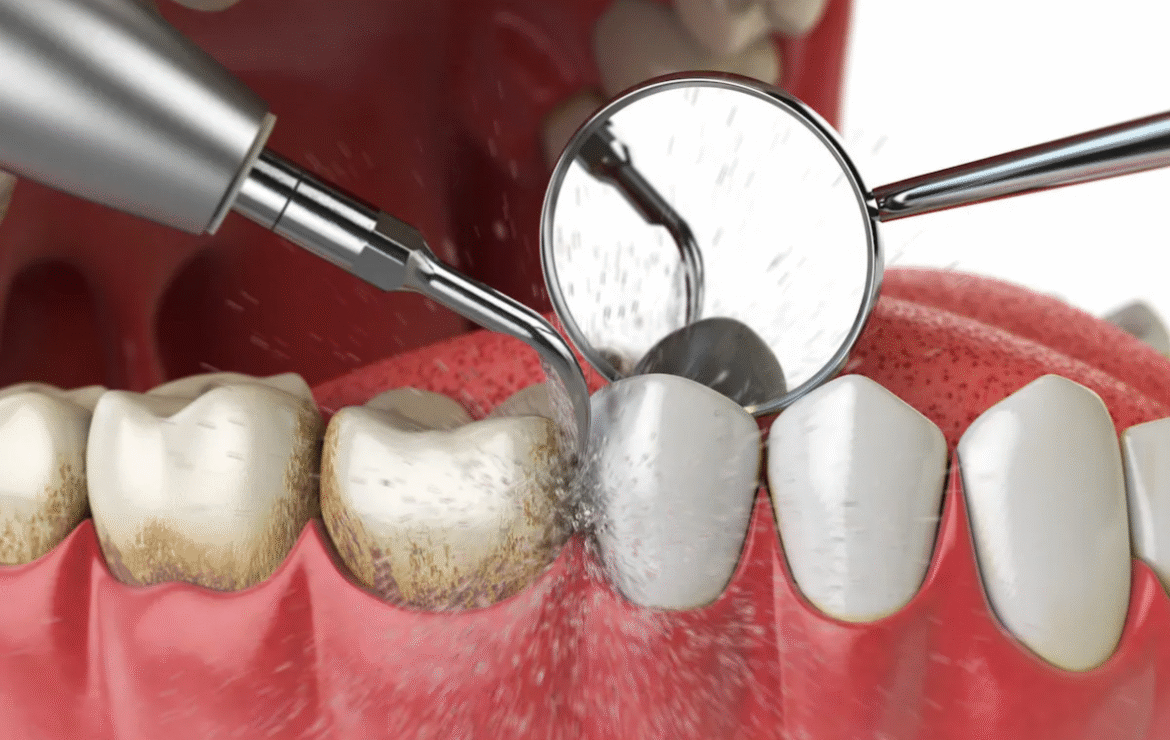
Do I Really Need Professional Teeth Cleaning, or is Brushing Enough?

If you brush and floss diligently twice a day, you might wonder: “Do I truly need to visit the dentist every six months for a cleaning?” It’s a valid question, especially when balancing time and budget. The simple answer is yes—professional care is non-negotiable for long-term oral health.
While at-home brushing and flossing are the foundation of good hygiene, they cannot fully address the buildup of mineralized plaque, known as tartar or calculus. This is why investing in routine professional teeth cleaning is one of the most effective ways to prevent serious dental issues, from cavities to tooth loss.
At our dental clinic in Gandhinagar, we believe in educating our patients. This guide will clarify why brushing is merely step one and how scaling and polishing deliver indispensable teeth cleaning benefits that your toothbrush simply cannot reach.
Part 1: Brushing vs. Professional Cleaning: Why the Gap Exists
Brushing and flossing are essential for removing soft plaque—a sticky film of bacteria that forms continuously on your teeth. However, two major factors make professional intervention mandatory:
1. The Power of Tartar (Calculus)
Plaque that is not removed within 24–72 hours hardens by absorbing minerals from your saliva, turning into tartar. Tartar has two critical characteristics that make it impossible to remove at home:
- Hardness: Tartar is mineralized and extremely hard. No toothbrush, electric or manual, can scrub it off without damaging the tooth enamel. It requires specialized dental tools (scalers).
- Location: Tartar primarily builds up in hard-to-reach areas: along the gumline, in the tight spaces between teeth, and crucially, beneath the gum line (subgingivally). Tartar below the gum line is the direct cause of periodontitis (gum disease).
2. The Unreachable Zones
Even the best brushers miss certain spots due to jaw anatomy, the angle of the teeth, or limited dexterity:
- The inner (lingual) surface of the lower front teeth.
- The chewing surfaces of the back molars.
- Tight contacts between adjacent teeth.
- Pockets and crevices where the gum meets the tooth.
These areas, often overlooked by brushing, become reservoirs for bacteria and plaque, which eventually harden into tartar, necessitating professional teeth cleaning Gandhinagar.
Part 2: Essential Teeth Cleaning Benefits
The value of professional scaling and polishing goes far beyond just a fresher smile. It is a proactive health measure that saves you time, pain, and money in the long run.
1. Prevention of Periodontal Disease (Gum Disease)
This is the most critical benefit. Tartar buildup irritates the gums, causing inflammation (gingivitis). If left unchecked, this progresses to periodontitis, where the gums pull away from the tooth, creating deep pockets. This leads to bone loss, eventually causing teeth to loosen and fall out. Regular professional cleaning removes the root cause of this inflammation, keeping your gums healthy and tightly sealed around your teeth.
2. Early Detection of Problems
A professional cleaning appointment is also a thorough check-up. While the dental hygienist performs the cleaning, they are simultaneously checking for:
- Small Cavities: Finding and filling a minor decay is fast and inexpensive. Waiting until it becomes a painful infection requires costly root canals or extractions.
- Fractures or Cracks: Identifying hairline cracks early allows for protective measures like crowns before the tooth splits completely.
- Oral Cancer Screening: Your dentist or hygienist will perform a visual and tactile screening of your neck, throat, cheeks, tongue, and gums to check for any suspicious lumps or changes.
3. Stain Removal and Aesthetics
While not strictly medical, aesthetics are a major draw. Cleaning effectively removes superficial stains caused by coffee, tea, tobacco, and certain foods. This revitalizes your natural tooth color and contributes to a brighter, more confident smile—a significant motivator for patients seeking routine care at a dental clinic in Gandhinagar.
4. Halitosis (Chronic Bad Breath) Elimination
Persistent bad breath is often a sign of chronic bacterial buildup and infection, specifically from tartar deposits below the gum line. Removing these toxic deposits during the scaling process eliminates the source of the odor, resulting in genuinely fresh breath.
Part 3: The Procedure: Scaling and Polishing Explained
A standard cleaning appointment, often called prophylaxis, consists of two main stages: scaling and polishing.
1. Scaling: The Removal of Tartar
The scaling process focuses on eliminating hardened calculus both above and below the gumline.
- Manual Scaling: The hygienist uses specialized hand instruments (scalers and curettes) to meticulously scrape the tartar from the tooth surface. This technique is crucial for precision cleaning, especially in tight or sensitive areas.
- Ultrasonic Scaling: A high-frequency vibrating device emits gentle vibrations and a cool mist of water. This vibration shatters the hard tartar deposits without harming the tooth surface, making the process faster and more comfortable than manual scaling alone.
2. Polishing: Smoothing and Protecting
Once the calculus is removed, the teeth are polished to create an ultra-smooth surface.
- Application: A slow-speed handpiece and a soft rubber cup are used with a prophylactic paste (a gritty material like fine sand).
- Benefit: Polishing smooths the microscopic scratches on the enamel, making it much harder for plaque and bacteria to adhere to the tooth surface immediately afterward. This boosts the teeth cleaning benefits and longevity of the clean feeling.
The entire process is usually painless. If you have significant subgingival tartar and inflamed gums, you may experience minor bleeding or sensitivity, but this is a temporary sign that the cleaning was necessary.
Part 4: Financial and Frequency Considerations
How Often Professional Teeth Cleaning is Required
For most healthy adults with good oral hygiene, the standard recommendation is:
Every six months (Twice per year).
This frequency aligns perfectly with the typical timeframe required for soft plaque to mineralize into significant tartar buildup.
Exceptions (More Frequent Cleanings):
If you have specific risk factors, your dentist may recommend more frequent visits (e.g., every 3-4 months):
- A history of periodontitis (active gum disease).
- Conditions that compromise immunity (e.g., diabetes).
- A tendency for rapid calculus formation.
- Smoking or tobacco use.
Understanding the Dental Scaling and Polishing Cost
The dental scaling and polishing cost is highly affordable, especially when compared to the expense of treating complications like advanced gum disease, root canals, or tooth replacement.
Costs are influenced by:
- Extent of Buildup: If it has been several years since your last clean, the procedure may take longer and require a deeper cleaning, slightly increasing the cost.
- Type of Cleaning: A standard prophylaxis is less expensive than Deep Cleaning (Scaling and Root Planing), which is required to treat active periodontitis and involves local anesthesia and cleaning the roots.
- Location: Fees at a specialized dental clinic Gandhinagar are generally competitive and reflective of the high-quality, modern equipment and sterilization standards utilized.
We believe in transparency. During your consultation, we provide a clear, detailed breakdown of the dental scaling and polishing cost so you can proceed with confidence, knowing exactly what to expect financially.
Frequently Asked Questions (FAQ)
1. Will my gums bleed after the cleaning?
It is very common for gums to bleed lightly during and immediately after the scaling process, especially if you have gingivitis (inflamed gums) due to heavy tartar buildup. This is normal and shows that the area was successfully cleaned. Bleeding will stop quickly, and your gums will start healing immediately.
2. Is deep cleaning the same as regular professional teeth cleaning Gandhinagar?
No. Regular professional teeth cleaning Gandhinagar (prophylaxis) is preventative and designed for healthy mouths to maintain health. Deep Cleaning (Scaling and Root Planing) is a therapeutic, non-surgical treatment for patients diagnosed with active periodontitis (gum disease) and involves cleaning the tooth roots under local anesthesia to reduce deep periodontal pockets.
3. How long does the appointment take?
A routine professional teeth cleaning Gandhinagar usually takes between 30 to 45 minutes, followed by the doctor’s examination, bringing the total appointment time to about one hour.
4. Can I postpone my cleaning if my teeth look fine?
While your teeth may look fine, the most damaging tartar is often invisible, hiding below the gum line. Postponing appointments allows this subgingival tartar to accumulate, initiating or worsening gum disease. Stick to the how often professional teeth cleaning schedule recommended by your dentist—it’s the best preventative measure you have.
5. What is the feeling after the cleaning?
Your teeth may feel incredibly smooth and “slippery” due to the polishing. You might experience minor, temporary sensitivity, particularly to cold air or liquids, but this usually subsides within a day or two as the protective layer of saliva remineralizes the teeth.
Conclusion: Protect Your Investment
Your teeth are designed to last a lifetime, but they require professional maintenance. Brushing is essential, but it is the partnership between your daily routine and our expert professional teeth cleaning in Gandhinagar that guarantees a healthy, resilient smile.
Don’t wait until pain forces a more complex and expensive procedure. Prioritize your oral hygiene and reap all the remarkable teeth cleaning benefits that routine care provides. Contact our dental clinic in Gandhinagar today to schedule your cleaning and comprehensive check-up.

Related posts

Write a Comment
Recent Posts

X-rays Before Dental Implants: Using 3D Tech for Success


