


Emergency Toothache? What to Do Before You Reach the Dentist
Emergency Toothache? What to Do Before You Reach the Dentist

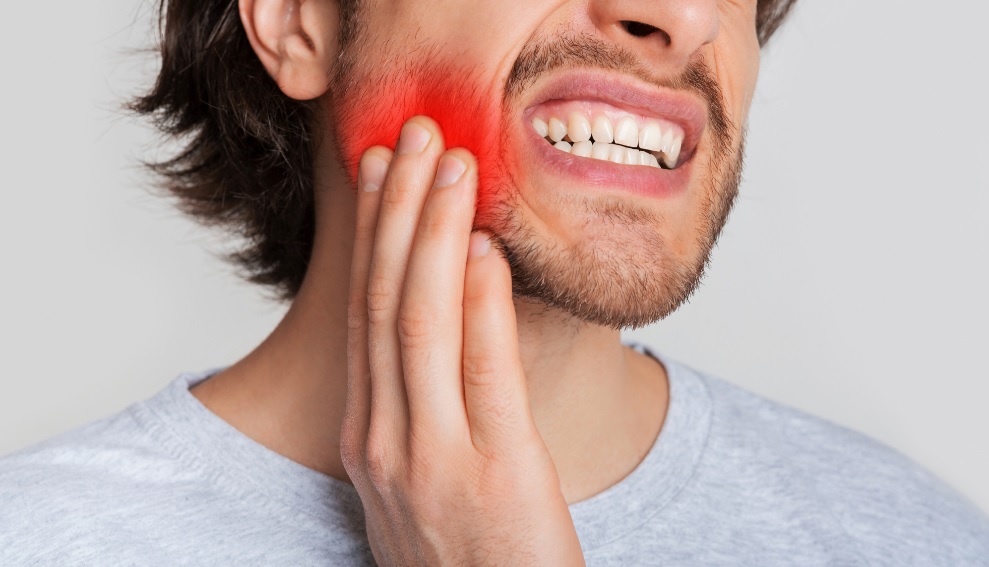
Few experiences are more distressing than sudden, severe tooth pain that disrupts your day or keeps you awake at night. When a toothache strikes unexpectedly in Gandhinagar, whether you’re at home near PDPU, at work in Gift City, or anywhere else in the area, knowing what to do before you can reach professional dental care makes a significant difference in your comfort and potentially in saving your tooth.
Emergency toothaches rarely occur at convenient times. They might start during evening hours when dental offices are closed, on weekends when you’re away from home, or during important meetings when you cannot immediately seek treatment. Understanding how to manage tooth pain effectively in these critical first hours helps you stay comfortable, prevents the situation from worsening, and prepares you for the professional treatment you’ll need.
This guide provides practical emergency toothache relief Gandhinagar residents can use immediately while arranging urgent dental care. However, remember that home remedies only provide temporary relief—they don’t address underlying problems causing your pain. Prompt professional evaluation and tooth pain treatment remain essential for resolving the issue and preventing serious complications.
Understanding Why Dental Emergencies Happen
Recognizing what causes sudden severe toothaches helps you understand why immediate professional care matters and what you can do in the meantime. Most dental emergencies don’t actually happen “suddenly”—they result from underlying problems that finally reach a critical point.
Untreated tooth decay represents the most common cause of dental emergency PDPU patients experience. Cavities start small and painless but gradually expand deeper into the tooth. Once decay reaches the inner nerve chamber, bacteria cause infection and inflammation that creates intense, throbbing pain. This progression often occurs over weeks or months, but the severe pain seems to appear suddenly because earlier mild symptoms went unnoticed or ignored.
Dental abscesses develop when bacterial infection creates a pus-filled pocket at the tooth’s root or in surrounding gum tissue. These infections cause severe, constant pain that often worsens when lying down. Abscesses represent serious dental emergencies requiring prompt treatment to prevent infection from spreading to other areas of your face, jaw, or even your bloodstream.
Cracked or fractured teeth can cause sudden pain, particularly when the crack extends into the tooth’s inner structures. Cracks might result from biting something hard, grinding teeth during sleep, old large fillings weakening tooth structure, or trauma from falls or accidents. Sometimes people have cracked teeth without symptoms until temperature changes or chewing pressure suddenly triggers intense pain.
Lost or loose fillings and crowns expose sensitive inner tooth layers to temperature, pressure, and bacteria, causing significant discomfort. Old dental work can fail over time, and when protective restorations come loose or fall out, the vulnerable tooth underneath reacts painfully.
Gum infections, including advanced periodontitis and acute infections around wisdom teeth, create severe pain and swelling. These problems develop gradually but can suddenly worsen, causing emergency-level discomfort that demands immediate attention.
Trauma from accidents, falls, or sports injuries can crack, loosen, or completely knock out teeth. These situations constitute true emergencies requiring the fastest possible professional care to save affected teeth.
Understanding these underlying causes helps you recognize that most toothaches signal real problems requiring professional treatment rather than minor issues that will resolve on their own. While home remedies provide temporary comfort, they cannot cure infections, seal cavities, or repair damaged teeth. Professional urgent dental care remains essential regardless of how well home measures manage your immediate pain.
Immediate Steps for Emergency Toothache Relief
When severe tooth pain strikes before you can reach a dental clinic near PDPU, several proven toothache remedies provide temporary relief. These measures address pain and swelling while you arrange professional care, but remember they’re interim solutions, not substitutes for proper treatment.
Rinse your mouth thoroughly with warm salt water to clean the area and reduce inflammation. Mix half a teaspoon of salt in a cup of warm (not hot) water, swish it around your mouth for 30 seconds, then spit it out. Repeat this every few hours. Salt water acts as a natural disinfectant, helps dislodge food particles trapped around painful teeth, and reduces swelling in inflamed gum tissue. This simple remedy provides surprising relief for many types of toothaches.
Apply a cold compress to the outside of your cheek over the painful area. Use a bag of ice wrapped in a thin towel or a commercial cold pack, applying it for 15-20 minutes at a time with breaks in between. Cold reduces swelling and numbs pain by constricting blood vessels and slowing nerve signals. This method works particularly well for toothaches involving swelling or trauma-related pain.
Take over-the-counter pain medication according to package directions. Ibuprofen (like Advil or Motrin) works especially well for dental pain because it reduces both pain and inflammation. Acetaminophen (like Tylenol) also helps with pain but doesn’t address inflammation. Never exceed recommended doses, and don’t place aspirin directly on your gums despite old folk remedies suggesting this—aspirin can burn soft tissues and cause additional damage.
Elevate your head when resting or sleeping. Lying flat increases blood flow to your head, which can intensify throbbing tooth pain. Prop yourself up with extra pillows to reduce this pressure and help you rest more comfortably despite the pain.
Avoid temperature extremes in foods and beverages. Very hot or very cold items can trigger or worsen tooth pain, particularly if decay or cracks expose sensitive inner tooth layers. Stick to room-temperature, soft foods until you receive professional treatment.
Use clove oil applied carefully to the affected area for natural numbing relief. Clove oil contains eugenol, a natural anesthetic and antiseptic. Soak a small cotton ball with diluted clove oil (mix a few drops of clove oil with a carrier oil like olive oil) and place it against the painful tooth. Don’t use undiluted clove oil directly on gums as it can cause burning. This traditional remedy genuinely provides temporary numbing relief for many people.
Gently floss around the painful tooth to remove any trapped food particles that might be contributing to your discomfort. Sometimes toothaches result partly from food stuck between teeth or under gum lines, and removing these particles can significantly reduce pain. Be gentle to avoid irritating inflamed tissues further.
Avoid chewing on the affected side of your mouth. Give the painful tooth rest by eating soft foods and using the opposite side for chewing. This prevents aggravating the problem and potentially causing additional damage to an already compromised tooth.
What NOT to Do During a Dental Emergency
Just as important as knowing helpful emergency toothache relief Gandhinagar measures is understanding what actions to avoid. Well-intentioned but misguided approaches can worsen your situation or cause additional problems.
Never apply aspirin or other pain medications directly to gum tissue surrounding the painful tooth. Old home remedies sometimes suggest this, but aspirin is acidic and burns soft tissues, creating painful chemical burns that add to your problems. Pain medications work by being absorbed into your bloodstream, not by direct contact with painful areas—take them orally as directed.
Don’t use sharp objects to poke at the painful tooth or try to remove trapped food. Toothpicks, needles, or other sharp instruments can damage already-compromised tooth structure, push bacteria deeper into infection sites, or injure gum tissue. If gentle flossing doesn’t remove trapped food, leave it for your dentist to address professionally.
Avoid extremely hot compresses on your face over a toothache. While cold reduces inflammation and numbs pain, heat increases blood flow and can worsen swelling and pain, particularly if an abscess or infection is present. Heat may feel soothing initially but often makes dental pain worse over time.
Don’t delay seeking professional care hoping the pain will resolve on its own. Dental infections and serious tooth damage don’t improve without treatment—they worsen, potentially leading to tooth loss or dangerous infections spreading beyond your mouth. The sooner you receive professional treatment, the better your chances of saving the affected tooth and resolving the problem with simpler, less expensive interventions.
Avoid alcohol or recreational substances to numb dental pain. While alcohol might provide temporary numbness, it interferes with healing, can interact dangerously with pain medications, and impairs your judgment about the severity of your condition. It also doesn’t address the underlying problem and can make you less likely to seek necessary professional care promptly.
Don’t eat hard, crunchy, sticky, or very chewy foods that could further damage a compromised tooth or dislodge loose dental work. Stick to soft foods eaten on the opposite side of your mouth until you receive treatment.
Never ignore signs of serious infection like fever, facial swelling, difficulty swallowing or breathing, or swelling extending to your eye or neck. These symptoms indicate infection spreading beyond the tooth and constitute medical emergencies requiring immediate hospital care, not just dental treatment. Don’t wait for a dental appointment if you develop these warning signs.
When to Seek Immediate Emergency Dental Care
Understanding which situations require immediate professional attention versus which can wait until regular business hours helps you respond appropriately to different types of dental emergencies. Some circumstances demand same-day or emergency after-hours care, while others, though painful, can safely wait a day or two with proper home management.
Seek immediate emergency dental care if you experience severe, unrelenting pain that over-the-counter medications cannot adequately control. Pain so intense that you cannot function normally, focus on tasks, or sleep indicates a serious problem requiring prompt professional intervention. Don’t suffer needlessly when effective treatment is available.
Visible swelling in your face, jaw, or gums signals infection that needs urgent attention. Swelling might start around the painful tooth but can spread to your cheek, jaw, or neck. Facial swelling accompanied by fever, difficulty swallowing, or breathing problems constitutes a medical emergency requiring hospital emergency room care rather than just dental treatment.
Knocked-out teeth represent true dental emergencies with time-sensitive treatment requirements. If an accident or injury completely dislodges a tooth, immediate care within an hour significantly improves chances of successfully re-implanting it. Keep the tooth moist in milk or saliva, avoid touching the root, and reach a dental emergency PDPU provider as quickly as possible.
Teeth that are loosened, cracked, or fractured from trauma need prompt evaluation even if pain seems manageable initially. Structural damage can worsen with time, and infections can develop in cracked teeth. Early treatment prevents complications and may save teeth that would be lost with delayed care.
Uncontrolled bleeding from your mouth following dental trauma or procedures requires immediate attention. Some bleeding after tooth extraction or injury is normal, but bleeding that doesn’t slow within 30 minutes of applying firm pressure needs professional care.
Lost crowns or fillings that expose sensitive tooth structures benefit from same-day or next-day treatment when possible. While not usually true emergencies in the sense of requiring after-hours care, these situations warrant prompt attention to prevent worsening damage and manage significant discomfort.
Abscessed teeth with visible pus drainage, severely bad taste, or signs of infection spreading require urgent care. Dental abscesses represent serious infections that can spread to other areas of your body if left untreated, potentially becoming life-threatening.
For residents near PDPU, Gift City, or throughout Gandhinagar experiencing any of these serious symptoms, immediate professional evaluation provides the tooth pain treatment needed to resolve your emergency and prevent dangerous complications.
How to Find Emergency Dental Care in Gandhinagar
When a dental emergency strikes, knowing how to quickly access appropriate care in Gandhinagar helps you get treatment without unnecessary delay. Having a plan before emergencies occur saves precious time when pain or trauma demands urgent attention.
Contact your regular dentist first, even if the emergency occurs outside normal business hours. Many dental practices provide after-hours emergency numbers for established patients. Your dentist knows your dental history and can either see you immediately, provide guidance on managing your emergency until the office opens, or direct you to appropriate emergency care resources.
If you don’t have a regular dentist or cannot reach your provider, search for dental clinic near PDPU or other Gandhinagar areas offering emergency services. Many modern dental practices reserve time in their daily schedules for emergency patients and clearly advertise emergency availability. Don’t hesitate to call and explain your situation—most offices accommodate genuine emergencies promptly.
Look for dental practices specifically advertising emergency services or extended hours. Some dental clinics in Gandhinagar maintain evening or weekend hours precisely to serve patients experiencing urgent dental problems. These practices understand the need for immediate care and structure their schedules accordingly.
Consider visiting a hospital emergency room only for truly life-threatening situations like severe facial swelling affecting breathing or swallowing, uncontrolled bleeding, or trauma involving broken jaw bones or significant facial injuries. Hospital ERs can manage medical emergencies and stabilize dental trauma, but they typically cannot provide definitive dental treatment like root canals or tooth repairs. They’ll manage your immediate medical needs and refer you to a dentist for follow-up treatment.
Ask friends, family, or neighbors in your area for emergency dentist recommendations. Personal referrals from people you trust who’ve had positive emergency care experiences can direct you to reliable providers who handle urgent situations well.
Check online reviews and ratings for emergency dental providers in Gandhinagar. Reviews from other patients who’ve sought emergency care provide insight into how practices handle urgent situations, wait times, and whether they genuinely prioritize emergency patients or simply claim to offer emergency services.
Keep emergency contact information readily available. Save the phone number of your regular dentist and at least one emergency dental clinic in your phone contacts. Having this information immediately accessible when emergencies strike eliminates time wasted searching for contact details while you’re in pain.
What to Expect During Your Emergency Dental Visit
Understanding what happens during an emergency dental appointment helps reduce anxiety and lets you prepare appropriately. Knowing what to expect makes the experience less stressful when you’re already coping with significant pain.
Upon arrival, you’ll provide information about your symptoms, when they started, what makes them better or worse, and relevant medical history including medications and allergies. Be thorough and honest—this information helps your dentist diagnose your problem accurately and treat you safely.
Your dentist will perform a clinical examination, looking at the painful tooth and surrounding areas, checking for swelling, testing tooth sensitivity and mobility, and evaluating your bite. This examination might involve gentle tapping on teeth, using cold or heat to test responses, or applying pressure to identify pain sources.
Diagnostic x-rays often become necessary to see what’s happening inside and around your tooth. X-rays reveal hidden cavities, abscesses, bone loss, fractures, and other problems not visible during visual examination alone. Modern digital x-rays expose you to minimal radiation while providing detailed images that guide accurate diagnosis and treatment planning.
Your dentist will explain their findings, what’s causing your pain, and what treatment options would address the problem. They’ll discuss immediate pain relief measures and definitive treatment plans. For some problems, complete treatment can occur during your emergency visit. Others might require initial stabilization followed by scheduled appointments for comprehensive care.
Pain management begins immediately. Your dentist might provide stronger pain medication prescriptions, administer local anesthesia to numb the affected area, or perform immediate procedures like draining abscesses to relieve pressure and pain. Many patients experience significant relief even before definitive treatment simply from professional diagnosis and appropriate pain management.
If infection is present, your dentist will likely prescribe antibiotics to control bacterial spread and reduce infection. Taking antibiotics exactly as prescribed is crucial—complete the entire course even if you feel better partway through.
Emergency treatment might involve procedures like temporary fillings to seal cavities or protect exposed tooth structures, draining abscesses to relieve pressure and clear infection, performing emergency root canals to save severely infected teeth, or temporarily re-cementing lost crowns or fillings. These interventions address immediate problems and stabilize your situation even if comprehensive final treatment requires additional appointments.
Your dentist will provide clear instructions for home care following emergency treatment, including pain medication schedules, when and what to eat, how to keep the area clean, and warning signs that would necessitate follow-up contact. Following these instructions carefully ensures optimal healing and prevents complications.
Before leaving, you’ll schedule any necessary follow-up appointments for completing treatment. Many dental emergencies require staged care—immediate intervention to manage pain and infection followed by definitive restorative treatment once acute problems resolve.
Understanding what happens during emergency visits at a dental clinic near PDPU helps you approach these appointments with realistic expectations and full cooperation with necessary diagnostic and treatment procedures.
Preventing Future Dental Emergencies
While you cannot prevent all dental emergencies, particularly those resulting from unexpected accidents, many common emergencies are preventable through good oral health habits and proactive care. Understanding prevention reduces your risk of experiencing painful, disruptive dental crises.
Maintain excellent daily oral hygiene through proper brushing twice daily and flossing once daily. Thorough plaque removal prevents the cavities and gum disease that cause most dental pain emergencies. Good home care forms the foundation of emergency prevention.
Schedule and attend regular dental check-ups every six months. Professional examinations detect problems like small cavities, cracked fillings, early gum disease, and other issues while they’re still minor and painless. Addressing these problems early prevents them from progressing to emergency-level pain and damage. Regular cleanings remove hardened tartar that brushing cannot eliminate, further reducing infection and disease risk.
Address dental problems promptly when your dentist identifies them during routine visits. Delaying recommended treatments allows small problems to become large emergencies. That small cavity your dentist mentioned six months ago might become tonight’s severe toothache and abscess if left untreated. The filling or crown you’ve been postponing might mean the difference between saving your tooth and eventually losing it to advanced decay.
Wear protective mouthguards during sports and physical activities with fall or impact risk. Custom-fitted guards from your dentist provide the best protection, but even over-the-counter guards significantly reduce trauma risk to your teeth, lips, and jaw. This simple precaution prevents many knocked-out and fractured tooth emergencies.
Use night guards if you grind or clench your teeth during sleep. Chronic grinding (bruxism) cracks teeth, wears down enamel, damages existing dental work, and causes jaw pain. A custom night guard protects your teeth from this unconscious destructive force and prevents many common dental emergencies.
Avoid using your teeth as tools to open packages, bottles, or bite through hard objects. Your teeth are designed for eating, not for cutting tape, opening bottles, or cracking nuts. These misuses frequently cause chips, cracks, and fractures that turn into painful emergencies.
Eat a tooth-healthy diet limiting sugary and acidic foods and beverages. Sugar feeds bacteria that cause cavities, while acids directly erode tooth enamel. Moderating these items and rinsing with water after consuming them reduces your cavity risk and the emergency toothaches cavities cause.
Don’t ignore minor dental symptoms hoping they’ll go away. Sensitivity to temperature, slight pain when chewing, or gum bleeding signals problems that deserve professional evaluation. Addressing these early warnings prevents escalation to emergency-level pain and damage.
Traveling and Emergency Preparedness
For people traveling away from home, whether across Gandhinagar or farther afield, preparing for potential dental emergencies provides peace of mind and practical assistance if problems occur away from your regular dentist.
Pack a dental emergency kit containing pain medication (ibuprofen and acetaminophen), temporary dental filling material available at pharmacies, dental wax to cover sharp edges of broken teeth or appliances, clove oil for natural pain relief, salt for making rinses, and your dentist’s contact information. These supplies help you manage unexpected dental problems until you can reach professional care.
Know how to find emergency dental care wherever you travel. Research dental emergency options at your destination before departing. Keep this information with your other travel documents so it’s readily available if needed.
If dental emergencies occur while traveling, contact your regular dentist for guidance even from a distance. They can advise you on managing symptoms and help you find appropriate local emergency care. Many dentists maintain relationships with colleagues in other areas and can facilitate referrals.
Travel insurance that includes dental emergency coverage provides financial protection and assistance locating appropriate care abroad. Review your insurance policies to understand what dental emergency coverage you have when traveling.
Long-Term Dental Health Planning
Beyond managing immediate emergencies, developing a comprehensive approach to dental health prevents future crises and maintains your oral health long-term. Strategic planning creates the foundation for a lifetime of healthy teeth and minimal emergency experiences.
Establish a relationship with a reliable dentist you trust in Gandhinagar rather than only seeking care when problems arise. Having a dental home where providers know your history, understand your concerns, and track your oral health over time leads to better preventive care and faster, more effective emergency response when needed.
Invest in preventive care including professional cleanings, fluoride treatments, sealants, and early intervention for developing problems. These relatively minor investments prevent the major expenses and discomfort associated with dental emergencies and advanced disease.
Address underlying risk factors that increase your emergency susceptibility. If you have dry mouth from medications, discuss solutions with your doctor and dentist. If you grind your teeth, get a night guard. If you have health conditions like diabetes that affect oral health, work with your healthcare team to optimize management.
Educate yourself about dental health so you recognize problems early and understand why recommended treatments matter. Informed patients make better decisions about their oral health and experience fewer preventable emergencies.
Consider dental insurance or savings plans that make routine care affordable and accessible. Financial barriers prevent many people from seeking timely treatment, leading to preventable emergencies. Planning for dental care costs helps ensure you can access needed care before problems become crises.
For comprehensive urgent dental care and preventive services in Gandhinagar, establishing care with a trusted provider like Nova Dental Hospital ensures you have support for both emergencies and ongoing oral health maintenance.
Frequently Asked Questions
What should I do if I have a severe toothache in the middle of the night?
Take over-the-counter pain medication like ibuprofen according to package directions, rinse with warm salt water, apply a cold compress to your cheek over the painful area, and elevate your head with extra pillows to reduce throbbing. These emergency toothache relief measures help manage pain until dental offices open. If you develop severe facial swelling, difficulty breathing or swallowing, or fever above 101°F, go to a hospital emergency room immediately as these symptoms indicate serious infection. Otherwise, call your dentist when offices open or contact a dental emergency PDPU provider offering after-hours services.
How can I tell if my toothache is a real emergency requiring immediate care?
Seek immediate emergency dental care if you experience severe pain that over-the-counter medications don’t adequately control, visible swelling in your face or jaw, knocked-out or severely damaged teeth from trauma, uncontrolled bleeding, or signs of serious infection like high fever or difficulty swallowing. These situations require same-day or emergency after-hours treatment. Moderate pain manageable with home remedies can typically wait until the next business day, though you should schedule an appointment promptly. When in doubt, call a dental clinic near PDPU for professional assessment of whether your situation constitutes a true emergency requiring immediate attention.
Can I use home remedies instead of seeing a dentist for a toothache?
Home remedies like salt water rinses, cold compresses, pain medications, and clove oil provide temporary emergency toothache relief Gandhinagar residents can use before reaching professional care, but they cannot cure the underlying problems causing your pain. Cavities, infections, cracks, and other issues causing toothaches require professional tooth pain treatment to resolve. While home measures help you stay comfortable temporarily, delaying professional care allows problems to worsen, potentially leading to tooth loss or dangerous infections. Use home remedies for immediate comfort while arranging a dental appointment as soon as possible, not as substitutes for necessary professional treatment.
What should I bring to an emergency dental appointment?
Bring your insurance information if you have dental coverage, a list of current medications including dosages, information about any allergies especially to medications or anesthetics, and medical history details including conditions like heart problems or diabetes that might affect treatment. If you have recent dental x-rays from another provider, bringing them saves time and radiation exposure. Bring a form of payment or be prepared to discuss payment options. Most importantly, arrive with a clear description of your symptoms including when pain started, what makes it better or worse, and any trauma or events that might have triggered the problem.
How much does emergency dental treatment typically cost in Gandhinagar?
Emergency dental care costs vary widely based on what treatment your specific problem requires. Simple procedures like examinations, x-rays, and temporary fillings typically cost less, while more complex treatments like root canals, extractions, or crown repairs cost more. Many dental clinics near PDPU offer transparent pricing and discuss costs before beginning treatment. Dental insurance often covers at least a portion of emergency care costs. Many practices offer payment plans for patients without insurance or facing high out-of-pocket expenses. Don’t let cost concerns prevent you from seeking necessary emergency care—most dental offices work with patients to arrange affordable payment options.

Related posts

Write a Comment
Recent Posts

X-rays Before Dental Implants: Using 3D Tech for Success


