


Finding a Good Pediatric Dentist Near Gift City: What Parents Should Look For
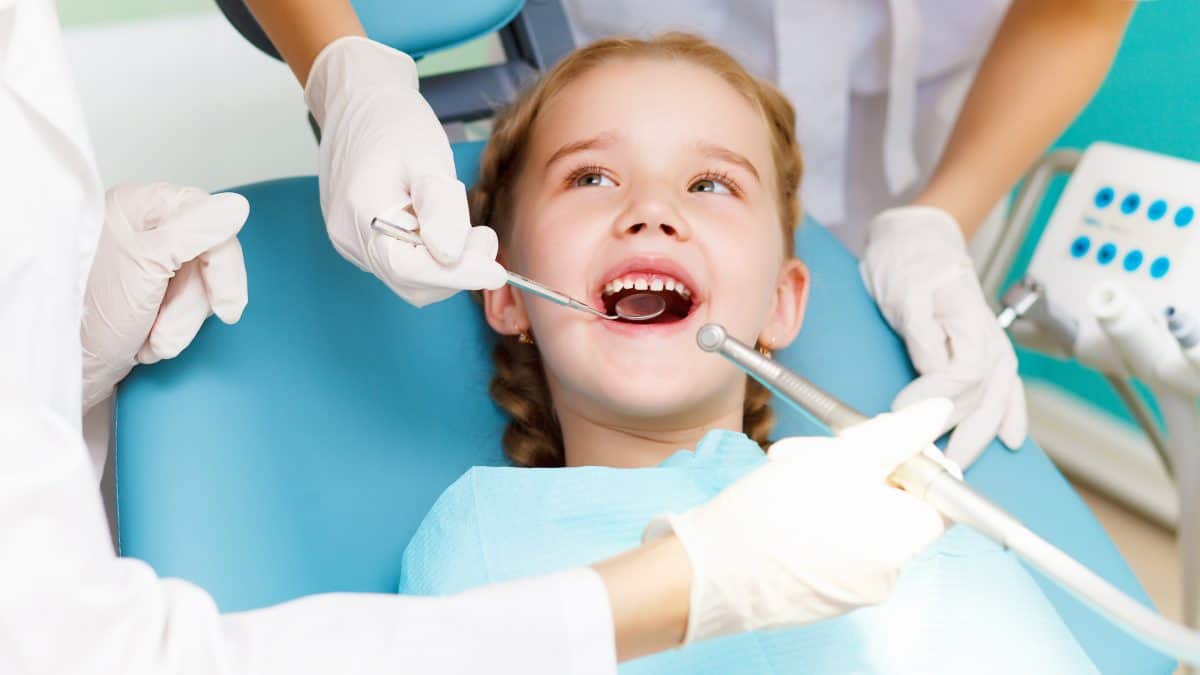
Finding a Good Pediatric Dentist Near Gift City: What Parents Should Look For

Meta Description: Looking for a pediatric dentist near Gift City? Learn what makes a good children’s dentist in Gandhinagar, questions to ask, red flags to avoid & how to find the best dentist for kids at Nova Dental Hospital.
Choosing a pediatric dentist near Gift City for your child represents one of the most important healthcare decisions you’ll make as a parent. Your child’s early dental experiences shape their attitude toward oral health for life, and finding a dentist who combines clinical expertise with a gentle, child-friendly approach makes dental visits positive rather than frightening experiences that create lifelong anxiety.
Unlike selecting a dentist for yourself, where you might prioritize convenience or insurance acceptance, choosing a children’s dentist in Gandhinagar requires considering factors specific to pediatric care. Children have unique dental needs, different communication requirements, and deserve an environment designed specifically for their comfort and development. The right pediatric dental care provider understands child psychology, knows how to explain procedures in age-appropriate ways, and creates an atmosphere that makes kids feel safe and even excited about dental visits.
For families living in or near Gift City, PDPU, or throughout Gandhinagar, understanding what distinguishes excellent pediatric dentistry from merely adequate care helps you make informed decisions that benefit your child’s oral health and overall well-being. This guide walks you through the essential qualities to seek, important questions to ask, and warning signs to avoid when selecting a dentist for kids who will care for your child’s smile through their crucial developmental years.
Why Specialized Pediatric Dentistry Matters
You might wonder whether your family dentist who treats adults can also care for your children, or if specialized pediatric dentistry truly offers advantages worth seeking out. Understanding what makes pediatric dentistry distinct helps clarify why many parents specifically seek pediatric dental care specialists for their children.
Pediatric dentists complete additional years of specialized training beyond dental school, focusing exclusively on treating infants, children, and adolescents. This advanced education covers child development and psychology, behavior guidance techniques, treating developing teeth and jaws, managing dental problems specific to children, and addressing special needs that some children have. This specialized knowledge allows pediatric dentists to provide care specifically tailored to children’s unique requirements rather than simply adapting adult dentistry for smaller mouths.
Children’s dental needs differ significantly from adults’. Baby teeth require different approaches than permanent teeth, developing jaws need monitoring to ensure proper growth, and early intervention for alignment problems prevents more serious issues later. Pediatric dentists understand these developmental considerations and know when to watch and wait versus when to intervene. They also recognize dental conditions that occur primarily or exclusively in children, ensuring accurate diagnosis and appropriate treatment.
The psychology of treating children demands specialized skills that general dentists may not possess. Children process information differently than adults, experience anxiety about unfamiliar situations, and need communication tailored to their developmental stage. A three-year-old requires completely different explanations and approaches than a teenager, and pediatric dentists train specifically in these age-appropriate techniques. They know how to establish trust, reduce anxiety, and make dental care feel safe rather than scary.
Pediatric dental offices design their entire environment around children’s comfort and engagement. From colorful, welcoming waiting areas with toys and games to treatment rooms featuring child-friendly decorations and sized appropriately for small patients, every aspect creates a positive atmosphere. Staff members in pediatric practices specifically choose to work with children and develop expertise in making kids feel comfortable and valued.
Behavior management techniques specific to pediatric dentistry help children cooperate during treatment while building positive associations with dental care. These might include tell-show-do methods where dentists explain procedures in simple terms, show children the instruments, then perform the treatment; positive reinforcement celebrating cooperation and bravery; distraction techniques using music, videos, or stories; and gentle restraint only when absolutely necessary for safety during emergency procedures.
For children with special needs including autism spectrum disorders, sensory processing challenges, physical disabilities, or medical conditions affecting dental care, pediatric dentists possess specialized training in accommodating these needs. They understand how to modify their approach, environment, and sometimes sedation options to provide safe, comfortable care for all children regardless of their challenges.
Finding a qualified pediatric dentist Gift City families trust ensures your child receives care from professionals specifically educated and experienced in children’s unique dental needs, not just a dentist willing to see pediatric patients as a small part of their adult-focused practice.
Essential Qualifications and Credentials to Verify
Before entrusting your child’s dental care to any provider, verify their qualifications and credentials to ensure they meet professional standards for pediatric dentistry. Not all dentists who see children have specialized pediatric training, so confirming credentials matters significantly.
Look for dentists who completed a pediatric dentistry residency program after dental school. In India, this typically means a Master of Dental Surgery (MDS) in Pedodontics and Preventive Dentistry. This specialized postgraduate training focuses exclusively on children’s dental care and represents the gold standard for pediatric dental expertise. Ask potential dentists about their education and training specifically in pediatric dentistry.
Verify that the dentist maintains active licensure and good standing with dental regulatory authorities. While this verification protects you regardless of your dentist’s specialty, it provides essential peace of mind that your chosen provider meets basic professional standards and hasn’t faced disciplinary actions.
Check for membership in professional organizations focused on pediatric dentistry. While not absolutely required, membership in organizations like the Indian Society of Pedodontics and Preventive Dentistry demonstrates commitment to staying current with pediatric dental advances and maintaining professional standards. Active participation in professional development shows dedication to excellence in pediatric care.
Review the dentist’s experience specifically with children’s dentistry. Even among pediatric specialists, experience levels vary. A pediatric dentist who has practiced for many years has encountered a wider variety of cases and developed refined techniques for managing different personalities and dental conditions. Ask how long they’ve been practicing pediatric dentistry and approximately how many children they treat.
Consider whether the practice focuses exclusively or primarily on pediatric patients versus seeing children as a small portion of a general practice. Dedicated pediatric practices accumulate more expertise in children’s dentistry and maintain environments specifically designed for kids. Mixed practices might offer convenience if you want one dentist for your whole family, but specialized pediatric practices often provide superior child-specific care.
Look for continuing education commitment. Dentistry constantly evolves with new techniques, materials, and research findings. Dentists who regularly participate in continuing education courses stay current with advances in pediatric dental care. Ask about recent training or courses the dentist has completed in pediatric dentistry.
Creating a Child-Friendly Environment
The physical environment where your child receives dental care significantly impacts their comfort and willingness to cooperate during appointments. Pediatric dental offices should feel welcoming and designed specifically for children rather than intimidating clinical spaces.
Evaluate the waiting area when you visit potential pediatric dentist near Gift City practices. Child-friendly waiting rooms feature age-appropriate toys, books, and activities that engage children while they wait. Some practices include play areas, interactive games, or entertainment systems showing children’s programs. Bright, cheerful colors and child-oriented decorations create a fun rather than frightening atmosphere. Comfortable seating for both children and parents makes waiting more pleasant.
Observe whether the practice maintains a clean, organized, yet still playful environment. Cleanliness and proper sterilization matter enormously for preventing infection, but a good pediatric practice balances these necessary standards with a welcoming appearance that doesn’t feel overly clinical or scary to children.
Check if treatment rooms are designed with children in mind. Child-sized dental chairs, colorful walls with murals or decals, ceiling-mounted televisions or decorations giving children something interesting to look at while reclined, and child-accessible sinks for rinsing all contribute to a space where kids feel comfortable rather than overwhelmed.
Notice whether the practice uses language and signage appropriate for children. Friendly signs explaining procedures in simple terms, directional signs with pictures for pre-readers, and general communication pitched at children’s level rather than just adults demonstrates that the practice truly centers around pediatric patients.
Consider safety features specific to children. Secure cabinets for instruments and materials, childproofed areas, and overall design preventing unsupervised children from accessing potentially dangerous areas show attention to pediatric safety concerns.
Some advanced pediatric practices offer special amenities like virtual reality goggles for distraction during procedures, headphones with music or stories, comfort items like weighted blankets or fidget toys, and reward systems where children earn prizes for good cooperation. While not essential, these extras demonstrate commitment to excellent pediatric dental care experiences.
Staff Approach and Communication Style
The dentist’s qualifications matter tremendously, but the entire team’s approach to children influences your child’s experience. Observe how staff members interact with young patients when you visit potential practices.
Pay attention to whether staff members speak directly to your child in age-appropriate language rather than only talking to you about your child as if they weren’t present. Good pediatric dental teams engage children as active participants in their care, explaining what will happen, asking how they feel, and treating them with respect appropriate to their age.
Notice the tone and demeanor staff use with children. Gentle, patient, encouraging approaches work far better than rushed, stern, or dismissive attitudes. Staff should seem genuinely to enjoy working with children, displaying warmth and enthusiasm rather than treating pediatric patients as a chore.
Evaluate how the team handles anxious or uncooperative children. Watch or ask about their behavior management approaches. Effective pediatric dental teams use positive reinforcement, distraction, and gentle persuasion rather than force or intimidation. They understand that building trust takes time and patience, especially with frightened children or those who’ve had negative previous dental experiences.
Consider whether the practice allows and encourages parental involvement during appointments at least for younger children. Some children feel more comfortable with parents present in the treatment room, while older children might prefer independence. The best practices remain flexible, accommodating different children’s needs rather than enforcing rigid policies.
Ask how the team communicates with parents about treatment findings and recommendations. Clear, jargful explanations help you understand your child’s dental health and make informed decisions about recommended treatments. Staff should welcome questions and take time to ensure you understand your child’s care plan.
Observe whether staff members are culturally sensitive and respectful of diverse families. Gandhinagar’s diverse population means pediatric practices should serve families from various backgrounds with equal respect and accommodation for different cultural perspectives on healthcare.
Treatment Philosophy and Preventive Focus
Understanding a pediatric practice’s overall philosophy toward children’s oral health helps ensure their approach aligns with your values and priorities for your child’s care.
Look for practices emphasizing prevention and education rather than just treating problems after they develop. The best children’s dentist Gandhinagar providers teach children and parents about proper oral hygiene, healthy eating habits for dental health, and preventive measures like fluoride treatments and sealants. This proactive approach prevents many dental problems rather than simply reacting to cavities and other issues.
Ask about the practice’s approach to minimally invasive dentistry. Modern pediatric dentistry increasingly emphasizes conservative treatments that preserve as much natural tooth structure as possible. Techniques like silver diamine fluoride for stopping cavities, atraumatic restorative treatment, and early intervention preventing small problems from becoming large ones demonstrate current best practices in pediatric dental care.
Inquire about how the practice handles dental anxiety and fear. Comprehensive behavior guidance protocols, graduated exposure for anxious children, sedation options when necessary for extensive treatment or severe anxiety, and trauma-informed approaches for children with previous negative dental experiences all indicate thoughtful attention to children’s emotional well-being during dental care.
Understand the dentist’s philosophy on baby teeth treatment. Some parents question whether cavities in baby teeth need treatment since these teeth will eventually fall out anyway. Good pediatric dentists explain why treating baby teeth matters—they hold space for permanent teeth, are necessary for proper eating and speech development, and infections in baby teeth can affect developing permanent teeth underneath. However, they should also acknowledge when conservative watching rather than immediate treatment makes sense for certain situations.
Ask about emergency care availability. Children experience dental emergencies from falls, sports injuries, and sudden toothaches. Knowing that your dentist for kids provides emergency care or clear guidance on accessing emergency services when the office is closed provides important peace of mind.
Consider the practice’s approach to special needs dentistry if relevant to your family. Children with medical conditions, developmental differences, or physical disabilities may need modified dental care approaches. Pediatric dentists experienced in special needs dentistry can provide compassionate, effective care for all children.
Practical Considerations for Gift City Families
Beyond clinical excellence, practical factors affect whether a pediatric practice works well for your family’s needs and lifestyle in the Gift City area.
Location and accessibility matter when you’ll visit regularly for check-ups and potentially for unexpected emergency appointments. A dental clinic near Gift City that’s convenient to your home, your child’s school, or your workplace makes keeping appointments easier and reduces the stress of traveling far with young children. Consider parking availability, public transportation access if relevant, and whether the location feels safe and comfortable.
Office hours should accommodate your family’s schedule. Many parents work standard business hours, making evening or weekend appointments helpful. Some pediatric practices offer extended hours specifically to serve working families. Ask about appointment availability and how far in advance you typically need to schedule routine visits.
Insurance acceptance and payment options influence affordability and financial planning. Verify whether the practice accepts your dental insurance if you have coverage. For families without insurance, ask about fee structures, payment plans, and whether the practice offers any membership or discount programs making regular care more affordable. Transparent pricing and willingness to discuss costs upfront demonstrates respect for families’ financial concerns.
Technology and modern equipment contribute to more accurate diagnosis and often more comfortable treatment. Digital x-rays reduce radiation exposure compared to traditional x-rays while providing excellent images. Laser technology for some procedures can reduce discomfort and healing time. Electronic records make sharing information with other healthcare providers easier when necessary. While the newest technology doesn’t automatically mean the best care, modern equipment often enhances safety and comfort.
Cleanliness and sterilization protocols protect your child from infection. Any dental practice should maintain impeccable cleanliness and follow proper sterilization procedures for instruments and equipment. Observe whether treatment areas appear clean and organized, staff members wear appropriate protective equipment, and instruments are properly packaged before use indicating they’ve been sterilized.
Reviews and recommendations from other parents provide valuable insight into real experiences with the practice. Online reviews, testimonials on the practice website, and personal recommendations from friends or family in Gift City and Gandhinagar help you understand what to expect. Look for consistent patterns in reviews rather than focusing too heavily on individual extremely positive or negative comments.
Red Flags and Warning Signs to Avoid
Recognizing concerning signs when evaluating pediatric dental practices helps you avoid providers who might not offer the quality care your child deserves.
Be cautious of practices that seem to recommend extensive, expensive treatment during first visits for children who’ve had regular care elsewhere without significant problems. While every dentist might have a slightly different treatment philosophy, dramatically different recommendations compared to previous care providers deserve questioning and potentially seeking a third opinion.
Avoid dentists or staff who seem impatient, dismissive, or harsh with children. Pediatric dental care requires infinite patience and genuine affection for working with young patients. Staff who appear frustrated by children’s normal behavior or who use intimidation tactics rather than gentle persuasion likely won’t provide positive experiences for your child.
Steer clear of practices that refuse to answer your questions thoroughly or that seem annoyed by parental involvement. Good pediatric dentists welcome informed, engaged parents and take time to explain findings and recommendations clearly. Providers who rush through explanations or discourage questions may not prioritize the collaborative relationship that benefits children most.
Question practices with consistently difficult appointment scheduling, frequent last-minute cancellations, or chronic lateness. While occasional delays happen in any medical practice, consistent poor scheduling and time management shows lack of respect for families’ time and might indicate organizational problems affecting overall care quality.
Be concerned if the practice environment seems dirty, disorganized, or unprofessional despite being child-friendly. Fun decorations and toys should complement rather than replace proper cleanliness and sterilization. A messy, poorly maintained office raises questions about attention to important details including infection control.
Avoid dentists who dismiss or minimize your concerns about your child’s oral health. Parents often notice subtle changes or problems that deserve professional evaluation. A good pediatric dentist takes parent observations seriously and explains their assessment even when they determine no treatment is needed.
Be wary of practices that pressure you into making immediate decisions about significant treatments without giving you time to consider options and ask questions. While some genuine emergencies require prompt treatment, most pediatric dental procedures can wait a day or two for you to feel comfortable with the recommended plan.
Questions to Ask During Your Initial Visit
Coming to your first consultation or appointment prepared with specific questions helps you gather information needed to make an informed decision about your child’s pediatric dental care.
Ask about the dentist’s specific training and experience in pediatric dentistry. How long have they been treating children? Did they complete specialized pediatric dental training? What age ranges do they typically treat, and do they have experience with your child’s specific age group?
Inquire about the practice’s approach to dental anxiety and fear management. How do they help nervous children feel comfortable? What behavior guidance techniques do they use? Are sedation options available if needed for extensive treatment or severe anxiety?
Understand what to expect during a typical check-up appointment. What will the first visit include? How long do appointments usually last? Can you accompany your child in the treatment room?
Ask about emergency care protocols. What should you do if your child has a dental emergency outside office hours? Does the practice provide emergency coverage, or will you need to seek care elsewhere?
Discuss preventive care recommendations. At what age should you bring your child for their first visit? How often should children have check-ups? What preventive treatments do they recommend and why?
Inquire about communication preferences. How will the practice contact you about appointments? Can you reach them with questions between visits? Do they offer any online resources or educational materials for parents?
Understand the practice’s policies on missed appointments, payment, and insurance. What happens if you need to cancel or reschedule? How do they handle billing and insurance claims? What payment options are available?
Ask for a tour of the facility. Seeing the treatment areas, meeting staff members, and getting a feel for the environment helps you evaluate whether it’s the right fit for your child.
Making the Final Decision
After visiting potential practices, gathering information, and asking your questions, you need to synthesize everything and make a decision that serves your child’s best interests.
Trust your instincts about how comfortable you and your child feel at each practice. Your child’s reaction to the environment and staff provides valuable insight—if they seem relaxed and interested rather than frightened or reluctant, that’s a good sign. Similarly, your own comfort level with the dentist and team matters since you’ll be partnering with them in your child’s oral health care for years.
Compare the practical factors like location, hours, and costs alongside clinical qualifications and approach. The most highly qualified pediatric dentist who’s inconveniently located or whose office hours never work for your schedule might not be the best choice if a nearly-as-qualified provider offers greater accessibility that ensures your child receives consistent care.
Consider starting with an initial consultation or cleaning before committing to ongoing care. Many practices welcome new patients for a first visit that lets you and your child experience their approach without immediately committing to all future care there. This trial run helps confirm your decision or reveals incompatibilities you didn’t notice during your initial tour.
Don’t hesitate to switch providers if your chosen dentist doesn’t work out as well as you hoped. While consistency in dental care providers benefits children, staying with a practice where your child is unhappy or you have concerns about care quality doesn’t serve your family well. Finding the right fit might take trying more than one provider.
For families in Gift City and throughout Gandhinagar seeking exceptional pediatric dental care, Nova Dental Hospital’s pediatric dentistry team combines specialized training, child-friendly approaches, and commitment to making every child’s dental experience positive and educational. We welcome families to visit, ask questions, and see firsthand how we create comfortable, effective dental care for children of all ages.
Building a Positive Dental Experience for Life
The pediatric dentist you choose influences not just your child’s immediate oral health but their lifelong relationship with dental care. Children who have positive early dental experiences develop healthy attitudes toward oral health, willingly participate in preventive care, and experience less anxiety about dental visits throughout their lives.
Start dental visits early, ideally by your child’s first birthday or when their first tooth appears. Early visits establish the dental home before problems develop, allow the dentist to monitor development from the beginning, and help children become comfortable with dental appointments when they’re too young to have developed fear.
Prepare your child positively for dental visits without creating anxiety. Read children’s books about visiting the dentist, play pretend dentist at home examining stuffed animals’ teeth, and talk about dental appointments in positive, matter-of-fact ways. Avoid using dental visits as threats or punishments, and don’t transfer your own dental anxieties to your child.
Celebrate dental appointments and good check-ups. Special treats after dental visits (non-sugary rewards work best), praise for cooperation and bravery, and positive reinforcement of healthy dental habits all help children develop good associations with dental care.
Model good oral health habits yourself. Children learn by watching parents. When they see you brushing carefully, flossing daily, and keeping your own dental appointments, they internalize that oral health care is normal, important, and non-negotiable.
Maintain consistent dental care throughout childhood. Regular six-month check-ups from an early age prevent most serious dental problems and catch issues while they’re still small and easily treated. Consistency also reinforces that dental care is a normal part of healthcare that everyone needs.
Frequently Asked Questions
At what age should I take my child to a pediatric dentist for the first time?
The American Academy of Pediatric Dentistry and most pediatric dentists recommend children have their first dental visit by their first birthday or within six months of getting their first tooth, whichever comes first. Early visits establish a dental home, allow the dentist to check development and identify potential problems early, and help your child become comfortable with dental appointments before they’re old enough to develop fear. Even if your baby only has one or two teeth, this first visit provides valuable education for parents about oral hygiene, teething, and preventing cavities. Finding a qualified pediatric dentist near Gift City early ensures your child receives consistent care throughout their development.
What’s the difference between a pediatric dentist and a family dentist who sees children?
Pediatric dentists complete two to three additional years of specialized training after dental school focusing exclusively on treating infants, children, and adolescents. This training covers child development and psychology, behavior guidance techniques specific to children, treating baby teeth and developing permanent teeth, and managing dental conditions unique to children. Family dentists who see children may be competent providers, but they don’t have the same depth of specialized pediatric training. Pediatric practices also design their entire environment around children’s comfort with child-friendly waiting areas, age-appropriate communication, and staff specifically trained in working with kids. For children’s oral health needs, especially for young children or those with dental anxiety, specialized pediatric dental care typically provides superior experiences and outcomes.
How do I know if a pediatric dentist in Gandhinagar is qualified and trustworthy?
Verify that the dentist completed a Master of Dental Surgery (MDS) in Pedodontics and Preventive Dentistry or equivalent specialized pediatric dental training. Check their credentials, licensing, and whether they maintain membership in professional pediatric dentistry organizations. Read reviews from other parents about their experiences with the practice. Visit the office to evaluate the child-friendly environment, observe how staff interact with children, and assess cleanliness and professionalism. Ask about their experience, treatment philosophy, and approach to dental anxiety. Trust your instincts—if you and your child feel comfortable and welcomed, and the dentist answers your questions thoroughly, these are positive signs. Don’t hesitate to interview multiple dentists before deciding where to establish your child’s dental home.
What should I do if my child is afraid of going to the dentist?
Choose a pediatric dentist experienced in managing dental anxiety through gentle behavior guidance techniques. Prepare your child positively by reading books about dental visits, playing dentist at home, and discussing appointments in encouraging, matter-of-fact ways. Avoid using dental visits as threats or sharing your own dental fears with your child. For the first visit, consider scheduling just a “meet and greet” to tour the office and meet staff without any treatment. Many children’s dentist Gandhinagar practices offer desensitization visits specifically for anxious children. During appointments, stay calm and positive, trust the dental team’s expertise in managing fearful children, and celebrate your child’s bravery afterward regardless of how the appointment went. With patience and the right pediatric dentist, most children overcome dental fear.
Are dental X-rays safe for children, and how often does my child need them?
Modern digital dental x-rays expose children to extremely low radiation levels—less than they receive from a day in the sun or a short airplane flight. Pediatric dentists use the lowest radiation doses possible and only take x-rays when medically necessary to diagnose problems not visible through clinical examination alone. The frequency depends on your child’s individual cavity risk, development stage, and dental history. Low-risk children with healthy teeth might only need x-rays every one to two years, while high-risk children or those undergoing orthodontic treatment need them more frequently. Your dentist for kids will explain why specific x-rays are recommended and use protective lead aprons to minimize any exposure. The diagnostic benefits of detecting hidden cavities, checking tooth development, and identifying problems early far outweigh the minimal radiation risk from properly performed pediatric dental x-rays.

Related posts



Write a Comment
Recent Posts

X-rays Before Dental Implants: Using 3D Tech for Success


