


How Long Do Dental Crowns Last? Lifespan, Care & Replacement
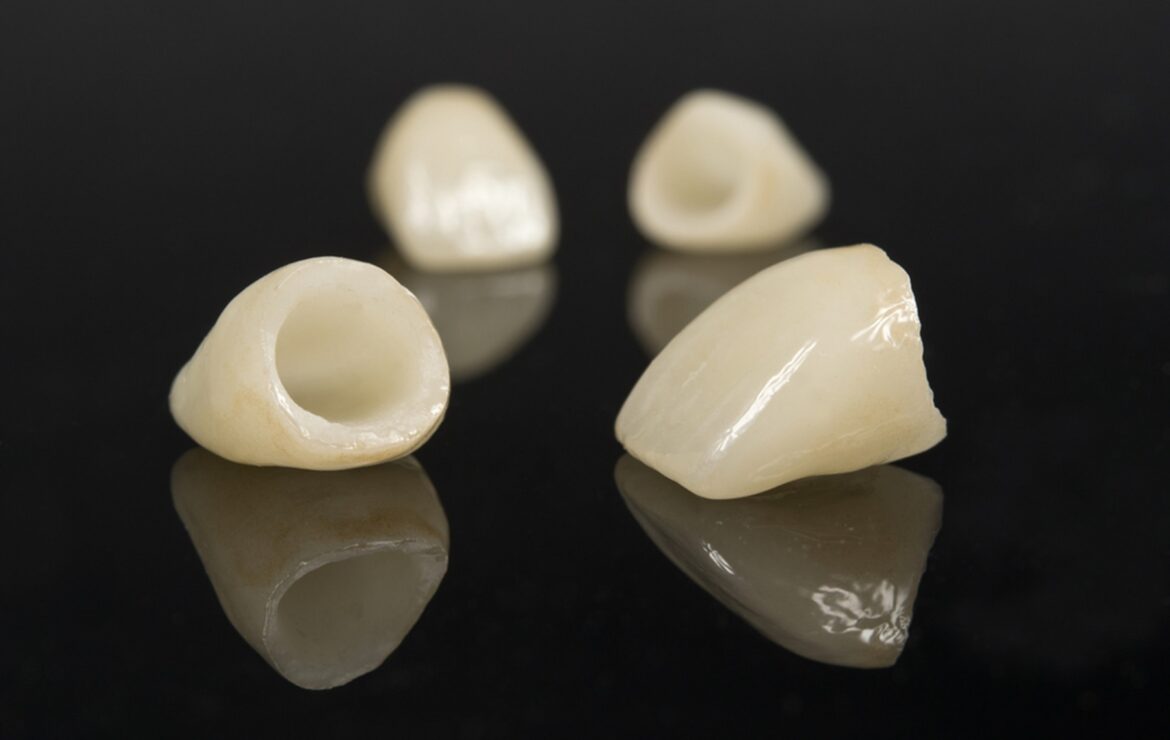
How Long Do Dental Crowns Last? Lifespan, Care & Replacement

Getting a dental crown represents a significant investment in your oral health, so naturally you want to know how long it will last. Whether you recently received a crown or are considering crown treatment at a dental clinic in Gandhinagar, understanding the expected dental crown lifespan helps you make informed decisions and plan for your dental care future.
The lifespan of dental crowns varies based on several factors including the material used, where the crown is located in your mouth, your oral hygiene habits, and lifestyle choices. While no dental restoration lasts forever, proper care and regular dental visits can significantly extend your crown’s functional life. Most patients find that their crowns serve them well for many years, often exceeding initial expectations when maintained correctly.
This guide explains what affects dental crown durability, how to maximize your crown’s lifespan through proper dental crown care, and when you might need to consider crown replacement. Understanding these factors helps you protect your investment and maintain a healthy, functional smile for years to come.
Average Lifespan of Different Crown Materials
The type of material used for your crown plays a crucial role in determining its longevity. Modern dentistry offers several crown options, each with distinct characteristics affecting dental crown durability and lifespan.
Porcelain-fused-to-metal crowns typically last between ten and fifteen years. These crowns combine metal strength with porcelain aesthetics, making them a popular choice for many years. However, the porcelain layer can chip or wear over time, especially in patients who grind their teeth. The metal underneath provides excellent durability, but the visible metal line at the gum margin can become more noticeable as gums naturally recede with age.
All-ceramic or all-porcelain crowns generally last eight to fifteen years with proper care. These crowns offer the most natural appearance and work beautifully for front teeth where aesthetics matter most. Modern ceramic materials have improved significantly, but they remain slightly more prone to fracture than metal-based options, particularly under heavy biting forces. Patients at our dental clinic in Gandhinagar often choose ceramic crowns for visible teeth due to their superior appearance.
Zirconia crowns represent the newest advancement in crown technology, and zirconia crown longevity often exceeds other materials. These crowns can last fifteen to twenty years or even longer. Zirconia combines exceptional strength with excellent aesthetics, resisting chips and fractures better than traditional ceramics while maintaining a natural tooth appearance. The material’s durability makes it suitable for both front and back teeth, and many dental professionals consider it the gold standard for modern crown treatment.
Gold and metal alloy crowns demonstrate the longest dental crown lifespan, often lasting twenty years or more. The metal’s flexibility allows it to withstand biting forces without cracking, and it causes minimal wear to opposing teeth. However, the metallic appearance makes these crowns less popular for visible areas. Some patients still choose gold crowns for back molars where strength matters more than aesthetics.
The location of your crown in your mouth also affects how long it lasts. Back teeth endure much greater biting forces than front teeth, potentially shortening crown lifespan in those positions. Conversely, front tooth crowns typically experience less stress but may show wear or discoloration more noticeably over time due to their visibility.
Factors That Affect Dental Crown Durability
Beyond the crown material itself, several factors influence how long your crown remains functional and intact. Understanding these variables helps you take appropriate steps to maximize your crown’s lifespan.
Your oral hygiene habits significantly impact dental crown durability. Poor hygiene allows bacteria to accumulate around the crown margins where it meets natural tooth structure. This bacterial buildup can cause decay in the underlying tooth or lead to gum disease that compromises the crown’s foundation. Brushing twice daily, flossing carefully around crowns, and using antibacterial mouthwash help prevent these problems and extend crown life.
Teeth grinding and clenching, known as bruxism, represents one of the most damaging habits for dental crowns. The constant pressure and friction can crack ceramic materials, loosen crowns, or wear through the crown surface. Many patients grind their teeth unconsciously during sleep, unaware of the damage occurring. A custom night guard prescribed by your dentist at a dental clinic Gandhinagar protects crowns from grinding forces and can dramatically extend their lifespan.
Your diet and eating habits also play a role in crown longevity. Chewing ice, hard candies, or other extremely hard foods can chip or crack crowns, particularly ceramic ones. Using your teeth as tools to open packages or bite nails puts unnecessary stress on crowns. Sticky foods can potentially pull crowns loose, especially if the cement bond has weakened over time. Being mindful of what and how you eat helps preserve your crowns.
The quality of the crown placement procedure itself affects long-term success. Properly prepared teeth, accurate impressions, well-fitted crowns, and strong bonding materials all contribute to better outcomes. Choosing an experienced dentist who uses high-quality materials and proven techniques makes a substantial difference in how long your crown lasts. Patients in areas like PDPU and Gift City can access skilled professionals who prioritize precision and quality in crown treatment.
Your overall health influences dental crown lifespan as well. Conditions like diabetes or autoimmune disorders that affect healing and tissue health can impact how well your gums support crowned teeth. Medications causing dry mouth reduce saliva’s protective effects, potentially increasing decay risk around crowns. Discussing your medical history with your dentist helps identify any special considerations for crown care.
Regular dental check-ups allow your dentist to monitor crown condition and address small problems before they become major issues. During these visits, your dentist examines the crown for cracks, checks the seal between crown and tooth, and assesses gum health around the crown. Professional cleanings remove buildup that home care might miss, helping prevent decay and gum disease that could compromise your crown.
Signs Your Crown Needs Replacement
Knowing when a crown requires replacement helps you address problems promptly, potentially avoiding more extensive dental work. Several warning signs indicate your crown may be failing and needs professional evaluation.
Pain or sensitivity around a crowned tooth deserves immediate attention. While some sensitivity immediately after crown placement is normal, persistent or new pain developing in a tooth that has had a crown for months or years suggests a problem. The pain might indicate decay developing under the crown, a crack in the remaining tooth structure, or problems with the tooth’s nerve. Sharp pain when biting down could mean the crown is loose or cracked.
A loose crown requires prompt treatment. You might notice the crown moving slightly when you touch it with your tongue, or it might feel different when you bite down. Sometimes loosened crowns create a gap where food gets trapped between the crown and adjacent teeth. A loose crown exposes the underlying tooth to bacteria and potential damage, so contact your dentist at a dental clinic in Gandhinagar as soon as you notice this problem.
Visible damage to the crown such as chips, cracks, or fractures means replacement is likely necessary. Small chips in porcelain crowns can sometimes be repaired, but significant damage usually requires a new crown. Even if damage doesn’t cause pain, it compromises the crown’s protective function and can lead to further problems if left untreated.
Decay around the crown margins presents a serious concern. Despite the crown covering most of the tooth, the small area where crown meets natural tooth remains vulnerable to cavities. If you notice dark areas near the gum line, experience bad taste coming from that area, or your dentist detects decay during an exam, the crown likely needs replacement after treating the underlying decay.
Gum recession around a crowned tooth can create both functional and aesthetic problems. As gums recede, they may expose the crown margin, revealing underlying tooth structure or metal. This exposure can cause sensitivity and looks unattractive, especially on front teeth. Sometimes a new crown with a different margin design can address this issue when recession becomes significant.
Changes in your bite can indicate crown problems. If your crowned tooth suddenly feels higher than surrounding teeth when you bite down, or if your bite feels uneven, the crown may have shifted or the opposing teeth may have worn down. This misalignment can cause jaw discomfort and should be evaluated by a professional offering crown treatment.
Persistent bad breath or unpleasant taste associated with a crowned tooth might indicate problems. These symptoms can result from decay, gum disease, or food trapping caused by a poorly fitting or damaged crown. While many factors can cause bad breath, when it seems localized to one area, dental evaluation is warranted.
Proper Dental Crown Care to Maximize Lifespan
Taking excellent care of your crown significantly extends its functional life. Good dental crown care involves daily habits, dietary awareness, and regular professional maintenance.
Brush your crowned teeth just as carefully as natural teeth, using a soft-bristled toothbrush and fluoride toothpaste. Pay special attention to the area where the crown meets the gum line, as this margin is vulnerable to bacterial accumulation and decay. Brush at least twice daily, using gentle circular motions rather than aggressive scrubbing that could irritate gums or damage crown margins.
Flossing around crowns requires extra care but remains essential. Slide floss gently between teeth rather than snapping it down forcefully. When removing floss from around a crown, pull it out sideways rather than lifting straight up, which could potentially catch and loosen the crown. If traditional floss feels difficult around crowns, consider using floss threaders, water flossers, or interdental brushes that can clean effectively without risking crown damage.
Professional dental cleanings every six months help maintain ceramic crown maintenance and overall oral health. During these appointments, dental hygienists remove hardened plaque and tartar that home care cannot address. They also polish crowns to remove surface stains, helping them maintain their appearance. Regular visits allow your dentist to examine crown condition and identify any developing problems early.
Protecting crowns from excessive force preserves their integrity. If you grind your teeth, wear a custom night guard consistently. Avoid chewing ice, hard candies, or other very hard foods that could damage crowns. Don’t use your teeth to open packages or hold objects. These preventive measures apply especially to ceramic and porcelain crowns, which are more susceptible to fracture than metal options.
Maintain excellent gum health through proper brushing and flossing. Healthy gums provide stable support for crowned teeth. Gum disease can cause bone loss around crowned teeth, potentially leading to crown failure even if the crown itself remains intact. If you notice gum bleeding, swelling, or recession around crowned teeth, schedule a dental appointment promptly.
Be mindful of acidic foods and beverages that can affect crown margins over time. While crowns themselves resist acid, the exposed tooth structure at the crown edge remains vulnerable. Rinse your mouth with water after consuming acidic items, and avoid holding acidic drinks in your mouth for extended periods. This consideration matters particularly for all-ceramic crowns and helps prevent decay at crown margins.
Consider using a mouthguard during contact sports or activities with fall risk. Trauma to the mouth can crack or dislodge crowns, requiring emergency dental care and potentially expensive crown replacement. A properly fitted athletic guard distributes impact force and protects both natural teeth and dental restorations.
Understanding Crown Replacement Cost and Planning
Eventually, even well-maintained crowns need replacement. Understanding crown replacement cost helps you plan financially for this inevitable expense and make informed decisions about crown materials and treatment timing.
Crown replacement cost varies based on several factors including the crown material selected, tooth location, complexity of the case, and whether additional procedures are necessary. Zirconia crowns typically cost more than traditional porcelain-fused-to-metal crowns but offer superior durability and aesthetics. All-ceramic crowns fall somewhere in the middle price range. When considering cost, factor in the expected lifespan and benefits of different materials.
Additional procedures sometimes accompany crown replacement, affecting total cost. If decay has developed under the old crown, your dentist must remove it and restore the tooth before placing a new crown. Severely damaged teeth might require root canal treatment before receiving a new crown. Gum treatment may be necessary if periodontal disease has affected the area. Your dentist at a dental clinic Gandhinagar will evaluate your specific situation and provide a comprehensive treatment plan with associated costs.
Many dental insurance plans provide some coverage for crown replacement when deemed medically necessary. Typically, insurance covers crown replacement every five to seven years, though this varies by plan. Some plans cover a percentage of the cost while others provide a fixed benefit amount. Check with your insurance provider to understand your specific coverage and maximize available benefits.
For patients concerned about crown replacement cost, several options can make treatment more manageable. Some dental practices offer payment plans that spread costs over several months. Dental financing companies provide loans specifically for dental treatment. Taking advantage of dental membership plans or discount programs offered by practices can reduce overall expenses. Discussing financial concerns openly with your dental provider helps identify solutions that work for your situation.
Timing crown replacement appropriately helps avoid more costly problems. While waiting to replace a failing crown might seem like a way to save money, delaying treatment can lead to more extensive damage requiring additional procedures. A small crack caught early might only need crown replacement, while waiting could allow decay to develop requiring root canal treatment as well. Regular dental visits help identify the optimal timing for crown replacement.
Planning ahead for crown replacement makes financial sense. If your crown is approaching ten years old and showing signs of wear, consider setting aside funds gradually rather than facing unexpected expense. Discussing crown condition with your dentist during regular visits provides insight into when replacement might become necessary, allowing time for financial planning.
When to Consider Upgrading Your Crown Material
Crown replacement presents an opportunity to upgrade to newer, more advanced materials offering improved performance and aesthetics. Understanding your options helps you make the best choice for your needs and budget.
If your current crown is porcelain-fused-to-metal and you’re unhappy with the visible metal line at the gum margin, consider upgrading to all-ceramic or zirconia when replacement becomes necessary. Modern ceramic materials eliminate the metal line, providing better aesthetics especially for front teeth. The natural translucency of these materials mimics real teeth more convincingly than older crown types.
Patients with old metal or gold crowns on visible teeth often choose to upgrade to ceramic or zirconia for improved appearance. While metal crowns function excellently, many people prefer the natural tooth color of ceramic options. Zirconia crowns offer the best of both worlds—strength comparable to metal with appearance matching natural teeth.
For crowns on back teeth where biting forces are significant, zirconia crown longevity makes this material an excellent upgrade choice. If your previous crown cracked or wore down quickly, the superior strength of zirconia can provide better long-term performance. The investment in zirconia often pays off through extended crown life and reduced need for future replacements.
Consider your current oral health status when selecting replacement crown material. If you have a history of teeth grinding, the extra durability of zirconia justifies the higher cost. Patients with excellent oral hygiene who want maximum aesthetics might prioritize all-ceramic crowns. Your dentist can recommend materials best suited to your specific situation, bite forces, and aesthetic preferences.
Advances in digital crown fabrication have improved fit and reduced appointment time for crown placement. Computer-aided design and manufacturing (CAD/CAM) technology allows precise crown creation, often in a single visit. When replacing old crowns, ask your dental clinic in Gandhinagar about digital options that might offer advantages over traditional impression methods.
Long-Term Crown Success Stories
Many patients successfully maintain their dental crowns for decades through diligent care and regular dental visits. Understanding what contributes to long-term success helps you achieve similar results with your own crowns.
Patients who prioritize daily oral hygiene consistently report longer-lasting crowns. Those who brush twice daily, floss carefully around crowns, and attend regular dental check-ups typically enjoy crown lifespans at the upper end of expected ranges. Simple consistency with basic dental crown care makes a substantial difference in outcomes.
Wearing a night guard transforms results for patients who grind their teeth. Many patients report their first crowns failing within a few years due to grinding, while subsequent crowns protected by night guards last fifteen years or longer. This protective measure represents one of the most cost-effective ways to extend dental crown durability.
Choosing quality materials and experienced dental professionals contributes significantly to crown longevity. Patients who invest in zirconia or high-quality ceramic crowns placed by skilled dentists often find these crowns exceed expected lifespans. The precision of proper crown preparation, accurate impressions, and expert fitting cannot be overstated in determining long-term success.
Addressing problems promptly when they arise prevents small issues from becoming major failures. Patients who contact their dentist immediately upon noticing crown looseness, sensitivity, or damage typically need less extensive and less expensive treatment than those who delay. Early intervention protects both the crown and underlying tooth structure.
Maintaining overall health supports crown longevity as well. Patients who manage health conditions like diabetes, avoid tobacco use, and maintain healthy gum tissue create optimal conditions for long-lasting dental restorations. The connection between whole-body health and oral health extends to how well dental work holds up over time.
Making Informed Decisions About Crown Treatment
Whether you need your first crown or are planning for crown replacement, making informed decisions ensures the best outcomes for your oral health and budget. Understanding your options and working with experienced professionals makes the process smoother.
Start by having an open conversation with your dentist about your goals, concerns, and budget. Explain what matters most to you whether that’s longevity, aesthetics, or cost considerations. Your dentist can recommend appropriate materials and treatment approaches based on your specific situation, tooth location, and individual factors affecting crown success.
Ask questions about the expected dental crown lifespan for different material options and what you can do to maximize that lifespan. Understanding proper dental crown care from the beginning helps you maintain your investment. Inquire about warranty or guarantee policies that might apply to crown work performed at your dental clinic Gandhinagar.
Consider the full scope of crown treatment including not just the crown itself but necessary supporting procedures. A tooth requiring significant buildup before crown placement might need different material considerations than a minimally prepared tooth. Understanding the complete treatment plan helps you make appropriate decisions.
Request information about the specific brands or types of crown materials your dentist uses. Some manufacturers have longer track records and better reputations than others. Knowing your crown type helps you research expected performance and make comparisons if considering treatment at multiple practices.
Schedule adequate time for crown appointments and follow any pre-appointment instructions carefully. Proper crown placement requires precision that shouldn’t be rushed. Following post-placement care instructions, including dietary restrictions during the initial healing period, helps ensure proper bonding and setting of your new crown.
Frequently Asked Questions
How long do zirconia crowns typically last compared to other crown types?
Zirconia crowns typically last fifteen to twenty years or longer with proper care, exceeding the lifespan of most other crown materials. Their exceptional strength and resistance to chipping make them highly durable. Porcelain-fused-to-metal crowns usually last ten to fifteen years, while all-ceramic crowns last eight to fifteen years. Gold crowns can last twenty years or more but lack aesthetic appeal for visible teeth. The superior zirconia crown longevity often justifies the higher initial investment, especially for patients in Gandhinagar seeking long-term solutions at our dental clinic.
What daily care routine maximizes my crown’s lifespan?
Proper dental crown care includes brushing twice daily with a soft-bristled toothbrush, flossing carefully around crowns, and using antibacterial mouthwash. Pay special attention to the crown margin where it meets your gum line. Avoid chewing ice or hard foods that could damage the crown. If you grind your teeth, wear a night guard consistently. Schedule dental check-ups every six months for professional cleaning and crown examination. These simple habits significantly extend dental crown durability and help your restoration last toward the upper end of its expected lifespan.
How much does crown replacement typically cost in Gandhinagar?
Crown replacement cost varies based on material choice, tooth location, and whether additional procedures are needed. Zirconia crowns typically cost more than porcelain-fused-to-metal or all-ceramic options but offer superior longevity. If decay has developed under the old crown, treating it before replacement adds to the total cost. Many dental insurance plans cover some crown replacement expenses when medically necessary. At our dental clinic in Gandhinagar, we provide detailed cost estimates before treatment and offer flexible payment options to make quality dental care accessible to patients throughout areas including PDPU and Gift City.
What are the warning signs that my crown is failing and needs replacement?
Key signs your crown needs evaluation include persistent pain or sensitivity, visible cracks or chips, looseness when touching the crown, decay visible at the crown margins, or changes in your bite. Bad breath or unpleasant taste localized to the crowned tooth can indicate problems. Gum recession exposing the crown edge may require crown replacement for both functional and aesthetic reasons. If you notice any of these symptoms, schedule an appointment at a dental clinic Gandhinagar promptly. Early intervention often prevents more extensive and expensive treatment while protecting your underlying tooth structure.
Can I extend my crown’s life beyond its typical lifespan?
Yes, excellent dental crown care can help your crown exceed typical lifespan expectations. Maintaining meticulous oral hygiene, wearing a night guard if you grind teeth, avoiding harmful habits like chewing ice, and attending regular dental check-ups all contribute to extended crown life. The quality of the initial crown placement and material choice also matter significantly. Zirconia crowns with proper care regularly last twenty years or longer. Addressing small problems immediately prevents major failures. Patients who prioritize ceramic crown maintenance and overall oral health often enjoy crown longevity well beyond average expectations, making their investment worthwhile.

Related posts

Write a Comment
Recent Posts

X-rays Before Dental Implants: Using 3D Tech for Success


