


How to Fix a Chipped Tooth: Options, Costs & What to Expect
How to Fix a Chipped Tooth: Options, Costs & What to Expect

Meta Title: How to Fix a Chipped Tooth | Chipped Tooth Repair Gandhinagar Cost
Meta Description: Chipped a tooth? Learn about chipped tooth repair Gandhinagar options including dental bonding, veneers & crowns. Costs, procedures & emergency care at Nova Dental Hospital near PDPU.
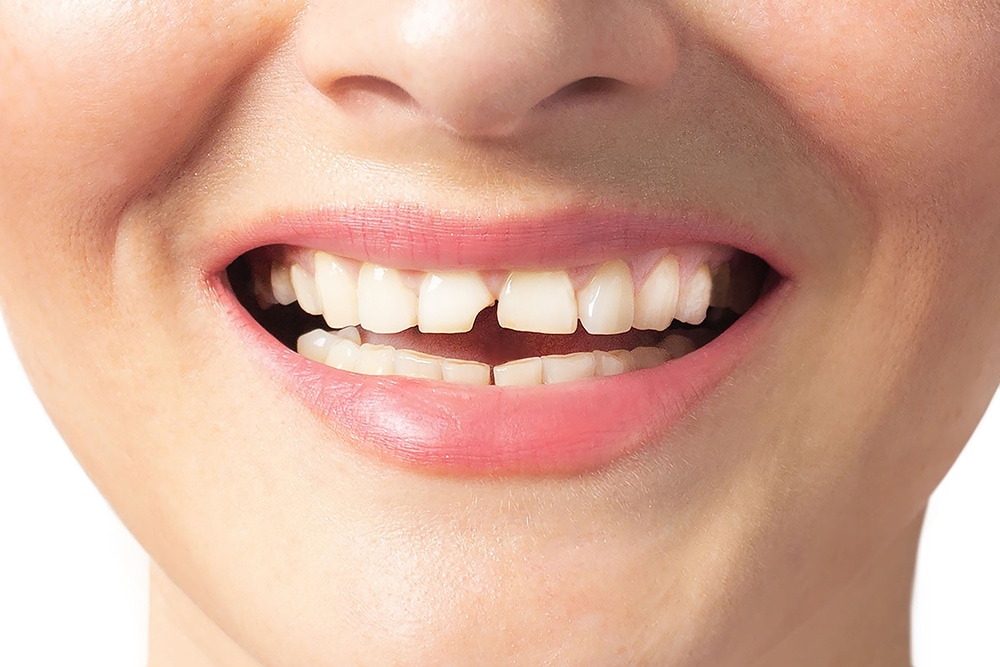
Chipping a tooth can happen in an instant—biting down on something hard, suffering a sports injury, or even grinding your teeth during sleep. That sudden realization that part of your tooth is missing creates immediate concern about both the appearance and health of your damaged tooth. Whether you’ve experienced a minor chip barely visible to others or a significant break that’s painful and obvious, understanding your chipped tooth options and knowing how to proceed brings peace of mind during what can be an anxiety-producing situation.
At Nova Dental Hospital in Gandhinagar, we provide comprehensive chipped tooth repair Gandhinagar services for patients throughout areas near PDPU and Gift City. From minor cosmetic tooth repair to complex broken tooth treatment requiring extensive restoration, our experienced team offers multiple solutions tailored to your specific situation. Understanding the available chipped tooth options, associated tooth repair costs, and what to expect during treatment empowers you to make informed decisions about restoring your damaged tooth quickly and effectively.
Understanding Chipped Teeth: Why They Happen and Why Immediate Care Matters
Before exploring chipped tooth repair Gandhinagar solutions, understanding why teeth chip and why prompt treatment is important helps you appreciate the urgency and available options for addressing your damaged tooth.
Common Causes of Chipped and Broken Teeth
Teeth are remarkably strong, designed to withstand years of chewing forces, but certain situations exceed their limits or exploit existing weaknesses. Biting hard foods or objects represents one of the most common causes of chips. Hard candy, ice cubes, popcorn kernels, nuts, and hard bread crusts can create enough force to fracture tooth enamel, particularly when biting in just the wrong way or on a tooth already weakened by large fillings or cracks.
Dental trauma from accidents and injuries causes immediate tooth damage. Falls, car accidents, sports injuries without proper mouthguard protection, physical altercations, or any blow to the face can chip, crack, or completely break teeth. Children experiencing falls while learning to walk, athletes in contact sports, and anyone involved in accidents face higher risk of traumatic tooth damage requiring emergency dentist Gandhinagar services.
Teeth grinding and clenching, medically termed bruxism, gradually weakens teeth through constant excessive force. Many people grind their teeth unconsciously during sleep or clench their jaw during stressful periods without realizing the damage occurring. Over time, this habit wears down enamel and creates microscopic cracks that eventually lead to chips, particularly along biting edges where teeth make contact.
Tooth decay weakens enamel structure, making teeth more vulnerable to chipping. Large cavities compromise tooth integrity, and teeth with extensive decay may chip during normal chewing. Old, large dental fillings also weaken remaining tooth structure, creating scenarios where the tooth around the filling chips away because insufficient healthy enamel remains to support normal function.
Temperature extremes can cause tooth damage through thermal expansion and contraction. Rapidly alternating between very hot and very cold foods or beverages—like drinking hot coffee followed immediately by ice water—creates stress within tooth structure that can contribute to cracking or chipping, particularly in teeth already compromised by fillings or decay.
Age-related wear gradually weakens teeth over decades. Years of chewing, exposure to acidic foods and beverages that erode enamel, and the natural aging process all contribute to teeth becoming more brittle and susceptible to chipping as we get older.
Why Prompt Chipped Tooth Repair Matters
Even minor chips warrant evaluation and treatment for multiple important reasons. Aesthetic concerns are often the primary motivation—a visible chip affects your smile’s appearance and can make you self-conscious about smiling, speaking, or being photographed. Front teeth chips are especially troubling since they’re immediately visible, but chips on any tooth can impact your confidence.
Sharp edges from chipped teeth irritate lips, tongue, and cheeks, causing discomfort and potential soft tissue injury. What starts as mild irritation can develop into painful sores if sharp edges continuously scrape against delicate mouth tissues. Cosmetic tooth repair smooths these edges and eliminates discomfort.
Exposed dentin or tooth pulp from deeper chips causes significant sensitivity to temperature, sweet foods, and pressure. The inner layers of teeth lack the protective enamel covering and contain nerve endings that transmit pain signals. Even if a chip seems small externally, it might expose sensitive inner tooth structure requiring prompt treatment to prevent worsening discomfort.
Increased decay risk develops around chipped areas because the irregular surface traps food particles and bacteria more easily than smooth, intact enamel. Chips create crevices that are difficult to clean thoroughly with brushing and flossing, allowing decay to develop rapidly. Untreated chips often expand as decay progresses, eventually requiring more extensive and expensive treatment than addressing the original chip promptly would have needed.
Progressive damage occurs when chipped teeth aren’t repaired. Small chips can propagate into larger cracks, minor damage can worsen during normal chewing, and weakened tooth structure becomes increasingly vulnerable to additional fractures. What might have been fixed with simple dental bonding if addressed immediately could progress to requiring crowns or even root canal treatment if left untreated.
Chipped Tooth Options: Treatment Solutions for Every Situation
The best broken tooth treatment for your situation depends on the chip’s size and location, how much tooth structure was lost, whether decay or damage extends beneath the gum line, your aesthetic concerns and budget, and the overall health of the affected tooth. Understanding available chipped tooth options helps you make informed decisions about your care.
Dental Bonding: Quick, Affordable Cosmetic Tooth Repair
Dental bonding represents the most common and often the most appropriate chipped tooth repair Gandhinagar solution for minor to moderate chips, particularly on front teeth. This procedure uses tooth-colored composite resin material that’s sculpted onto the damaged tooth, bonded to the natural tooth structure, and shaped to restore the tooth’s original appearance.
The bonding process is remarkably straightforward and typically completed in a single appointment lasting 30 to 60 minutes per tooth. After selecting a composite resin shade matching your natural tooth color, your dentist lightly roughens the tooth surface and applies a conditioning liquid that helps the bonding material adhere. The putty-like resin is then applied to the chipped area, carefully molded and smoothed to recreate the tooth’s natural shape and contours. A special curing light hardens the material within seconds, after which your dentist refines the shape, smooths any rough areas, and polishes the bonded tooth until it blends seamlessly with adjacent natural teeth.
Dental bonding offers numerous advantages making it ideal for many chip repairs. The procedure is minimally invasive, usually requiring no tooth preparation or anesthesia unless treating a deep chip near the nerve. Results are immediate—you leave the appointment with your tooth repaired and looking natural. The cost is significantly lower than alternative treatments like veneers or crowns, making bonding accessible for more patients. The process is reversible since minimal to no natural tooth structure is removed during application.
Bonding works best for small to medium chips not involving the biting edge heavily, chips on front teeth where aesthetics are paramount, patients desiring quick, affordable cosmetic tooth repair, and temporary repair until more permanent solutions like veneers can be placed. While bonded teeth look natural and function well, the composite material isn’t as strong or stain-resistant as natural enamel or porcelain restorations. Bonding typically lasts 3 to 10 years depending on location, size, and how well you care for your teeth, eventually requiring repair or replacement.
Dental Veneers for Chipped Teeth: Comprehensive Aesthetic Solution
Dental veneers for chipped teeth provide a more durable, aesthetic solution when chips are larger, affect multiple teeth, or when you desire a comprehensive smile enhancement beyond just repairing damage. Veneers are thin shells—typically porcelain or composite—custom-made to cover the front surface of teeth, simultaneously correcting chips, discoloration, minor misalignment, and shape irregularities.
The veneer process requires two appointments. During the first visit, your dentist prepares the tooth by removing a thin layer of enamel from the front surface—typically just 0.5 to 0.7 millimeters. This preparation creates space for the veneer to sit flush with adjacent teeth without appearing bulky. After preparation, detailed impressions or digital scans are taken and sent to a dental laboratory where skilled technicians custom-craft your veneers. Temporary veneers protect prepared teeth during the fabrication period.
At the second appointment approximately two to three weeks later, temporary veneers are removed and permanent veneers are carefully tried on your teeth to check fit, color, and shape. Once you and your dentist are satisfied with the appearance, veneers are permanently bonded to your teeth using strong dental adhesive and special curing light. Final adjustments ensure proper bite and aesthetics.
Dental veneers for chipped teeth excel in multiple scenarios including larger chips where bonding alone might not provide adequate strength, front teeth chips where superior aesthetics are desired, situations where you want to improve other aspects of your smile simultaneously, and when you prefer a more permanent solution than bonding offers. Porcelain veneers typically last 15 to 20 years with proper care and resist staining better than bonded teeth, making them excellent long-term investments in your smile despite higher initial tooth repair cost.
Dental Crowns: Comprehensive Protection for Severely Damaged Teeth
When chips are extensive, involve more than one tooth surface, extend below the gum line, or when significant tooth structure has been lost, dental crowns provide the most appropriate broken tooth treatment. Crowns are tooth-shaped caps that cover the entire visible portion of the tooth above the gum line, providing complete protection and restoration of function.
Crown placement typically requires two appointments. During the first visit, your dentist prepares the tooth by removing damaged or weakened structure and shaping it to receive the crown. More tooth reduction is needed for crowns compared to veneers because crowns cover all surfaces rather than just the front. Impressions or digital scans are taken, and temporary crowns protect prepared teeth while permanent crowns are fabricated in a dental laboratory over two to three weeks.
At the final appointment, temporary crowns are removed and permanent crowns are tried on to verify proper fit, bite, and appearance. Once satisfied, crowns are permanently cemented in place. Crown materials include porcelain fused to metal (strong but less aesthetic), all-porcelain or ceramic (beautiful appearance, ideal for front teeth), and zirconia (extremely strong, suitable for back teeth with heavy chewing forces).
Crowns are indicated for severely chipped teeth where significant structure was lost, chips extending near or below the gum line, teeth requiring root canal treatment due to chip-related damage to the pulp, back teeth with large chips affecting chewing surfaces, and when broken tooth treatment needs to rebuild and protect remaining tooth structure. While crowns involve more tooth preparation and higher costs than bonding or veneers, they provide superior strength, durability, and protection for compromised teeth.
Root Canal Treatment for Deep Chips Affecting Tooth Pulp
When chips are deep enough to expose tooth pulp—the inner tissue containing nerves and blood vessels—or cause pulp damage through trauma, root canal treatment becomes necessary before repairing the visible chip. Exposed or damaged pulp causes severe pain, sensitivity, and risks infection spreading to surrounding bone and tissues.
Root canal treatment removes damaged pulp tissue, thoroughly cleans and disinfects the inner tooth, and seals the canal system to prevent reinfection. After root canal completion, the tooth is restored with a crown since removing the pulp leaves teeth more brittle and vulnerable to fracture. While root canal therapy sounds intimidating, modern techniques and anesthesia make the procedure comfortable, and it’s the only way to save teeth with pulp damage rather than extracting them.
Tooth Contouring: Smoothing Minor Imperfections
For very minor chips or rough edges that don’t require adding material, tooth contouring provides a simple solution. Using fine diamond burs, your dentist carefully smooths and reshapes the chipped area, removing tiny amounts of enamel to create smooth, aesthetically pleasing contours. This conservative approach works well for barely visible chips, rough edges causing soft tissue irritation, and small imperfections on tooth edges. Contouring is quick, painless, and inexpensive, though it’s only appropriate for very minor damage.
Understanding Tooth Repair Cost: Investment in Your Smile
The tooth repair cost for fixing chipped teeth varies significantly based on treatment type, severity of damage, tooth location, and materials used. Understanding typical cost ranges helps you budget appropriately and appreciate the value different treatments provide.
Cost Ranges for Common Treatments
Dental bonding for chipped tooth repair Gandhinagar typically ranges from ₹2,000 to ₹6,000 per tooth depending on chip size, complexity, and material used. This affordable option provides excellent value for minor to moderate chips, making cosmetic tooth repair accessible to most patients. The cost reflects the relatively quick procedure time, materials used, and the immediate aesthetic improvement achieved.
Dental veneers for chipped teeth cost significantly more, with porcelain veneers typically ranging from ₹15,000 to ₹25,000 per tooth and composite veneers from ₹6,000 to ₹12,000 per tooth. While representing a larger investment, veneers provide superior aesthetics, greater durability lasting 15 to 20 years, and the ability to simultaneously correct multiple aesthetic concerns beyond just the chip. When amortized over their lifespan, veneers often provide excellent value.
Dental crowns range from ₹5,000 to ₹20,000 per tooth depending on material and complexity. All-porcelain or zirconia crowns suitable for front teeth fall at the higher end of this range, while porcelain-fused-to-metal crowns for back teeth might cost less. Despite the higher initial investment, crowns provide complete tooth protection and restoration of full function, often representing the only viable option for severely damaged teeth.
Root canal treatment, when necessary before repairing deep chips, adds ₹2,500 to ₹7,500 to the total cost depending on tooth location and complexity. Front teeth with single canals are less expensive than back teeth with multiple canals. While no one wants to need root canal therapy, it’s the only alternative to extraction when pulp is damaged, making it a worthwhile investment in saving your natural tooth.
Emergency dentist Gandhinagar visits for immediate chip assessment and temporary repair typically cost ₹1,000 to ₹3,000 depending on services provided. Many dental practices offer emergency appointments for acute situations like chipped teeth causing pain or significant aesthetic concern.
At Nova Dental Hospital, we provide transparent pricing with detailed cost estimates before beginning treatment. We discuss all options with associated costs, helping you make informed decisions about chipped tooth repair that align with your budget and goals.
Factors Influencing Treatment Cost
Several variables affect the final tooth repair cost beyond just the treatment type selected. The extent of damage significantly impacts cost—larger chips requiring more extensive treatment naturally cost more than minor chips. Tooth location matters because front teeth requiring superior aesthetics might need premium materials, while back teeth might use more cost-effective options prioritizing strength over appearance.
Material quality influences price, with high-grade porcelain and zirconia costing more than composite materials but providing better aesthetics, strength, and longevity. The dentist’s expertise and experience factor into costs, as highly skilled cosmetic dentistry Gandhinagar specialists command higher fees reflecting their advanced training and superior results. Geographic location affects pricing, with metropolitan dental practices typically charging more than rural clinics due to higher overhead costs.
Additional procedures needed before repairing the chip—such as treating decay, performing root canal therapy, or addressing gum disease—increase total costs. Complex cases requiring extensive planning, multiple appointments, or specialized techniques cost more than straightforward repairs.
What to Expect During Chipped Tooth Repair: The Treatment Process
Understanding what happens during treatment reduces anxiety and helps you feel prepared for your appointment. While specific steps vary based on the chosen treatment, certain elements are common across most chipped tooth repair procedures.
Initial Emergency Care and Assessment
If you chip a tooth, taking immediate action protects the tooth and maximizes treatment options. Rinse your mouth with warm water to clean the area, apply a cold compress to reduce swelling if trauma occurred, take over-the-counter pain medication if needed, and avoid chewing on the damaged tooth. If you can find the broken tooth fragment, store it in milk or saliva and bring it to your dental appointment—sometimes fragments can be reattached.
Contact an emergency dentist Gandhinagar as soon as possible, particularly if the chip is large, causes pain, has sharp edges cutting your mouth, or occurred due to significant trauma. Many practices offer same-day emergency appointments for urgent situations.
During your evaluation appointment, your dentist examines the chipped tooth visually and with instruments to assess damage extent, takes X-rays to check for root damage or cracks beneath the gum line, evaluates bite and jaw alignment, discusses symptoms like pain or sensitivity, and reviews how the chip occurred. This comprehensive assessment guides treatment recommendations.
Treatment Appointment Experience
For dental bonding, the procedure is straightforward and comfortable. After selecting the appropriate composite shade, your dentist applies bonding material, shapes it to restore natural tooth contours, hardens it with a curing light, and refines the final shape and polish. The entire process typically takes 30 to 60 minutes, and you leave with your tooth repaired and looking natural.
Veneer and crown procedures involve tooth preparation under local anesthesia ensuring complete numbness and comfort. You feel pressure during preparation but no pain. After preparation, impressions are taken and temporary restorations placed. The final appointment involves carefully bonding or cementing permanent restorations after verifying perfect fit and aesthetics.
Throughout treatment, our cosmetic dentistry team keeps you informed about what’s happening, checks your comfort regularly, and ensures you feel relaxed and cared for.
Aftercare and Recovery
Most chipped tooth repair requires minimal recovery. Bonding needs no special aftercare beyond normal oral hygiene, though avoiding very hard foods on bonded teeth for 24 hours helps ensure proper setting. Teeth prepared for veneers or crowns with temporary restorations need gentle care—avoiding sticky or very hard foods, being careful when flossing around temporary restorations, and attending your final appointment as scheduled.
Once permanent veneers or crowns are placed, treat them like natural teeth with consistent brushing and flossing, regular dental checkups, and avoiding habits that could damage restorations like chewing ice or using teeth as tools. With proper care, most repairs last many years, providing excellent long-term value for your investment in cosmetic tooth repair.
Preventing Future Chips: Protecting Your Teeth
While accidents happen, certain precautions reduce your risk of chipping teeth in the future. Wear mouthguards during sports, especially contact sports, to protect teeth from trauma. Custom mouthguards from your dentist provide superior protection compared to generic store-bought versions.
Avoid chewing hard objects including ice cubes, hard candy, popcorn kernels, nuts, and using teeth to open packages or bottles. Be mindful when eating foods with pits or bones. Address teeth grinding with a custom nightguard if you grind your teeth during sleep. These oral appliances cushion teeth and distribute forces, preventing wear and chips.
Maintain regular dental checkups allowing early detection of decay, cracks, or weakened areas that increase chip risk. Treating problems early prevents progression to more serious damage. Maintain excellent oral hygiene keeping teeth and gums healthy and strong.
Conclusion: Expert Chipped Tooth Repair When You Need It
Whether you’ve experienced a minor chip causing aesthetic concern or significant damage requiring immediate attention, effective chipped tooth options exist for every situation. From affordable dental bonding for quick cosmetic tooth repair to comprehensive dental veneers for chipped teeth or crowns for extensive damage, modern dentistry provides solutions restoring both function and appearance.
At Nova Dental Hospital in Gandhinagar, our experienced team specializes in chipped tooth repair Gandhinagar services for patients throughout areas near PDPU and Gift City. We offer multiple broken tooth treatment options with transparent tooth repair cost information, helping you make informed decisions about restoring your damaged tooth quickly and effectively.
Don’t let a chipped tooth affect your smile confidence or oral health. Contact our emergency dentist Gandhinagar team today for prompt evaluation and expert repair. Whether you need immediate care for a recent chip or want to address damage that occurred weeks ago, we provide compassionate, skilled treatment using the latest techniques and materials.
Your restored, confident smile is our priority. Experience expert cosmetic tooth repair at Gandhinagar’s trusted dental clinic.
Frequently Asked Questions
Can a chipped tooth be fixed in one visit?
Yes, many chipped tooth repair Gandhinagar treatments can be completed in a single appointment, particularly dental bonding for minor to moderate chips. Bonding typically takes 30 to 60 minutes per tooth and provides immediate results. You leave with your tooth repaired and looking natural the same day. However, more extensive treatments like dental veneers for chipped teeth or crowns require two visits—one for tooth preparation and impressions, and a second appointment two to three weeks later for placing the permanent restoration. If a chip requires root canal treatment due to pulp damage, multiple appointments are necessary. During your emergency dentist Gandhinagar evaluation, your dentist explains whether your specific situation can be addressed in one visit or requires multiple appointments.
How long do different chipped tooth repairs last?
The longevity of broken tooth treatment varies significantly by type. Dental bonding typically lasts 3 to 10 years depending on the chip’s location, size, and your care habits. Bonding on front teeth often lasts longer than bonding on back teeth subjected to heavy chewing forces. Dental veneers for chipped teeth provide superior durability, with porcelain veneers lasting 15 to 20 years and composite veneers 5 to 10 years with proper care. Dental crowns typically last 10 to 15 years or longer, with some lasting decades. Factors affecting longevity include oral hygiene quality, avoiding damaging habits like chewing ice or grinding teeth, regular dental checkups, and the specific materials used. Proper care significantly extends the life of any repair, maximizing your investment in cosmetic tooth repair.
Will my dental insurance cover chipped tooth repair?
Insurance coverage for chipped tooth repair varies based on your specific plan and the treatment required. Most dental insurance covers necessary broken tooth treatment to restore function and prevent further damage, particularly if the chip resulted from trauma. Dental bonding, crowns, or root canal treatment needed due to significant chips are often partially covered. However, purely cosmetic tooth repair for minor chips not affecting function might not be covered or may receive reduced benefits. Procedures classified as cosmetic dentistry like dental veneers for chipped teeth are often not covered unless deemed medically necessary. Review your policy details or contact your insurance provider to understand your coverage. Our dental clinic in Gandhinagar team can also verify benefits and provide cost estimates showing your expected out-of-pocket expenses before beginning treatment.
Is fixing a chipped tooth painful?
No, chipped tooth repair Gandhinagar procedures are not painful when performed with proper techniques. Dental bonding for minor chips typically requires no anesthesia since the procedure doesn’t involve drilling or touching sensitive tooth structure. At most, you might feel slight pressure during application and shaping. For more extensive repairs requiring tooth preparation—like veneers or crowns—local anesthesia ensures complete numbness, so you feel no pain during treatment. Some patients experience mild sensitivity after anesthesia wears off, particularly if significant tooth preparation was needed, but this typically resolves within a few days. Over-the-counter pain relievers manage any discomfort effectively. Most patients report that the treatment process is much easier and more comfortable than anticipated, with minimal to no discomfort during and after the procedure.
What if I can’t afford to fix my chipped tooth right away?
If tooth repair cost concerns prevent immediate treatment, communicate this with your dentist. For minor chips not causing pain or sensitivity, temporary solutions might suffice until you can afford permanent repair. Smooth sharp edges to prevent soft tissue irritation, be extra careful when chewing to avoid worsening the chip, maintain excellent oral hygiene around the damaged area, and avoid very hard or sticky foods on that side. However, understand that delaying treatment allows progression of damage that could ultimately require more extensive, expensive treatment. A small chip fixed promptly with dental bonding might progress to requiring a crown or even root canal if left untreated. Many dental practices including Nova Dental Hospital offer payment plans making treatment more affordable through manageable monthly payments. Don’t let cost prevent you from getting necessary care—discuss options with your dentist to find a solution that works for your budget while protecting your oral health.

Related posts
Write a Comment
Recent Posts

3D Scan for Root Canal: Finding Hidden Canals

Making Wisdom Tooth Removal Safer with CBCT Scans

X-rays Before Dental Implants: Using 3D Tech for Success

