


Is It Normal for My Child to Lose Teeth Late?
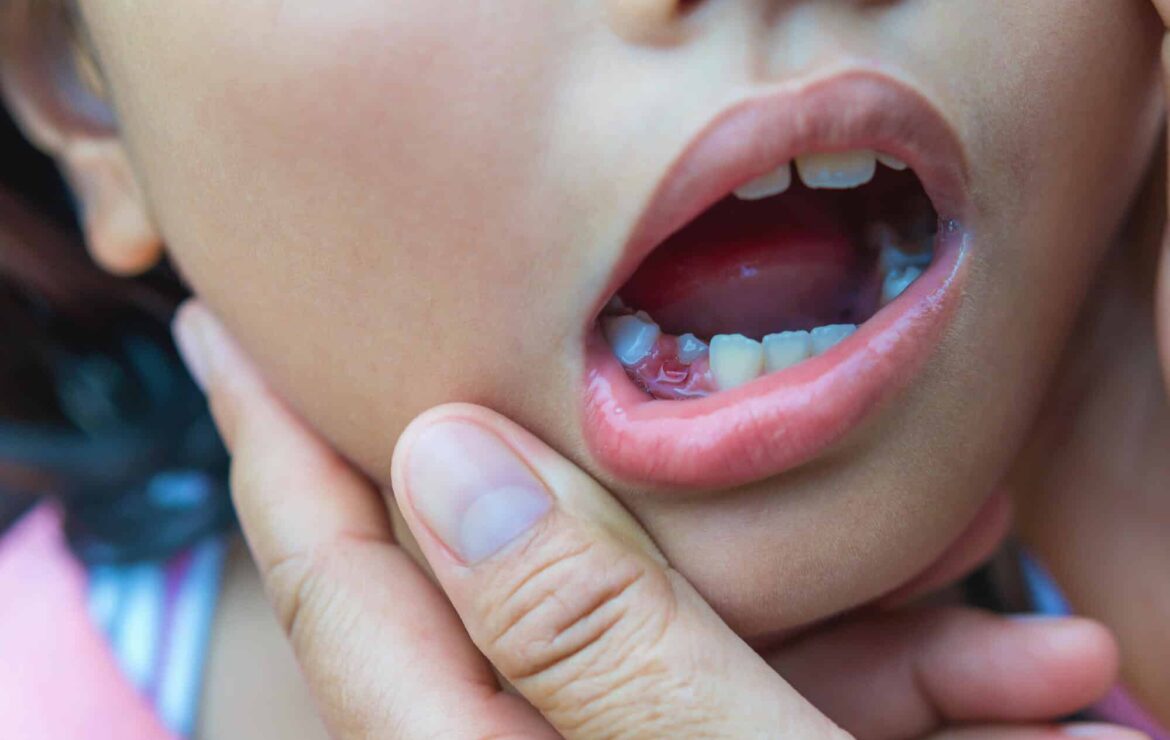
Is It Normal for My Child to Lose Teeth Late?

As a parent, watching your child reach developmental milestones brings joy and sometimes worry. When you notice your child losing teeth late compared to classmates or siblings, it’s natural to wonder whether this variation is normal or signals a problem. Understanding the typical timeline for baby teeth loss and recognizing when delayed tooth loss warrants professional evaluation helps you make informed decisions about your child’s dental care.
At Nova Dental Hospital in Gandhinagar, our experienced team provides comprehensive kids dental care Gandhinagar families trust. We understand parents’ concerns about children’s dentistry milestones and help families near PDPU and Gift City navigate questions about tooth development. While most variations in timing are perfectly normal, knowing when a child losing teeth late requires evaluation from a pediatric dentist near me gives you peace of mind and ensures your child receives appropriate care when needed.
Understanding the Normal Timeline for Baby Teeth Loss
Before addressing concerns about a child losing teeth late, it’s helpful to understand the typical timeline for primary tooth loss. This context helps you recognize what constitutes “late” and appreciate the normal range of variation among children.
Most children begin losing baby teeth around age six, though the normal range extends from five to seven years old. The lower front teeth, called central incisors, typically fall out first, followed shortly by the upper central incisors. This sequence mirrors how these teeth originally emerged during infancy. The lateral incisors, next to the central ones, usually follow within the next year.
Primary molars typically fall out between ages nine and eleven, with first molars preceding second molars. The canine teeth, often called “eye teeth,” usually remain until around ages ten to twelve. By approximately age twelve or thirteen, most children have lost all twenty primary teeth and have their permanent teeth in place, except for wisdom teeth that emerge later during the teenage years or early twenties.
This progression occurs as permanent teeth developing beneath the gums gradually dissolve the roots of baby teeth. As roots shorten, baby teeth become loose and eventually fall out, making way for permanent successors. The entire process of replacing all primary teeth with permanent ones typically takes six to seven years from start to finish.
However, these timelines represent averages, not strict rules. Significant variation exists among healthy, normally developing children. Some perfectly normal children start losing teeth at age four, while others don’t lose their first tooth until age eight. Similarly, the pace of tooth loss varies, with some children losing multiple teeth quickly while others have longer gaps between losses.
Common Reasons for a Child Losing Teeth Late
When your child seems behind peers in losing baby teeth, several factors might explain this variation. Understanding these common causes helps determine whether the situation requires professional attention or simply patience.
Genetic factors significantly influence dental development timing. If you or your partner lost baby teeth later than average, your child may follow a similar pattern. Family history of late tooth development is one of the most common reasons for children experiencing delayed tooth loss. This inherited trait affects the pace of root resorption and permanent tooth eruption but doesn’t typically indicate any problem with oral health or development.
Individual variation in growth and development extends to dental milestones. Just as children reach different heights at different ages or enter puberty at varying times, tooth development follows individual timelines. A child losing teeth late may simply be on the later end of the normal developmental spectrum. As long as other aspects of growth and health are progressing appropriately, this variation rarely signals concern.
Nutritional factors can influence tooth development timing. Children with excellent nutrition supporting strong bone and tooth formation sometimes retain baby teeth longer because the roots are particularly robust. Conversely, certain nutritional deficiencies might affect development, though this typically presents with other health concerns beyond delayed tooth loss.
Lack of space in the jaw sometimes delays tooth loss. When a child’s jaw is small or teeth are crowded, permanent teeth may take longer to position themselves to push out baby teeth. This situation might require evaluation by a pediatric dentist to determine whether orthodontic intervention will eventually be needed, though the delayed tooth loss itself may not be problematic.
Previous dental trauma can affect tooth loss timing. If a baby tooth was injured earlier in childhood—perhaps loosened or pushed back into the gum—its root might have fused to the surrounding bone in a process called ankylosis. This fusion prevents the tooth from loosening and falling out naturally. Injured teeth sometimes develop differently than unaffected teeth, creating variation in loss timing.
When a Child Losing Teeth Late Requires Professional Evaluation
While many cases of delayed tooth loss fall within normal variation, certain situations warrant evaluation by a pediatric dentist near me to rule out underlying conditions or prevent future complications.
If your child hasn’t begun losing any baby teeth by age eight, professional evaluation is advisable. While some normal children start late, this timing falls outside the typical range and warrants checking for conditions that might delay tooth development. Your pediatric dentist can take X-rays to verify that permanent teeth are developing properly beneath the gums and assess whether any factors are impeding their eruption.
Significant asymmetry in tooth loss patterns deserves attention. For example, if your child lost the lower left central incisor at age six but the corresponding tooth on the right side shows no signs of looseness by age eight, this imbalance might indicate a problem with the permanent tooth on the delayed side. Teeth generally fall out in symmetrical patterns, so marked differences between left and right sides suggest investigating why one side is delayed.
Baby teeth that remain firmly in place well beyond when the corresponding permanent tooth should have erupted may indicate issues like missing permanent teeth, impacted permanent teeth unable to break through, or ankylosis where the baby tooth has fused to bone. Dental X-rays can reveal these conditions and guide appropriate treatment planning.
A child losing teeth late accompanied by other developmental delays or health concerns might reflect systemic conditions affecting growth. If your child shows delays in multiple areas—physical growth, bone development, puberty, or other milestones—comprehensive medical evaluation helps determine whether an underlying condition requires treatment. Your pediatrician and dentist can work together to assess your child’s overall development.
Pain, swelling, discoloration, or infection associated with teeth that aren’t falling out on schedule always requires prompt dental evaluation. These symptoms suggest problems beyond simple variation in timing and need professional diagnosis and treatment to prevent complications.
Conditions That Can Cause a Child Losing Teeth Late
While most cases of delayed tooth loss reflect normal variation or benign factors, certain dental and medical conditions can affect the timeline for primary tooth loss. Understanding these possibilities helps parents recognize when professional evaluation is particularly important.
Congenitally missing permanent teeth, a condition where some permanent teeth simply never develop, occurs in approximately 5% of the population. When a permanent tooth is absent, the corresponding baby tooth has no successor pushing it out. These primary teeth often remain stable for years because their roots aren’t being resorbed by an erupting permanent tooth. X-rays easily identify missing permanent teeth, allowing your dentist to discuss options for the future, which might include maintaining the baby tooth as long as possible or planning for replacement with a bridge or implant once your child is older.
Impacted permanent teeth cannot erupt properly due to positioning problems, crowding, or obstacles in their path. When a permanent tooth is impacted, it doesn’t push against its predecessor’s root, so the baby tooth remains in place. Common locations for impaction include canine teeth and premolars. Early diagnosis through X-rays allows treatment planning to address the impaction, which might involve creating space through orthodontics or surgically exposing the impacted tooth.
Ankylosis occurs when a baby tooth fuses directly to the surrounding bone, usually following trauma. The fused tooth doesn’t loosen naturally because the bone integration prevents normal root resorption. Ankylosed teeth often appear shorter than adjacent teeth because they don’t continue growing with the jaw as the child develops. These teeth typically require extraction by a dental professional since they won’t fall out naturally, and their presence can affect alignment of permanent teeth.
Hypothyroidism and other endocrine disorders can affect the pace of dental development along with other growth processes. Children with underactive thyroid function may experience delayed tooth eruption and loss as part of broader developmental delays. If your child shows multiple signs of slow development—delayed height growth, late puberty, sluggish metabolism—medical evaluation for hormonal conditions is important, and addressing the underlying condition typically normalizes dental development.
Certain genetic syndromes include delayed tooth development among their features. Conditions like Down syndrome, cleidocranial dysplasia, and others can affect tooth formation, eruption, and loss timing. If your child has a diagnosed genetic condition, your pediatric dentist works with your medical team to provide appropriate dental care tailored to your child’s needs.
Severe nutritional deficiencies, though uncommon in developed areas like Gandhinagar, can affect tooth development. Vitamin D deficiency impacting bone formation or protein-calorie malnutrition might contribute to delayed dental milestones. These situations typically present with obvious signs of poor nutrition and general health concerns beyond dental timing.
The Role of X-Rays in Evaluating a Child Losing Teeth Late
When parents bring concerns about a child losing teeth late to our kids dental care Gandhinagar practice, dental X-rays often provide valuable diagnostic information that guides recommendations.
Panoramic X-rays show all teeth in both jaws in a single image, allowing comprehensive assessment of dental development. This view reveals whether permanent teeth are present and developing normally, shows their positioning relative to baby teeth, identifies any teeth that are missing or impacted, and demonstrates the root status of baby teeth still in place. Many dental practices recommend a baseline panoramic X-ray around age six or seven specifically to assess dental development and identify potential issues early.
The information from X-rays helps distinguish normal late tooth loss from conditions requiring intervention. Seeing well-formed permanent teeth in proper position beneath retained baby teeth provides reassurance that tooth loss will occur naturally, even if later than average. Conversely, identifying missing permanent teeth or impaction issues allows proactive planning to address these situations appropriately.
Parents sometimes worry about radiation exposure from dental X-rays, but modern digital X-rays use extremely low radiation doses. Pediatric dentistry protocols include using the smallest necessary field of radiation and protective lead aprons to minimize exposure. The diagnostic value of understanding your child’s dental development typically far outweighs the minimal risks of dental X-rays performed according to appropriate guidelines.
How Pediatric Dentists Support Children’s Dentistry Development
Regular visits to a pediatric dentist near me provide benefits beyond addressing concerns about a child losing teeth late. These specialized practitioners focus on the unique dental needs of growing children.
Pediatric dentists monitor dental development during routine checkups, tracking tooth eruption and loss patterns against normal ranges. This ongoing surveillance catches potential problems early when intervention is most effective. During visits, your pediatric dentist examines existing teeth, assesses gum health, evaluates bite development, and discusses any concerns you have about your child’s dental milestones.
Preventive care forms the foundation of children’s dentistry. Professional cleanings remove plaque and tartar that contribute to cavities and gum disease. Fluoride treatments strengthen tooth enamel, making teeth more resistant to decay. Dental sealants applied to the chewing surfaces of newly erupted permanent molars protect these vulnerable teeth from cavities during the years when children are still developing optimal brushing skills.
Education helps children and parents maintain excellent oral health. Your pediatric dentist teaches age-appropriate brushing and flossing techniques, discusses diet choices that support dental health, explains the importance of regular dental visits, and addresses habits like thumb-sucking or pacifier use that might affect tooth positioning. This guidance helps families near PDPU and Gift City establish strong foundations for lifelong oral health.
Early orthodontic assessment, typically around age seven, identifies developing bite problems and crowding issues. While full orthodontic treatment usually occurs later, early intervention for certain conditions prevents more serious problems from developing. Your pediatric dentist refers to orthodontists when appropriate and may use techniques like space maintainers to preserve room for permanent teeth when baby teeth are lost prematurely or extraction of baby teeth when they’re impeding proper permanent tooth eruption.
Creating positive dental experiences ensures children develop healthy attitudes toward dental care. Pediatric dental offices create welcoming environments with child-friendly décor, staff trained in working with children, and gentle, patient approaches that minimize anxiety. These experiences establish patterns where children view dental visits as normal, non-threatening events rather than sources of fear.
What Parents Can Do About a Child Losing Teeth Late
If you’re concerned about your child losing teeth late, several steps help you support your child’s dental development and determine whether professional evaluation is needed.
Track your child’s dental milestones by noting when each baby tooth was lost and when permanent teeth erupted. This record helps you and your dentist assess patterns and identify any unusual delays or asymmetries. Many parents find keeping a simple chart or marking milestones in a baby book helps them remember details that might otherwise be forgotten.
Compare with family history by thinking about when you and your partner lost baby teeth. If late tooth loss runs in your family, your child’s experience may simply reflect inherited development patterns. Asking grandparents about your own dental development sometimes provides helpful perspective.
Schedule a dental evaluation if you have concerns, even if your child’s last checkup was relatively recent. A dental clinic in Gandhinagar that specializes in pediatric care can assess your child’s situation and provide professional perspective on whether the timing falls within normal ranges or warrants further investigation. This evaluation brings peace of mind and ensures any issues are caught early.
Maintain excellent oral hygiene regardless of tooth loss timing. Baby teeth require the same careful cleaning as permanent teeth because decay in primary teeth can damage developing permanent teeth beneath them. Ensure your child brushes twice daily with fluoride toothpaste, flosses daily once teeth touch each other, and maintains a diet low in sugary snacks and beverages. These habits protect both existing baby teeth and emerging permanent teeth.
Avoid attempting to rush tooth loss by encouraging your child to wiggle or pull teeth that aren’t ready to fall out naturally. While wiggling genuinely loose teeth doesn’t cause harm, forcing teeth out prematurely can damage roots, cause unnecessary bleeding, or increase infection risk. Baby teeth fall out when they’re ready, and attempting to speed the process creates risks without meaningful benefit.
Understanding the Connection Between Baby Teeth and Permanent Teeth
The relationship between primary and permanent teeth influences timing and emphasizes why baby teeth health matters even though they’re temporary.
Baby teeth serve as placeholders for permanent teeth, maintaining space in the jaw and guiding permanent teeth into proper position. When baby teeth are lost prematurely due to decay or injury, adjacent teeth often drift into the empty space, potentially causing crowding problems when permanent teeth try to erupt. This connection explains why pediatric dentists work to preserve baby teeth until they’re naturally ready to fall out.
The health of baby teeth affects permanent teeth developing beneath them. Severe decay or infection in a primary tooth can damage the permanent tooth forming underneath. Bacteria from an abscessed baby tooth can interfere with enamel formation on the permanent successor, causing defects that weaken the permanent tooth for life. This risk underscores the importance of treating cavities in baby teeth rather than ignoring them because “they’ll fall out anyway.”
The roots of baby teeth gradually dissolve as permanent teeth develop and push upward. This process, called root resorption, is triggered by the erupting permanent tooth. When you notice a baby tooth becoming loose, the root has already dissolved substantially, which is why baby teeth that fall out have virtually no root attached. Understanding this process helps parents appreciate that a child losing teeth late might reflect slower root resorption or delayed positioning of the permanent tooth.
Addressing Anxiety About Dental Development Differences
When your child loses teeth on a different schedule than peers, both you and your child might experience worry or self-consciousness. Addressing these feelings helps everyone navigate this developmental variation more comfortably.
Children may feel self-conscious about being different from classmates, whether they’ve lost teeth earlier or later than peers. Reassure your child that bodies develop on individual schedules and that their dental timing doesn’t reflect anything wrong with them. Share examples of other developmental variations like height, hair growth, or when different skills are learned. Emphasize that timing differences don’t determine the quality of their eventual permanent teeth.
Some children worry that “late” tooth loss means something is wrong with them. Provide age-appropriate explanation about normal variation, perhaps comparing it to how children in their class have different heights or lose baby teeth at different ages. If your pediatric dentist has confirmed that development is progressing normally, share this reassurance with your child. Professional validation often helps children worry less about developmental differences.
Parents sometimes feel anxious about whether delayed milestones indicate problems. Remember that dental development timelines are guidelines, not rigid rules. Wide variation exists among healthy, normally developing children. If your child’s overall health is good, they’re growing appropriately, and your dentist hasn’t identified concerns, later tooth loss most likely reflects normal variation. Trust professional guidance and avoid excessive worry that can inadvertently transmit anxiety to your child.
When Early Intervention Makes a Difference
While this article focuses on late tooth loss, understanding situations where early intervention helps provides context for why monitoring dental development matters.
If evaluation reveals conditions like impacted teeth or missing permanent teeth causing a child losing teeth late, addressing these issues early often prevents complications. For impacted teeth, creating space through orthodontic treatment or surgically exposing the tooth may allow proper eruption. For missing permanent teeth, planning ahead helps you make informed decisions about maintaining the baby tooth long-term or preparing for eventual replacement.
Ankylosed baby teeth that won’t fall out naturally typically require extraction. Removing these teeth at the appropriate time prevents them from blocking proper alignment of permanent teeth or creating aesthetic concerns as the child grows and the fused tooth appears increasingly short relative to adjacent teeth.
Orthodontic issues identified during evaluation of late tooth loss might benefit from early interceptive treatment. Phase one orthodontics, typically done before all permanent teeth have erupted, addresses certain problems like severe crowding or jaw discrepancies. While not appropriate for every child, early intervention in selected cases simplifies later treatment and prevents more serious problems from developing.
Conclusion: Supporting Your Child Through Dental Development
Noticing a child losing teeth late naturally raises questions, but understanding normal developmental variation helps distinguish typical patterns from situations requiring professional attention. While tooth loss timing varies widely among healthy children, monitoring development and seeking evaluation when appropriate ensures your child receives care if needed.
At Nova Dental Hospital in Gandhinagar, Dr. Happy Patel and our pediatric dental team provide comprehensive children’s dentistry care for families throughout areas including PDPU and Gift City. We help parents understand their children’s dental development, identify when variation falls within normal ranges, and provide appropriate intervention when conditions affecting tooth loss timing require treatment.
If you have concerns about your child’s dental development, including questions about tooth loss timing, we encourage you to schedule a pediatric dental evaluation. Our team creates positive, comfortable experiences for children while providing parents with the information and guidance they need. Early assessment brings peace of mind and ensures your child’s dental development progresses optimally.
Remember that later tooth loss is often perfectly normal, reflecting your child’s individual developmental timeline. With proper monitoring, excellent oral hygiene, and professional guidance when needed, your child will develop a healthy, beautiful permanent smile regardless of when baby teeth make their exit.
Frequently Asked Questions
Should I worry if my 8-year-old hasn’t lost any teeth yet?
An eight-year-old who hasn’t lost any baby teeth falls outside the typical range and warrants professional evaluation, though it doesn’t necessarily indicate a serious problem. Schedule an appointment with a pediatric dentist near me who can take X-rays to verify that permanent teeth are developing normally beneath the gums. In many cases, the child’s development is simply on the later end of normal, and teeth will begin falling out soon. However, evaluation rules out conditions like missing permanent teeth or impacted teeth that might require monitoring or intervention.
Can diet affect when my child loses baby teeth?
Diet primarily affects tooth health rather than tooth loss timing, though nutrition does play a role in overall development. Children with balanced diets supporting strong bone and tooth formation develop on healthy timelines. Severe nutritional deficiencies can delay development, including dental milestones, but this typically occurs alongside other obvious health concerns. Focus on providing nutritious foods rich in calcium, vitamin D, and other essential nutrients to support your child’s overall development, including healthy teeth and bones. If you have concerns about a child losing teeth late, discuss both dental and nutritional aspects with healthcare providers.
Is there anything I can do to help baby teeth fall out faster?
There’s no safe way to speed up natural tooth loss, and attempting to do so can cause problems. Baby teeth fall out when the permanent tooth beneath has dissolved enough of the root, and this process follows your child’s individual timeline. Encouraging your child to wiggle genuinely loose teeth doesn’t harm anything, but avoid pulling teeth that aren’t ready or using forceful methods to rush the process. If a tooth seems ready to fall out but lingers uncomfortably, your pediatric dentist can evaluate whether gentle removal is appropriate. Otherwise, patience allows nature to take its course safely.
Do children who get teeth early also lose them early?
Generally, yes—children who teethed early as babies often lose teeth earlier than average, and those who teethed late typically lose teeth later. This pattern reflects individual developmental timing that remains relatively consistent throughout childhood. However, this isn’t an absolute rule, and exceptions occur. If your child teethed very early or late and you’re wondering whether to expect similar patterns with tooth loss, discussing your child’s history with a dentist Gandhinagar helps set appropriate expectations for future milestones.
Will late tooth loss affect my child’s permanent teeth?
In most cases, a child losing teeth late doesn’t negatively affect permanent teeth, assuming the delay reflects normal developmental variation rather than an underlying condition. Permanent teeth typically erupt on their own timeline, and later loss of baby teeth simply means the process proceeds at a slower pace. However, if late tooth loss results from conditions like ankylosis or impacted permanent teeth, addressing these issues prevents potential problems with permanent tooth positioning or health. This is why professional evaluation provides value—it distinguishes benign variation from situations requiring intervention to protect permanent teeth.

Related posts

Write a Comment
Recent Posts

X-rays Before Dental Implants: Using 3D Tech for Success


