


My Child Grinds Their Teeth at Night (Bruxism): Should I Be Worried?
My Child Grinds Their Teeth at Night (Bruxism): Should I Be Worried?

Meta Title:
Meta Description: Is your child grinding teeth at night? Learn about pediatric bruxism causes, when to worry, night guard for children, bruxism treatment & expert care from pediatric dentist in Gandhinagar.
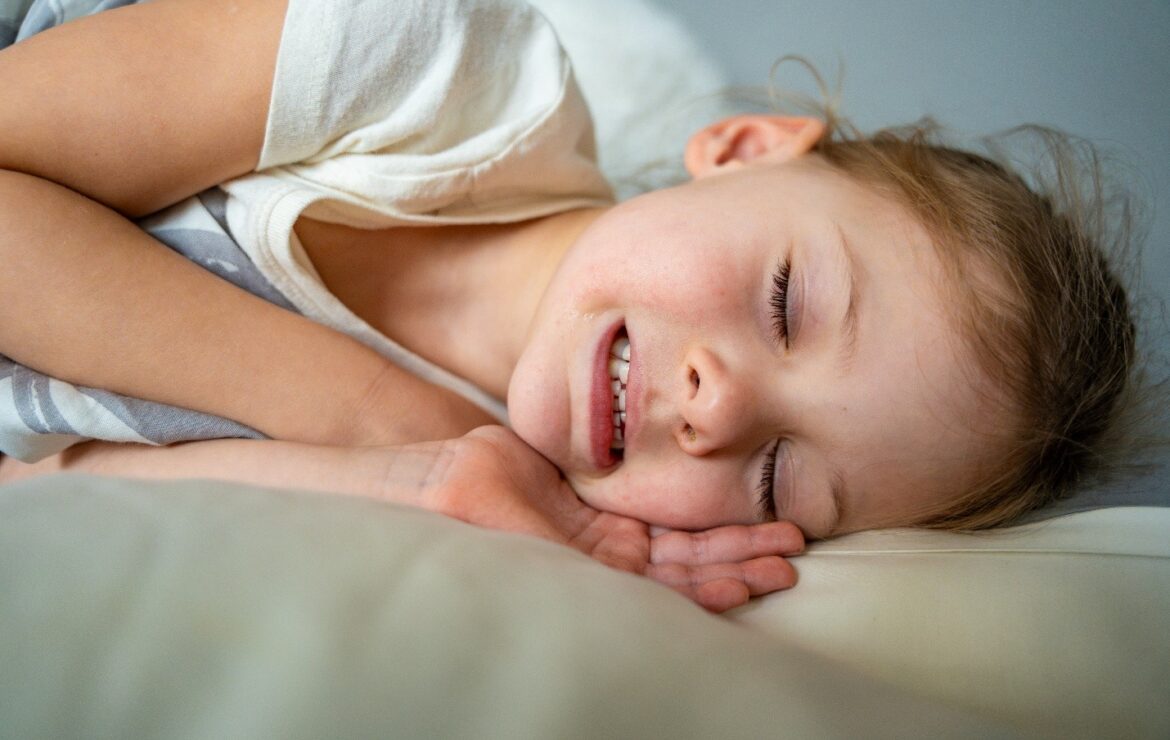
Hearing your child grind their teeth at night can be alarming for any parent. The harsh grinding or clenching sounds seem painful and destructive, leaving you wondering whether this behavior will damage their teeth, cause pain, or signal an underlying health problem. If you’ve noticed your child grinding their teeth during sleep, you’re not alone—pediatric bruxism affects between 15-33% of children, making it a common childhood concern that many parents in Gandhinagar and worldwide experience.
The good news is that while child teeth grinding Gandhinagar parents observe can sound disturbing, it’s often a temporary phase that children outgrow naturally without intervention. However, understanding when teeth grinding represents a harmless developmental stage versus when it requires professional attention helps you respond appropriately to protect your child’s oral health and overall well-being.
This comprehensive guide explains what causes kids grinding teeth, how to recognize when the habit becomes problematic, what treatments are available, and when to consult a pediatric dentist in Gandhinagar for evaluation. Whether your toddler has just started grinding or your older child has maintained this habit for years, understanding pediatric bruxism empowers you to make informed decisions about your child’s care.
Understanding Pediatric Bruxism: What It Is and Why It Happens
Bruxism is the medical term for grinding, gnashing, or clenching teeth, either during sleep (sleep bruxism) or while awake (awake bruxism). In children, sleep bruxism occurs more commonly and represents the type most parents notice when they hear grinding sounds from their child’s room at night.
The exact mechanisms behind teeth grinding causes in children aren’t completely understood, but researchers have identified several contributing factors. Unlike adult bruxism which often relates to stress and anxiety, pediatric bruxism has more varied causes related to growth and development.
Developmental factors play significant roles in childhood bruxism. As children’s teeth emerge and their bite develops, their jaw and facial muscles adapt to these changes. The grinding motion might represent the body’s way of adjusting to new tooth positions or establishing proper jaw alignment. This explains why bruxism often appears during periods of active dental development—when baby teeth are erupting, when baby teeth are falling out and being replaced by permanent teeth, and when the jaw is growing rapidly.
Airway issues including enlarged tonsils, adenoids, or structural problems that partially obstruct breathing during sleep strongly correlate with pediatric bruxism. Children who grind their teeth often also snore, breathe through their mouths, or have sleep-disordered breathing. The grinding might represent the body’s attempt to reposition the jaw and tongue to open the airway during sleep. This connection makes evaluation of breathing patterns important when assessing teeth grinding.
Stress and anxiety affect children just as they do adults, though the sources differ. School pressures, changes in family dynamics like new siblings or parental separation, social challenges, or major transitions can create tension that manifests as nighttime grinding. Even positive changes like moving to a new home or starting a new school can trigger stress-related bruxism.
Certain medical conditions and medications increase bruxism risk. Children with ADHD, autism spectrum disorders, cerebral palsy, or other neurological conditions experience higher rates of teeth grinding. Some medications including certain asthma treatments and ADHD medications list bruxism as a potential side effect.
Sleep disorders beyond breathing issues also connect to bruxism. Children with other sleep disturbances, restless sleep patterns, or conditions like sleep apnea often grind their teeth. Improving overall sleep quality sometimes reduces grinding.
Misaligned teeth or abnormal bite patterns can contribute to grinding as children unconsciously try to find a comfortable jaw position. However, the relationship between alignment and grinding is complex—sometimes misalignment causes grinding, but grinding can also cause alignment problems, creating a cycle that’s difficult to untangle.
Genetic factors seem to play a role, as bruxism tends to run in families. Children with parents who grind their teeth have higher likelihood of developing the habit themselves, suggesting inherited tendencies toward this behavior.
Signs Your Child Is Grinding Their Teeth
While some parents directly hear the grinding sounds during the night, other children grind quietly or parents sleep too far away to hear it. Recognizing indirect signs of bruxism helps identify the problem even when you don’t witness the grinding directly.
The most obvious sign is audible grinding or clenching sounds during sleep. These sounds can range from faint to quite loud, sometimes even waking parents sleeping in nearby rooms. The grinding might occur throughout the night or during specific sleep stages.
Tooth wear represents a visible consequence of persistent grinding. Check your child’s teeth for flattened chewing surfaces, worn enamel exposing darker dentin underneath, or chips and fractures at tooth edges. Significant wear indicates grinding has occurred for some time and with considerable force.
Jaw soreness or tightness, particularly in the morning, suggests nighttime grinding. Your child might complain of pain when chewing, difficulty opening their mouth wide, or tenderness in their jaw muscles. Young children might not articulate these symptoms clearly but could show reluctance to eat hard or chewy foods.
Headaches, especially upon waking or during the day, can result from the muscle tension created by grinding and clenching. These headaches often affect the temples or sides of the head where jaw muscles are located.
Tooth sensitivity to hot, cold, or sweet foods develops when grinding wears away protective enamel, exposing sensitive inner tooth layers. Children might avoid certain foods or drinks due to discomfort.
Disrupted sleep or frequent waking during the night sometimes accompanies bruxism, particularly when grinding relates to sleep-disordered breathing. However, most children who grind sleep through it without waking.
Changes in tooth alignment or bite might occur with severe, long-term grinding. Teeth can shift position or become loose from the repetitive forces.
Cheek biting or tongue indentations appear in some children who grind, as they unconsciously bite soft tissues during grinding episodes or their tongues press against teeth during clenching.
If you notice any of these signs, documenting when they started and how frequently they occur helps when discussing concerns with a pediatric dentist Gandhinagar professional.
When to Worry: Distinguishing Normal from Problematic Grinding
Not all teeth grinding requires intervention. Understanding which situations warrant concern versus which represent normal developmental phases helps you respond appropriately without unnecessary worry.
Occasional, mild grinding that causes no symptoms often requires no treatment. Many children grind their teeth periodically during stressful times, illness, or developmental stages, then stop on their own. If your child grinds occasionally, shows no signs of tooth damage, doesn’t complain of pain, and the grinding doesn’t seem to worsen over time, watchful waiting with periodic dental check-ups usually suffices.
Brief periods of grinding during tooth eruption or transition phases—particularly when baby teeth are coming in, when baby teeth are falling out, or when permanent teeth emerge—often resolve naturally once the dental changes complete. This type of developmental grinding typically lasts weeks to months rather than years.
However, several circumstances warrant professional evaluation and possible bruxism treatment. Persistent grinding continuing beyond early childhood, particularly past age six or seven when most baby teeth have emerged, deserves attention. While some children outgrow grinding during adolescence, prolonged habits increase risk of permanent damage.
Loud, forceful grinding that you hear clearly from outside your child’s room indicates significant force that’s more likely to cause damage than quiet grinding. The intensity and frequency matter more than just the presence of grinding.
Visible tooth damage including worn, chipped, or fractured teeth requires intervention to prevent further destruction of tooth structure. Baby teeth damaged by grinding can affect the development of permanent teeth underneath and compromise the child’s ability to eat comfortably.
Complaints of pain in the teeth, jaw, face, or head related to grinding need evaluation. Chronic pain affects children’s quality of life, sleep, mood, and daily functioning. Pain signals that grinding has progressed beyond a harmless habit to a problem causing real consequences.
Signs of sleep-disordered breathing including snoring, mouth breathing, gasping during sleep, or restless sleep combined with grinding warrant medical and dental evaluation. Sleep breathing problems can affect children’s growth, development, behavior, and academic performance beyond just causing tooth grinding.
Grinding that persists despite addressing potential stress factors or that seems to worsen over time rather than improve suggests underlying issues requiring professional assessment.
If you’re unsure whether your child’s grinding warrants concern, consulting a children’s dentistry near me professional provides peace of mind and ensures any necessary intervention occurs before significant damage develops.
Health and Dental Consequences of Untreated Bruxism
While many cases of child teeth grinding resolve harmlessly, severe or prolonged bruxism can cause various problems affecting oral health and overall well-being.
Tooth damage ranges from mild enamel wear to severe fractures. Grinding wears down protective enamel, sometimes exposing the softer dentin underneath. This makes teeth more vulnerable to cavities and sensitivity. In severe cases, grinding can chip, crack, or even fracture teeth, requiring extensive dental work to repair. Baby teeth damaged by grinding may need crowns, fillings, or in extreme cases, extraction, which can affect spacing for permanent teeth.
Increased tooth sensitivity results from enamel wear exposing sensitive tooth layers. Children might experience pain when eating or drinking hot, cold, or sweet items, potentially affecting their nutrition and willingness to eat.
Jaw problems including TMJ (temporomandibular joint) disorders can develop from chronic grinding. The constant clenching and grinding stresses the jaw joints, potentially causing pain, clicking, limited mouth opening, or long-term joint damage. While TMJ problems are less common in children than adults, severe bruxism increases risk.
Chronic facial pain and headaches diminish quality of life. Children experiencing persistent pain might have difficulty concentrating in school, participating in activities, or sleeping well. The muscle tension from grinding creates pain that extends beyond the immediate grinding episodes.
Sleep disruption affects not just the grinding child but sometimes family members who hear the grinding sounds. Poor sleep quality impacts children’s behavior, mood, academic performance, and overall health.
Accelerated tooth loss can occur when grinding loosens baby teeth prematurely or damages supporting structures. While baby teeth eventually fall out naturally, premature loss from grinding can cause spacing problems affecting permanent tooth alignment.
Impact on permanent teeth developing beneath baby teeth represents a concern with severe bruxism in young children. Trauma to baby teeth from grinding can potentially affect the permanent tooth buds underneath, though this is relatively rare.
These potential consequences emphasize why monitoring grinding and seeking professional evaluation when warning signs appear protects children’s oral health and prevents progression to more serious problems.
Diagnosing the Underlying Cause
When teeth grinding becomes concerning, identifying the underlying cause guides appropriate treatment. Comprehensive evaluation often involves both dental and medical assessments.
A thorough dental examination by a pediatric dentist in Gandhinagar includes checking for tooth wear patterns, assessing bite alignment, examining jaw joint function, and evaluating oral structures. The dentist looks for signs indicating how long grinding has occurred and how much force is involved.
Sleep evaluation might include questions about snoring, mouth breathing, restless sleep, or witnessed breathing pauses during sleep. If sleep-disordered breathing seems likely, the dentist might refer your child to a sleep specialist or ENT (ear, nose, and throat) doctor for further assessment. Some children need sleep studies to diagnose conditions like sleep apnea contributing to grinding.
Airway assessment examines tonsils, adenoids, tongue size, palate shape, and nasal breathing. Enlarged tonsils or adenoids that partially block the airway during sleep often contribute to grinding and might need removal if causing significant problems.
Stress and emotional factors require sensitive exploration. Talking with your child about their feelings, observing behavior changes, and considering recent life events helps identify stress triggers. Young children might not articulate stress verbally but show it through behavior, sleep changes, or physical symptoms.
Medical history review identifies relevant conditions or medications that might contribute to grinding. Discussing any neurological conditions, ADHD, autism spectrum disorders, or medications helps complete the picture.
Orthodontic evaluation assesses whether bite problems or misalignment contribute to grinding. Significant malocclusion might need correction to reduce grinding triggers.
This multifaceted approach recognizes that pediatric bruxism often has multiple contributing factors rather than a single cause, allowing for comprehensive treatment addressing all relevant issues.
Treatment Options for Children Who Grind Their Teeth
Treatment approaches for kids grinding teeth vary based on the child’s age, grinding severity, underlying causes, and whether damage has occurred. Not all children need treatment, but when intervention is necessary, several options exist.
Watchful waiting with regular monitoring suits many cases of mild, occasional grinding without symptoms or damage. Regular dental check-ups every six months allow the dentist to track tooth wear and determine if intervention becomes necessary. Many children naturally outgrow grinding without needing treatment.
Stress reduction techniques help when emotional factors contribute to grinding. Creating calm bedtime routines, ensuring adequate sleep, limiting screen time before bed, providing outlets for expressing emotions, and addressing specific stressors all potentially reduce stress-related grinding. Teaching older children relaxation techniques like deep breathing or progressive muscle relaxation might help.
Addressing sleep-disordered breathing often dramatically reduces or eliminates grinding. Treatments might include tonsillectomy and adenoidectomy if enlarged tonsils and adenoids obstruct breathing, positional therapy encouraging side sleeping instead of back sleeping which can worsen airway obstruction, or in some cases, oral appliances that reposition the jaw to open the airway.
Night guard for children represents a protective approach when grinding causes significant tooth wear or damage. These custom-fitted mouthguards worn during sleep create a barrier between upper and lower teeth, preventing further damage even if grinding continues. Pediatric dentists can create guards fitted specifically for children’s growing mouths. Night guards don’t stop grinding but protect teeth from its effects. They work best for older children who can reliably wear them through the night.
Orthodontic treatment might be recommended if significant bite misalignment contributes to grinding. Correcting how teeth fit together sometimes reduces the grinding trigger. However, orthodontics specifically to treat bruxism is controversial since the relationship between alignment and grinding isn’t always clear.
Behavior modification techniques and habit awareness help some older children who grind while awake or who are aware of their nighttime grinding. Making children conscious of jaw clenching during the day and teaching them to keep teeth apart with lips closed and tongue resting against the roof of the mouth can reduce daytime grinding and might decrease nighttime grinding.
Treating underlying medical conditions including managing ADHD symptoms, adjusting medications that might contribute to grinding, or treating other conditions associated with bruxism addresses root causes rather than just symptoms.
Medication for bruxism is rarely used in children and typically reserved only for severe cases not responding to other treatments. The risks and side effects of medications generally outweigh benefits for pediatric patients.
Most children respond well to conservative approaches, and severe interventions are rarely necessary. A qualified pediatric dentist Gandhinagar professional can recommend the most appropriate approach for your child’s specific situation.
Preventing and Managing Teeth Grinding at Home
Parents can implement several strategies at home to help reduce grinding or minimize its impact while working with dental professionals on comprehensive treatment.
Establish consistent, calming bedtime routines that help your child relax before sleep. Warm baths, gentle music, reading together, and avoiding stimulating activities or screens for at least an hour before bed all promote better sleep quality and reduce stress-related grinding.
Ensure your child gets adequate sleep for their age. Sleep deprivation increases stress and might worsen grinding. Most children need 10-12 hours of sleep per night depending on age.
Create a stress-reduced environment by maintaining consistent routines, preparing children for transitions and changes, providing emotional support during stressful periods, and encouraging expression of feelings through conversation, play, or art.
Avoid giving your child caffeine, which can interfere with sleep and potentially increase grinding. Caffeine appears not just in obvious sources like soda but also in chocolate, tea, and some medications.
Apply warm, moist compresses to your child’s jaw before bed to relax jaw muscles. This gentle warmth can reduce muscle tension that contributes to grinding.
Gentle jaw stretches and massage might help older children. Teaching your child to slowly open and close their mouth, move their jaw side to side, and gently massage jaw muscles can reduce tension.
Keep your child well-hydrated throughout the day. Some research suggests dehydration might worsen grinding, though this connection needs more study.
Monitor your child’s grinding patterns by noting when it occurs, how often, and what circumstances might trigger worse episodes. This information helps identify patterns and assess whether interventions are working.
Protect baby teeth with good oral hygiene including twice-daily brushing and regular dental check-ups. While this doesn’t prevent grinding, it keeps teeth as healthy as possible to withstand grinding forces and prevents additional problems like cavities.
Avoid drawing excessive attention to the grinding or making your child feel anxious about it. Children often have no control over sleep grinding, and creating worry about it can increase stress that worsens the problem.
These home strategies complement professional treatment and help parents actively participate in managing their child’s bruxism.
The Role of Diet and Nutrition
While diet doesn’t directly cause bruxism, certain nutritional factors might influence grinding or its effects on teeth.
Calcium and vitamin D support strong tooth enamel that better withstands grinding forces. Ensuring your child’s diet includes adequate dairy products, leafy greens, fortified foods, and appropriate vitamin D through diet and sun exposure supports optimal tooth strength.
Magnesium deficiency has been loosely linked to muscle tension and possibly bruxism in some studies, though evidence isn’t conclusive. Foods rich in magnesium including whole grains, nuts, seeds, and leafy vegetables contribute to overall health and might support muscle relaxation.
Avoid giving sugary or acidic foods and beverages close to bedtime. While these don’t cause grinding, they increase cavity risk, and teeth already vulnerable from grinding wear are more susceptible to decay.
Ensure balanced nutrition supporting overall health, which indirectly supports dental health. Well-nourished children generally have better sleep, less stress, and stronger teeth better able to handle grinding forces.
Stay hydrated throughout the day with water as the primary beverage. Adequate hydration supports saliva production that protects teeth and might play a role in sleep quality.
While no special “anti-grinding diet” exists, overall good nutrition supports the healthiest possible teeth and might contribute to better sleep and reduced stress that can influence grinding.
When Professional Intervention Becomes Necessary
Knowing when to move beyond home management and seek professional help ensures your child receives appropriate care before problems progress.
Schedule an evaluation with a children’s dentistry near me professional if grinding persists beyond age seven or eight without decreasing, if you notice visible tooth damage from grinding, if your child complains of jaw pain, headaches, or tooth sensitivity, or if grinding seems to be worsening over time rather than improving.
Also seek professional assessment if your child shows signs of sleep-disordered breathing including loud snoring, gasping during sleep, restless sleep, or daytime sleepiness. These symptoms might indicate sleep apnea or airway obstruction requiring medical treatment.
Urgent evaluation is needed if a tooth fractures or chips significantly from grinding, if your child develops severe pain, or if grinding suddenly worsens dramatically without obvious explanation.
The pediatric dentist will perform a comprehensive examination, discuss potential causes, and recommend appropriate treatment based on your child’s specific situation. Don’t hesitate to voice all your concerns during the appointment—pediatric dentists regularly address bruxism and can provide expert guidance.
For families in Gandhinagar seeking evaluation for child teeth grinding, scheduling a consultation with a pediatric dental specialist ensures your child receives appropriate assessment and treatment recommendations.
Long-Term Outlook for Children with Bruxism
Most parents want to know whether their child will outgrow grinding and what long-term consequences they might face.
The encouraging news is that many children naturally outgrow bruxism as they mature. Studies suggest that up to 70% of children who grind their teeth stop by adolescence as their permanent teeth fully develop and their jaw reaches adult proportions. The self-limiting nature of most pediatric bruxism means that with monitoring and conservative management, many children have excellent long-term outcomes.
However, some children continue grinding into adolescence and adulthood, particularly if underlying causes like sleep disorders, stress patterns, or anatomical factors aren’t addressed. These individuals need ongoing management to prevent cumulative damage over years.
The long-term consequences depend largely on grinding severity and whether treatment occurs when needed. Mild grinding that stops in childhood typically causes no lasting problems. Severe grinding causing significant tooth wear or jaw problems might lead to need for dental work including crowns, alignment correction, or TMJ treatment later in life.
Early intervention when problems develop prevents or minimizes long-term damage. Children who receive appropriate treatment for underlying causes, use night guards when needed to protect teeth, and have regular dental monitoring generally avoid serious long-term consequences even if grinding persists for several years.
The key to positive long-term outcomes lies in appropriate monitoring, addressing contributing factors, protecting teeth when necessary, and maintaining regular dental care throughout childhood and adolescence.
Supporting Your Child Through Bruxism
Beyond physical treatments, children benefit from emotional support and understanding as they cope with teeth grinding.
Avoid making your child feel anxious, guilty, or self-conscious about grinding. Children rarely control sleep bruxism consciously, and creating worry about it can increase stress that potentially worsens grinding. Approach the issue matter-of-factly as something you’ll work on together.
Explain any treatments or protective devices like night guards in positive, age-appropriate ways. For example, describe a night guard as a special tooth protector that keeps their teeth strong and healthy while they sleep, similar to how a helmet protects their head during biking.
Celebrate efforts and improvements. If stress reduction techniques, better sleep habits, or other interventions seem to help, acknowledge your child’s cooperation and positive changes without creating pressure.
Maintain perspective. While teeth grinding deserves appropriate attention and intervention when necessary, remember that it’s a common childhood occurrence that most children outgrow. Keeping a balanced perspective prevents excessive worry while still taking appropriate action.
Work collaboratively with your pediatric dentist in Gandhinagar, following recommendations while voicing any concerns or observing how treatments affect your child. The best outcomes occur when parents and dental professionals work as a team.
Frequently Asked Questions
At what age do most children stop grinding their teeth?
Most children naturally outgrow teeth grinding by late childhood or early adolescence, typically between ages 9-12 as permanent teeth fully emerge and the jaw completes most of its growth. However, timing varies significantly—some children stop earlier, while others continue into their teenage years or even adulthood. Grinding during baby teeth eruption (ages 1-3) or during the transition to permanent teeth (ages 6-10) often resolves once those developmental stages complete. If grinding persists beyond age 12-13 or seems to worsen rather than improve, professional evaluation helps determine whether underlying causes need treatment. Regular monitoring by a pediatric dentist in Gandhinagar tracks whether grinding is decreasing as expected or requires intervention.
Will a night guard stop my child from grinding their teeth?
A night guard for children doesn’t actually stop the grinding behavior—it protects teeth from damage while grinding continues. The custom-fitted mouthguard creates a cushioning barrier between upper and lower teeth, preventing wear, chips, and fractures even when your child grinds. Night guards work well for protecting teeth but don’t address underlying causes of grinding like stress, sleep disorders, or bite problems. Some children eventually stop grinding after wearing a night guard for a period, though it’s unclear whether the guard caused the cessation or if the child would have stopped anyway. Night guards are most appropriate for older children who can reliably wear them through the night and for situations where tooth damage is occurring or likely without protection.
Could my child’s teeth grinding be related to stress or anxiety?
Yes, stress and anxiety can contribute to pediatric bruxism, though they’re not the only causes. Children experience stress from various sources including school pressures, social challenges, family changes, or major transitions. Even positive changes like starting a new school can create stress triggering grinding. However, child teeth grinding Gandhinagar specialists see often has multiple contributing factors including developmental changes, sleep-disordered breathing, and bite alignment issues rather than stress alone. If you suspect stress plays a role in your child’s grinding, addressing stressors through routine consistency, emotional support, calming bedtime rituals, and sometimes professional counseling might help reduce grinding. Combining stress management with dental evaluation ensures all potential causes are addressed.
My child snores and grinds their teeth—are these related?
Yes, snoring and teeth grinding frequently occur together and often share common causes, particularly sleep-disordered breathing from airway obstruction. Enlarged tonsils, adenoids, or structural airway narrowing can cause both snoring and grinding. The grinding might represent your child’s unconscious attempt to reposition their jaw and tongue to open a partially blocked airway during sleep. Children who both snore and grind their teeth warrant evaluation by both a pediatric dentist and possibly an ENT specialist or sleep medicine doctor. Treating the underlying airway obstruction often improves or eliminates both symptoms. This evaluation is particularly important if your child also shows other signs of sleep-disordered breathing like mouth breathing, restless sleep, gasping, or daytime sleepiness.
Will grinding baby teeth affect my child’s permanent teeth?
In most cases, grinding baby teeth doesn’t directly damage permanent teeth developing beneath them. However, severe grinding can have indirect effects worth monitoring. Extreme forces that fracture or severely damage baby teeth might rarely affect underlying permanent tooth buds, though this is uncommon. More commonly, grinding that damages or causes premature loss of baby teeth can affect spacing and alignment when permanent teeth emerge, potentially creating orthodontic issues. Baby teeth hold space for permanent teeth and guide them into proper position, so maintaining baby teeth until their natural loss time is important. Additionally, children who grind their baby teeth often continue grinding when permanent teeth emerge unless underlying causes are addressed. Protecting baby teeth through appropriate management and ensuring good oral care gives permanent teeth the best chance for healthy development.

Related posts


Write a Comment
Recent Posts

X-rays Before Dental Implants: Using 3D Tech for Success


