


Pain-free Dentistry in Gandhinagar: What Technologies Make Treatment Comfortable?
Pain-free Dentistry in Gandhinagar: What Technologies Make Treatment Comfortable?

For many people in Gandhinagar, the phrase “going to the dentist” triggers anxiety and fear rooted in past experiences of discomfort or pain. If you’ve been avoiding necessary dental treatment because you dread the pain, you’re not alone—dental anxiety affects millions of people worldwide. However, modern dentistry has evolved dramatically, and today’s painless dental treatment Gandhinagar clinics offer bears little resemblance to the uncomfortable experiences of decades past.
The transformation from traditional dentistry to truly pain-free dentistry involves sophisticated technologies, advanced techniques, and a fundamental shift in how dental professionals approach patient comfort. Understanding what makes modern dental treatment comfortable helps you overcome fear and access the care you need without the anxiety and discomfort you might expect based on outdated perceptions.
This comprehensive guide explores the specific technologies and approaches that create genuinely comfortable dental care, explaining how each innovation contributes to anxiety-free dentistry. Whether you need routine cleaning, fillings, root canals, or more extensive procedures, knowing that advanced technology can make treatment virtually pain-free empowers you to prioritize your oral health without fear.
Digital Imaging: Comfort Starts with Diagnosis
The journey to pain-free treatment begins with diagnosis, and modern digital imaging technologies have revolutionized this crucial first step, eliminating much of the discomfort traditionally associated with dental examinations.
Digital X-rays represent a significant advancement over traditional film X-rays in both comfort and safety. The sensors used for digital imaging are smaller and more comfortable in your mouth compared to bulky film holders that often triggered gagging reflexes. The process takes only seconds rather than the longer exposure times required for film, reducing the time you need to hold uncomfortable positions. Digital X-rays also expose patients to up to 90% less radiation than traditional X-rays while producing superior images that help dentists diagnose problems more accurately.
Intraoral cameras provide another patient-friendly diagnostic tool. These tiny cameras capture detailed images of individual teeth and hard-to-see areas inside your mouth without any discomfort. The real-time images display on a screen where you can see exactly what your dentist sees, improving understanding and reducing anxiety that comes from not knowing what’s happening. This technology eliminates the need for uncomfortable mirrors and awkward positioning that traditional examinations required.
Digital scanners have perhaps made the biggest comfort impact in modern dentistry. These devices create precise 3D models of your teeth and bite using light technology rather than the messy, gag-inducing impression materials many people remember from past dental visits. The scanner wand passes over your teeth, capturing detailed images within minutes—no trays filled with putty that trigger gagging, no unpleasant taste or texture, and no waiting with uncomfortable materials in your mouth. For procedures requiring precise models like crowns, bridges, or orthodontic planning, digital scanning transforms what was once one of the most uncomfortable parts of dental visits into a quick, easy process.
Laser Dentistry: Precision Without Pressure
Dental laser treatment represents one of the most significant technological advances in creating truly painless procedures. Lasers use focused light energy to perform various dental treatments with remarkable precision and minimal discomfort.
For soft tissue procedures involving gums, lasers offer dramatic comfort advantages over traditional scalpels. The laser cauterizes as it cuts, meaning significantly less bleeding during procedures, reduced swelling and inflammation after treatment, faster healing times, and often no need for sutures. Many patients report that laser gum procedures feel like a gentle touch rather than cutting, and the reduced trauma to tissues means less post-procedure discomfort.
Cavity treatment with lasers eliminates much of the anxiety associated with dental drills. The laser removes decayed tooth material precisely without the vibration, pressure, and nerve-jarring sound of traditional drills. Many cavity preparations done with lasers require no anesthesia at all because the laser doesn’t generate the heat and pressure that cause discomfort with conventional drills. For patients who dread the drilling sound and sensation, laser dentistry offers a genuinely different experience.
Teeth whitening performed with laser activation creates faster, more effective results with minimal sensitivity compared to traditional whitening methods. The laser activates whitening agents more efficiently, reducing the time gel stays on teeth and decreasing the likelihood of the sensitivity some patients experience with conventional whitening.
Root canal therapy benefits from laser technology that can sterilize the tiny canals inside teeth more thoroughly than traditional methods, reducing infection risk and improving outcomes. The precision of lasers allows for more conservative treatment that preserves more healthy tooth structure.
While not all dental procedures can be performed with lasers, the expanding applications of this technology continue to make more treatments comfortable and anxiety-free for patients who previously avoided dental care due to fear of pain.
Advanced Anesthesia Delivery Systems
Even with all the technological advances, some procedures still require numbing the treatment area, and modern dental technology has transformed how anesthesia is delivered to make even injections more comfortable.
Computer-controlled anesthetic delivery systems represent a major advancement in injection comfort. These devices deliver numbing medication at a precisely controlled, very slow rate that significantly reduces the stinging sensation traditional injections create. The controlled flow prevents the painful pressure buildup that occurs when anesthesia is injected too quickly. Many patients report that they barely feel these computer-controlled injections compared to traditional syringes.
Pre-injection numbing techniques further reduce injection discomfort. Dentists apply topical anesthetic gels or sprays to gum tissue before injections, numbing the surface so you don’t feel the needle entering. This simple step eliminates the sharp initial sensation many people fear most about dental injections.
Warming anesthetic solutions to body temperature before injection reduces discomfort since cold solutions create a stinging sensation when injected. Many modern dental practices use warming devices to bring anesthesia to a comfortable temperature.
Vibration devices that dentists hold near the injection site create a gentle vibration that interferes with pain signals traveling to your brain, making you less aware of the injection sensation. This technique, based on “gate control” pain theory, provides a simple but effective way to make injections more comfortable.
These advances mean that even when numbing is necessary, the process itself causes minimal discomfort—a far cry from the painful injections many people remember from past dental experiences.
Sedation Options for Anxiety-Free Dentistry
For patients with significant dental anxiety or those undergoing lengthy procedures, various sedation options create truly anxiety-free dentistry experiences where fear and discomfort disappear entirely.
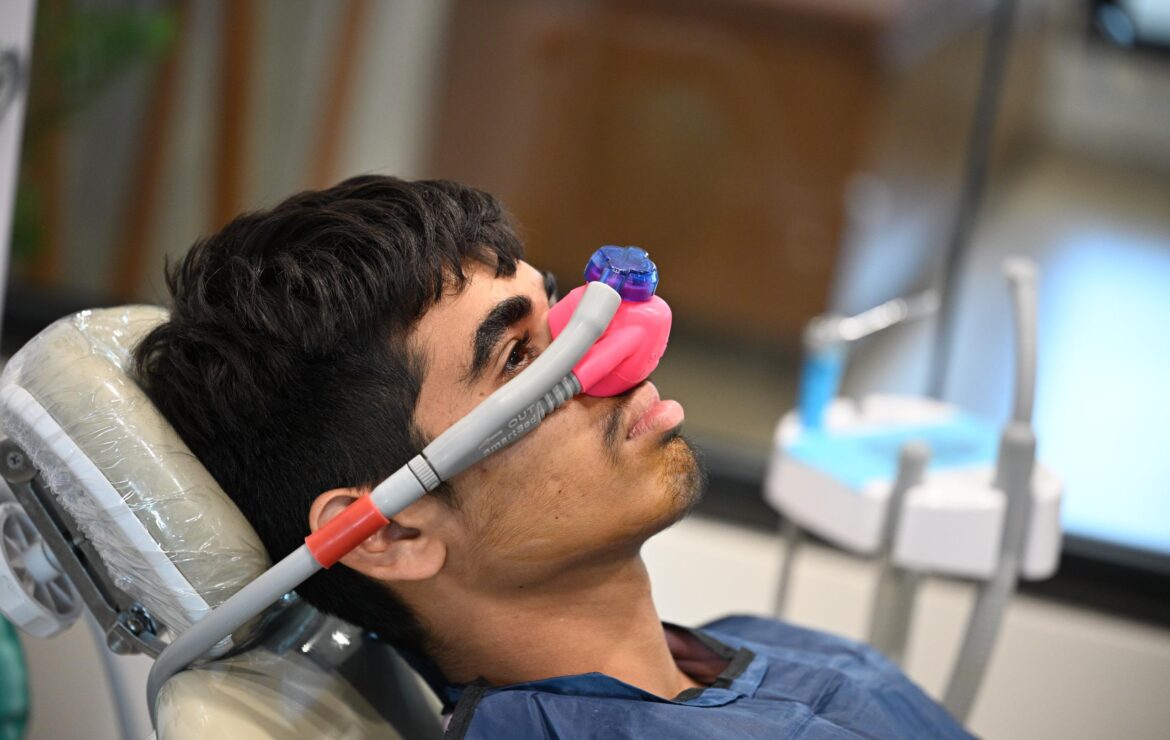
Nitrous oxide sedation, commonly called laughing gas, provides mild to moderate conscious sedation through a comfortable nasal mask. Within minutes of breathing the gas mixture, patients feel relaxed and calm while remaining fully conscious and able to respond. The effects disappear quickly once the mask is removed, allowing most patients to drive themselves home after treatment. This safe, effective option works beautifully for nervous patients who need help relaxing during treatment.
Oral conscious sedation involves taking anti-anxiety medication before your appointment, creating deeper relaxation than nitrous oxide. Patients often become drowsy and might not remember much about the procedure, though they remain conscious enough to respond to instructions. This option suits patients with moderate to severe anxiety or those undergoing longer procedures who want to feel very relaxed throughout treatment.
IV sedation provides the deepest level of conscious sedation for patients with extreme anxiety or very complex procedures. Medications delivered directly into the bloodstream create a state where many patients sleep through treatment and remember nothing afterward. An anesthesia professional monitors you continuously, adjusting sedation levels to keep you comfortable and safe throughout the procedure.
The availability of multiple sedation options means patients can choose the level of anxiety relief that matches their needs and the complexity of their treatment, ensuring everyone can receive dental care comfortably regardless of their anxiety level.
Modern Dental Chairs and Ergonomic Design
Even the chairs patients sit in during treatment have evolved to enhance comfort significantly. Modern dental technology extends to the overall treatment environment and equipment design.
Contemporary dental chairs feature memory foam cushioning that conforms to your body, heated seats for comfort during longer appointments, massage functions that help you relax, and programmable positions that reduce neck and back strain. These features might seem like luxuries, but they significantly impact patient comfort, particularly during procedures requiring you to remain still for extended periods.
Ergonomic chair design allows precise positioning that gives dentists optimal access while keeping you comfortable. The ability to adjust chair angles smoothly means less awkward positioning and strain on your jaw, neck, and back during treatment.
Individual entertainment systems integrated into dental chairs provide distraction through music, videos, or movies during procedures. This distraction reduces anxiety and makes time pass more quickly during treatment.
LED lighting systems provide bright, shadow-free illumination without the harsh glare of older halogen lights, reducing eye strain and creating a less clinical atmosphere.
Climate control features including heated blankets and adjustable room temperature ensure physical comfort throughout treatment. Being too cold during dental procedures creates tension that increases pain perception, while comfortable warmth promotes relaxation.
Ultrasonic Scalers and Gentle Cleaning Technology
Even routine cleanings have become more comfortable through advanced technology. Traditional metal scrapers used during cleanings can cause discomfort, particularly for patients with sensitive gums or significant buildup.
Ultrasonic scalers use high-frequency vibrations and water to remove plaque and tartar more gently than hand instruments. The vibrations break up deposits without the scraping pressure of manual tools, and the water flow cools the area and washes away debris. Most patients find ultrasonic scaling significantly more comfortable than traditional cleaning methods, with less gum irritation and sensitivity afterward.
Air polishing systems use a stream of air, water, and fine powder particles to remove surface stains and plaque, creating a gentle yet effective cleaning experience. The process feels like a pleasant spray rather than abrasive scrubbing, making it ideal for patients with sensitive teeth or gums.
Low-speed handpieces for polishing teeth operate quietly and smoothly, eliminating the high-pitched whine and vibration of older polishing tools. The reduced noise and gentler action create a more pleasant cleaning experience.
Pain Management Through Dental Materials
The materials used in modern dentistry contribute significantly to comfortable dental care both during and after procedures.
Composite filling materials that cure with special lights have replaced older materials requiring more tooth removal and causing more post-filling sensitivity. Modern composites bond directly to tooth structure, preserving more healthy tooth tissue and creating stronger, more comfortable restorations. These materials also reduce temperature sensitivity that some older filling materials caused.
Biocompatible dental materials minimize allergic reactions and tissue irritation. Modern dental practices use materials tested extensively for compatibility with oral tissues, reducing inflammation and discomfort during healing.
Antimicrobial materials incorporated into some dental products help prevent infection and promote healing after procedures, reducing post-treatment complications that could cause pain.
Advanced cement formulations for crowns and other restorations reduce sensitivity and improve bonding, creating more comfortable, longer-lasting results.
Digital Treatment Planning and Precision
Computer-aided design and manufacturing (CAD/CAM) technology allows dentists to design and create dental restorations like crowns, veneers, and bridges with unprecedented precision. This accuracy means better-fitting restorations that require less adjustment, reducing the time spent in the dental chair and improving comfort.
3D treatment planning software helps dentists visualize and plan complex procedures before beginning treatment. This preparation means more efficient procedures, less time in the chair, and fewer surprises during treatment—all contributing to better patient experiences.
Guided surgery systems use digital planning and surgical guides to make procedures like implant placement more precise, less invasive, and more predictable. The enhanced accuracy reduces tissue trauma, speeds healing, and improves outcomes.
The Role of Skilled, Compassionate Professionals
While technology provides the tools for painless dental treatment Gandhinagar patients can access, the skill and approach of dental professionals using these technologies matters enormously. Advanced equipment in unskilled or rushed hands doesn’t create comfortable experiences, but when expert dentists like those at Nova Dental Hospital combine technological advantages with gentle technique, genuine care for patient comfort, clear communication about what to expect, and patience with anxious patients, the result is truly pain-free dentistry.
The most sophisticated technology works best when dental professionals receive proper training in its use, stay current with advances through continuing education, prioritize patient comfort as much as clinical outcomes, and take time to ensure patients feel safe and cared for throughout treatment.
Overcoming Dental Fear Through Modern Technology
Understanding that dental treatment has fundamentally changed helps many anxious patients overcome fear and access necessary care. The dentistry you might remember from childhood or from stories told by older family members bears little resemblance to the comfortable experiences modern dental technology creates.
If you’ve avoided dental care due to fear, consider these facts about modern pain-free dentistry: most routine procedures cause no discomfort at all with current techniques, when numbing is needed, even the injections themselves are much more comfortable than in the past, sedation options can eliminate anxiety completely for patients who need this support, and dental professionals understand anxiety and take extra time with nervous patients to ensure comfort.
Taking the first step of scheduling a consultation—even just to tour the facility, meet the team, and see the technology without receiving treatment—helps many anxious patients begin overcoming their fear. Once you see firsthand how different modern dentistry is from your expectations, moving forward with necessary treatment becomes much easier.
The Future of Comfortable Dental Care
Dental technology continues advancing rapidly, with new innovations emerging regularly that promise even more comfortable treatment experiences. Current research and development focus on needle-free anesthesia delivery systems, artificial intelligence assisting in diagnosis and treatment planning, robotics providing ultra-precise treatment, and biomaterials that promote natural tissue regeneration.
As these technologies mature and become more widely available, dental treatment will become increasingly comfortable, efficient, and effective. Patients in Gandhinagar and throughout India gain access to these advances as progressive dental practices invest in modern dental technology and training.
Making the Choice for Comfortable Care
If you’ve been postponing dental treatment due to fear of pain, understanding the technologies that create genuinely comfortable experiences should encourage you to reconsider. Modern pain-free dentistry isn’t marketing hype—it’s a reality made possible by significant technological advances and a fundamental shift in how dental professionals approach patient care.
When choosing a dental provider, look for practices that invest in modern technology including digital imaging, laser systems, advanced sedation options, and computer-aided treatment planning. Ask about their approach to patient comfort and anxiety management. Read reviews from other patients, particularly those who mention anxiety or comfort experiences.
For comprehensive, anxiety-free dentistry in Gandhinagar utilizing the latest comfort-enhancing technologies, Nova Dental Hospital provides the advanced care that transforms dental visits from something to dread into experiences that are genuinely comfortable. Our commitment to pain-free treatment through state-of-the-art technology and compassionate care helps even the most anxious patients receive the dental care they need without fear or discomfort.
Frequently Asked Questions
What makes modern dental treatment truly pain-free compared to traditional dentistry?
Modern pain-free dental treatment Gandhinagar clinics offer combines multiple technological advances that work together to eliminate discomfort. Digital imaging eliminates uncomfortable impression materials and reduces radiation exposure. Laser technology performs many procedures without the pressure, vibration, and sound of traditional drills, often requiring no anesthesia. Computer-controlled anesthesia delivery systems make even injections nearly pain-free through precisely controlled medication flow. Advanced sedation options from nitrous oxide to IV sedation provide anxiety relief matching individual patient needs. These technologies, combined with improved dental materials, ergonomic equipment, and gentle techniques from trained professionals, create experiences fundamentally different from the dentistry many people remember from years past.
How does laser dentistry make procedures more comfortable than traditional methods?
Dental laser treatment uses focused light energy to perform procedures with remarkable precision and minimal trauma to surrounding tissues. For cavity preparation, lasers remove decayed material without the vibration, pressure, and nerve-jarring sound of traditional drills—many patients require no anesthesia for laser cavity treatment. For gum procedures, lasers cauterize as they work, meaning less bleeding, reduced swelling, faster healing, and often no need for sutures compared to traditional scalpel surgery. The precision of lasers allows dentists to preserve more healthy tissue while thoroughly addressing diseased areas. Many patients report that laser procedures feel like gentle touches rather than cutting or drilling, dramatically reducing anxiety and discomfort during and after treatment.
Are sedation options safe, and which type is right for me?
All sedation options used in modern dentistry are very safe when administered by trained professionals with proper monitoring equipment. Nitrous oxide (laughing gas) provides the mildest sedation—you remain fully conscious, feel relaxed and calm, and can drive yourself home afterward. This suits patients with mild to moderate anxiety or those wanting gentle relaxation during treatment. Oral conscious sedation creates deeper relaxation through medication taken before your appointment—you’ll need someone to drive you home but will feel very calm during treatment. IV sedation provides the deepest conscious sedation for severe anxiety or complex procedures—many patients sleep through treatment and remember nothing. Your dentist recommends appropriate sedation based on your anxiety level, procedure complexity, medical history, and personal preferences during consultation.
Will I feel pain after treatment even if the procedure itself was pain-free?
Modern dental technology and materials significantly reduce post-treatment discomfort as well. Laser procedures cause less tissue trauma, meaning reduced swelling and faster healing with minimal discomfort afterward. Precise digital planning and computer-guided procedures minimize tissue disturbance. Advanced dental materials cause less sensitivity than older options. Your dentist may prescribe pain medication for procedures likely to cause some discomfort during healing, but many patients find they need minimal or no pain relief after modern dental treatments. Following post-treatment care instructions carefully—avoiding certain foods, keeping the area clean, taking prescribed medications—ensures the most comfortable healing possible. Most routine procedures cause little to no discomfort during recovery with current techniques and materials.
How can I overcome severe dental anxiety to get treatment I’ve been avoiding?
Start by scheduling just a consultation without treatment—simply tour the facility, meet the team, see the technology, and discuss your anxiety openly without any pressure to proceed with treatment that day. Understanding how different modern pain-free dentistry is from your fears or past experiences helps reduce anxiety. Ask about all available sedation options and choose the level that makes you feel most comfortable. Consider bringing a trusted friend or family member for support during initial visits. Communicate your anxiety clearly so your dental team can take extra time explaining procedures, checking in on your comfort, and proceeding at a pace that feels manageable. Many practices serving anxious patients offer virtual consultations first if even visiting the office feels overwhelming. Remember that dental professionals understand anxiety—they want to help you feel comfortable and will work with you to find approaches that make treatment possible.

Related posts

Write a Comment
Recent Posts


