


What is the Best Permanent Way to Replace a Missing Tooth?
What is the Best Permanent Way to Replace a Missing Tooth?

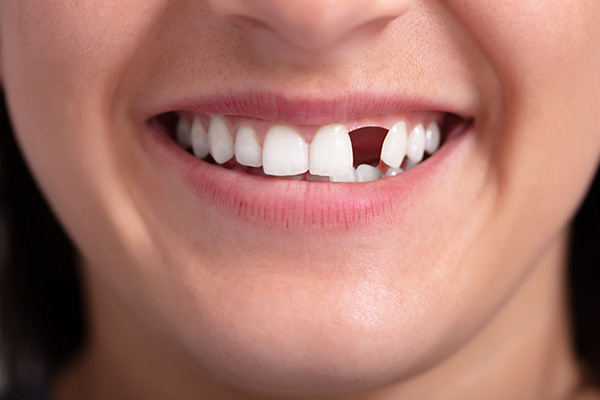
Losing a tooth can be a jarring experience. Whether it’s due to injury, advanced decay, or periodontal disease, a gap in your smile affects more than just aesthetics. It impacts your ability to chew, the clarity of your speech, and, critically, the long-term health and stability of your jawbone and surrounding teeth.
Fortunately, modern dentistry offers sophisticated solutions to restore your smile. While temporary fixes exist, the search for a truly durable, functional, and permanent missing tooth solution often leads to one clear winner: dental implants Gandhinagar residents trust for lifelong results.
This comprehensive guide will explore the available tooth replacement options, detailing the benefits and drawbacks of each, and focusing on why the dental implant has become the gold standard for restoring missing teeth.
The Core Problem with Missing Teeth
Before diving into solutions, it is vital to understand why replacement is necessary beyond simple appearance. When a tooth is lost, its root is also lost, which creates a chain reaction of negative consequences:
1. Bone Resorption (Shrinkage)
The most significant consequence of a missing root is the loss of stimulation to the jawbone. The jawbone requires the pressure exerted by the tooth root during chewing to remain healthy and dense. Without this stimulation, the body interprets the bone as unnecessary and begins to break it down—a process known as resorption. This leads to:
- Facial Collapse: Over time, the jawbone shrinks, causing the facial structure to sag and making a person look older.
- Instability: Remaining teeth lose their bony support and may shift, tilt, or loosen.
2. Shifting Teeth
The adjacent teeth will naturally drift into the vacant space, disrupting your bite (occlusion) and creating new pockets where food and bacteria can accumulate, increasing the risk of decay and gum disease.
3. Difficulty Chewing and Speaking
Missing even a single tooth can reduce chewing efficiency and lead to strain on the remaining teeth, which now have to bear a heavier load.
Exploring Traditional Tooth Replacement Options
When considering a permanent missing tooth solution, patients often first look at traditional, established methods. While these have served dentistry for decades, they come with significant limitations when compared to contemporary implant technology.
1. Dental Bridges (Fixed Partial Dentures)
A dental bridge consists of one or more prosthetic teeth (pontics) held in place by dental crowns cemented onto the natural teeth adjacent to the gap (abutment teeth).
Advantages of Dental Bridges:
- Fast Replacement: The process is relatively quick, often completed in two or three appointments.
- Non-Surgical: It avoids the need for a surgical procedure.
Disadvantages of Dental Bridges:
- Damage to Healthy Teeth: The major drawback of the bridge vs implant debate is that bridges require the irreversible grinding down of the healthy abutment teeth to accommodate the crowns. This makes those healthy teeth susceptible to future decay and root canal issues.
- Bone Resorption Continues: Since a bridge only replaces the crown of the tooth and not the root, the bone underneath the pontic still lacks stimulation and will continue to resorb over time. This leaves a visible gap beneath the bridge.
- Maintenance: They are challenging to clean, requiring special floss threaders to remove debris trapped under the false tooth.
- Lifespan: Bridges typically last 5 to 15 years before they need to be replaced.
2. Removable Partial Dentures (RPDs)
These are replacement teeth attached to a pink or gum-colored plastic base, which is often connected by a metal framework that uses clasps to hold onto existing natural teeth.
Advantages of RPDs:
- Cost-Effective: They are the least expensive initial tooth replacement option.
- Non-Invasive: They do not require altering the adjacent teeth.
Disadvantages of RPDs:
- Not Permanent: They must be removed daily for cleaning and are easily misplaced.
- Discomfort and Stability: They can feel bulky, move while speaking or eating, and sometimes cause soreness or irritation to the gums.
- Accelerated Decay: The clasps that hold the denture in place can put stress on the natural teeth and are prone to trapping food particles, accelerating decay.
- Bone Resorption Continues: Like bridges, they offer no stimulation to the bone.
Dental Implants: The True Permanent Missing Tooth Solution
When evaluating tooth replacement options on the basis of permanence, function, and jawbone health, dental implants stand alone. A dental implant is the only solution that replaces the entire tooth structure, from root to crown.
What is a Dental Implant?
A dental implant is a small, screw-like post, typically made of biocompatible titanium. It is surgically placed into the jawbone, where it acts as an artificial tooth root.
The process of receiving a single tooth implant involves three main components:
- The Implant Post: The titanium root surgically placed into the bone.
- The Abutment: A connector piece attached to the implant post.
- The Crown: A custom-made, porcelain or ceramic tooth fitted over the abutment, designed to match your existing teeth perfectly.
Why Implants are the Gold Standard
The superiority of implants is multifaceted, offering benefits that no other replacement method can match.
1. Bone Preservation and Jawbone Health
This is the most critical advantage in the bridge vs implant discussion. The implant fuses directly with the jawbone through a process called osseointegration. Once fused, the implant acts exactly like a natural tooth root, transferring chewing forces to the bone. This constant stimulation prevents bone loss and maintains the structural integrity of the face and jaw. For those seeking long-term vitality, ensuring jawbone health is paramount.
2. Protection of Adjacent Teeth
Unlike bridges, implants require zero alteration to the surrounding natural teeth. The implant is self-supporting, preserving the health, strength, and integrity of your healthy, adjacent teeth.
3. Superior Functionality and Aesthetics
Implants restore 90-100% of your natural chewing ability. Because they are anchored directly into the jaw, they never slip, click, or shift.
- Aesthetics: The crown is custom-designed to blend seamlessly, making it virtually indistinguishable from your natural teeth.
4. Longevity and Permanence
With proper care (which is similar to caring for natural teeth—brushing, flossing, and regular check-ups), a dental implant can literally last a lifetime. They are considered the most permanent solution available, providing exceptional long-term value compared to the periodic replacement costs associated with bridges and dentures.
Understanding the Implant Procedure
The journey to receiving dental implants Gandhinagar involves several key stages, all managed by a skilled professional.
Step 1: Planning and Assessment
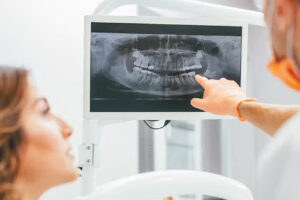
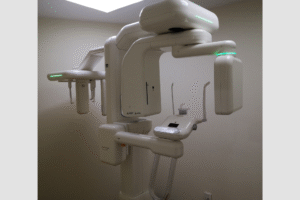
The dentist or oral surgeon uses advanced imaging (like 3D cone-beam computed tomography, or CBCT) to assess the density and volume of your existing jawbone. This meticulous planning is crucial for determining the precise location and angle of implant placement. If bone density is insufficient, a bone grafting procedure may be required first to rebuild the necessary foundation.
Step 2: Implant Placement
The titanium post is surgically placed into the jawbone. This procedure is typically performed under local anesthesia and is surprisingly comfortable, with most patients reporting less discomfort than a tooth extraction.
Step 3: Osseointegration (Healing Period)
This is the most time-intensive stage, usually lasting three to six months. During this period, the bone naturally grows around the titanium post, securely fusing it into the jaw. This process is the foundation of the implant’s strength and stability.
Step 4: Abutment and Crown Placement
Once osseointegration is complete, a small connector (abutment) is attached to the implant post, and the final custom-made crown is cemented or screwed onto the abutment, completing the restoration.
Considering the Cost of Dental Implants
It is true that the initial cost of dental implants is higher than that of traditional bridges or dentures. However, it is essential to view this as a long-term investment rather than an expense.
| Treatment | Initial Cost | Maintenance & Replacement | Long-Term Value |
|---|---|---|---|
| Dental Implant | Highest | Minimal (routine cleaning) | Excellent. Can last a lifetime. Protects jawbone health. |
| Dental Bridge | Moderate | Replacement needed every 5-15 years. Risk of decay in adjacent teeth. | Moderate. Does not protect bone. |
| Removable Denture | Lowest | Frequent adjustments and replacements needed. | Poor. Low stability and accelerates bone loss. |
When calculating the total financial impact over 20 or 30 years, the implant often becomes the most economical choice. Avoiding repeated treatments, addressing issues on abutment teeth, and managing continuous bone loss translates into significant savings in the long run.
Why Choose a Specialized Dentist in Gandhinagar for Implants
The success of a dental implant procedure is highly dependent on the skill, experience, and technology available at the dental practice. When choosing a dentist in Gandhinagar for your single tooth implant or more complex restorations, look for a practice that emphasizes:
- Surgical Expertise: Dentists who have specialized training in implantology or oral surgery are essential for precise placement.
- Advanced Digital Technology: Utilization of tools like digital scanners and CBCT ensures accurate diagnosis and reduces chair time.
- Comprehensive Care: A practice that can handle the entire process—from extraction and bone grafting (if needed) to final crown placement—ensures continuity of care.
Seeking a reputable dentist in Gandhinagar is the first step toward securing a successful and long-lasting permanent missing tooth solution.
Conclusion: Making the Right Tooth Replacement Option Choice
For anyone facing the loss of a tooth, the range of available tooth replacement options can be overwhelming. However, if your goal is the highest level of stability, the most natural feel, the preservation of jawbone health, and a solution that is truly permanent, the choice is clear. A dental implant is the closest science has come to replicating a natural, healthy tooth.
If you are considering a single tooth implant or multiple replacements, starting with a consultation is the best way forward. A specialized dentist in Gandhinagar can perform a thorough assessment, discuss the cost of dental implants specific to your case, and help you plan your journey toward a complete and confident smile. Don’t let a missing tooth compromise your health—choose the permanent option.

Related posts

Write a Comment
Recent Posts

X-rays Before Dental Implants: Using 3D Tech for Success


