


Can I Get My Teeth Cleaned If I Have Sensitive Teeth?

Can I Get My Teeth Cleaned If I Have Sensitive Teeth?

“I know I need dental cleaning, but my teeth are so sensitive that even cold water hurts. Won’t the cleaning be excruciating?”
If you’ve avoided scheduling your dental cleaning because you’re worried about pain and discomfort due to sensitive teeth, you’re not alone. Tooth sensitivity affects millions of people, and the fear of experiencing sharp, shooting pain during professional cleaning keeps many patients from seeking necessary preventive care.
The concern is understandable—if brushing with cold water makes you wince, the thought of metal instruments scraping your teeth seems unbearable. However, avoiding professional cleanings because of sensitivity creates a problematic cycle that actually worsens the very sensitivity you’re trying to avoid.
Here’s the truth: Not only can you get your teeth cleaned with sensitive teeth, but professional cleaning combined with proper sensitivity treatment can actually reduce your discomfort over time. Modern dentistry offers multiple gentle techniques, specialized equipment, and desensitizing options that make cleanings comfortable even for patients with severe sensitivity.
This comprehensive guide explains what causes tooth sensitivity, why professional cleaning remains essential despite sensitivity, what gentle techniques dentists use to ensure comfort, how to prepare for a cleaning when you have sensitive teeth, and what treatments can reduce sensitivity long-term. Whether you experience mild occasional sensitivity or severe chronic discomfort, understanding your options empowers you to receive the preventive care you need without unnecessary pain.
Understanding Tooth Sensitivity: Why Your Teeth Hurt
Before exploring how to make dental cleanings comfortable, it’s important to understand what causes tooth sensitivity and why it affects some people more than others.
What Happens in Your Mouth
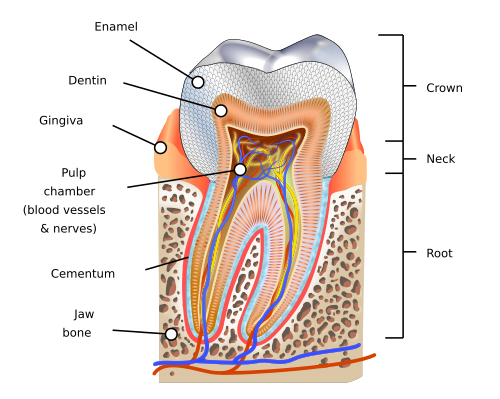
Tooth sensitivity occurs when the protective enamel layer covering your teeth becomes thin or when gum tissue recedes, exposing the underlying dentin. Dentin contains thousands of microscopic tubules—tiny channels that connect to the tooth’s nerve center. When these tubules are exposed to hot, cold, sweet, or acidic substances, the stimuli travel directly to the nerve, causing the characteristic sharp, sudden pain of sensitivity.
Healthy enamel and gum tissue create barriers protecting dentin from exposure. When these barriers break down, sensitivity develops.
💡 Quick Tip: Sensitivity that suddenly appears or worsens significantly may indicate a dental problem requiring attention beyond standard sensitivity treatment. Don’t ignore dramatic changes in tooth sensitivity.
Common Causes of Tooth Sensitivity
Several factors contribute to the development of sensitive teeth:
Gum recession pulls gum tissue away from teeth, exposing root surfaces that lack protective enamel. Recession results from aggressive brushing, gum disease, genetics, or aging.
Enamel erosion wears away the hard outer layer protecting teeth. Acidic foods and beverages (citrus, soda, wine), acid reflux, frequent vomiting, and certain medications all contribute to enamel erosion.
Aggressive brushing with hard-bristled toothbrushes or excessive pressure wears down enamel and contributes to gum recession—ironically, trying too hard to keep teeth clean can create sensitivity.
Teeth grinding (bruxism) wears down enamel, especially during sleep when you’re unaware of the pressure you’re applying. Many people grind their teeth without realizing it until sensitivity or other symptoms develop.
Recent dental procedures can cause temporary sensitivity. Teeth whitening, new fillings, crowns, or other treatments may create short-term sensitivity that resolves within days to weeks.
Gum disease causes inflammation and recession, exposing sensitive root surfaces. The bacteria causing gum disease also create an inflammatory environment that amplifies sensitivity.
Cracked or damaged teeth expose inner tooth layers, creating sensitivity to temperature changes and pressure. Even tiny cracks invisible to the naked eye can cause significant sensitivity.
🔑 Key Takeaway: Tooth sensitivity isn’t just an inconvenience—it’s a signal that protective tooth structures have been compromised. Identifying the underlying cause helps your dentist address both the sensitivity and the factors creating it.
Why Professional Teeth Cleaning Remains Essential Despite Sensitivity
Many people with sensitive teeth delay or avoid professional cleanings, reasoning that if regular brushing causes discomfort, professional cleaning will be unbearable. However, skipping cleanings actually worsens sensitivity over time through several mechanisms.
The Plaque and Tartar Connection
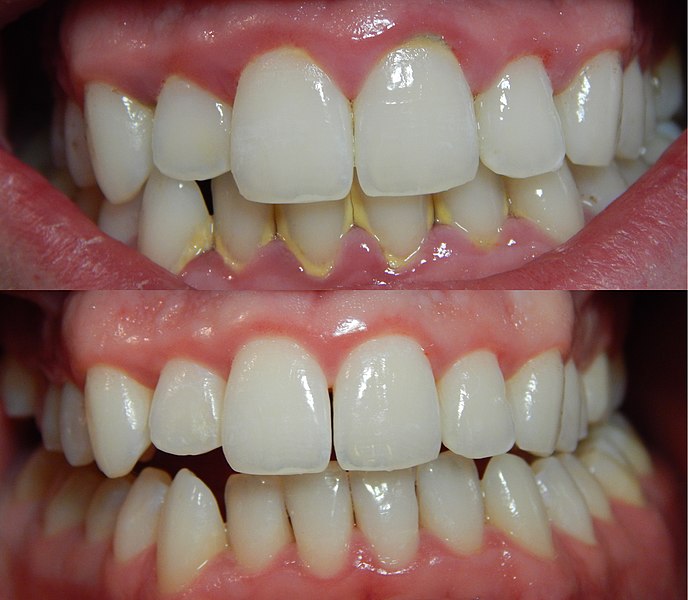
Plaque accumulation along the gumline causes inflammation that contributes to gum recession—one of the primary causes of sensitivity. The bacteria in plaque also produce acids that erode enamel, exposing more dentin tubules.
Tartar buildup (hardened plaque) can only be removed through professional cleaning. Tartar forms both above and below the gumline, where it irritates gum tissue and promotes recession. The longer tartar remains, the more damage it causes.
When you avoid professional cleanings due to sensitivity, plaque and tartar accumulate unchecked. This accumulation:
- Accelerates gum recession, exposing more sensitive root surfaces
- Increases enamel erosion from bacterial acids
- Creates inflammation that amplifies pain perception
- Allows small problems to progress into larger, more painful issues
The ironic reality: Avoiding cleanings to prevent discomfort ultimately creates more extensive sensitivity requiring more aggressive treatment.
Prevention of Advanced Problems
Regular professional cleanings prevent conditions that cause far more severe pain than sensitivity during cleaning:
Cavities developing beneath the gumline or between teeth cause intense, persistent pain requiring fillings or root canals—procedures more invasive than preventive cleaning.
Gum disease progression creates chronic inflammation, recession, bone loss, and eventually tooth loss. Advanced gum disease treatment is more extensive and uncomfortable than routine preventive cleanings.
Abscessed teeth from untreated decay create severe, throbbing pain and swelling requiring emergency treatment, antibiotics, and often tooth extraction.
Think of it this way: The brief, manageable discomfort of a professional cleaning prevents weeks or months of severe pain from advanced dental problems. For patients throughout Gandhinagar seeking comprehensive preventive dental care, regular professional cleanings represent the foundation of long-term oral health.
🔑 Key Takeaway: Professional teeth cleaning isn’t optional for people with sensitive teeth—it’s even more critical. The conditions causing your sensitivity will worsen without regular professional care, creating progressively more severe problems.
Gentle Dental Cleaning Techniques for Sensitive Teeth
Modern dentistry offers multiple approaches specifically designed to make teeth cleaning comfortable for patients with sensitivity. Understanding these options helps you feel confident that your cleaning can be gentle and pain-free.
Desensitizing Treatments Before Cleaning
Topical desensitizing agents applied before cleaning temporarily block the microscopic tubules in dentin, preventing stimuli from reaching nerves. These gels or pastes are painted onto sensitive areas and allowed to sit for several minutes before cleaning begins.
Professional-strength desensitizing treatments provide significantly more relief than over-the-counter toothpastes. The effects last throughout your cleaning appointment and often for hours or days afterward.
Fluoride varnish application before cleaning strengthens enamel and reduces sensitivity. The high-concentration fluoride creates a protective barrier that minimizes discomfort during subsequent cleaning procedures.
Local anesthesia offers the ultimate comfort for patients with severe sensitivity. Your dentist can numb specific areas or your entire mouth, ensuring you feel absolutely nothing during cleaning. While not necessary for all sensitive teeth patients, anesthesia is always available if needed.
Ultrasonic Scaling vs. Traditional Hand Scaling
The method your dental hygienist uses to remove plaque and tartar significantly affects comfort for sensitive teeth patients.
Traditional hand scaling involves metal instruments that scrape against tooth surfaces to remove deposits. While effective, this method can be uncomfortable for sensitive teeth, as the metal-to-tooth contact and scraping motion can trigger sensitivity.
Ultrasonic scaling uses high-frequency vibrations and water to break apart and wash away plaque and tartar. The ultrasonic scaler tip doesn’t scrape aggressively against teeth—instead, rapid vibrations shatter deposits while water flushes debris away.
For sensitive teeth, ultrasonic cleaning offers several advantages:
- Less direct pressure on tooth surfaces
- Gentler on exposed dentin and root surfaces
- Cooling water spray helps manage temperature sensitivity
- Faster removal of deposits means shorter appointment times
- More comfortable experience for most sensitivity patients
Some patients find the vibration sensation unusual initially, but most report significantly less discomfort compared to traditional scaling. Your dental hygienist can adjust ultrasonic power settings to find the level providing thorough cleaning with minimal discomfort.
At Nova Dental Hospital’s teeth scaling treatment center, we utilize advanced ultrasonic technology specifically to enhance comfort for patients with sensitive teeth.
💡 Quick Tip: If you’ve avoided cleanings because of past painful experiences with traditional hand scaling, ask specifically about ultrasonic cleaning. The difference in comfort level can be dramatic.
Temperature Control and Modifications
Temperature extremes trigger sensitivity for many patients. Modern cleaning techniques address this through several modifications:
Warm water in ultrasonic scalers replaces cold water, eliminating the shock of cold spray on sensitive teeth. This simple adjustment makes enormous difference for temperature-sensitive patients.
Air-water spray adjustment controls the amount of air mixed with water during cleaning. Reducing air flow minimizes the cold sensation many patients find uncomfortable.
Sectional cleaning divides your mouth into smaller areas treated during separate appointments if necessary. Rather than attempting a full-mouth cleaning in one session, severely sensitive teeth might benefit from cleaning one quadrant at a time, allowing better focus on comfort and gentleness in each area.
What to Expect: Step-by-Step Gentle Cleaning Process
Understanding exactly what happens during a gentle teeth cleaning appointment reduces anxiety and helps you feel prepared.
| Step | What Happens | How It Helps Sensitivity |
| 1. Pre-Treatment Consultation | Discuss your sensitivity concerns, pain triggers, and past experiences | Allows customization of cleaning approach to your specific needs |
| 2. Desensitizing Application | Topical gel or paste applied to sensitive areas for 3-5 minutes | Temporarily blocks nerve pathways reducing discomfort during cleaning |
| 3. Gentle Examination | Careful visual inspection and gentle probing to assess gum health | Identifies areas requiring extra care; gentle technique minimizes discomfort |
| 4. Ultrasonic Scaling | High-frequency vibrations and warm water remove plaque and tartar | Gentler than hand scraping; adjustable intensity; warm water prevents temperature shock |
| 5. Hand Scaling (if needed) | Gentle manual removal of any remaining deposits using light pressure | Only used where necessary; extremely gentle technique for sensitive areas |
| 6. Polishing | Soft rubber cup with gentle polishing paste smooths tooth surfaces | Low-speed polishing with sensitivity-formulated paste; creates smooth surface reducing future plaque accumulation |
| 7. Fluoride Treatment | High-concentration fluoride gel or varnish applied | Strengthens enamel; provides prolonged sensitivity relief; protective barrier against future sensitivity |
| 8. Post-Treatment Recommendations | Discussion of home care for sensitivity management | Empowers you to maintain results and reduce sensitivity between appointments |
Total appointment time: 30-45 minutes for gentle, thorough cleaning
Discomfort level with proper technique: Minimal to none for most patients
What You’ll Actually Feel
With proper desensitizing treatment and gentle technique, most patients report:
- During cleaning: Pressure and vibration sensations without sharp pain
- Temperature sensations: Minimal due to warm water use
- Post-cleaning: Possible mild sensitivity for 24-48 hours, significantly less than feared
- Within days: Often reduced baseline sensitivity due to plaque removal and fluoride treatment
Many patients are genuinely surprised that the cleaning they dreaded for months or years turns out far more comfortable than anticipated.
🔑 Key Takeaway: A professional teeth cleaning specifically adapted for sensitive teeth involves multiple comfort-enhancing techniques. You’re not expected to “tough it out”—your dental team has numerous tools to ensure your comfort.
Preparing for Your Dental Cleaning When You Have Sensitive Teeth
Taking proactive steps before your appointment enhances comfort and sets you up for the best possible experience.
Two Weeks Before Your Appointment
Start using desensitizing toothpaste containing potassium nitrate or stannous fluoride. These ingredients need time to build up protective effects—starting two weeks before your cleaning provides maximum benefit.
Apply the toothpaste directly to sensitive areas after brushing, leaving it on rather than rinsing completely. This extended contact enhances effectiveness.
Avoid acidic foods and beverages that erode enamel and amplify sensitivity. Limiting citrus, soda, wine, and other acidic items in the weeks before cleaning reduces baseline sensitivity.
Practice gentle brushing with a soft-bristled toothbrush to avoid creating additional sensitivity before your appointment. Aggressive brushing right before a cleaning can make teeth more sensitive during professional cleaning.
Communication with Your Dental Team
Inform the office when scheduling that you have sensitive teeth and would like a gentle cleaning approach. This allows appropriate appointment time allocation and ensures your hygienist is prepared with desensitizing materials.
Arrive early to complete any necessary paperwork and avoid feeling rushed, which can increase anxiety and pain perception.
Discuss your specific concerns at the beginning of your appointment:
- Which teeth are most sensitive?
- What triggers your sensitivity (cold, sweet, pressure)?
- Have you had painful cleaning experiences in the past?
- What level of discomfort can you tolerate?
This conversation allows your hygienist to customize their approach to your specific needs.
During Your Appointment
Establish a “stop signal” with your hygienist—raising your hand means immediate pause for a break or additional desensitizing treatment. Knowing you have control reduces anxiety significantly.
Use distraction techniques such as listening to music through headphones, practicing deep breathing, or focusing on progressive muscle relaxation during the procedure.
Communicate throughout if you experience discomfort. Your hygienist can adjust technique, apply more desensitizing agent, or pause for breaks. Don’t suffer in silence hoping it will end quickly—speak up so adjustments can be made.
💡 Quick Tip: Consider scheduling your cleaning appointment in the morning when you’re less fatigued and more able to tolerate discomfort. Avoid scheduling immediately after stressful events that might lower your pain tolerance.
Comparison: Regular Cleaning vs. Gentle Cleaning for Sensitive Teeth
| Aspect | Standard Cleaning | Gentle Cleaning for Sensitive Teeth |
| Pre-Treatment | None or minimal | Desensitizing gel application 5-10 minutes before starting |
| Scaling Method | Primarily hand instruments | Ultrasonic scaling with adjustable intensity settings |
| Water Temperature | Room temperature or cold | Warm water to prevent temperature shock |
| Technique Pressure | Moderate, efficient removal | Lighter pressure with more time allowed for gentle approach |
| Anesthesia | Rarely used | Available upon request; topical or injectable options |
| Appointment Length | 30 minutes | 40-60 minutes (extra time for comfort measures) |
| Polishing | Standard paste and speed | Low-abrasion paste designed for sensitivity; slower speed |
| Post-Treatment | Standard fluoride optional | High-concentration fluoride varnish recommended |
| Follow-up | 6-month standard interval | May recommend 3-4 month intervals to prevent heavy buildup |
| Patient Experience | Efficient, routine | Customized, comfort-focused |
At our dental clinic in Gandhinagar, we prioritize gentle techniques and customize every cleaning to the patient’s comfort level and sensitivity concerns.
Long-Term Solutions for Reducing Tooth Sensitivity
While gentle cleaning techniques make professional care comfortable despite sensitivity, addressing the underlying causes provides lasting relief and may eventually eliminate sensitivity altogether.
Professional Treatments
Fluoride varnish applications performed regularly strengthen enamel and reduce dentin tubule exposure. Professional-strength fluoride provides significantly more protection than over-the-counter products.
Desensitizing agents applied in-office create barriers that block nerve stimulation. Multiple applications over time build cumulative protection.
Dental bonding covers exposed root surfaces with tooth-colored resin material, creating a protective barrier over sensitive areas. This treatment provides immediate and lasting relief for localized sensitivity.
Gum grafting surgically covers receded areas with tissue, protecting exposed roots. While more invasive, grafting offers permanent solution for recession-related sensitivity.
Treatment for gum disease addresses the inflammation and recession causing much sensitivity. Professional gum treatment removes infection, allowing tissues to heal and potentially reducing sensitivity.
Home Care Strategies
Desensitizing toothpaste used consistently provides ongoing protection. Apply it during regular brushing and also rub it directly onto sensitive spots before bed.
Soft-bristled toothbrushes prevent enamel wear and gum recession from aggressive brushing. Replace your brush every three months or when bristles fray.
Proper brushing technique using gentle circular motions rather than harsh back-and-forth scrubbing preserves enamel and gum tissue. Your dentist or hygienist can demonstrate optimal technique.
Non-acidic diet modifications reduce enamel erosion. When you do consume acidic foods or beverages, rinse with water afterward rather than brushing immediately (brushing acid-softened enamel can cause more wear).
Fluoride mouthrinse daily strengthens enamel and provides additional protection against sensitivity triggers.
Night guards for teeth grinding prevent the enamel wear that creates sensitivity. If you grind your teeth during sleep, a custom night guard protects against progressive damage.
For patients seeking comprehensive sensitivity treatment, our expert team led by Dr. Happy Patel develops personalized treatment plans addressing both immediate comfort and long-term sensitivity reduction.
🔑 Key Takeaway: Tooth sensitivity isn’t a permanent condition you must endure. Multiple professional treatments and home care strategies can significantly reduce or eliminate sensitivity, making both daily life and dental appointments more comfortable.
Special Considerations for Different Types of Sensitivity
Not all tooth sensitivity is the same, and understanding your specific type helps you and your dentist optimize your cleaning approach.
Temperature Sensitivity
If cold or hot temperatures trigger your sensitivity, inform your hygienist so they can:
- Use warm water in ultrasonic scalers
- Minimize air-water spray that creates cold sensations
- Apply desensitizing agents specifically targeting temperature-sensitive areas
- Allow extra time between cleaning different areas for your mouth to return to neutral temperature
Pressure Sensitivity
Teeth sensitive to biting or pressure require particularly gentle scaling technique:
- Ultrasonic cleaning with light pressure works better than hand scaling
- Extra caution around gumline where pressure sensitivity often concentrates
- Possible recommendation for bite adjustment if malocclusion contributes to sensitivity
Sweet or Acidic Sensitivity
Sensitivity to sweets or acids often indicates active decay or significant enamel loss:
- Requires thorough examination for cavities during your cleaning appointment
- May need cavity treatment before or after cleaning
- Emphasis on fluoride treatment and enamel-strengthening protocols
Localized vs. Widespread Sensitivity
Single sensitive tooth often indicates a specific problem—crack, filling issue, cavity, or recession at that tooth. Your dentist should investigate the cause thoroughly.
Generalized sensitivity throughout your mouth suggests systemic factors like enamel erosion from acid exposure, widespread gum recession, or bruxism. Treatment focuses on addressing underlying causes while managing symptoms.
When to Seek Additional Evaluation
While tooth sensitivity is common and often manageable with gentle techniques and desensitizing treatments, certain situations warrant deeper investigation.
Seek prompt dental evaluation if you experience:
- Sudden onset of severe sensitivity that appears without obvious cause
- Sensitivity in a single tooth that’s dramatically worse than others
- Pain that persists for hours after stimulus is removed (normal sensitivity resolves within seconds to minutes)
- Sensitivity accompanied by visible damage such as chips, cracks, or darkening
- Sensitivity that progressively worsens despite treatment
- Symptoms suggesting infection including swelling, pus, fever, or bad taste
These signs may indicate conditions requiring treatment beyond sensitivity management—cavities, cracks, infections, or failing dental restorations. Early evaluation prevents minor problems from progressing to major issues requiring extensive treatment.
For comprehensive evaluation and treatment of dental concerns, our Gift City and PDPU area dental clinic provides thorough examinations using advanced diagnostic technology.
💡 Quick Tip: Don’t assume all tooth pain is “just sensitivity.” If pain patterns change or worsen, schedule an evaluation to rule out problems requiring specific treatment.
Addressing Anxiety About Dental Cleaning with Sensitive Teeth
For many people, the combination of tooth sensitivity and dental anxiety creates a powerful deterrent to seeking professional cleaning. Understanding that this anxiety is valid and that solutions exist helps you overcome fear and receive necessary care.
Why Dental Anxiety Develops
Past negative experiences create lasting fear associations. If previous cleanings were painful due to unaddressed sensitivity, anticipating similar pain during future appointments is natural.
Fear of judgment about oral health conditions causes some people to avoid dentists. If you’ve neglected care due to sensitivity, you might worry about criticism from dental professionals.
Loss of control in the dental chair triggers anxiety for some people. Feeling vulnerable while someone works in your mouth can be genuinely distressing.
Sensory overwhelm from dental equipment sounds, smells, and sensations creates discomfort for sensitive individuals even before any painful stimuli occur.
Managing Dental Anxiety
Open communication with your dental team about both your sensitivity and your anxiety allows them to address both concerns simultaneously. Dentists who understand your fear can modify their approach accordingly.
Sedation options help severely anxious patients. Nitrous oxide sedation provides gentle anxiety relief while keeping you fully conscious and able to communicate. You remain in control but feel significantly calmer.
Gradual exposure through initial consultation appointments without treatment helps you acclimate to the dental environment. Meeting the team, touring the facility, and discussing your concerns without immediate treatment pressure reduces fear.
Relaxation techniques including deep breathing, progressive muscle relaxation, and visualization help manage anxiety during appointments. Your dental team can guide you through these techniques.
Bringing support in the form of a trusted friend or family member to accompany you provides comfort for some patients.
Remember that dental professionals genuinely want to help you feel comfortable. Expressing your fears allows them to support you appropriately rather than proceeding unaware of your distress.
🔑 Key Takeaway: Combining tooth sensitivity with dental anxiety is challenging, but multiple strategies exist to address both simultaneously. You don’t have to choose between enduring pain and avoiding necessary care—comfortable options exist.
The Connection Between Regular Cleanings and Reduced Sensitivity
Here’s an encouraging reality that surprises many sensitive-teeth patients: Regular professional cleanings often reduce baseline sensitivity over time rather than causing ongoing discomfort.
How Cleanings Improve Sensitivity
Plaque and tartar removal eliminates bacterial acids that erode enamel and irritate gums. Reducing this chronic irritation allows tissues to heal, often reducing sensitivity.
Reduced inflammation from removing irritating deposits allows gums to become healthier and potentially reattach slightly to teeth, covering some exposed root surfaces.
Professional fluoride treatments administered at each cleaning strengthen enamel progressively, building protection against sensitivity triggers.
Early problem detection allows your dentist to identify and treat conditions like cavities or gum disease before they create severe sensitivity. Small interventions early prevent major problems later.
Improved home care often results from regular professional reinforcement of proper technique. As your hygiene improves between appointments, sensitivity from plaque accumulation decreases.
Patient Success Stories
Many patients report that after powering through their first cleaning despite sensitivity fears, subsequent appointments become progressively easier. The combination of gentle professional care, fluoride strengthening, and improved home hygiene creates an upward spiral where each cleaning is more comfortable than the last.
For comprehensive, gentle dental care that helps patients overcome sensitivity and maintain excellent oral health, families throughout Gandhinagar including those near PDPU and Gift City trust our experienced dental team.
Taking the First Step: Scheduling Your Gentle Cleaning
If you’ve been avoiding professional teeth cleaning because of sensitivity, taking that first step toward scheduling an appointment feels daunting. Understanding that you can begin gradually helps make this step more manageable.
Start with a Consultation
Schedule a consultation appointment specifically for discussing your sensitivity and examining your teeth without performing cleaning. This low-pressure visit allows you to:
- Meet your dental hygienist and dentist
- Explain your sensitivity triggers and concerns
- Receive examination and x-rays if needed
- Discuss gentle cleaning options available
- Ask questions and understand exactly what to expect
- Build trust with your dental team before committing to treatment
Many anxious patients find that simply talking with understanding professionals who respect their concerns significantly reduces fear.
What to Communicate When Scheduling
When calling to schedule your appointment, mention:
- “I have sensitive teeth and I’m nervous about cleaning”
- “I’d like to discuss gentle cleaning options”
- “Can we schedule extra time to ensure a comfortable experience?”
This upfront communication ensures the office:
- Schedules adequate appointment time
- Prepares appropriate desensitizing materials
- Assigns a hygienist experienced with sensitive-teeth patients
- Sets appropriate expectations for a gentle, customized approach
Preparing Your Questions
Write down questions and concerns to discuss during your appointment:
- What desensitizing options do you offer?
- Can you use ultrasonic cleaning instead of hand scraping?
- Is nitrous oxide sedation available if I need it?
- What can I do at home to reduce sensitivity before my appointment?
- How long will the cleaning take?
- What should I expect to feel during and after?
Having your questions written ensures you don’t forget important concerns once you’re in the dental chair.
💡 Quick Tip: Consider scheduling your first cleaning appointment on a day when you have no major commitments afterward. This removes pressure about needing to rush back to work or other responsibilities, allowing you to focus fully on your comfort during the appointment.
Why Nova Dental Hospital for Gentle Teeth Cleaning
Choosing a dental practice that prioritizes comfort and has specific expertise in managing sensitivity makes all the difference in your cleaning experience.
At Nova Dental Hospital in Gandhinagar, we understand that tooth sensitivity shouldn’t prevent you from receiving necessary preventive care. Our approach combines:
Advanced ultrasonic scaling technology specifically adjusted for sensitivity patients, using warm water and customizable intensity settings.
Comprehensive desensitizing protocols including pre-treatment applications, fluoride varnishes, and post-treatment sensitivity management.
Expert, gentle technique from experienced dental hygienists who understand how to clean thoroughly while minimizing discomfort.
Nitrous oxide sedation availability for patients who need additional anxiety relief beyond gentle technique alone.
Personalized treatment plans addressing not just immediate cleaning needs but long-term sensitivity reduction through appropriate treatments.
Patient-centered communication where your concerns are heard, respected, and addressed throughout the process.
State-of-the-art facility near PDPU and Gift City with modern equipment designed for patient comfort.
We believe that everyone deserves comfortable access to preventive dental care, regardless of sensitivity challenges. Our goal is not just completing your cleaning but ensuring you feel comfortable enough to maintain regular preventive appointments that protect your long-term oral health.
To learn more about our comprehensive approach to gentle dental care in Gandhinagar or to schedule your consultation, visit our Google Business profile to see what other patients say about their experiences.
Frequently Asked Questions
Will a dental cleaning make my tooth sensitivity worse, or can it actually help?
Many patients worry that professional cleaning will aggravate sensitivity, but the opposite is often true when proper gentle techniques are used. The cleaning itself, performed with desensitizing treatments and gentle methods, typically causes only temporary mild sensitivity lasting 24-48 hours. However, removing the plaque and tartar that irritate your gums and erode your enamel actually reduces baseline sensitivity over time. The professional fluoride treatment applied after cleaning strengthens enamel and provides lasting protection against sensitivity triggers. Most patients find that regular gentle cleanings progressively reduce their everyday sensitivity by eliminating chronic irritation and strengthening tooth structure. The key is ensuring your dental team uses appropriate techniques for sensitive teeth rather than standard aggressive scaling.
What’s the difference between ultrasonic cleaning and regular hand scaling for sensitive teeth?
Traditional hand scaling uses metal instruments that manually scrape tartar off tooth surfaces, which can be quite uncomfortable for sensitive teeth due to the direct pressure and scraping motion against exposed dentin. Ultrasonic cleaning uses high-frequency vibrations to break apart deposits while simultaneously flushing them away with water, creating a gentler experience. The ultrasonic scaler tip doesn’t scrape forcefully—instead, rapid vibrations shatter tartar deposits with minimal direct pressure on tooth surfaces. For sensitive teeth patients, ultrasonic cleaning offers several advantages: less pressure and friction against teeth, warm water option that prevents temperature shock, faster deposit removal meaning shorter appointment time, and adjustable intensity settings customized to your comfort level. Most sensitivity patients find ultrasonic cleaning significantly more tolerable than traditional hand scaling, though your hygienist may still use hand instruments gently in certain areas where ultrasonic access is limited.
Can I request numbing or sedation for my teeth cleaning if my sensitivity is severe?
Absolutely yes—you are never expected to endure significant pain during dental cleaning. Several options exist for patients with severe sensitivity. Topical anesthetic gels can be applied to sensitive areas before cleaning, providing temporary numbing without injections. Local anesthetic injections can numb specific quadrants of your mouth completely, ensuring you feel nothing during cleaning—this is the same numbing used for fillings and provides total pain elimination. Nitrous oxide sedation (laughing gas) helps you feel relaxed and calm during the procedure while remaining fully conscious; it doesn’t eliminate physical sensation but significantly reduces anxiety and pain perception. Some practices offer combination approaches using both local anesthetic for complete numbing and nitrous oxide for anxiety relief. Your dental team wants you comfortable, so discuss your sensitivity severity openly during scheduling and at your appointment. They can recommend appropriate options based on your needs and can adjust the approach if initial measures prove insufficient.
How often should I get my teeth cleaned if I have sensitive teeth?
The standard recommendation of professional cleaning every six months applies to most sensitive-teeth patients. However, some situations warrant more frequent cleanings—typically every three to four months. If you have active gum disease contributing to your sensitivity, more frequent cleanings help control inflammation and prevent further recession. If you accumulate tartar quickly despite good home care, shorter intervals prevent heavy buildup that requires more aggressive removal. If you’re undergoing sensitivity treatment, more frequent professional fluoride applications and monitoring support better outcomes. Conversely, if your sensitivity is very severe and you need time to build tolerance through desensitizing treatments before attempting full cleanings, your dentist might initially perform partial cleanings in sections, eventually working up to full cleanings as your comfort improves. Your dentist determines optimal cleaning frequency based on your specific situation—plaque and tartar accumulation rate, gum health status, sensitivity severity, and treatment response. Discuss the ideal schedule for your situation during your examination.
What can I do at home to reduce sensitivity before and after my dental cleaning appointment?
Several home strategies enhance comfort around your cleaning appointment. Starting two weeks before, use desensitizing toothpaste containing potassium nitrate or stannous fluoride twice daily, and apply extra directly to sensitive spots before bed. Avoid acidic foods and beverages like citrus, soda, tomatoes, and wine for several days before your appointment, as acids temporarily increase sensitivity. Use a soft-bristled toothbrush with gentle technique—aggressive brushing before cleaning can inflame already-sensitive areas. After your cleaning, continue using desensitizing toothpaste consistently, as benefits build with regular use. Avoid very hot, cold, or acidic foods for 24-48 hours while any temporary post-cleaning sensitivity resolves. Rinse with warm salt water (one teaspoon salt in eight ounces warm water) if you experience discomfort—this soothes irritated tissues. Take over-the-counter pain relievers if needed for the first day or two. Apply desensitizing toothpaste directly to sensitive spots several times daily without rinsing for maximum effect. If your dentist provides prescription-strength fluoride gel, use it exactly as directed for optimal enamel strengthening. Most post-cleaning sensitivity resolves within two to three days, but contact your dentist if pain worsens or persists beyond a week, as this may indicate a problem requiring attention.

Related posts

Write a Comment
Recent Posts

Can I Get My Teeth Cleaned If I Have Sensitive Teeth?

Why Do I Need a Deep Cleaning If I Already Brush My Teeth Regularly?


