


Toothache at Night: Why It Gets Worse & How to Get Relief

Toothache at Night: Why It Gets Worse & How to Get Relief

Few experiences are more miserable than being awakened by throbbing tooth pain in the middle of the night, or lying awake watching the hours pass because discomfort prevents sleep. If you’ve noticed that your toothache seems significantly worse at night compared to during the day, you’re not imagining things—there are legitimate physiological and situational reasons why dental pain intensifies after dark. Understanding why toothache at night worsens and knowing effective strategies for emergency toothache relief can help you manage the discomfort until you can receive professional tooth pain treatment Gandhinagar services.
At Nova Dental Hospital in Gandhinagar, we understand the urgency and distress of nighttime dental pain. Our experienced team provides comprehensive dental pain management for patients throughout areas near PDPU and Gift City, from emergency toothache relief to definitive treatments like painless root canal treatment that address the underlying tooth infection or damage causing your suffering. This guide explains the night tooth pain causes you’re experiencing and offers both immediate relief strategies and long-term solutions ensuring you can sleep comfortably again.
Why Toothache at Night Gets Worse: Understanding the Physiology
The perception that tooth pain intensifies at night isn’t just in your head—several legitimate physiological factors contribute to increased nighttime discomfort.
Blood Flow Changes and Increased Pressure
When you lie down to sleep, blood flow patterns throughout your body change significantly compared to when you’re upright during the day. Lying horizontally causes increased blood flow to your head and, consequently, to your teeth and gums. This enhanced circulation increases pressure within inflamed tooth pulp or infected areas, intensifying pain signals. Think of it like how a swollen ankle throbs more when elevated—similar principles apply to inflamed dental tissues.
During the day when you’re upright, gravity helps blood drain away from your head, naturally reducing pressure in dental tissues. At night, this gravitational advantage disappears, allowing blood and inflammatory fluids to accumulate more readily around painful teeth, creating that characteristic throbbing sensation that keeps you awake seeking toothache at night relief.
Reduced Distractions Amplifying Pain Perception
During daytime hours, your attention is divided among countless activities, responsibilities, and stimuli. You’re focused on work, conversations, tasks, entertainment, and navigating your environment. These distractions provide natural pain relief by occupying your conscious mind and reducing the bandwidth available for processing pain signals.
At night, particularly when lying in a dark, quiet bedroom trying to sleep, distractions vanish. There’s nothing to occupy your mind except the discomfort you’re feeling. This focused attention amplifies pain perception—you’re acutely aware of every throb, ache, and twinge without anything else to think about. The psychological component of pain perception is significant, and nighttime conditions create the perfect environment for pain to dominate your awareness.
Stress Hormone Fluctuations
Your body’s natural cortisol production follows a circadian rhythm, with levels typically highest in the morning and declining throughout the day to reach their lowest point in the middle of the night. Cortisol has natural anti-inflammatory properties that help suppress pain. As cortisol levels drop during nighttime hours, the body’s natural pain suppression diminishes, allowing inflammation and discomfort to feel more intense.
This hormonal fluctuation partially explains why many types of pain—not just dental pain—worsen at night. Your body’s natural pain-fighting mechanisms are at their weakest when you’re trying to sleep, making night tooth pain causes more impactful than identical issues during daytime hours.
Nocturnal Teeth Grinding and Clenching
Many people unconsciously grind their teeth or clench their jaws during sleep, a condition called sleep bruxism. If you’re already experiencing tooth pain from decay, infection, or other dental problems, the additional pressure and force from nighttime grinding dramatically intensifies discomfort. You might fall asleep with manageable pain only to wake hours later with severe throbbing because you’ve been clenching and grinding on the affected tooth without realizing it.
Even individuals who don’t normally grind their teeth might do so more when experiencing dental discomfort, creating a vicious cycle where pain causes tension that leads to clenching that worsens pain. This unconscious behavior contributes significantly to the phenomenon of toothache at night worsening.
Common Night Tooth Pain Causes Requiring Professional Treatment
Understanding what’s causing your nighttime dental pain helps you recognize when home remedies won’t suffice and professional tooth pain treatment Gandhinagar services are necessary.
Tooth Decay and Cavities
Untreated tooth decay represents one of the most common causes of dental pain. When bacteria in plaque produce acids that dissolve tooth enamel, they create cavities that gradually progress deeper into tooth structure. As decay approaches the inner pulp containing nerves and blood vessels, temperature sensitivity and pain develop. This discomfort intensifies at night due to the factors previously discussed—increased blood flow, reduced distractions, and lower cortisol levels.
Cavities don’t heal on their own and continuously worsen without treatment. The pain signals you’re experiencing indicate that decay has progressed significantly and requires professional intervention. Dental fillings to remove infected tissue and restore tooth structure provide definitive relief, while ignoring the problem guarantees worsening pain and eventual need for more extensive, expensive treatment like root canal therapy or extraction.
Tooth Infection and Abscesses
When tooth decay reaches the pulp or when bacteria enter through cracks, deep cavities, or gum disease, tooth infection develops. The body’s immune response creates inflammation and pus accumulation, causing intense, throbbing pain that characteristically worsens at night. An abscessed tooth creates pressure within the confined space of the tooth or surrounding bone, and this pressure increases dramatically when lying down due to enhanced blood flow to the area.
Dental infections are serious medical conditions that won’t resolve without professional dental pain management. Antibiotics may temporarily reduce infection, but they don’t eliminate bacteria sealed inside the tooth structure. Root canal treatment to remove infected pulp tissue and seal the tooth, or extraction in severe cases, provides the only definitive cure. Untreated tooth infection can spread to surrounding tissues, the jawbone, and even systemically throughout the body, creating potentially life-threatening complications.
Cracked or Fractured Teeth
Teeth can crack or fracture from trauma, chewing hard objects, grinding, or simply from age-related wear. These cracks allow temperature stimuli and bacteria to reach sensitive inner tooth layers, causing significant pain. Lying down at night can shift pressure distribution on the cracked tooth, intensifying discomfort. Additionally, unconscious nighttime clenching puts tremendous force on compromised teeth, causing sharp pain that jolts you awake.
Cracked teeth require professional evaluation and treatment that might include dental bonding for minor cracks, crowns for more extensive fractures, or root canal therapy if the crack has exposed or damaged the pulp. Ignoring cracked teeth allows bacteria to enter, leading to infection and potential tooth loss.
Gum Disease and Periodontal Issues
Advanced gum disease creates pockets of infection around tooth roots, causing pain that worsens at night. Inflammation of gum tissue and underlying bone creates pressure and discomfort intensified by increased blood flow when horizontal. Additionally, exposed root surfaces from gum recession are highly sensitive to temperature and pressure changes, contributing to nighttime discomfort.
Periodontal treatment including deep cleaning, antibiotics, and sometimes surgery addresses gum disease and provides relief from associated pain. Left untreated, gum disease progressively destroys bone supporting teeth, eventually causing tooth loss.
Impacted or Erupting Wisdom Teeth
Wisdom teeth attempting to erupt through gum tissue or impacted against adjacent teeth create significant pressure and inflammation that worsens at night. The confined space in the back of your mouth combined with increased nighttime blood flow creates particularly intense throbbing around wisdom teeth. If infection develops around partially erupted wisdom teeth—a condition called pericoronitis—pain becomes severe and often requires emergency toothache relief.
Impacted wisdom teeth causing recurrent pain typically require extraction. Delaying this treatment allows repeated infections, damage to adjacent teeth, and continued episodes of severe nighttime pain.
Immediate Toothache at Night Relief: Home Remedies Until Professional Care
While home remedies don’t replace professional tooth pain treatment Gandhinagar, they can provide temporary emergency toothache relief allowing you to sleep until you can see a dentist Gandhinagar.
Elevation and Positioning Strategies
Since lying flat increases blood flow to your head and intensifies dental pain, adjusting your sleeping position can provide significant relief. Prop yourself up with extra pillows so your head remains elevated above your heart—this reduces blood flow to the painful area and decreases pressure. Some people find sleeping in a recliner more comfortable than a bed during acute dental pain episodes.
Avoid sleeping on the side where your tooth hurts, as direct pressure on that side of your face can worsen discomfort. If possible, sleep on the opposite side or on your back with adequate elevation.
Over-the-Counter Pain Medication
Non-prescription pain relievers provide temporary but valuable relief from nighttime toothache. Ibuprofen (Advil, Motrin) works particularly well for dental pain because it reduces both pain and inflammation. Take the recommended dose—typically 400-600mg for adults—about 30 minutes before bedtime. Acetaminophen (Tylenol) provides pain relief without anti-inflammatory effects and can be used if you can’t take ibuprofen.
For severe pain, some people alternate ibuprofen and acetaminophen every three hours (taking one, then three hours later taking the other), providing more consistent pain coverage. However, always follow package directions and don’t exceed recommended doses. These medications provide temporary relief but don’t address underlying problems causing your pain.
Cold Compress Application
Applying a cold compress or ice pack to your face over the painful area helps reduce inflammation and numb pain. Wrap ice or a cold pack in a thin towel and hold it against your cheek for 15-20 minutes, then remove for 15 minutes before reapplying if needed. The cold constricts blood vessels, reducing blood flow to the inflamed area and providing numbing relief.
Avoid placing ice directly on the tooth itself or inside your mouth, as extreme cold can damage tissues and worsen pain. External application to the face is safest and most effective for toothache at night relief.
Saltwater Rinses for Infection
Warm saltwater rinses help clean the painful area, reduce bacteria, and soothe inflamed tissues. Dissolve half a teaspoon of salt in a cup of warm water and swish it gently around the affected tooth for 30 seconds before spitting it out. Repeat this several times, particularly before bed. Saltwater creates an inhospitable environment for bacteria and can help draw out infection fluid from abscessed teeth, providing temporary relief.
While this won’t cure infection or decay, it helps manage discomfort and keeps the area cleaner until you can receive professional dental pain management.
Clove Oil for Topical Numbing
Clove oil contains eugenol, a natural anesthetic and anti-inflammatory compound dentists once commonly used. Apply a small amount of clove oil to a cotton ball and gently dab it on the painful tooth and surrounding gum. The oil provides temporary numbing relief that can help you fall asleep. Use sparingly, as too much can irritate tissues or cause burning sensations.
While clove oil offers short-term emergency toothache relief, it doesn’t treat underlying problems and shouldn’t replace professional care.
Avoiding Pain Triggers
Until you can see a dentist, avoid things that worsen toothache. Don’t consume very hot, very cold, or sweet foods and beverages that trigger pain. Avoid chewing on the affected side. Don’t lie completely flat—maintain some elevation. Avoid alcohol, which can interfere with sleep and potentially worsen inflammation.
When to Seek Emergency Dental Care
While temporary toothache at night relief measures help you through the night, certain symptoms indicate the need for urgent professional evaluation at a dental clinic.
Signs of Serious Infection Requiring Immediate Care
Seek emergency treatment if your toothache is accompanied by fever over 101°F, significant facial swelling, difficulty breathing or swallowing, swelling spreading to eye or neck areas, or persistent severe pain unresponsive to over-the-counter medication. These symptoms suggest infection is spreading beyond the tooth, creating potentially dangerous complications requiring immediate intervention with antibiotics and often tooth infection drainage procedures.
Don’t wait to see if severe symptoms improve—infections can progress rapidly, and delayed treatment risks serious health consequences. Contact Nova Dental Hospital for same-day emergency appointments when experiencing alarming symptoms alongside nighttime tooth pain.
Persistent Pain Disrupting Sleep and Daily Function
If toothache consistently prevents sleep multiple nights in a row or significantly interferes with eating, working, or daily activities, professional tooth pain treatment Gandhinagar becomes urgent even without alarming infection signs. Chronic pain severely impacts quality of life, and the underlying cause—whether decay, infection, or another issue—will only worsen without treatment.
Don’t tough it out hoping pain will spontaneously resolve. Dental problems causing significant pain require professional diagnosis and treatment to provide lasting relief and prevent progression to more serious conditions.
Professional Tooth Pain Treatment: Addressing the Root Cause
Temporary relief measures only mask symptoms—definitive treatment addresses night tooth pain causes directly, providing lasting relief.
Comprehensive Dental Examination and Diagnosis
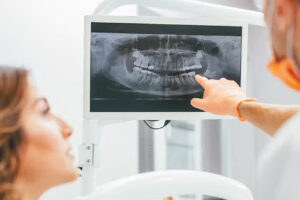
Your treatment journey begins with thorough examination to identify what’s causing your nighttime toothache. Your dentist at Nova Dental Hospital performs visual inspection of all teeth, gums, and oral tissues; tactile examination using instruments to check for decay, cracks, and sensitivity; percussion testing gently tapping teeth to assess pain response and possible infection; and dental X-rays revealing decay between teeth, abscesses, bone loss, and other issues not visible externally.
This comprehensive evaluation pinpoints the exact cause of your pain, allowing targeted, effective treatment rather than guessing at solutions.
Cavity Treatment and Dental Fillings
If tooth decay is causing your nighttime pain, removing the infected tissue and placing a filling resolves the problem. Modern tooth-colored composite fillings restore tooth structure while blending invisibly with natural teeth. The procedure involves numbing the area for complete comfort, removing all decayed tissue, thoroughly cleaning the prepared cavity, and bonding filling material that’s shaped and polished to restore normal tooth contours.
Addressing cavities promptly when they cause pain prevents progression to more extensive decay requiring root canal treatment or extraction. Most patients experience immediate relief after decay removal and filling placement.
Root Canal Treatment for Infected Teeth
When tooth infection has reached the pulp or when decay is too deep to save the tooth with a simple filling, root canal treatment becomes necessary. Despite its reputation, modern root canal therapy is comfortable and provides excellent tooth infection relief. The procedure removes infected pulp tissue, thoroughly cleans and disinfects the inner tooth, seals the canal system to prevent reinfection, and restores the tooth with a filling or crown.
Dr. Happy Patel and our team use advanced techniques and anesthesia ensuring painless root canal experiences. Most patients report that the procedure itself is no more uncomfortable than getting a routine filling, and the relief from pre-treatment pain is immediate and profound.
Treatment for Cracked Teeth
Cracked teeth causing nighttime pain require treatment matched to the crack’s severity and location. Minor cracks might be managed with dental bonding, moderate cracks often need crowns to stabilize and protect the tooth, and cracks extending into the pulp require root canal therapy before crown placement. Severe cracks involving tooth roots may necessitate extraction and replacement with implants or bridges.
Early treatment of cracked teeth prevents progression to more serious fractures and avoids infection developing through the crack. If you suspect a crack is causing your nighttime toothache, prompt evaluation prevents worsening damage.
Periodontal Treatment for Gum Disease
Gum disease causing nighttime discomfort requires scaling and root planing (deep cleaning) to remove bacteria and tartar from below the gumline, possible antibiotic therapy to control infection, and sometimes surgical procedures for advanced cases. Addressing periodontal disease relieves associated pain and prevents progressive bone loss that ultimately causes tooth loss.
Wisdom Tooth Extraction
Impacted or problematic wisdom teeth causing recurrent nighttime pain typically require extraction. This surgical procedure removes the tooth completely, providing permanent relief from pain, pressure, and recurrent infections. Modern extraction techniques and sedation options make the procedure comfortable, and recovery is generally quick with proper post-operative care.
Preventing Future Episodes of Nighttime Tooth Pain
Once your current toothache is resolved, implementing preventive strategies helps avoid future episodes of disruptive nighttime dental pain.
Maintain Excellent Oral Hygiene
Consistent brushing twice daily, daily flossing, and regular use of antimicrobial mouthwash prevent the decay and gum disease that cause most toothaches. Removing plaque before it hardens into tartar and causes problems keeps teeth and gums healthy, dramatically reducing your risk of developing painful conditions.
Schedule Regular Dental Checkups
Professional examinations every six months allow early detection of decay, cracks, gum disease, and other problems before they progress to causing pain. Addressing small cavities with simple fillings prevents progression to painful infections requiring root canal treatment. Professional cleanings remove tartar that home care misses, preventing gum disease development.
Regular preventive care at a dental clinic near PDPU or Gift City is far more comfortable and economical than emergency treatment of acute pain, making it a wise investment in your oral health and peaceful sleep.
Address Teeth Grinding with a Nightguard
If you grind your teeth during sleep, a custom nightguard from your dentist Gandhinagar protects teeth from excessive wear, prevents cracks and fractures, reduces pressure on painful teeth, and eliminates the nighttime pain exacerbation grinding causes. This simple appliance prevents many dental problems that lead to nighttime toothache.
Manage Stress and Overall Health
Stress contributes to teeth grinding, jaw clenching, and neglect of oral hygiene—all factors increasing toothache risk. Managing stress through healthy coping mechanisms supports oral health. Similarly, controlling conditions like diabetes that affect infection susceptibility and healing helps prevent dental problems causing nighttime pain.
Conclusion: Relief and Solutions for Nighttime Tooth Pain
Suffering through toothache at night is miserable, but understanding why tooth pain intensifies after dark and knowing effective strategies for emergency toothache relief helps you manage until professional treatment is available. The physiological factors causing nighttime pain exacerbation—increased blood flow when horizontal, reduced distractions, hormone fluctuations, and unconscious grinding—are real and significant, not just your imagination.
While temporary relief measures including elevation, pain medication, cold compresses, and saltwater rinses help you through difficult nights, they don’t address underlying night tooth pain causes like decay, infection, cracks, or gum disease. Definitive tooth pain treatment Gandhinagar addressing the root cause provides lasting relief and prevents serious complications.
At Nova Dental Hospital in Gandhinagar, our team provides comprehensive dental pain management from emergency toothache relief to complete treatments including fillings, painless root canal therapy, and extractions when necessary. We serve patients throughout areas near PDPU and Gift City with compassionate, skilled care focused on eliminating pain and preserving your natural teeth whenever possible.
Don’t suffer through another sleepless night. Contact us for prompt evaluation and effective treatment of your nighttime tooth pain. Whether you need emergency care for acute pain or treatment of chronic issues disrupting your sleep, our experienced team provides the expert care you need to sleep comfortably again.
Frequently Asked Questions
Why does my toothache hurt more at night than during the day?
Toothache at night worsens due to several physiological factors. When you lie down, increased blood flow to your head creates more pressure in inflamed dental tissues, intensifying pain. During daytime when upright, gravity helps blood drain away naturally reducing this pressure. Additionally, your body’s cortisol production—which has natural anti-inflammatory and pain-suppressing properties—drops to its lowest levels at night, making inflammation more symptomatic. The lack of distractions at night also amplifies pain perception since you’re not occupied with work, activities, or entertainment that would normally divert your attention. Finally, many people unconsciously grind or clench their teeth during sleep, putting additional pressure on already painful teeth. These combined factors create the perfect conditions for toothache to feel significantly worse after dark, making emergency toothache relief strategies important for getting through the night until professional tooth pain treatment Gandhinagar is available.
What can I do right now to relieve severe toothache at 2 AM?
For immediate toothache at night relief when you can’t see a dentist, try these proven strategies: Elevate your head with extra pillows or sleep in a recliner so your head is above your heart, reducing blood flow to the painful area. Take over-the-counter ibuprofen (if you can tolerate it) for both pain relief and anti-inflammatory effects. Apply a cold compress wrapped in a towel to the outside of your cheek over the painful area for 15 minutes on, 15 off. Rinse your mouth with warm saltwater (half teaspoon salt in a cup of warm water) to clean the area and reduce bacteria. Clove oil applied to a cotton ball and gently dabbed on the painful tooth provides temporary numbing. Avoid lying completely flat, don’t chew on the affected side, and avoid very hot, cold, or sweet foods that trigger pain. These measures provide temporary relief but don’t replace professional night tooth pain causes diagnosis and treatment—contact a dentist Gandhinagar first thing in the morning.
Does a nighttime toothache always mean I need a root canal?
Not necessarily, though persistent nighttime toothache does indicate a dental problem requiring professional evaluation and treatment. While tooth infection requiring root canal treatment is one common cause of severe nighttime tooth pain, other conditions also produce similar symptoms including cavities that haven’t yet reached the pulp but still cause significant discomfort, cracked or fractured teeth creating pressure and sensitivity, gum disease causing inflammation and infection around tooth roots, impacted wisdom teeth creating pressure and possible infection, or even referred pain from sinus infections affecting upper teeth. Only comprehensive examination including clinical evaluation and X-rays at a dental clinic can determine whether your specific situation requires root canal therapy, a simple filling, extraction, gum treatment, or other intervention. Don’t assume nighttime pain automatically means root canal—it might be a simpler fix, but professional diagnosis ensures you receive appropriate tooth pain treatment rather than guessing.
Can I wait until regular business hours to see a dentist for nighttime toothache?
It depends on symptom severity. If your toothache is painful but manageable with over-the-counter medication, no swelling is present, and you’re not experiencing fever or difficulty breathing/swallowing, waiting until morning for a same-day appointment is reasonable. Use emergency toothache relief strategies like elevation, cold compress, and pain medication to get through the night. However, seek immediate emergency care if you have fever over 101°F, rapidly spreading facial or neck swelling, difficulty breathing or swallowing, severe pain unresponsive to medication, or signs of serious infection. These symptoms suggest complications requiring urgent intervention. Most dental practices including Nova Dental Hospital offer same-day emergency appointments for acute pain—call first thing in the morning even if it’s not a dire emergency. Tooth problems causing significant nighttime pain won’t resolve on their own and typically worsen without treatment, so prompt professional evaluation protects your oral health even when the situation isn’t immediately life-threatening.
Will toothache go away on its own if I ignore it?
No, toothache caused by dental problems won’t resolve on its own—dental issues causing pain always require professional treatment. What might seem like pain “going away” actually represents nerve tissue dying from infection or damage, which temporarily eliminates pain signals but allows the underlying problem to worsen dramatically. Untreated tooth infection spreads to surrounding bone, adjacent teeth, and potentially systemically throughout your body, creating serious health risks. Cavities progressively grow larger, eventually destroying significant tooth structure. Cracked teeth worsen with continued use, potentially fracturing beyond repair. Ignoring toothache typically results in needing more extensive, expensive treatment later—like root canal instead of filling, or extraction instead of root canal. The temporary pain relief from a dying nerve is followed by abscess formation causing even worse pain, swelling, and potential medical emergencies. Seeking prompt tooth pain treatment Gandhinagar when pain first develops prevents progression to serious complications and often allows more conservative, comfortable treatment options that preserve your natural teeth.

Related posts

Write a Comment
Recent Posts

X-rays Before Dental Implants: Using 3D Tech for Success


