


Will My Dental Crown Look Natural or Will People Notice It?
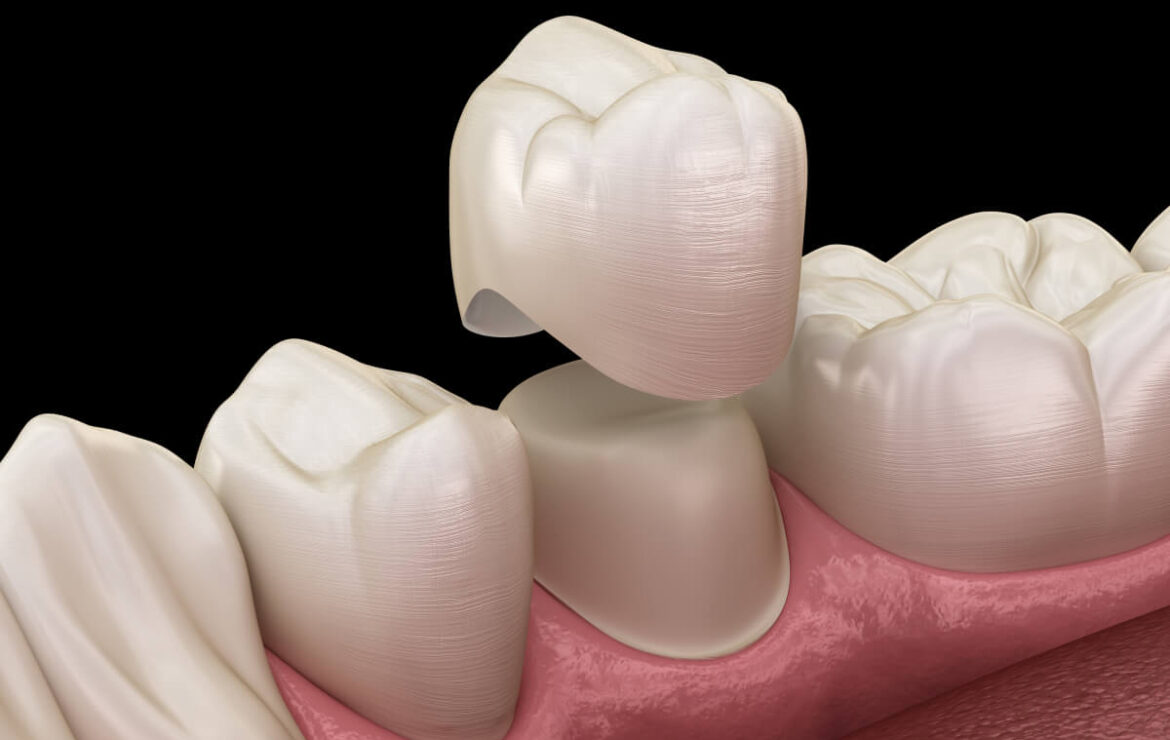
Will My Dental Crown Look Natural or Will People Notice It?

Yes — modern dental crowns can look completely natural, and most people will never notice them. Today’s ceramic and metal-free crowns mimic natural tooth color, translucency, and texture so accurately that even people sitting across a table from you won’t spot the difference. The key lies in choosing the right crown material, working with an experienced dentist, and ensuring precise shade matching tailored to your unique smile.
“I need a dental crown, but I’m terrified it will look fake, metallic, or obviously artificial. What if people notice it every time I smile or laugh?”
This is one of the most emotionally charged concerns patients bring to their dentist. Your smile is deeply personal. It affects your confidence, your first impressions, and how you feel in social and professional situations. The fear that a dental crown will permanently alter your smile’s natural appearance is completely understandable — and it’s a concern worth addressing thoroughly before you proceed with treatment.
The good news is that dental crown aesthetics have undergone a dramatic transformation over the past decade. The days of obviously metallic, grey-shadowed crowns are largely behind us. Modern ceramic crown technology, advanced shade-matching techniques, and skilled dental craftsmanship now produce restorations so lifelike that distinguishing them from natural teeth is genuinely difficult — even for other dentists.
However, not all crowns are created equal. The naturalness of your crown’s appearance depends significantly on material choice, fabrication quality, dentist skill, and the accuracy of shade matching. Understanding these factors empowers you to make informed decisions that result in a crown you’ll smile confidently with for years.
This guide walks you through everything that determines crown aesthetics — from materials to the fabrication process, what questions to ask your dentist, and how to ensure your crown becomes an invisible part of your smile rather than an obvious repair.
Why Crown Aesthetics Matter More Than You Think
The Psychological Impact of an Unnatural Crown
Your smile influences every social interaction you have. Research consistently shows that smiles affect perceived attractiveness, trustworthiness, and professional competence. When you’re self-conscious about an obvious dental restoration, the ripple effects extend far beyond your mouth.
Patients with visually obvious crowns often report:
- Covering their mouths when laughing
- Avoiding social photographs
- Reduced confidence in professional settings
- Persistent self-consciousness during conversations
- Reluctance to smile fully in public
These aren’t trivial concerns. They represent real quality-of-life impacts that good crown aesthetics can prevent entirely.
The Standard Has Changed
What was considered “acceptable” in crown aesthetics twenty years ago would be considered inadequate today. Patients rightly expect crowns that genuinely look like teeth — not obvious repairs.
Modern patients deserve — and can receive — crowns that:
- Match surrounding teeth in color, shade, and undertone
- Replicate the translucency of natural enamel
- Reproduce natural surface texture and light reflection
- Fit precisely at the gumline without dark margins
- Maintain a natural appearance even as gums age
The technology exists. The question is knowing how to access it and what to look for.
🔑 Key Takeaway: Crown aesthetics directly affect your confidence and quality of life. Modern technology makes truly natural-looking crowns achievable — but material choice and dentist skill determine the outcome.
Understanding Crown Materials: The Foundation of Natural Appearance
The single most important factor determining whether your crown looks natural is the material it’s made from. Different materials interact with light differently, and that interaction is what makes teeth look like teeth rather than artificial objects.
All-Ceramic Crowns: The Gold Standard for Aesthetics
All-ceramic crowns are made entirely from tooth-colored ceramic material with no metal component. These represent the pinnacle of crown aesthetics for several reasons.
Light behavior: Natural teeth aren’t simply white or cream-colored objects. They’re translucent — light passes partially through enamel, bounces off the underlying dentin, and reflects back. This creates the characteristic depth and vitality of natural teeth.
All-ceramic crowns replicate this translucency. Light passes through the ceramic material similarly to how it passes through natural enamel, creating the same depth and lifelike quality. This is why ceramic crowns look like teeth rather than painted objects.
Color complexity: Natural teeth aren’t a single uniform color. They contain subtle variations — slightly more yellow near the gumline, more translucent at the edges, often with minute internal characterizations. Skilled ceramists build this complexity into all-ceramic crowns, making them indistinguishable from natural teeth.
💡 Quick Tip: All-ceramic crowns are the ideal choice for front teeth where aesthetics are the highest priority. For back teeth bearing heavy chewing forces, discuss with your dentist whether all-ceramic or zirconia better suits your specific situation.
Zirconia Crowns: Strength Meets Aesthetics
Zirconia crowns have revolutionized restorative dentistry by combining the strength needed for back teeth with aesthetics approaching all-ceramic quality.
Early zirconia was opaque and white — strong but obviously artificial. Modern high-translucency zirconia has transformed entirely. Today’s zirconia crowns offer:
- Near-natural translucency that allows light to pass through similarly to enamel
- Exceptional strength — zirconia is one of the strongest dental materials available
- Biocompatibility — no metal means no allergic reactions, no tissue irritation
- Durability — resistant to chipping, cracking, and wear
- Natural color options — fabricated in complete shade ranges matching any tooth color
For back teeth, high-translucency zirconia often represents the ideal balance of aesthetics and function. For front teeth, your dentist may recommend all-ceramic for maximum aesthetic refinement, though modern zirconia performs impressively even in visible positions.
Premium zirconia crowns — sometimes called monolithic zirconia or multi-layered zirconia — represent some of the most aesthetically sophisticated restorations available. At Nova Dental Hospital in Gandhinagar, we use premium zirconia systems selected specifically for their natural-appearing optical properties.
Porcelain-Fused-to-Metal (PFM) Crowns: Understanding the Limitations
Porcelain-fused-to-metal (PFM) crowns were the standard aesthetic crown for decades. They feature a metal substructure for strength, covered with tooth-colored porcelain for appearance.
While PFM crowns have served patients well historically, they have aesthetic limitations worth understanding:
The grey margin problem: Over time — and sometimes immediately — the metal substructure shows at the gumline as a thin grey or dark line. This becomes more visible as gums naturally recede with age. In the front of the mouth, this grey margin significantly compromises the natural appearance.
Opacity: The metal layer beneath porcelain creates opacity that blocks the natural light transmission giving teeth their vitality. PFM crowns often look slightly “flat” or artificial compared to all-ceramic alternatives.
💡 Quick Tip: If you already have older PFM crowns showing a grey margin at the gumline, replacement with all-ceramic or zirconia crowns can dramatically improve your smile’s natural appearance.
Full Metal Crowns: When Function Outweighs Aesthetics
Full metal crowns (gold or metal alloys) are occasionally recommended for specific clinical situations — particularly back molars where chewing forces are highest and the crown is completely invisible when the mouth is closed.
Where metal crowns still have value:
- Wisdom teeth or second molars where no aesthetic concern exists
- Situations with very limited space between upper and lower teeth
- Patients with severe bruxism (teeth grinding) where ceramic may fracture
Where metal crowns are inappropriate:
- Any tooth visible when smiling, speaking, or eating
- Front teeth or premolars
- Patients with metal sensitivities
For the vast majority of patients seeking crowns on visible teeth, metal-free dental crowns represent both the aesthetic and functional ideal.
Crown Materials Comparison: At a Glance
| Crown Type | Natural Appearance | Strength | Best For | Gumline Aesthetics | Lifespan |
|---|---|---|---|---|---|
| All-Ceramic | ⭐⭐⭐⭐⭐ Excellent | ⭐⭐⭐ Good | Front teeth, visible teeth | Perfect — no dark margin | 10-15+ years |
| Zirconia (High-Translucency) | ⭐⭐⭐⭐ Very Good | ⭐⭐⭐⭐⭐ Exceptional | All teeth, especially back | Excellent | 15-20+ years |
| Porcelain-Fused-to-Metal (PFM) | ⭐⭐⭐ Moderate | ⭐⭐⭐⭐ Very Good | Back teeth (less aesthetic priority) | Grey margin over time | 10-15 years |
| Full Metal (Gold) | ⭐ None | ⭐⭐⭐⭐⭐ Exceptional | Hidden back teeth only | N/A | 20-30+ years |
🔑 Key Takeaway: All-ceramic and high-translucency zirconia crowns are the clear choice when natural appearance matters. The material decision you make upfront determines your aesthetic outcome for the next 15-20 years.
The Science of Color Matching: How Crowns Are Made to Match Your Teeth
Even the best crown material looks artificial if the color matching is done poorly. Precise shade matching is a science — and an art — that dramatically influences how natural your crown appears.
Understanding Tooth Color
Natural teeth aren’t described by a single color. They’re characterized by three dimensions:
Hue: The basic color family (yellow, grey, reddish, orange undertones). Most teeth fall within a yellow-brown spectrum, but the exact hue varies significantly between individuals.
Value: The brightness or darkness of the tooth. High-value teeth appear brighter; lower-value teeth appear darker.
Chroma: The color intensity or saturation. Some teeth are deeply saturated while others appear more washed out or transparent.
Precise matching requires capturing all three dimensions accurately for the crown to blend invisibly with surrounding teeth.
The Shade-Matching Process
Step 1: Natural lighting evaluation
Shade matching should always occur in natural light or standardized lighting, never under the artificial yellow lighting common in dental operatories. Teeth look dramatically different under different light conditions, and a shade selected under yellow light may look noticeably off in natural daylight.
Step 2: Shade guide selection
Your dentist uses a standardized shade guide — typically the Vita Classic or Vita 3D-Master system — to identify the closest matching shade. The guide contains dozens of tooth-colored tabs arranged systematically by hue, value, and chroma.
Step 3: Digital shade analysis
Advanced dental practices use spectrophotometers — electronic shade-matching devices that analyze tooth color with far greater precision than the human eye alone. These devices measure light reflectance at multiple points across the tooth surface, capturing subtle color variations invisible to manual evaluation.
Step 4: Characterization notes
Beyond overall shade, your dentist may note specific characteristics of your surrounding teeth — slight translucency at edges, whitish areas near cusps, subtle internal colors — that the dental laboratory replicates in your crown.
Step 5: Laboratory fabrication
A skilled ceramist at the dental laboratory builds your crown in multiple layers, each contributing to the final optical properties. This layering creates the depth and complexity of natural teeth rather than a flat, monochromatic appearance.
💡 Quick Tip: Schedule your shade-matching appointment in the morning before your mouth becomes dehydrated during the day. Dehydrated teeth appear lighter than normal, potentially leading to a crown that looks slightly too dark when your mouth returns to normal hydration.
What Makes a Crown Look Natural: Beyond Just Color
Color matching is crucial, but a crown’s natural appearance depends on several factors working together. Understanding each helps you appreciate what distinguishes excellent aesthetic outcomes from merely adequate ones.
Shape and Contour
Tooth shape is as distinctive as fingerprints. No two people have identical tooth shapes, and even adjacent teeth in the same mouth differ subtly in width, height, and surface curvature.
A natural-looking crown must:
- Match the width and height of your natural tooth (or an ideal proportion if replacing a damaged tooth)
- Replicate subtle surface contours — the gentle ridges, depressions, and facets of a natural tooth
- Follow natural proportion principles — teeth follow mathematical ratios that the brain perceives as either harmonious or slightly “off”
Poor shape replication often reveals crowns before color does. A crown with the right color but subtly wrong proportions still looks artificial.
Surface Texture
Run your tongue across your teeth and you’ll notice they’re not perfectly smooth. Natural teeth have:
- Vertical developmental ridges running along the facial surface
- Slight surface roughness that catches and reflects light in a natural, scattered way
- Subtle pitting and irregular texture accumulated through years of normal wear
Highly polished, perfectly smooth crowns reflect light uniformly, creating a plastic-like appearance. Skilled ceramists texture the crown surface to replicate natural surface irregularities, ensuring light reflects in the same scattered, natural way as surrounding teeth.
Gumline Fit and Margins
The junction between crown and gum is critically important to natural appearance — and one of the most technically demanding aspects of crown fabrication.
Ideal gumline aesthetics require:
- Subgingival margins — the crown edge extends slightly beneath the gum line, making the transition between crown and tooth completely invisible
- Contoured emergency profile — the crown shape as it approaches the gumline follows natural tooth contours, allowing gum tissue to drape naturally around it
- No visible margin lines — with proper fabrication and placement, no seam or line should be visible between crown and tooth
With metal-free ceramic or zirconia crowns, there’s no dark metal to show through the gum tissue even as gums recede naturally with age. The crown maintains its natural appearance throughout its lifespan.
For existing PFM crowns showing a grey margin, replacement with ceramic or zirconia at Nova Dental Hospital’s crown and bridge treatment restores the natural appearance and prevents continued aesthetic deterioration.
Occlusal Relationships (How Your Bite Fits)
A crown that’s even slightly too high causes your upper and lower teeth to contact abnormally. This affects:
- Chewing comfort and efficiency
- How the crown wears over time
- The appearance of your bite when your teeth come together
- Long-term jaw joint health
Perfect occlusal adjustment ensures the crown fits harmoniously into your bite — invisible functionally as well as aesthetically.
🔑 Key Takeaway: Natural crown appearance results from four elements working together — material translucency, precise color matching, anatomically accurate shape, and proper gumline integration. Compromising any one factor compromises the overall aesthetic result.
What to Expect: The Crown Placement Process Step by Step
Understanding exactly what happens during crown treatment helps you feel prepared and ensures you know what to discuss with your dentist at each stage.
| Step | What Happens | Aesthetic Consideration |
|---|---|---|
| 1. Consultation & Planning | Discuss aesthetic goals, review photos, select materials | Establish expectations; review shade preferences |
| 2. Tooth Preparation | Dentist shapes tooth to receive crown | Appropriate reduction preserves natural tooth volume for accurate proportions |
| 3. Shade Matching | Color selection in natural lighting, possible digital analysis | Critical step determining color accuracy |
| 4. Impressions/Digital Scan | Precise record of prepared tooth and surrounding teeth | Accuracy determines how well crown fits and matches adjacent teeth |
| 5. Temporary Crown | Tooth-colored temporary protects prepared tooth | Preview of approximate shape and shade; request adjustments if needed |
| 6. Laboratory Fabrication | Skilled ceramist builds crown in multiple layers | Quality of lab and ceramist directly impacts aesthetic outcome |
| 7. Crown Try-In | Crown placed temporarily to evaluate fit and appearance | Final opportunity to assess and request adjustments before permanent cementation |
| 8. Permanent Cementation | Crown bonded to tooth with dental cement | Cement selection affects shade; tooth-colored cement prevents darkening |
Total appointments: 2-3 visits over 2-3 weeks Recovery: Minimal; some sensitivity for a few days
The Temporary Crown: Your Preview
“I don’t like how my temporary crown looks. Does that mean the permanent one will look the same?”
Not necessarily. Temporary crowns are made from quick-setting materials not designed for precise aesthetics — their purpose is protecting your prepared tooth during fabrication, not providing an accurate preview of final aesthetics.
However, temporaries are useful for evaluating shape. If the temporary crown’s shape seems wrong — too wide, too short, unnaturally contoured — communicate this to your dentist before the permanent crown is fabricated. Adjustments to the lab prescription can address shape concerns before the permanent crown is made.
Color, on the other hand, will be significantly different in your permanent ceramic or zirconia crown compared to the temporary.
Crown Aesthetics for Different Teeth: Front vs. Back
The aesthetic requirements and optimal material choices differ depending on where in your mouth the crown is placed.
Front Teeth (Incisors and Canines): Maximum Aesthetic Priority
Front teeth are the stars of your smile. They’re visible in virtually every social interaction, photograph, and professional setting. Zero tolerance for artificial appearance is appropriate here.
Optimal choice: All-ceramic crowns (E.max, lithium disilicate) or high-translucency zirconia
Why these materials excel here:
- Maximum translucency replicates the see-through quality of natural front tooth enamel
- Exceptional shade precision matches subtle color variations
- No metal means no dark margins as gums change over time
- Material behavior under light nearly identical to natural enamel
Key considerations:
- Front teeth experience lateral (side-to-side) forces when biting and speaking — your dentist ensures the crown is designed to handle these appropriately
- Edge translucency at the incisal edge (bottom of front teeth) is crucial for natural appearance — this area must be more transparent than the body of the crown
- Symmetry with the opposing tooth matters significantly
Premolars (Bicuspids): Balancing Visibility and Function
Premolars are partially visible during smiling and speaking, especially the first premolars. Aesthetics remain important, though slightly less critical than front teeth.
Optimal choice: All-ceramic or high-translucency zirconia
These teeth experience moderate chewing forces, and modern ceramic materials handle these loads comfortably while maintaining excellent aesthetics.
Molars: Function Prioritized, Aesthetics Still Considered
Back molars bear the greatest chewing forces — sometimes exceeding 200 pounds of pressure. They’re largely invisible during normal social interaction but visible when you open your mouth widely.
Optimal choice: High-strength zirconia (monolithic)
Why zirconia excels here:
- Exceptional fracture resistance handling high chewing forces
- Still tooth-colored and natural-looking — no metallic appearance
- Long-lasting without the chipping risk of porcelain under heavy loads
Even back teeth deserve aesthetic consideration. The days of defaulting to metal for back teeth are gone — modern zirconia provides both the strength and aesthetics appropriate for molars.
For patients undergoing full mouth rehabilitation in Gandhinagar involving multiple crowns throughout the mouth, coordinating materials and shading across all restorations ensures a cohesive, completely natural appearance regardless of where in the mouth each crown is placed.
Special Aesthetic Situations: When Crown Aesthetics Get Complex
Some clinical situations present additional aesthetic challenges requiring thoughtful management for optimal outcomes.
Single Tooth Replacement Next to Natural Teeth
The most aesthetically demanding situation is placing a single crown next to one or two highly visible natural teeth. The crown must blend perfectly with neighbors that have their own unique optical characteristics.
This requires:
- Exceptional shade matching capturing the exact hue, value, and chroma of adjacent teeth
- Custom characterization — replicating any unique features like subtle internal color variations or translucency patterns
- Precise shape matching — the crown must follow the same proportions and surface texture as surrounding natural teeth
- Ideally, photography shared with the dental laboratory allows ceramists to study adjacent teeth beyond what shade guides alone capture
Replacing a Crown Adjacent to Veneers or Other Restorations
When crowns neighbor dental veneers or other restorations, matching the optical properties of ceramic-to-ceramic (rather than ceramic-to-natural-tooth) requires even more precise coordination between your dentist and dental laboratory.
Gum Recession and Exposed Roots
When gum recession exposes root surfaces beneath existing crowns, visible root discoloration can undermine an otherwise natural-looking restoration. Options include:
- Gum grafting to restore tissue coverage before or alongside crown replacement
- Crown lengthening to manage the gum-crown relationship optimally
- Careful shade selection for replacement crowns that maintains natural appearance even with some recession
For comprehensive management of aesthetic challenges involving gums and crowns, professional gum treatment alongside restorative work optimizes both health and appearance simultaneously.
Dark or Discolored Underlying Tooth
Sometimes the tooth receiving a crown is significantly discolored — from endodontic treatment, trauma, or old restorations. Dark underlying tooth structure can “bleed through” even ceramic crowns, creating a greyish or dull appearance.
Solutions include:
- Opaque ceramic layers in crown design to block underlying discoloration
- Bleaching of internal tooth structure before crown placement
- Material selection with greater opacity in severe discoloration cases
Discussing the underlying tooth color with your dentist before crown fabrication allows appropriate design considerations.
💡 Quick Tip: Bring photographs of how your teeth looked before the problem requiring crowning — whether from old photos or images of similar teeth. These references help your dentist and dental laboratory ceramist understand your aesthetic goals.
🔑 Key Takeaway: Complex aesthetic situations require proactive discussion and planning. Don’t assume your dentist can read your mind about expectations — communicating your specific concerns about how the crown will look is both appropriate and essential.
How to Ensure Your Crown Looks Natural: Patient’s Action Guide
Getting a natural-looking crown isn’t passive. Your active involvement in the process significantly influences the aesthetic outcome.
Before Treatment: Setting the Foundation
Express your aesthetic concerns clearly:
Tell your dentist specifically:
- “I’m very concerned about the crown looking artificial”
- “I want to understand exactly what the crown will look like before it’s permanent”
- “Can we discuss the shade-matching process?”
- “What material do you recommend for this specific tooth and why?”
Ask to see examples:
Request to see photos of previous crown cases — ideally cases involving similar teeth in similar positions. Before-and-after images provide realistic expectations.
Understand the material recommendation:
Your dentist should explain why they’re recommending a specific material for your situation. If they default to PFM without discussing ceramic or zirconia alternatives, ask specifically about metal-free options.
During the Process: Active Participation
Participate actively in shade matching:
- Request shade matching in natural light, not under operatory lighting
- Look at the shade guide yourself — does the selected shade look right to you?
- Bring a trusted friend whose opinion you value for a second set of eyes
- Ask to be shown the selected shade held against your tooth before you leave
Review your temporary crown:
- Evaluate the shape carefully — does it look too wide, too narrow, too short, or too long?
- Communicate any shape concerns immediately — these can be addressed in the permanent crown prescription
- Note whether the temporary feels comfortable in your bite
Insist on a try-in appointment:
A proper crown try-in (where the crown is seated temporarily before final cementation) allows you to:
- Evaluate appearance in a mirror and in natural light
- Request adjustments before the crown is permanently cemented
- Have a family member or friend view the crown
- Take a photograph to review away from the dental chair
Never feel rushed to approve permanent cementation if you have aesthetic concerns during the try-in. A quality dentist welcomes your careful evaluation.
What to Communicate If Something Looks Off
If the crown looks wrong during try-in, describe the issue specifically:
- “The color looks slightly too dark/light/grey/yellow compared to my other teeth”
- “The crown looks too wide compared to my natural teeth”
- “The surface looks too smooth and shiny — not like my other teeth”
- “The gumline doesn’t look right”
Specific feedback allows your dentist to communicate precise adjustments to the dental laboratory. Vague feedback (“I don’t know, it just looks wrong”) is harder to address than specific descriptions.
💡 Quick Tip: Photograph your other teeth — especially the tooth the crown will match — and bring these photos to your appointment. Your dentist can share them with the dental laboratory ceramist, significantly improving shade and characterization accuracy.
The Role of the Dental Laboratory in Crown Aesthetics
Your crown’s aesthetic quality is only as good as the dental laboratory fabricating it. This aspect of crown treatment is largely invisible to patients but enormously consequential for outcomes.
What Dental Laboratories Do
After your dentist takes impressions or digital scans and selects your shade, these records go to a dental laboratory where a skilled ceramist:
- Analyzes shade information and any photographs provided
- Builds the crown in layers — each contributing specific optical properties
- Characterizes the crown — adding subtle details that make it uniquely match your specific teeth
- Applies surface texture that creates natural light-scattering behavior
- Glazes the crown to the appropriate level of polish (not too shiny)
The difference between an average ceramist and a highly skilled one can be dramatic. Skilled ceramists produce crowns that fool even trained eyes. Less skilled fabrication produces technically adequate but visually obvious restorations.
Questions to Ask About Your Dental Lab
Patients can — and should — ask about the dental laboratory:
- “Which laboratory fabricates your crowns?”
- “Is the lab local or offshore?”
- “Do you work with a dedicated ceramist for aesthetic cases?”
Offshore laboratories can produce excellent work, but the most aesthetically complex cases often benefit from laboratories where direct communication with the ceramist is straightforward and where experienced artisans handle the work.
At Nova Dental Hospital in Gandhinagar, crown fabrication follows rigorous quality standards ensuring every crown meets aesthetic expectations before it’s permanently cemented.
Crown Aesthetics and Dental Implants: Special Considerations
When a crown sits atop a dental implant rather than a natural tooth, additional aesthetic factors influence the outcome.
The Implant Crown Difference
Implant crowns don’t have the same root structure as natural teeth. This means the gumline appearance — and how tissue frames the crown — requires specific design considerations.
Emergence profile: The contour of the crown as it exits the gum tissue must be precisely designed to allow gum tissue to drape naturally around it. Poor emergence profile creates an artificial-looking triangular space or an unnaturally shaped gumline.
Papillae (gum triangles): The small triangles of gum tissue between teeth are some of the most visible aesthetic elements of your smile. Preserving or recreating these through careful implant crown design significantly influences how natural the result appears.
Shade considerations: Implant crowns for front teeth often require even more precise shade matching than crown-over-tooth situations because there’s no natural root contributing any color from beneath.
Timing for Optimal Aesthetics
For implant crowns in highly visible positions, a staged approach often produces the best aesthetic outcomes:
A temporary implant crown placed during healing allows gum tissue to develop natural contours around the restoration. The final crown is then fabricated to match these gum contours precisely, creating the most natural possible emergence profile.
This approach takes slightly more time but produces aesthetic results that immediate permanent crowns sometimes cannot match.
What Happens When Crowns Don’t Look Natural: Understanding and Fixing Problems
Despite best efforts, crowns occasionally don’t achieve the natural appearance that patients and dentists hoped for. Understanding what causes aesthetic shortcomings — and what can be done — helps you advocate effectively for your desired outcome.
Common Aesthetic Crown Problems
Color mismatch: The crown is noticeably lighter, darker, yellower, or greyer than surrounding teeth.
Causes: Shade selection error, inadequate shade matching technique, laboratory communication breakdown, cement color affecting final shade.
Solutions: For mild mismatches, surface glazing or staining can sometimes adjust color. For significant mismatches, crown replacement with improved shade matching is the definitive solution.
Grey gumline margin: A dark or grey line appears at the gumline between the crown and the gum tissue.
Causes: Metal substructure of PFM crown showing through thin gum tissue or showing after gum recession.
Solutions: Replace PFM crown with all-ceramic or zirconia crown. For all-ceramic crowns, a grey margin may indicate cement darkness — reconsidering the cementation approach on replacement.
Unnatural opacity: The crown looks flat or plasticine — lacking the depth and vitality of natural teeth.
Causes: Inadequate layering technique, incorrect material selection, or insufficient characterization during fabrication.
Solutions: Crown replacement using a superior laboratory and ceramist with specific instructions about improving translucency and characterization.
Wrong shape or size: The crown is obviously wider, narrower, or differently shaped than surrounding teeth.
Causes: Inaccurate impression, design error, insufficient communication about expected shape.
Solutions: Crown replacement with careful review of desired dimensions and shape before fabrication.
💡 Quick Tip: If you’re unhappy with how a crown looks, express this concern to your dentist as soon as possible. Some issues (like early-stage color concerns) may have solutions short of complete replacement. Others warrant remake. You’re entitled to a crown that meets reasonable aesthetic expectations.
🔑 Key Takeaway: Aesthetic problems with crowns are correctable. If your crown doesn’t look natural, it’s appropriate to discuss options with your dentist — including replacement with a properly fabricated restoration.
Caring for Your Crown to Preserve Its Natural Appearance
Once you have a beautiful, natural-looking crown, proper care preserves both its appearance and longevity.
Daily Hygiene for Crown Longevity
Brush twice daily with a soft-bristled brush. Crown surfaces are as susceptible to plaque accumulation as natural teeth, and gum disease around crowned teeth remains possible.
Floss daily around the crown. Debris and bacteria accumulating between the crown and adjacent teeth eventually cause decay in the remaining natural tooth structure or gum inflammation.
Avoid abrasive toothpaste that scratches the crown surface. A glossy, smooth crown reflects light naturally — scratches create a dull, artificial-looking surface.
Use fluoride toothpaste to protect the natural tooth structure at the crown’s margin even though the crown itself isn’t susceptible to decay.
Protecting Crown Integrity
Avoid biting very hard foods — ice cubes, hard candies, unpopped popcorn kernels — that can fracture even strong ceramic crowns.
Wear a night guard if you grind or clench your teeth. Bruxism subjects crowns to forces they’re not designed for, potentially causing fracture or wear that compromises both function and appearance.
Don’t use crowned teeth as tools — opening packages, tearing tape, or biting fingernails creates forces that risk fracture.
Professional Maintenance
Regular check-ups allow your dentist to monitor the crown — checking for proper seating, margin integrity, color stability, and signs of problems developing before they become serious.
Professional cleanings remove staining and buildup that dulls the crown’s surface over time, restoring its original natural luster.
Avoid staining foods and beverages excessively — coffee, tea, red wine, and berries can stain ceramic crowns over time, though less than natural teeth. When consuming these, rinsing with water afterward reduces staining.
For ongoing professional dental care in Gandhinagar that maintains your crown’s natural appearance and long-term health, regular professional maintenance combined with proper home care protects your investment for many years.
Why Choose Nova Dental Hospital for Your Dental Crown in Gandhinagar?
Choosing where to have your crown done matters enormously for the aesthetic outcome you’ll live with for the next 15-20 years.
At Nova Dental Hospital, Gandhinagar, we approach crown aesthetics with the thoroughness your smile deserves:
Material excellence: We use premium ceramic and zirconia systems selected specifically for their natural optical properties — no compromise on material quality for visible restorations.
Advanced shade matching: Our shade-matching protocol goes beyond basic guide selection, incorporating digital analysis and photographic documentation for the most accurate color matching possible.
Patient-centered try-in: We never permanently cement a crown you haven’t approved. The try-in appointment is our standard practice, giving you the opportunity to evaluate — and request adjustments to — the crown before final placement.
Experienced expertise: Under the guidance of Dr. Happy Patel, our team brings extensive experience in aesthetic restorative dentistry, ensuring crowns that satisfy both functional and cosmetic requirements.
Nitrous oxide comfort: For patients anxious about crown procedures, our nitrous oxide sedation facility makes even complex restorative work comfortable and stress-free.
Comprehensive restorative range: Beyond single crowns, we offer complete dental crown and bridge treatment, implant-supported crowns, full mouth rehabilitation, and cosmetic dentistry for patients with complex restoration needs.
Conveniently located near PDPU and Gift City, we serve patients throughout Gandhinagar with a commitment to world-class dental care in a comfortable, modern environment.
To see what patients say about their crown experiences, visit our Google Business profile.
Frequently Asked Questions
Can other people really tell if I have a dental crown?
With modern ceramic or zirconia crowns and skilled fabrication, the honest answer is: almost never. Advances in dental materials, shade-matching technology, and ceramist skill have reached the point where natural teeth and high-quality ceramic crowns behave almost identically when interacting with light. Most people have absolutely no idea when they’re looking at a well-made crown versus a natural tooth — even in close conversation. The situations where crowns become detectible are usually specific: very poor shade matching, an older PFM crown showing a grey gumline margin, or a crown with incorrect shape or surface texture. When all elements of crown fabrication are done well — material, shade, shape, texture, and gumline fit — the result is genuinely indistinguishable. Your dentist’s skill, material choices, and laboratory quality determine whether your crown falls into the “completely undetectable” category.
How long will my natural-looking crown maintain its appearance?
High-quality ceramic and zirconia crowns maintain their appearance exceptionally well over time. Unlike natural teeth, ceramic and zirconia don’t yellow or darken significantly with age or from food and beverage staining. The color stability of quality ceramic restorations is actually superior to natural teeth in many respects. What can change over time is the relationship between the crown and surrounding gum tissue — natural gum recession with aging can eventually expose the crown margin. With all-ceramic or zirconia crowns, this isn’t as aesthetically problematic as with PFM crowns, since there’s no dark metal margin to become visible. With proper care — regular professional cleanings, avoiding hard biting forces, wearing a night guard if you grind — ceramic crowns typically last 15-20 years while maintaining their aesthetic properties. The crown itself doesn’t “age” aesthetically the way natural teeth do.
My old crown has a dark line at the gumline. Can I get it replaced with a natural-looking one?
Yes, absolutely — and replacing aesthetically failing PFM crowns with modern all-ceramic or zirconia alternatives is one of the most impactful aesthetic improvements available in restorative dentistry. The dark or grey line you see at the gumline is the metal substructure of your old crown showing through thin gum tissue, or showing after gum recession has exposed the metal margin. Replacing this with a metal-free ceramic or zirconia crown eliminates the dark margin completely. The new crown can be shade-matched to your current teeth, and the improved gumline aesthetics are typically immediately apparent. Many patients who replace older PFM crowns with ceramic alternatives are amazed by how much more natural their smile appears. The procedure is similar to getting the original crown — tooth preparation, impressions, temporary, and final cementation. If you have multiple PFM crowns that have developed dark margins, replacing several at once ensures consistent shade matching and a coordinated aesthetic result.
Will the crown on my front tooth look exactly like my natural teeth?
For front teeth specifically, achieving a truly natural appearance is absolutely the goal — and modern all-ceramic crowns can get remarkably close. The degree of exactness depends on several factors: how closely the ceramic material’s optical properties match your specific natural tooth enamel, how precisely the shade was matched, how accurately the ceramist replicated your natural tooth’s shape and texture, and how skillfully the gumline integration was managed. For most patients, a well-made all-ceramic front crown is genuinely indistinguishable from the surrounding natural teeth. Where perfect exactness sometimes proves elusive is in very distinctive natural teeth — heavily characterized, strongly translucent, or with unusual color distributions that are difficult to replicate precisely. In these cases, your dentist may discuss whether refining the adjacent natural tooth’s appearance or adjusting expectations slightly is appropriate. The goal is always achieving the most natural possible result within realistic parameters.
Is it worth paying more for a better-quality crown material and laboratory?
For any crown in a visible position — especially front teeth — investing in premium all-ceramic or zirconia materials and a skilled dental laboratory is absolutely worthwhile. Consider that you’ll live with this crown’s appearance for 15-20 years. The price difference between a basic crown and a premium aesthetic restoration, amortized over 15 years, amounts to very little annually. The difference in appearance, however, can be significant. Premium materials and superior fabrication produce crowns that genuinely blend invisibly with your natural teeth. Lower-quality alternatives might be adequate functionally but may not meet your aesthetic expectations. For back teeth where aesthetics are less critical, cost considerations carry more weight in material selection discussions. But for any tooth visible during normal social interaction — front teeth, premolars, and even first molars visible when you laugh — the investment in quality is justified. Discuss specific material options and their cost differences with your dentist, understanding that the material represents only part of the total crown cost.

Related posts

Write a Comment
Recent Posts

Will My Dental Crown Look Natural or Will People Notice It?

How Long Does It Take for a Dental Implant to Heal Completely?

Can I Get My Teeth Cleaned If I Have Sensitive Teeth?

