


Wisdom Tooth Surgery in Gandhinagar: Complete Guide 2026 – Nova Dental Hospital – Best Dental Surgeon in Gandhinagar

Wisdom Tooth Surgery in Gandhinagar: Complete Guide 2026 – Nova Dental Hospital – Best Dental Surgeon in Gandhinagar

Are you experiencing persistent pain, swelling, or discomfort from wisdom teeth that’s disrupting your daily life? Impacted or partially erupted wisdom teeth can lead to serious complications including infection, dental crowding, damage to adjacent teeth, jaw problems, and chronic discomfort that affects your ability to eat, speak, and concentrate. These third molars, which typically attempt to emerge between ages 17 and 25, often lack sufficient space in modern jaws to erupt properly, causing various problems that ultimately require professional intervention. Wisdom tooth surgery in Gandhinagar is the definitive solution for relieving pain and preventing future complications.
At Nova Dental Hospital, Gandhinagar, we provide completely painless wisdom tooth extraction, expert impacted tooth removal, and advanced oral surgery using the latest diagnostic technology, proven surgical techniques, and a dedicated sterile surgical setup. Our experienced dental surgeons serving patients throughout Gandhinagar—including areas near PDPU and Gift City—combine technical expertise with compassionate care to ensure safe, comfortable wisdom tooth surgery with quick recovery and optimal outcomes.
Understanding Wisdom Teeth and Why They Cause Problems
Wisdom teeth, scientifically called third molars, are the last teeth to develop and emerge in your mouth. These teeth typically begin attempting to erupt between ages 17 and 25, earning the name “wisdom teeth” because they appear during the transition to adulthood when people presumably gain wisdom. Most people develop four wisdom teeth—one in each corner of the mouth—though some people have fewer and a small percentage have none at all or additional wisdom teeth.
Why Modern Humans Have Problems With Wisdom Teeth
Our ancestors had larger jaws that easily accommodated all 32 teeth, including wisdom teeth that served important functions for their diet of tough, fibrous foods requiring significant chewing. Over millennia of human evolution, jaw sizes have gradually decreased while tooth sizes have remained relatively constant. Modern diets of softer, processed foods don’t require the same chewing capacity, and our smaller jaws often lack sufficient space for wisdom teeth to erupt normally.
This size mismatch between teeth and available jaw space is why wisdom teeth frequently become impacted, meaning they’re unable to fully emerge through the gum tissue and into proper alignment. Impacted wisdom teeth can remain completely trapped beneath the gumline, partially break through creating a flap of tissue over part of the tooth, or erupt at odd angles pushing against adjacent molars. Each of these scenarios creates problems requiring wisdom tooth surgery in Gandhinagar for resolution.
Types of Wisdom Tooth Impaction
Understanding the different types of impaction helps explain why wisdom tooth surgery approaches vary. Soft tissue impaction occurs when the tooth has partially erupted but gum tissue covers part of the crown, creating a pocket where food and bacteria accumulate. This type causes frequent infections and inflammation but is generally easier to remove surgically than other impaction types.
Partial bony impaction means some of the tooth remains trapped within the jawbone while part has emerged. These teeth often push against adjacent molars at angles, potentially damaging neighboring teeth. Complete bony impaction describes wisdom teeth entirely enclosed within the jawbone, unable to erupt at all. These fully impacted teeth sometimes remain symptom-free for years but can suddenly cause problems requiring surgical extraction.
Horizontal, vertical, mesial, and distal are terms describing the angle of impacted wisdom teeth. Horizontal impaction, where the tooth lies sideways in the jaw, typically causes the most problems and requires complex surgical extraction. Vertical impaction, where the tooth is oriented normally but lacks space to emerge, is generally simpler to remove. Mesial impaction angles the tooth forward toward the front of your mouth, while distal impaction angles it backward.
Recognizing When Wisdom Tooth Surgery Becomes Necessary
Not all wisdom teeth require extraction. Some erupt normally into proper alignment with adequate space and cause no problems throughout life. However, multiple situations indicate wisdom tooth surgery in Gandhinagar is necessary to protect your oral health and prevent complications.
Common Indications Requiring Wisdom Tooth Removal
Impacted wisdom teeth causing pain or swelling represent the most common reason for extraction. When a wisdom tooth attempts to erupt without sufficient space, the pressure causes significant discomfort. The surrounding gum tissue becomes inflamed and painful, making chewing difficult and sometimes spreading pain to your jaw, ear, or head. This pain typically worsens progressively until the tooth is removed.
Infection or gum disease around wisdom teeth, called pericoronitis, develops when bacteria accumulate beneath the flap of gum tissue partially covering an erupting wisdom tooth. This infection causes severe pain, swelling, difficulty opening your mouth, bad breath, and unpleasant taste. While antibiotics temporarily control infection, the problem typically recurs until the wisdom tooth is extracted. Repeated infections indicate clear need for wisdom tooth surgery in Gandhinagar.
Damage to adjacent teeth occurs when impacted wisdom teeth push against neighboring second molars, potentially causing root resorption (dissolving of the adjacent tooth’s root), decay in the adjacent tooth where food traps against the impacted wisdom tooth, or displacement of adjacent teeth affecting bite alignment. Preventing this damage to valuable, functional second molars justifies removing problematic wisdom teeth.
Formation of cysts or tumors, while less common, represents a serious complication of impacted wisdom teeth. Fluid-filled cysts can develop around the crown of an impacted tooth, gradually destroying surrounding bone and potentially damaging adjacent teeth. These cysts require surgical removal along with the associated wisdom tooth. Even more rarely, tumors can form around impacted wisdom teeth, necessitating removal and biopsy.
Dental crowding concerns arise when wisdom teeth attempting to erupt push on adjacent teeth, potentially causing shifting and crowding, particularly of front teeth. While research debates whether wisdom teeth significantly cause orthodontic crowding in all cases, many orthodontists recommend removing wisdom teeth to prevent potential shifting after orthodontic treatment.
Difficulty chewing, jaw stiffness, or changes in bite alignment sometimes result from erupting or impacted wisdom teeth altering jaw mechanics. If wisdom teeth affect your ability to chew comfortably or cause your bite to feel different, evaluation for possible extraction is appropriate.
Preventive wisdom tooth removal is sometimes recommended even for asymptomatic impacted teeth, particularly for younger patients. Wisdom teeth that are impacted but not currently causing problems may develop complications later. Younger patients generally experience easier surgery, faster recovery, and fewer complications compared to older patients whose bones have become denser and whose wisdom tooth roots have fully developed. Many dental surgeons recommend preventive removal in late teenage years or early twenties for this reason.
Identifying Symptoms of Wisdom Tooth Problems
Recognizing symptoms of wisdom tooth problems helps you seek timely wisdom tooth surgery in Gandhinagar before complications worsen. While some wisdom teeth cause obvious severe pain, others produce subtler symptoms that gradually intensify.
Persistent jaw pain or soreness, particularly in the back corners of your mouth, often indicates wisdom tooth problems. This pain might be constant or intermittent, dull and aching or sharp and shooting. The discomfort typically worsens with chewing and may radiate to your ear, temple, or neck. Unlike temporary pain from accidentally biting your cheek or minor gum irritation, wisdom tooth pain doesn’t resolve within a few days.
Swollen, red gums near your molars signal inflammation from erupting or infected wisdom teeth. The affected area might feel tender to touch, appear darker red than surrounding tissue, and potentially develop visible swelling. In severe cases, swelling can extend into your cheek, making your face appear puffy on the affected side.
Bad breath or unpleasant taste in your mouth that doesn’t improve with brushing often results from bacterial accumulation around partially erupted wisdom teeth. The flap of tissue covering part of the tooth creates a pocket where food particles and bacteria collect, causing persistent foul odor and taste despite good oral hygiene.
Bleeding gums specifically around wisdom teeth, especially when brushing the back corners of your mouth, indicates gum inflammation or infection. While some temporary bleeding when you first start flossing an area is normal, persistent bleeding from wisdom tooth areas suggests problems requiring evaluation.
Difficulty opening your mouth fully, called trismus, can result from wisdom tooth-related infection or inflammation affecting jaw muscles. This limitation might make eating, speaking, or dental examinations difficult. Severe trismus requires prompt treatment as it indicates significant infection or swelling.
If you experience any combination of these symptoms, scheduling evaluation for possible wisdom tooth surgery in Gandhinagar prevents complications and provides relief from discomfort.
The Wisdom Tooth Surgery Procedure: What to Expect
Understanding what happens during wisdom tooth surgery in Gandhinagar helps reduce anxiety and allows you to feel prepared. Here’s a detailed look at each step of the process at Nova Dental Hospital.
Step 1: Comprehensive Consultation and Assessment
Your journey begins with a thorough consultation where our dental surgeon examines your wisdom teeth, reviews your symptoms and medical history, and determines the best treatment approach. Clinical examination involves inspecting your wisdom teeth visually and palpating the area to assess swelling, infection, or tenderness. We check how your mouth opens, evaluate your bite, and assess overall oral health.
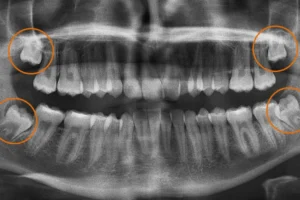
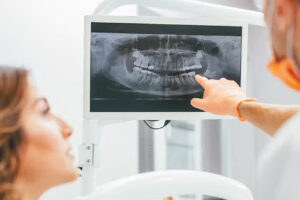
Digital X-rays and sometimes 3D imaging provide detailed views of your wisdom teeth’s positions, root structures, proximity to nerves and sinuses, and relationship to adjacent teeth. These images are crucial for surgical planning, allowing our surgeon to anticipate challenges, determine the best extraction approach, and minimize risks. We review these images with you, explaining what we see and what the surgery will involve.
This consultation is your opportunity to ask questions about the procedure, recovery expectations, costs, and any concerns you have. We provide detailed information so you feel fully informed and comfortable with your treatment plan.
Step 2: Anesthesia and Sedation for Comfortable Surgery
Pain control is paramount during wisdom tooth surgery in Gandhinagar. We offer multiple options to ensure your complete comfort throughout the procedure based on your anxiety level, the complexity of extraction, and personal preferences.
Local anesthesia delivered through injection completely numbs the surgical area, preventing any pain during extraction. You remain fully conscious but feel no discomfort in the numbed area. This is typically sufficient for simple wisdom tooth extractions and for patients comfortable with dental procedures.
Nitrous oxide sedation, commonly called laughing gas, can be added to local anesthesia for anxious patients. Breathed through a comfortable nasal mask, nitrous oxide creates relaxation and calmness while you remain conscious and responsive. The sedation wears off within minutes after removing the mask, allowing you to drive yourself home.
IV sedation provides deeper sedation for complex surgeries, extremely anxious patients, or when removing multiple wisdom teeth. You enter a sleep-like state with little to no memory of the procedure, though you remain technically conscious and can respond to instructions. IV sedation requires someone to drive you home afterward.
Our experienced team helps you choose the appropriate anesthesia and sedation combination for your specific situation, ensuring safe, comfortable wisdom tooth surgery.
Step 3: Surgical Extraction Technique
The actual extraction process varies based on whether your wisdom tooth is erupted, partially erupted, or fully impacted. For erupted wisdom teeth visible above the gumline, the extraction process resembles removal of other teeth. After numbing the area, your surgeon uses specialized instruments to gently loosen the tooth from surrounding ligaments and bone, then carefully removes it from the socket.
Partially erupted wisdom teeth require making an incision in the gum tissue to expose more of the tooth and potentially removing some surrounding bone to create access. The tooth might be sectioned into pieces and removed in parts rather than extracting it whole, making removal easier and less traumatic to surrounding tissues.
Fully impacted wisdom teeth require creating a flap in the gum tissue to expose the impacted tooth, removing bone covering the tooth crown, often sectioning the tooth into pieces for easier removal, and carefully extracting all tooth fragments while protecting nearby nerves and structures. Throughout the process, our surgeon works meticulously to minimize trauma, preserve bone, and ensure complete removal of the tooth.
Our dedicated surgical setup with enhanced sterilization protocols, specialized surgical instruments, and optimal lighting ensures maximum safety and efficiency during complex extractions.
Step 4: Post-Surgical Care and Closure
After removing the wisdom tooth, your surgeon cleans the extraction site thoroughly, removes any debris or infected tissue, and smooths sharp bone edges. If bone was removed or significant tissue manipulation occurred, dissolvable or non-dissolvable stitches may be placed to close the surgical site and promote healing.
Gauze is positioned over the extraction site with instructions to bite down firmly, creating pressure that controls bleeding and promotes clot formation. We provide detailed written post-operative instructions covering pain management, dietary restrictions, oral hygiene modifications, activity limitations, and signs of complications requiring attention.
Most patients are ready to go home within 15 to 30 minutes after surgery once bleeding is controlled and they feel stable. Someone should drive you if you received sedation beyond local anesthesia.
Understanding Wisdom Tooth Surgery Costs
The investment in wisdom tooth surgery in Gandhinagar reflects the surgical expertise, advanced technology, sterile environment, and quality care involved in safe tooth removal. At Nova Dental Hospital, we believe in complete transparency about costs so you can make informed decisions without surprises.
Cost Range and Factors Affecting Price
Wisdom tooth removal at our facility typically ranges from ₹5,000 to ₹15,000 per tooth, depending on several factors affecting surgical complexity and time required. Simple extractions of fully erupted wisdom teeth with straightforward root structure fall at the lower end of this range. These teeth are visible above the gumline, have good access, and can be removed relatively quickly with minimal tissue manipulation.
Impacted wisdom tooth removal requiring surgical access, bone removal, and tooth sectioning falls at the higher end of the cost range. The complexity of impaction, depth of the tooth within bone, root curvature, proximity to nerves, and time required all influence the final cost. Removing all four wisdom teeth simultaneously sometimes offers per-tooth cost savings compared to multiple separate procedures.
Additional factors affecting cost include the type of anesthesia and sedation selected (local only versus nitrous oxide or IV sedation), diagnostic imaging requirements (standard X-rays versus 3D CT scans for complex cases), and whether infection treatment or bone grafting is needed. Our team provides detailed cost estimates during your consultation after examining your specific situation and determining the surgical approach required.
We offer transparent pricing with no hidden charges and discuss all costs upfront so you can plan appropriately. Many patients find that investing in wisdom tooth surgery prevents more expensive complications later, making it a wise investment in long-term oral health.
Recovery and Healing After Wisdom Tooth Surgery
Understanding the recovery process and following post-operative instructions carefully ensures optimal healing and minimizes complications after wisdom tooth surgery in Gandhinagar.
Immediate Post-Operative Period: The First 24-48 Hours
The first two days after surgery represent the most critical healing period when proper care dramatically influences your recovery experience. Take prescribed pain medications on schedule rather than waiting for pain to become severe. Pain is typically most intense on the day of surgery and gradually improves. Anti-inflammatory medications like ibuprofen work particularly well for surgical pain while reducing swelling.
Take antibiotics exactly as prescribed if they were prescribed, completing the entire course even if you feel fine. These medications prevent or control infection, which is crucial for successful healing. Skipping doses or stopping early allows bacteria to potentially develop resistance and cause infections.
Apply ice packs to your face over the surgical area for 20 minutes on, 20 minutes off during the first 24 hours. This reduces swelling and numbs the area, providing additional pain relief. After 24 hours, switch to warm compresses which promote healing by increasing blood flow to the area.
Maintain gauze pads over extraction sites for the first few hours, biting down firmly to apply pressure that controls bleeding and promotes clot formation. Change gauze as needed when it becomes soaked, but expect some oozing for the first 12 to 24 hours. If bleeding seems excessive or doesn’t slow within a few hours, contact our office.
Rest with your head elevated on pillows, avoiding lying completely flat which can increase bleeding and swelling. Limit physical activity for at least 24 to 48 hours—no exercise, heavy lifting, or strenuous work. Your body needs energy for healing, and elevated heart rate from activity can cause increased bleeding.
Dietary Guidelines for Optimal Healing
What you eat during recovery significantly impacts healing and comfort. For the first 24 hours, stick to cool or room-temperature liquids and very soft foods like smoothies (without using straws), yogurt, applesauce, pudding, ice cream, milkshakes, protein shakes, and lukewarm soup (no chunks). Avoid anything hot which can dissolve blood clots, anything requiring chewing which stresses surgical sites, and anything with small particles that could lodge in extraction sites.
Days 2 to 5 allow gradual reintroduction of soft foods including scrambled eggs, mashed potatoes, pasta, soft bread, ripe bananas, oatmeal, and soft-cooked vegetables. Continue avoiding hard, crunchy, sticky, or spicy foods that could irritate healing tissues or dislodge clots.
By the end of the first week, most patients can cautiously resume a more normal diet while still avoiding very hard or crunchy foods directly at surgical sites. Listen to your body—if something causes discomfort, avoid it and return to softer options.
Never use straws during recovery as the suction can dislodge blood clots, causing a painful complication called dry socket. Avoid smoking and alcohol which dramatically impair healing and increase complication risks.
Oral Hygiene During Healing
Maintaining oral hygiene while protecting surgical sites requires modified techniques. Don’t brush the surgical area for the first 24 hours, but carefully brush other teeth to prevent bacterial buildup. After 24 hours, begin gentle saltwater rinses (half teaspoon salt in a cup of warm water) after meals and before bed, swishing gently without vigorous rinsing which could dislodge clots.
After 48 hours, carefully brush near surgical sites using a soft-bristled brush and avoiding direct contact with extraction sites. Good oral hygiene prevents infection while allowing surgical sites to heal properly. Don’t use commercial mouthwashes during the first week unless specifically prescribed, as alcohol-based rinses can irritate healing tissue.
Recovery Timeline and Return to Normal Activities
Understanding typical healing timelines helps you plan appropriately and recognize whether your recovery is progressing normally. Days 1 to 2 typically involve mild to moderate pain controlled by medication, noticeable swelling that peaks around day 2, some bleeding or oozing that gradually decreases, and limited ability to open your mouth fully. Most patients take these days off work or school to rest.
Days 3 to 5 see swelling beginning to subside, pain decreasing significantly, improved ability to eat soft foods, and often enough improvement to return to light work or school activities. Avoid strenuous activities and continue following dietary and hygiene guidelines.
By 1 to 2 weeks, stitches dissolve if dissolvable sutures were used (non-dissolvable stitches are removed at a follow-up appointment), swelling has largely resolved, eating returns to near-normal with some caution, and most people resume all normal activities. The extraction sites continue healing beneath the surface for several additional weeks.
Complete bone healing and soft tissue maturation takes several months, though you won’t notice this ongoing process. The key is that by two weeks, most patients feel back to normal with extraction sites sufficiently healed to no longer require special care.
Why Choose Nova Dental Hospital for Wisdom Tooth Surgery
Selecting where to have wisdom tooth surgery in Gandhinagar significantly impacts your experience, safety, and outcomes. Nova Dental Hospital offers numerous advantages that make us the preferred choice for oral surgery.
Advanced Diagnostic Technology and Imaging
Our investment in cutting-edge diagnostic technology ensures accurate assessment and optimal surgical planning. Digital X-rays provide immediate, high-resolution images with minimal radiation exposure. Three-dimensional CBCT imaging creates detailed 3D views of wisdom teeth, surrounding bone, nerve positions, and adjacent structures when needed for complex cases. This advanced imaging allows our surgeons to plan extraction approaches precisely, anticipate challenges, and minimize risks to nerves and other important structures.
Experienced Dental Surgeons Specializing in Extractions
Our oral surgery team includes dental surgeons with extensive training and experience specifically in complex tooth extractions and surgical procedures. These specialists have removed thousands of wisdom teeth, from straightforward erupted teeth to the most challenging horizontally impacted cases. This experience translates to efficient, safe surgery with fewer complications and better outcomes. Our surgeons stay current with the latest surgical techniques and technologies, bringing cutting-edge approaches to patients throughout Gandhinagar.
Dedicated Surgical Setup with Enhanced Safety
We maintain a separate surgical area specifically designed and equipped for oral surgery procedures. This dedicated space features enhanced sterilization protocols exceeding standard operatory requirements, specialized surgical instruments and equipment, optimal lighting and visualization tools, and emergency equipment and trained staff. This surgical environment ensures maximum safety, particularly for complex impacted wisdom tooth removal requiring significant tissue manipulation.
Pain-Free Surgery with Multiple Sedation Options
Our comprehensive approach to pain management ensures comfortable wisdom tooth surgery for every patient. Local anesthesia providing complete numbness is standard for all extractions. Nitrous oxide sedation helps anxious patients relax while remaining conscious. IV sedation creates a sleep-like state for complex surgeries or extreme dental anxiety. Our team helps you choose the appropriate anesthesia combination for your comfort and safety.
Comprehensive Post-Operative Support
Our care doesn’t end when surgery is complete. We provide detailed written and verbal post-operative instructions covering all aspects of recovery, prescribe appropriate pain medications and antibiotics, remain available for questions or concerns during recovery, and schedule follow-up appointments to monitor healing. This comprehensive support ensures you feel confident and cared for throughout your recovery after wisdom tooth surgery in Gandhinagar.
Transparent Pricing and Accessible Care
We believe quality oral surgery should be accessible to everyone who needs it. Our transparent pricing with clear cost estimates before treatment, competitive rates without compromising quality or safety, and flexible payment options to fit your budget make necessary wisdom tooth surgery financially feasible. We discuss all costs upfront so you can make informed decisions without surprises.
Conclusion: Safe, Expert Wisdom Tooth Surgery When You Need It
Don’t let wisdom tooth pain, infection, or impaction affect your oral health and quality of life. At Nova Dental Hospital, Gandhinagar, we provide safe, painless, and expert wisdom tooth surgery in Gandhinagar using advanced technology, experienced dental surgeons, dedicated surgical facilities, and comprehensive care from consultation through complete recovery.
Serving patients throughout Gandhinagar including areas near PDPU and Gift City, our facility combines technical excellence with compassionate care, ensuring every patient receives comfortable treatment and optimal outcomes. Whether you’re experiencing active pain from wisdom teeth, have been told your wisdom teeth need removal, or want evaluation of potentially problematic wisdom teeth, our team is here to help.
Contact our dental surgeon team today to schedule your wisdom tooth consultation. We’ll examine your teeth, take necessary diagnostic images, explain our findings and recommendations clearly, discuss treatment options including sedation choices, provide transparent cost estimates, and answer all your questions so you feel completely informed and comfortable. Our goal is relieving your pain, preventing complications, and ensuring comfortable recovery through expert surgical care.
Your oral health is too important to delay necessary treatment. Experience safe, painless wisdom tooth surgery at Gandhinagar’s premier destination for oral surgery and advanced dental care.
Frequently Asked Questions
Is wisdom tooth removal painful, and how is pain managed?
Wisdom tooth surgery in Gandhinagar at Nova Dental Hospital is not painful during the procedure thanks to effective anesthesia. Local anesthetic injections completely numb the surgical area, so you feel no pain while our surgeon works—just pressure and movement sensations. For anxious patients or complex extractions, we add nitrous oxide sedation or IV sedation ensuring maximum comfort and relaxation. After surgery, some discomfort is normal as anesthesia wears off, but prescribed pain medications effectively control this discomfort. Most patients report that post-surgical pain is less severe than the wisdom tooth pain they experienced before removal, and it steadily improves each day. Following post-operative instructions carefully minimizes discomfort and promotes quick, comfortable recovery.
Can all four wisdom teeth be safely removed in one session?
Yes, removing all four wisdom teeth simultaneously is common and safe when performed by experienced dental surgeons. Many patients prefer this approach because it requires only one surgery, one recovery period, one time away from work or school, and often lower total cost than separate procedures. The decision depends on factors including the complexity of each impaction, your overall health and ability to tolerate longer surgery, your anxiety level and sedation preferences, and your recovery support at home. Our surgeons evaluate your specific situation and recommend whether single-session removal of all wisdom teeth or staged removal makes more sense for you. When removing all four simultaneously, we typically recommend IV sedation for comfort during the longer procedure.
How long does wisdom tooth surgery take from start to finish?
Surgery duration varies based on extraction complexity and how many teeth are being removed. Simple extractions of fully erupted wisdom teeth typically take 20 to 40 minutes per tooth, so removing all four might require 60 to 90 minutes total. Impacted wisdom teeth requiring surgical access, bone removal, and tooth sectioning take longer—usually 45 to 90 minutes per tooth depending on impaction severity and root complexity. Removing all four impacted wisdom teeth might require 90 minutes to 2 hours. These timeframes include anesthesia administration, the actual surgical procedure, and post-operative instructions. Your consultation appointment allows our surgeon to estimate your specific surgery time based on examination and imaging of your wisdom teeth.
When can I return to work, school, or normal activities after surgery?
Most patients can return to light activities including desk work or school within 2 to 3 days after wisdom tooth surgery, though you might prefer taking the full first week off if possible. Avoid strenuous exercise, heavy lifting, or physically demanding work for at least 3 to 5 days, as elevated heart rate and blood pressure can cause bleeding and increased swelling. Sports, gym workouts, and intense activities should be avoided for at least one week. Individual recovery varies—some people feel ready for normal activities sooner while others need more recovery time. Listen to your body and don’t push yourself too quickly. If your work involves public interaction, be aware that facial swelling might make you feel self-conscious for the first few days. Plan accordingly and give yourself adequate time to heal comfortably.
What are the risks or potential complications of wisdom tooth removal?
Wisdom tooth surgery in Gandhinagar performed by experienced surgeons has a low complication rate, but like any surgery, some risks exist. Common minor issues include swelling, bruising, and temporary jaw stiffness that typically resolve within a week, mild numbness or altered sensation that usually improves within days to weeks, and temporary difficulty opening your mouth fully. Less common complications include dry socket (painful condition when blood clot dislodges), occurring in about 2-5% of cases and easily treated, infection at the surgical site despite antibiotics, requiring additional treatment, excessive bleeding beyond normal post-surgical oozing, and rarely, prolonged numbness from nerve proximity during complex impaction removal. Serious complications are very rare when surgery is performed by qualified surgeons using proper techniques. Following post-operative instructions carefully dramatically reduces complication risks. Our team thoroughly discusses risks relevant to your specific case and remains available throughout recovery if concerns arise.

Related posts
Write a Comment
Recent Posts

3D Scan for Root Canal: Finding Hidden Canals

Making Wisdom Tooth Removal Safer with CBCT Scans

X-rays Before Dental Implants: Using 3D Tech for Success

