


What Is Nitrous Oxide Sedation (Laughing Gas)? Is It Safe for Dental Procedures?
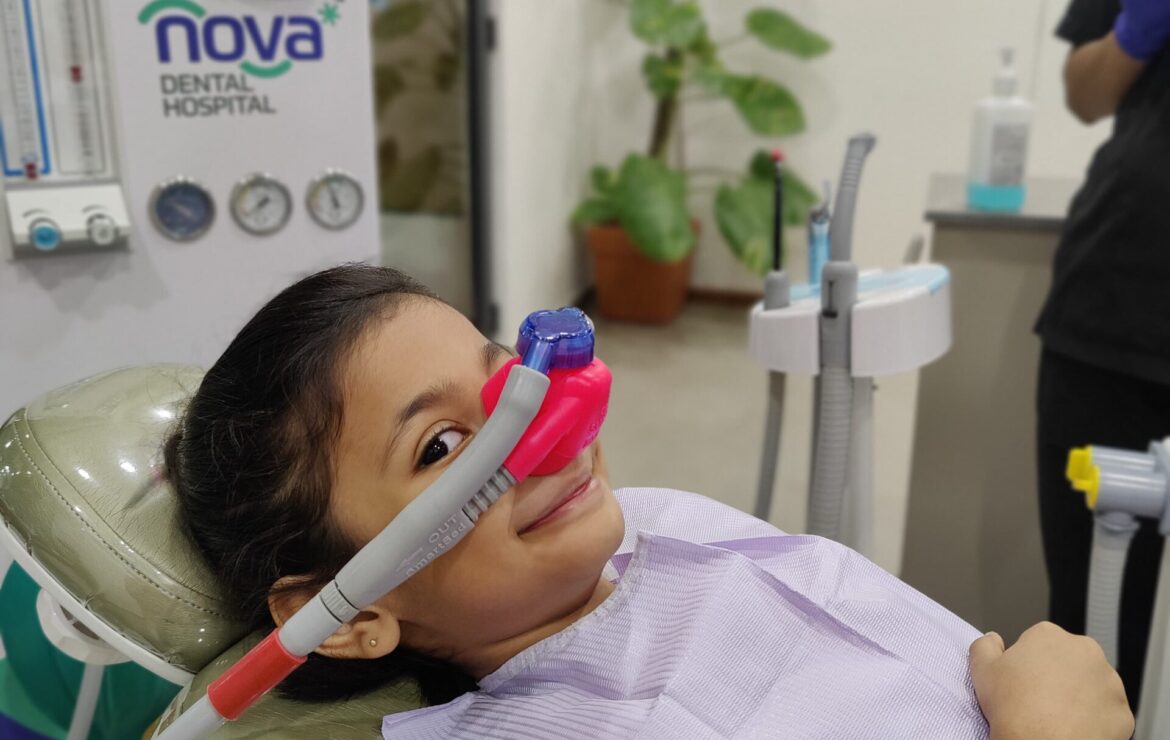
What Is Nitrous Oxide Sedation (Laughing Gas)? Is It Safe for Dental Procedures?

For many people in Gandhinagar, the thought of dental treatment triggers anxiety ranging from mild nervousness to overwhelming fear that prevents them from seeking necessary care. If you’ve heard about “laughing gas” or nitrous oxide sedation and wonder whether it might help you or your child feel more comfortable during dental procedures, you’re asking an important question that could make the difference between avoiding the dentist and receiving the care you need.
Nitrous oxide sedation represents one of the safest, most widely used methods for creating anxiety-free dental care experiences. This mild sedative has been used in dentistry for over 150 years, helping millions of patients—both children and adults—undergo dental procedures comfortably without the fear and tension that otherwise make treatment difficult or impossible.
Understanding what nitrous oxide is, how it works, who benefits most from it, and what safety considerations apply helps you make informed decisions about whether this sedation dentistry safe option suits your needs or your child’s. This comprehensive guide answers the questions patients most frequently ask about laughing gas dental sedation, providing the information you need to approach dental treatment with confidence rather than fear.
What Exactly Is Nitrous Oxide and How Does It Work?
Nitrous oxide, commonly called laughing gas, is a colorless, sweet-smelling gas that produces feelings of relaxation and mild euphoria when inhaled. In dental settings, it’s mixed with oxygen and delivered through a small mask that fits comfortably over your nose, allowing you to breathe normally while receiving the sedative effects.
The name “laughing gas” comes from the giddy, lighthearted feeling many people experience when breathing it, though not everyone actually laughs. More accurately, nitrous oxide creates a sense of calm well-being that makes dental procedures feel less stressful and anxiety-provoking. Time may seem to pass more quickly, sounds might seem distant, and you generally feel relaxed and comfortable despite procedures happening in your mouth.
Chemically, nitrous oxide works by affecting neurotransmitters in your brain that regulate anxiety, fear, and pain perception. It doesn’t put you to sleep like general anesthesia—you remain fully conscious, aware, and able to respond to questions and follow instructions. This type of sedation is called conscious sedation because you stay awake and can communicate throughout the procedure while feeling significantly more relaxed than you would without it.
The effects begin within minutes of breathing the gas mixture and disappear equally quickly once the mask is removed and you breathe regular air. This rapid onset and offset give dentists precise control over sedation levels and mean you can typically drive yourself home after treatment, unlike with other sedation methods that require hours of recovery.
Nitrous oxide dentistry Gandhinagar practices use involves carefully controlling the concentration of nitrous oxide mixed with oxygen, typically ranging from 30-70% nitrous oxide depending on the patient’s needs and response. The dentist adjusts the mixture to achieve the desired level of relaxation—just enough to ease anxiety while maintaining full consciousness and cooperation.
The Safety Profile of Nitrous Oxide Sedation
One of the most common questions patients ask is whether nitrous oxide is safe, particularly for children. The excellent news is that when administered properly by trained dental professionals, nitrous oxide ranks among the safest sedation options available in medicine and dentistry.
Nitrous oxide has an exceptional safety record spanning more than a century of use. It doesn’t metabolize in the body—you breathe it in, it produces its effects, and then you breathe it back out completely unchanged. This means it doesn’t stress your liver, kidneys, or other organs that would need to process and eliminate other types of sedatives. Your body doesn’t retain any nitrous oxide after treatment ends.
The rapid reversibility of nitrous oxide makes it particularly safe. If any problems occur during sedation, the dentist simply removes the mask or adjusts the oxygen flow, and the effects disappear within minutes. This quick offset means there’s no prolonged period of altered consciousness or impaired function after your appointment.
Modern dental equipment for delivering nitrous oxide includes multiple safety features. The delivery systems physically cannot deliver pure nitrous oxide—they’re designed to always include at least 30% oxygen with the nitrous oxide, ensuring patients receive adequate oxygen throughout treatment. Many systems include fail-safes that automatically increase oxygen if any problem with the nitrous oxide supply occurs.
Continuous monitoring during nitrous oxide sedation ensures patient safety. Your dental team watches for proper mask fit, monitors your responsiveness, observes your breathing and color, and can instantly adjust sedation levels if needed. You remain able to communicate throughout, providing another safety layer as you can signal if anything feels wrong.
For kids sedation dentistry, nitrous oxide offers particular advantages. Children can’t easily explain anxiety or cooperate when frightened, but nitrous oxide helps them relax enough to tolerate necessary treatment. The non-threatening mask delivery, quick onset, and complete recovery make it ideal for pediatric patients who need help staying calm and still during procedures.
Nitrous oxide sedation dentistry safe profile extends to pregnant women for emergency dental treatment after the first trimester, though elective procedures are typically postponed until after delivery. The gas doesn’t harm developing babies when used appropriately, though most dentists prefer to avoid any medications during pregnancy when possible.
However, like all medical interventions, nitrous oxide does have contraindications and isn’t appropriate for everyone. Understanding these limitations ensures safe, appropriate use.
Who Should and Shouldn’t Use Nitrous Oxide
While nitrous oxide works wonderfully for most patients, certain individuals should avoid it or use it only with special precautions.
Excellent candidates for nitrous oxide sedation include patients with mild to moderate dental anxiety who dread appointments but can cooperate when feeling calmer, children who are fearful or have difficulty sitting still during treatment, adults undergoing lengthy procedures who want to feel more comfortable, patients with sensitive gag reflexes that nitrous oxide can suppress, and those who want pain-free dental treatment without the longer recovery time of deeper sedation methods.
Patients who shouldn’t use nitrous oxide or need special considerations include those with severe respiratory conditions like COPD or emphysema where breathing patterns might be altered by sedation, people with recent eye surgery involving gas bubbles since nitrous oxide can expand gas spaces in the body, anyone with severe nasal congestion preventing them from breathing through their nose (since the mask delivers gas nasally), and patients with certain rare vitamin B12 metabolism disorders.
Severe claustrophobia that makes wearing the nasal mask intolerable represents another limitation, though many claustrophobic patients tolerate the small nose mask better than they expect. First trimester pregnancy typically leads dentists to delay elective treatment and avoid all medications including nitrous oxide when possible, though emergency treatment with nitrous oxide can be performed if necessary.
Patients with severe psychiatric conditions or those currently experiencing psychotic episodes might not be good candidates because nitrous oxide can occasionally cause hallucinations or worsen mental health symptoms in susceptible individuals. Those with certain neurological conditions need individual assessment.
Very young children under about age three might not cooperate with wearing the mask or following instructions to breathe through their nose, limiting nitrous oxide effectiveness. However, many children from ages three or four onward do very well with pediatric sedation using nitrous oxide.
Your dentist will review your medical history, current medications, and specific concerns before recommending nitrous oxide, ensuring it’s appropriate and safe for your situation. Always disclose all health conditions and medications during your dental consultation.
What to Expect During Nitrous Oxide Sedation
Understanding exactly what happens during a nitrous oxide sedation appointment helps reduce anxiety about the process itself and allows you to prepare appropriately.
Before the procedure begins, your dentist explains how nitrous oxide works, what you’ll feel, and what to expect. This education reduces fear of the unknown and helps you feel more in control. You’ll have opportunities to ask questions and express any concerns.
A small, comfortable mask is placed over your nose. The mask feels light and doesn’t cover your mouth, allowing normal conversation and treatment access. You continue breathing normally through your nose while the dentist adjusts the oxygen and nitrous oxide mixture to the appropriate levels for you.
Within two to three minutes of breathing the gas, most people begin feeling the effects. Common sensations include a warm, tingling feeling spreading through your body, lightness or floating sensation, slight dizziness or dreamlike state, reduced awareness of sounds and sensations around you, and a general sense of calm well-being and reduced anxiety.
These effects intensify slightly over the next few minutes as the dentist fine-tunes the sedation level. You remain fully conscious and aware throughout—able to hear and respond to questions, follow instructions like “open wider” or “turn your head,” and communicate if you experience any discomfort. Conscious sedation means you’re relaxed but not asleep.
During the dental procedure itself, you feel significantly less bothered by noises, vibrations, and sensations that would normally cause anxiety. Time may seem to pass quickly, and many patients report that procedures feel shorter than they actually were. Local anesthetic numbs the treatment area as usual—nitrous oxide reduces anxiety but doesn’t eliminate physical sensation, so numbing medication is still necessary for comfortable treatment.
Once the procedure finishes, the dentist removes the nitrous oxide and has you breathe pure oxygen for several minutes. This oxygen flush helps clear any remaining nitrous oxide from your system and prevents the mild headache that occasionally occurs if you stand up immediately after nitrous oxide without this oxygen period.
The effects dissipate within five to ten minutes after stopping the gas. Most patients feel completely normal almost immediately, though some experience slight lightheadedness for a few minutes. Unlike deeper sedation methods, you can typically walk, talk, and function normally very quickly after nitrous oxide sedation ends.
You’ll receive post-procedure instructions for caring for your mouth after treatment. Because nitrous oxide clears your system so quickly and completely, most patients can resume normal activities immediately, including driving themselves home if they came alone. This represents a major advantage over oral or IV sedation that requires someone else to drive you.
Benefits of Choosing Nitrous Oxide for Dental Procedures
Nitrous oxide offers numerous advantages that make it an excellent choice for many patients seeking anxiety-free dental care.
Rapid onset and offset mean you don’t waste time waiting for sedation to take effect or wear off. You arrive for your appointment, begin breathing the gas, feel effects within minutes, complete your treatment, breathe oxygen briefly, and leave feeling normal. The efficiency appeals to people with busy schedules who can’t afford long recovery periods.
The ability to drive yourself home after treatment provides significant convenience compared to other sedation options requiring a driver. This independence matters particularly for adults without readily available family support or those who prefer not to impose on others for transportation.
Adjustable sedation levels allow your dentist to customize your experience. Mild anxiety might require minimal nitrous oxide, while severe fear might need higher concentrations. The dentist can increase or decrease sedation during the procedure based on your responses, ensuring optimal comfort throughout.
No needles or pills for sedation appeal to people who fear injections or have difficulty swallowing pills. The mask delivery system is non-threatening, particularly for children who strongly resist needles. You simply breathe normally and relax.
Maintained consciousness throughout treatment means you participate in your care, follow instructions, and don’t experience the vulnerable feeling of complete unconsciousness. Many patients appreciate staying aware while feeling calmer and more comfortable.
Excellent safety profile with minimal side effects makes nitrous oxide appropriate for a wide range of patients from young children to elderly adults. The lack of metabolism in the body and complete elimination through breathing mean virtually no risk of drug accumulation or unexpected reactions.
Cost-effectiveness compared to deeper sedation methods makes pain-free dental treatment accessible to more patients. Nitrous oxide typically costs less than oral conscious sedation or IV sedation while providing sufficient anxiety relief for many procedures.
Pleasant experience creates positive associations with dental care. Patients who previously avoided dentists due to fear often become regular patients once they discover how comfortable treatment can be with nitrous oxide. This benefit particularly matters for children developing lifelong attitudes toward dental care.
Reduced gag reflex helps patients who struggle with gagging during dental work. The relaxation and altered sensation from nitrous oxide often suppress the gag reflex, making procedures like impressions or x-rays more tolerable.
Nitrous Oxide for Children: Special Considerations
Using nitrous oxide for pediatric sedation requires additional considerations given children’s unique needs and characteristics.
Age appropriateness generally starts around age three or four when children can understand simple instructions, tolerate the mask, and breathe through their nose on command. Younger children might not cooperate reliably enough for effective nitrous oxide sedation. However, individual maturity varies—some precocious three-year-olds do well while some anxious five-year-olds struggle.
Explaining nitrous oxide to children requires age-appropriate language that doesn’t frighten them. Dental teams trained in kids sedation dentistry might describe it as “sleepy air” that helps them feel calm and happy, let them smell the sweet scent before putting the mask on, demonstrate on a stuffed animal or the parent first, or use fun names like “silly air” or “happy air” that appeal to children.
Parental presence during sedation varies by practice and situation. Some dentists welcome parents in the treatment room during nitrous oxide sedation, particularly for very young or anxious children who feel safer with parents nearby. Others prefer parents wait outside, finding that some children cooperate better without parental anxiety influencing them. Discuss preferences with your dentist to find an approach that works for your family.
Effectiveness in children depends partly on their anxiety level and ability to cooperate. Nitrous oxide works beautifully for mildly anxious children who mainly need help relaxing. Extremely fearful or oppositional children might need deeper sedation methods for extensive treatment, though nitrous oxide can still help for simple procedures.
Safety in pediatric patients mirrors adult safety when proper protocols are followed. Children actually tolerate nitrous oxide very well, often better than adults. Their smaller size means careful attention to appropriate sedation levels, but modern equipment and trained dental teams ensure safe, comfortable experiences.
Post-treatment behavior in children usually shows quick return to normal. Some kids feel slightly tired or giddy for a few minutes but recover rapidly. Rarely, children might feel nauseous, particularly if they had a full stomach before treatment (more on this later). Most children resume normal activities immediately after the oxygen flush period.
Building positive dental experiences through comfortable treatment shapes children’s long-term attitudes toward oral health care. Children who learn that dental visits can be calm and even pleasant rather than frightening become adults who seek regular preventive care rather than avoiding dentists until emergencies force treatment.
For families in Gandhinagar seeking gentle, effective pediatric sedation, nitrous oxide provides an excellent option that balances effectiveness, safety, and positive experience for children requiring dental care.
Potential Side Effects and How to Minimize Them
While nitrous oxide is very safe, some patients experience minor side effects that are generally mild and temporary but worth understanding before choosing this sedation option.
Nausea and vomiting occur in approximately 5% of patients using nitrous oxide. This side effect happens more often when patients have full stomachs before sedation. The nausea typically develops during or shortly after treatment and usually resolves quickly once nitrous oxide is stopped. Some patients feel nauseous but don’t actually vomit.
To minimize nausea risk, avoid eating large meals within two to three hours before your appointment. Light eating is generally fine—complete fasting isn’t necessary as it is for general anesthesia—but a heavy meal increases nausea likelihood. If you do feel nauseated during sedation, tell your dentist immediately so they can reduce the nitrous oxide concentration or stop it entirely.
Headaches affect a small percentage of patients, usually resulting from inadequate oxygen during sedation or standing up too quickly after treatment without an oxygen flush period. These headaches are typically mild and resolve within 30-60 minutes. The post-treatment oxygen breathing period your dentist has you complete prevents most headaches.
Dizziness or lightheadedness during the first few minutes after stopping nitrous oxide is common but brief. Sitting quietly for a few minutes before standing and taking care when first standing up prevents falls. This symptom disappears quickly as you breathe regular air.
Tingling or numbness in extremities sometimes occurs during sedation due to altered sensation perception. These feelings are harmless and disappear as the nitrous oxide effects wear off.
Shivering or feeling cold affects some patients during sedation. The respiratory effects of nitrous oxide can slightly lower body temperature. Blankets provided during treatment help manage this discomfort.
Dreams or hallucinations rarely occur, particularly at higher sedation levels. Most patients just feel pleasantly relaxed, but occasionally people experience dreamlike states or mild hallucinations. These aren’t dangerous and stop immediately when sedation ends, but they can be unsettling if unexpected.
Dry mouth results from breathing through your mouth (the mask covers your nose) and from the gas itself having a drying effect. Drinking water after treatment resolves this quickly.
Excessive talking or giggly behavior makes some people embarrassed, hence the “laughing gas” name. Many patients become more talkative or laugh more easily while sedated. This is harmless, temporary, and not remembered by most patients afterward.
Serious complications with nitrous oxide sedation are extremely rare when administered by trained professionals using proper equipment. The safety features of modern systems, continuous monitoring, and rapid reversibility minimize risks substantially.
Nitrous Oxide vs. Other Sedation Options
Understanding how nitrous oxide compares to other sedation dentistry options helps you choose the most appropriate method for your needs and situation.
Nitrous oxide provides minimal to moderate conscious sedation. You remain awake, aware, and responsive while feeling relaxed and less anxious. This level suits most routine dental procedures and mild to moderate anxiety.
Oral conscious sedation involves taking anti-anxiety medication in pill form before your appointment. It creates deeper relaxation than nitrous oxide, with some patients becoming drowsy or even falling asleep, though technically you remain conscious. Oral sedation requires someone to drive you home and effects last several hours. It works well for longer procedures or higher anxiety levels but lacks the precise control and rapid recovery of nitrous oxide.
IV sedation delivers sedative medications directly into your bloodstream, creating moderate to deep sedation. Many patients sleep through treatment and remember little or nothing afterward. This method suits extensive procedures, severe anxiety, or situations where nitrous oxide proves insufficient. IV sedation requires specialized training, careful monitoring, someone to drive you home, and longer recovery time. Costs significantly exceed nitrous oxide.
General anesthesia produces complete unconsciousness in hospital or specialized surgical settings. It’s reserved for extremely complex procedures, patients with severe special needs, or very young children requiring extensive treatment. General anesthesia involves substantial risks and costs far beyond other options, making it appropriate only when no alternatives suffice.
Local anesthesia alone—numbing injections without any sedation—works perfectly well for many patients who don’t experience significant anxiety. If you’re comfortable with dental work and just need the treatment area numbed, you might not need sedation at all.
Nitrous oxide offers a middle ground—more calming than local anesthesia alone but less invasive and impairing than deeper sedation methods. Its rapid onset, precise control, quick recovery, and excellent safety profile make it ideal for many situations where mild to moderate anxiety requires management.
Combining methods works well for some patients. For example, nitrous oxide plus local anesthesia provides both anxiety relief and physical numbing for pain-free dental treatment. Some dentists combine nitrous oxide with oral sedation for patients needing deeper relaxation than nitrous oxide alone provides but who don’t require IV sedation.
Your dentist recommends appropriate sedation based on your anxiety level, the complexity and length of your procedure, your medical history, your preferences, and practical considerations like whether you have someone to drive you home if needed. Discussing all options ensures you receive the most suitable approach for comfortable, safe treatment.
Preparing for Your Nitrous Oxide Sedation Appointment
Proper preparation ensures your nitrous oxide sedation experience goes smoothly and comfortably.
Eat lightly before your appointment. While complete fasting isn’t necessary, avoid heavy meals within two to three hours of sedation to reduce nausea risk. Light snacks or small meals are generally fine. If your appointment is early morning, a light breakfast is appropriate. For afternoon appointments, eat a normal light breakfast and skip or minimize lunch.
Wear comfortable, loose clothing that doesn’t constrict your breathing or make you feel confined. Comfortable clothes help you relax during treatment.
Remove contact lenses if you wear them, as the sedation can affect your eyes slightly. Glasses are fine to wear if needed.
Avoid alcohol and recreational drugs for at least 24 hours before sedation. These substances can interact unpredictably with nitrous oxide or affect your responses to it.
Take your regular medications as prescribed unless your dentist specifically instructs otherwise. Inform your dentist of all medications you take, including over-the-counter drugs and supplements.
Arrange your schedule to avoid rushing to or from your appointment. While you’ll likely feel completely normal after treatment, some people prefer having a bit of buffer time rather than immediately rushing to other commitments.
Bring a list of questions or concerns to discuss before sedation begins. Once relaxed, you might not remember everything you wanted to ask.
For children, explain the appointment in positive, non-frightening terms appropriate to their age. Avoid using scary words like “shot,” “drill,” or “pain.” Frame it as the dentist helping their teeth stay strong and healthy, and mention the “silly air” that will help them feel calm and happy.
Arrive on time for your appointment. Rushing and arriving late increases anxiety that can affect your response to sedation.
Use the restroom before sedation begins, as you’ll want to remain still during treatment.
Cost Considerations and Insurance Coverage
Understanding the financial aspects of nitrous oxide sedation helps you plan for this anxiety-free dental care option.
Nitrous oxide typically costs less than other sedation methods like oral or IV sedation, making it one of the more affordable sedation options. The exact cost varies by dental practice, geographic location, and procedure length. Many practices charge per appointment or per hour of nitrous oxide use.
Some dental insurance plans cover nitrous oxide sedation, particularly for children or when deemed medically necessary for anxious patients who otherwise couldn’t tolerate treatment. Coverage varies significantly by plan—some cover it fully, others cover a percentage, and some don’t cover sedation at all. Checking with your insurance provider before your appointment clarifies what costs you’ll be responsible for.
For procedures where nitrous oxide prevents the need for treatment in a hospital under general anesthesia—such as with very anxious children—insurance companies often view nitrous oxide as cost-effective and approve coverage that they might deny for routine sedation.
Even without insurance coverage, many patients find the out-of-pocket cost worthwhile for the comfort and reduced anxiety it provides. Being able to receive necessary dental treatment in a calm, comfortable state rather than avoiding care due to fear represents significant value beyond just the monetary cost.
Many dental practices including those offering pain-free dental treatment in Gandhinagar provide payment plans or financing options that make sedation dentistry more accessible. Discussing costs openly with your dental office before treatment allows you to make informed financial decisions.
The investment in comfortable dental treatment often pays for itself by preventing more extensive, expensive problems that develop when people avoid dentists due to fear. Regular preventive care enabled by comfortable sedation prevents the crowns, root canals, extractions, and other major treatments that result from neglected dental health.
Long-Term Benefits of Choosing Anxiety-Free Dental Care
Beyond the immediate comfort during a specific procedure, choosing nitrous oxide sedation can positively impact your long-term oral health and relationship with dental care.
Breaking the cycle of dental avoidance helps people who’ve avoided dentists for years due to fear finally receive needed care. One comfortable experience with nitrous oxide often transforms attitudes, making subsequent appointments feel less daunting. This shift from avoidance to engagement with preventive care dramatically improves long-term oral health outcomes.
Establishing positive dental experiences early in children’s lives shapes their lifelong attitudes toward oral healthcare. Children who learn that dental visits can be calm and comfortable become adults who maintain regular dental care rather than avoiding it until emergencies force treatment.
Enabling necessary treatment that might otherwise be postponed or refused improves overall health. Untreated dental problems can affect nutrition, create chronic infections, cause severe pain, and even contribute to serious health conditions like heart disease. Sedation that allows people to receive needed care prevents these complications.
Reducing stress around dental appointments benefits overall mental health. Severe dental anxiety creates stress extending beyond the appointment itself—anticipatory anxiety before visits and relief-but-exhaustion afterward take emotional tolls. Knowing sedation makes treatment comfortable reduces this stress burden.
Building trust with dental providers becomes easier when appointments are comfortable rather than frightening. This trust improves communication, increases likelihood of following recommendations, and creates a collaborative relationship benefiting your oral health.
Protecting long-term dental health investments through regular care maintains expensive dental work like crowns, implants, and bridges. People more willing to attend check-ups because sedation makes them comfortable protect their dental health investments better than those avoiding care.
For comprehensive anxiety-free dental care in Gandhinagar, discussing sedation options including nitrous oxide with your dental team ensures you receive treatment in the most comfortable manner possible, promoting both immediate comfort and long-term oral health.
Finding the Right Provider for Sedation Dentistry
Choosing a dental practice experienced in sedation dentistry ensures safe, comfortable treatment with nitrous oxide.
Verify that your dentist has proper training and credentials in sedation dentistry. While most dentists learn basic nitrous oxide administration during dental school, additional continuing education in sedation demonstrates commitment to excellence in this area.
Ask about the practice’s experience with nitrous oxide sedation. How many patients do they treat with sedation regularly? Do they offer it routinely or only occasionally? Practices with extensive sedation experience generally provide smoother, more comfortable experiences.
Look for modern, well-maintained sedation equipment. Up-to-date delivery systems with safety features provide better control and safety than older equipment.
Evaluate the team’s approach to anxious patients. Dental staff who are patient, understanding, and experienced in managing dental anxiety create environments where sedation works most effectively. Rushed, dismissive, or impatient attitudes can increase anxiety that even sedation struggles to overcome.
Check whether the practice offers multiple sedation options. A practice providing nitrous oxide, oral sedation, and possibly IV sedation can tailor approaches to individual patient needs rather than using one-size-fits-all methods.
Read reviews from other patients, particularly those mentioning anxiety or sedation experiences. Patient testimonials provide insight into how the practice handles anxious patients and whether sedation experiences have been positive.
Visit the office before committing to treatment if you’re very anxious. Meeting the team, seeing the environment, and asking questions in person helps you feel more comfortable before your actual treatment appointment.
At Nova Dental Hospital in Gandhinagar, we specialize in providing comfortable, anxiety-free dental care through various sedation options including nitrous oxide. Our experienced team helps even the most anxious patients receive the dental treatment they need in a calm, comfortable environment.
Frequently Asked Questions
Will I remember anything during nitrous oxide sedation, or will I be completely unconscious?
You will remain fully conscious during nitrous oxide sedation and will likely remember most or all of your appointment. Nitrous oxide provides conscious sedation, meaning you stay awake, aware, and able to respond to questions and follow instructions throughout treatment. Unlike general anesthesia or deep IV sedation that make you unconscious or create amnesia, nitrous oxide simply makes you feel relaxed, calm, and less bothered by the dental procedures happening. Many patients report that time seems to pass quickly and they feel pleasantly distanced from what’s happening, but they can recall the experience afterward. This consciousness is actually a safety feature—you can communicate if anything feels wrong and participate in your care while feeling much more comfortable than you would without sedation.
Can I drive myself home after nitrous oxide sedation, or do I need someone with me?
One of the major advantages of nitrous oxide is that most patients can safely drive themselves home after treatment. The gas clears your system within five to ten minutes of stopping, and the recovery period involves breathing pure oxygen for a few minutes followed by sitting quietly to ensure you feel completely normal. Unlike oral sedation or IV sedation that require someone to drive you home and can impair you for hours, nitrous oxide’s effects disappear so quickly and completely that driving yourself is typically fine. However, individual responses vary slightly—if you feel any lingering lightheadedness or dizziness after the oxygen flush period, you should not drive. Most dental offices assess how you feel before allowing you to leave and will recommend calling someone if they have any concerns about your fitness to drive.
Is laughing gas safe for young children, and at what age can they start using it?
Nitrous oxide is very safe for children when administered by trained dental professionals and represents one of the best kids sedation dentistry options available. Children as young as three or four can often use nitrous oxide successfully, though individual maturity matters more than specific age. The child needs to understand simple instructions, tolerate wearing the nose mask, and breathe through their nose rather than their mouth for the sedation to work effectively. Pediatric dentists experienced in pediatric sedation excel at making the experience non-threatening for children—letting them smell the “silly air,” demonstrating on a stuffed animal first, and using friendly explanations. The safety profile for children mirrors that of adults, with the same rapid onset and offset, minimal side effects, and complete elimination from the body through breathing. Many children respond even better to nitrous oxide than adults, becoming wonderfully calm and cooperative during treatment that would otherwise frighten them.
What does nitrous oxide feel like? Will it make me feel weird or out of control?
Most people describe nitrous oxide as creating a pleasant, relaxed feeling of well-being and calm. Common sensations include feeling warm and slightly tingly, a sensation of floating or lightness, reduced awareness of sounds and sensations around you, and a general sense that things that would normally bother you just don’t seem as important. Time may seem to pass quickly, and many patients report feeling slightly giggly or more talkative than usual—hence “laughing gas.” You don’t feel “weird” in an uncomfortable or frightening way, and you definitely don’t lose control—you remain fully conscious, aware, and able to think, speak, and follow instructions. Some people worry they’ll say inappropriate things or embarrass themselves, but most patients simply feel pleasantly relaxed. If you start feeling any uncomfortable sensations, you can tell your dentist immediately and they’ll adjust the sedation level. The effects are mild and pleasant rather than intense or disorienting.
Are there any long-term side effects or risks from using nitrous oxide repeatedly over time?
For the vast majority of patients using nitrous oxide occasionally for dental procedures, there are no long-term side effects or health risks. The gas doesn’t accumulate in your body—you breathe it in and breathe it completely back out, with no metabolism or retention in tissues. Short-term, intermittent use for dental sedation is extremely safe. However, chronic exposure to very high levels of nitrous oxide over extended periods—such as dental professionals who work with it daily for years without proper ventilation and scavenging systems—can potentially affect vitamin B12 metabolism. This isn’t a concern for patients using it occasionally for dental appointments. Some very rare genetic conditions affecting vitamin B12 processing can make nitrous oxide inappropriate, but your dentist screens for these during your medical history review. For typical dental patients in Gandhinagar receiving nitrous oxide a few times per year for dental procedures, the safety record is excellent with no long-term health consequences.

Related posts


Write a Comment
Recent Posts
Бетон Казино: Ліцензія та Регуляція
Content Review 773-345742-4d1daa0c25b7


