


What Is Gum Disease and Why Does It Get Worse Without You Realising?
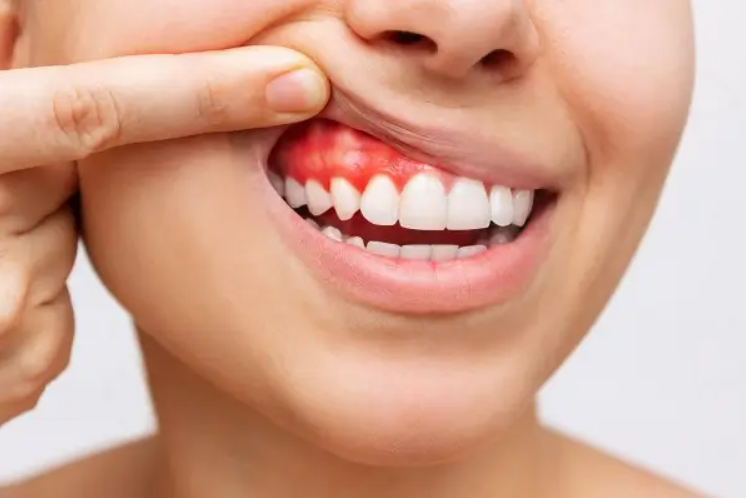
What Is Gum Disease and Why Does It Get Worse Without You Realising?

The Disease That Does Not Hurt — Until It Is Too Late to Ignore
Gum disease is the leading cause of tooth loss in adults worldwide. It is more common than tooth decay in patients over 35. It is strongly linked to systemic health conditions including cardiovascular disease, type 2 diabetes, and adverse pregnancy outcomes. And in most patients, it progresses through its most destructive stages without producing pain, visible swelling, or any symptom compelling enough to prompt a dental visit.
This combination — widespread, consequential, and largely asymptomatic — makes gum disease one of the most important and most underappreciated dental health problems in clinical practice. Patients who present with advanced bone loss and mobile teeth consistently describe the same experience: they knew their gums bled sometimes, but assumed that was normal. They had not been in pain. They had no idea the bone beneath their gums had been eroding for years.
This guide explains what gum disease is, how it progresses from early reversible inflammation through to irreversible bone destruction, what the early warning signs are and why they are so easy to dismiss, what drives it, how it is treated at each stage, and why treatment earlier in the disease process consistently produces better outcomes with less intervention. The goal is to give patients the understanding they need to take the early signs seriously before the disease has progressed past the point where straightforward treatment is sufficient.
🔑 Key Takeaways
- Gum disease progresses in two distinct phases: gingivitis (reversible inflammation of the gum tissue) and periodontitis (irreversible destruction of the bone and ligament that support the teeth). The transition between them is the clinical point that determines the complexity of treatment required.
- Bone loss from periodontitis is permanent — once the bone is lost, it does not regenerate without surgical intervention. This is the defining characteristic that makes early treatment so important.
- The most common early warning sign — bleeding gums — is consistently misread by patients as harmless or as caused by brushing too hard. Healthy gums do not bleed. Bleeding is the tissue’s response to bacterial inflammation, and it should always be assessed.
- Periodontitis is driven by the bacteria in dental plaque that accumulates below the gum line, in pockets that cannot be reached by a toothbrush. Professional cleaning — scaling and root planing — is the only way to remove this subgingival deposit.
- Gum disease has well-established links to cardiovascular disease, diabetes, and preterm birth. Managing it is not only a dental priority — it is a systemic health priority.
- The classification of gum disease by stage and grade, established by the 2017 World Workshop on the Classification of Periodontal and Peri-Implant Diseases, gives clinicians a standardised framework for assessing severity and guiding treatment — replacing older staging systems and allowing more precise communication about prognosis.
What Gum Disease Actually Is
Gum disease — the clinical term is periodontal disease — is an inflammatory condition caused by bacteria in dental plaque. Plaque is the soft, sticky film of bacteria that forms continuously on tooth surfaces. When plaque is not removed consistently through brushing and flossing, it accumulates at and below the gum line, where the bacterial byproducts — toxins and inflammatory mediators — trigger an immune response in the surrounding gum tissue.
This immune response is gum disease. In its early form it is confined to the soft gum tissue — gingivitis. In its more advanced form, the immune response extends to the bone and ligament that anchor the teeth in the jaw — periodontitis. The distinction between these two stages is not just semantic: gingivitis is entirely reversible with proper cleaning; periodontitis involves permanent structural loss that cannot be undone.
The Periodontium — What Is Being Destroyed
The periodontium is the collective term for the structures that support the teeth: the gingiva (gum tissue), the periodontal ligament (the fibrous attachment between the root and the bone), the cementum (the outer surface of the root), and the alveolar bone (the jawbone that surrounds and supports the roots). In health, these structures form a sealed, well-maintained system that holds each tooth firmly in position and distributes biting forces safely through the jaw.
Periodontitis systematically destroys this system — not all at once, but progressively, as bacterial infection drives a continuous inflammatory response that breaks down the bone and ligament over months and years. By the time a patient can feel their tooth moving, a substantial proportion of the supporting structure has already been lost.
The Stages of Gum Disease: From Gingivitis to Advanced Periodontitis
The current internationally accepted classification of periodontal disease, established by the 2017 World Workshop on Classification, describes gum disease in terms of stages (severity) and grades (rate of progression). For clinical purposes, the most useful patient-facing framework describes the four progressive stages of the disease and what is happening biologically at each.
| Stage | What Is Happening | Symptoms | Bone Loss | Reversible? | Treatment |
| Gingival Health | Healthy gum tissue — no inflammation, no plaque-driven disease | No bleeding; firm, pale pink gums; no discomfort | None | N/A — healthy baseline | Routine check-up and professional cleaning |
| Gingivitis | Bacterial plaque causes inflammation of the gum tissue; no bone involvement yet | Bleeding on brushing or flossing; gums may appear redder or slightly swollen; possibly bad breath | None | Yes — fully reversible with cleaning | Professional scale and polish; improved home hygiene |
| Periodontitis Stage I–II (Early to Moderate) | Inflammation has extended to the bone and ligament; bone destruction has begun; pockets deepening | Bleeding; possible gum recession; teeth may appear slightly longer; pockets 4–6 mm on probing | Up to 33% of root length | Bone loss is permanent; disease is arrestable | Scaling and root planing (deep cleaning); reassessment at 6–8 weeks |
| Periodontitis Stage III (Severe) | Significant bone loss; deep pockets; possible tooth mobility beginning; furcation involvement in multi-rooted teeth | Visible gum recession; tooth sensitivity; possible tooth movement; pockets >6 mm | 33–66% of root length | Bone loss permanent; surgery may be needed | Deep cleaning; possible periodontal surgery; extraction of non-maintainable teeth |
| Periodontitis Stage IV (Very Severe) | Extensive bone loss; multiple mobile teeth; bite collapse; masticatory dysfunction | Visible tooth movement; drifting or fanning of front teeth; gaps appearing; difficulty chewing | >66% of root length; possible tooth loss | Extensive irreversible damage; complex rehabilitation needed | Comprehensive periodontal and restorative treatment; possible extractions and implants |
Why the Transition From Gingivitis to Periodontitis Is the Critical Moment
The boundary between gingivitis and periodontitis is the most clinically significant line in periodontal disease. On one side of that line, the tissue damage is completely reversible — professional cleaning plus improved home hygiene restores the gum tissue to health with no permanent consequences. On the other side, the bone loss is permanent. Treatment can arrest the disease, prevent further progression, and in some cases achieve partial regeneration of lost tissue through surgical techniques — but it cannot restore bone that has been destroyed by untreated periodontitis back to its original level through non-surgical means alone.
This is why early detection matters so much. A patient with gingivitis who is treated and maintains good home hygiene has a completely healthy periodontium going forward. A patient with Stage II periodontitis who receives excellent treatment and perfect ongoing hygiene still has less bone around their teeth than they started with — and carries a higher risk of future progression than a patient who never developed periodontitis at all.
Why Gum Disease Gets Worse Without You Realising
The silent progression of gum disease is not a clinical curiosity — it is a biological feature of how the disease works, and understanding it explains why the absence of pain cannot be interpreted as absence of disease.
The Gum Tissue Does Not Have the Same Pain Sensitivity as the Tooth Pulp
Toothache from decay or a cracked tooth is difficult to ignore because the dental pulp — the nerve-rich tissue inside the tooth — is acutely sensitive to bacterial invasion and inflammation. The bone and periodontal ligament destroyed by periodontitis do not have the same pain nerve density. Bone destruction from periodontitis is a chronic, low-grade inflammatory process that does not produce the acute, sharp pain signals that make patients seek emergency care. The gum tissue may bleed, ache mildly, or feel occasionally tender — but these are easy to attribute to other causes or to simply ignore.
The Early Symptoms Are Consistently Misread
The primary early symptom of gum disease — bleeding gums — is one of the most consistently misunderstood symptoms in dentistry. The overwhelming majority of patients who notice blood when brushing attribute it to one of two things: brushing too hard, or gums that are ‘just sensitive’. Neither explanation is correct. Healthy gum tissue does not bleed in response to the gentle mechanical stimulation of a toothbrush. Bleeding is the tissue’s inflammatory response to bacterial presence — it is a symptom of disease, not of mechanical irritation.
As covered in more detail in our blog on bleeding gums when flossing, the persistence of this misunderstanding — that bleeding gums are normal — is one of the primary reasons patients arrive at a dental clinic with advanced periodontitis having had an early warning sign for years that they did not act on.
Patients Adapt to Gradual Change
The progression of periodontitis is slow enough that patients adapt to each incremental change without identifying it as a problem. Gums that have receded over three years look normal to the patient because they have never seen a side-by-side comparison with how the gums looked three years ago. Teeth that are slightly more sensitive to cold than they were two years ago are attributed to other causes. A gap that has appeared between two front teeth is noticed but assumed to be cosmetic. Each individual change is subtle enough to rationalise; the cumulative change, when finally assessed clinically, can be severe.
Pockets Are Invisible Without Clinical Assessment
The defining lesion of periodontitis — the periodontal pocket — is not visible to the patient and not detectable without clinical examination. A periodontal pocket is the space that forms between the root surface and the gum tissue as the attachment between them is destroyed by the disease. Pockets are measured in millimetres using a blunt periodontal probe; healthy sulcus depth is one to three millimetres, and pockets of four millimetres or more indicate pathological attachment loss. Patients with six- or seven-millimetre pockets containing active bacterial deposits — the clinical picture of moderate to severe periodontitis — often have no idea anything is wrong because nothing is visibly or symptomatically compelling.
What Causes Gum Disease — and Who Is at Higher Risk
The Primary Cause: Subgingival Bacterial Plaque
Gum disease is caused by the bacteria in dental plaque — specifically, the species that accumulate in the subgingival environment (below the gum line) when plaque is not consistently removed. These bacteria produce toxins and trigger an immune response that, sustained over time, destroys the bone and ligament of the periodontium. The disease does not develop without these bacteria, which is why plaque control — both professional and at home — is the foundation of all periodontal treatment.
When plaque is not removed, it mineralises into calculus (tartar) — a hard, calcified deposit that cannot be removed by brushing and that provides a rough surface for further plaque accumulation. Calculus at and below the gum line is a key driver of periodontal disease progression and can only be removed by professional cleaning. This is the clinical rationale for regular professional teeth cleaning — it removes the deposits that are beyond the reach of home hygiene.
Smoking — The Most Significant Modifiable Risk Factor
Smoking is the most powerful modifiable risk factor for periodontal disease. Smokers are significantly more likely to develop periodontitis than non-smokers, develop it more severely, and respond less well to treatment. One of the particularly deceptive aspects of smoking and gum disease is that smokers bleed less on probing than non-smokers with equivalent disease — the vasoconstriction caused by tobacco reduces the visible bleeding response, masking a key warning sign. Smokers may therefore have more advanced disease with fewer of the symptoms that would normally prompt a dental visit.
Diabetes
The relationship between diabetes and periodontal disease is bidirectional and well-established. Patients with poorly controlled diabetes are significantly more susceptible to gum disease, develop it more severely, and respond less predictably to treatment. Conversely, active periodontal disease makes glycaemic control more difficult — the systemic inflammatory load of untreated periodontitis affects insulin sensitivity. Managing gum disease is a component of managing diabetes; the two conditions cannot be treated entirely independently.
Genetics
There is a significant genetic component to periodontal susceptibility. Patients with a positive family history of tooth loss from gum disease are at elevated risk, and certain genetic variants affecting the immune response are associated with more aggressive disease. Genetic susceptibility does not make periodontitis inevitable, but it means that such patients need more vigilant monitoring and may progress more rapidly than the bacterial load alone would predict.
Medications
Several commonly prescribed medications have gum-related side effects relevant to periodontal health. Calcium channel blockers (used for hypertension), phenytoin (an anticonvulsant), and ciclosporin (an immunosuppressant) can cause gingival enlargement — an overgrowth of gum tissue that creates false pockets and makes cleaning more difficult. Certain antidepressants and antihistamines cause dry mouth (xerostomia), which reduces salivary protection of the gum tissue and increases bacterial load. Patients on long-term medications should discuss the potential oral health implications with both their physician and their dentist.
Hormonal Changes
Puberty, pregnancy, and menopause all involve hormonal changes that affect the gum tissue’s inflammatory response. Pregnancy gingivitis — exaggerated gum inflammation during pregnancy — is common and well-documented; it does not cause periodontitis directly but can accelerate progression in patients who already have gingivitis. The link between periodontal disease and preterm birth, low birth weight, and pre-eclampsia has been studied extensively, though the precise causal mechanisms remain an active area of research.
| Risk Factor | Effect on Gum Disease | Modifiable? |
| Poor plaque control (inadequate brushing/flossing) | Primary driver — disease does not develop without bacterial plaque | Yes — improved home hygiene and regular professional cleaning |
| Smoking / tobacco use | Most significant modifiable risk; masks bleeding warning signs; reduces treatment response | Yes — smoking cessation significantly improves periodontal outcomes |
| Uncontrolled diabetes | Increased susceptibility, severity, and reduced treatment response; bidirectional relationship | Partially — better glycaemic control improves periodontal outcomes |
| Genetics / family history | Elevated susceptibility; faster progression in some patients | No — but monitoring frequency can be increased |
| Medications (calcium channel blockers, phenytoin, ciclosporin) | Gingival enlargement; false pocket formation | Partially — medication review with physician; more frequent professional cleaning |
| Dry mouth (xerostomia) | Reduced salivary protection; increased bacterial load | Partially — address underlying cause; saliva substitutes; fluoride |
| Stress | Elevated cortisol reduces immune response; may increase plaque accumulation from reduced hygiene compliance | Yes — stress management; maintaining hygiene routine |
| Pregnancy | Exaggerated inflammatory response; pregnancy gingivitis | Managed — professional cleaning safe and recommended during pregnancy |
Gum Disease and Systemic Health: The Evidence
The connection between periodontal disease and systemic health is one of the most significant developments in dental and medical research over the past two decades. The relationship is not speculative — the epidemiological associations are strong, the biological mechanisms are increasingly well understood, and the clinical implications are real.
Cardiovascular Disease
Multiple large studies have found an association between periodontal disease and cardiovascular conditions including coronary artery disease, myocardial infarction, and stroke. The proposed mechanisms include: direct bacteraemia (periodontal bacteria entering the bloodstream through inflamed gum tissue and contributing to arterial plaque formation), systemic inflammation (the chronic inflammatory load of active periodontitis elevating C-reactive protein and other inflammatory markers associated with cardiovascular risk), and shared risk factors (smoking, diabetes) that predispose to both conditions. The association is independent of these shared risk factors — periodontitis appears to carry its own cardiovascular risk contribution.
Diabetes
As described above, the diabetes-periodontitis relationship is bidirectional and well-established at the clinical level. Treating periodontal disease in diabetic patients has been shown in multiple studies to improve HbA1c — a key measure of long-term blood glucose control — by a clinically meaningful margin. For patients managing diabetes, periodontal health is not a separate concern from glycaemic control; it is part of it.
Pregnancy Outcomes
Epidemiological studies have found associations between active periodontal disease in pregnant women and increased risk of preterm birth, low birth weight, and pre-eclampsia. The proposed mechanism involves periodontal bacteria and inflammatory mediators crossing into the systemic circulation and affecting the uterine environment. Professional dental cleaning during pregnancy is safe and recommended, and treating periodontal disease during pregnancy is considered an important component of antenatal care in current clinical guidelines.
Respiratory Conditions
Aspiration of oral bacteria — particularly in patients with poor oral hygiene or reduced swallowing function — is a recognised cause of aspiration pneumonia, particularly in elderly or hospitalised patients. Periodontal disease increases the pool of pathogenic bacteria available for aspiration and has been associated with increased risk of respiratory infections in susceptible populations.
How Gum Disease Is Treated at Each Stage
Gingivitis — Professional Cleaning and Home Hygiene
Gingivitis is treated by removing the cause — the bacterial plaque and calculus at and immediately below the gum line. A professional scale and polish removes supra- and subgingival deposits that cannot be eliminated by home brushing. The patient is then supported with home hygiene instruction — correct brushing technique, interdental cleaning with floss or interdental brushes, and, where appropriate, antiseptic mouth rinses. With consistent compliance, gingivitis resolves completely within two to four weeks of this treatment. No permanent damage has occurred; the periodontium returns to full health.
Early to Moderate Periodontitis — Scaling and Root Planing
Once bone loss has occurred, the treatment objective shifts from reversal to arrest — stopping the disease from progressing further. Scaling and root planing (also called deep cleaning or root surface debridement) is the primary non-surgical treatment for periodontitis. It involves instrumentation of the root surfaces below the gum line — removing bacterial deposits, calculus, and toxin-contaminated cementum from within the periodontal pockets. This is typically carried out under local anaesthesia, working one or two quadrants of the mouth per appointment.
The aim is to create a clean root surface against which the gum tissue can re-attach or at least recontour, reducing pocket depths and removing the subgingival environment that sustains the bacterial community driving the disease. Reassessment at six to eight weeks after completion of the full mouth root planing — with repeat pocket charting and clinical evaluation — determines the response to treatment and whether surgical intervention is indicated for residual deep pockets.
Severe Periodontitis — Periodontal Surgery
Where non-surgical scaling and root planing has not achieved adequate pocket reduction — typically where pockets remain at six millimetres or more, or where the bone defect configuration makes non-surgical debridement insufficient — periodontal surgery is indicated. Surgical access allows direct visualisation of the root surfaces and the bone defects, enabling more thorough debridement and, in selected cases, bone grafting or guided tissue regeneration procedures to partially rebuild lost bone.
Laser-assisted periodontal treatment — using a dental laser to decontaminate the pocket and promote healing of the gum tissue — is an adjunct that some clinics, including Nova Dental Hospital, offer alongside or instead of conventional surgical techniques in selected cases. It is not a replacement for scaling and root planing but can improve outcomes for specific presentations. Patients with gum infections — acute periodontal abscesses or necrotising periodontal disease — require urgent treatment including drainage, debridement, and in some cases systemic antibiotics.
Maintenance — The Ongoing Phase
Periodontal treatment does not end with active therapy. The bacteria that cause periodontitis re-colonise treated sites within weeks of professional cleaning if home hygiene is inadequate, and treated periodontitis can reactivate without regular professional maintenance. Patients who have had periodontitis treatment are placed on a supportive periodontal therapy schedule — typically every three months in the first year, then reassessed based on clinical stability — for professional cleaning and monitoring of pocket depths, bleeding scores, and bone levels. This ongoing maintenance phase is as clinically important as the active treatment phase.
⚠️ Signs That Gum Disease May Already Be Present — Seek Assessment
- Gums that bleed when brushing or flossing — consistently, not just occasionally
- Gums that look redder, puffier, or more swollen than they used to
- Persistent bad breath that does not resolve with brushing
- Teeth that appear longer than they used to — gum recession exposing more of the root
- A gap appearing between teeth, particularly front teeth, that was not there before
- Teeth that feel slightly loose or that have shifted position
- Pain or discomfort when chewing — particularly on teeth that were previously fine
- Pus between the teeth and gums, or a bad taste that persists
Preventing Gum Disease: What Actually Works
✅ Evidence-Based Prevention — The Non-Negotiables
- Brush twice daily for two minutes using a soft-bristled toothbrush and fluoride toothpaste, paying particular attention to the gum margin where plaque accumulates. An electric toothbrush with a pressure sensor is more effective for most people than a manual brush.
- Clean between teeth daily — with floss, interdental brushes, or a water flosser. The spaces between teeth are where the bacteria that cause gum disease are most concentrated, and where a toothbrush cannot reach regardless of technique.
- Attend regular professional check-ups and cleaning — every six months for low-risk patients, more frequently for patients with a history of periodontitis or elevated risk factors. Professional cleaning removes calculus that cannot be addressed at home.
- Do not smoke — or if you currently smoke, seek support to stop. The benefit of smoking cessation on periodontal health is significant and measurable.
- Manage systemic conditions — particularly diabetes. Good glycaemic control reduces periodontal susceptibility; treating periodontitis improves glycaemic control. The relationship is manageable in both directions.
- Report bleeding gums to your dentist — do not wait for it to resolve on its own. Bleeding is a symptom of inflammation that warrants clinical assessment, not an inconvenience to be managed with harder brushing.
Frequently Asked Questions
FAQ 1: Can gum disease be cured completely?
Gingivitis — the early, reversible stage — can be completely resolved with professional cleaning and improved home hygiene, leaving no permanent damage. Periodontitis, once it has caused bone loss, cannot be ‘cured’ in the sense of restoring the original bone level through non-surgical treatment alone. What periodontal treatment achieves is arrest of the disease — stopping further progression, reducing pocket depths, and placing the patient in a stable maintenance phase where the disease does not advance. In selected cases, surgical bone grafting and guided tissue regeneration can partially rebuild lost bone, but complete restoration to pre-disease levels is not reliably achievable. This is why preventing the transition from gingivitis to periodontitis — or catching it at Stage I — is so clinically important.
FAQ 2: My gums bleed when I brush. Should I brush more gently or more thoroughly?
More thoroughly — but with proper technique, not more force. Bleeding gums are not caused by brushing too hard on healthy tissue; they are caused by bacterial inflammation in tissue that has become disease-affected. Brushing more gently to avoid the bleeding is counterproductive — it leaves the plaque in place that is sustaining the inflammation. The correct response is to brush carefully and consistently at the gum margin, to add interdental cleaning between the teeth, and to book a professional assessment and cleaning. In most cases of gingivitis, consistent home hygiene plus professional cleaning resolves the bleeding within two to four weeks. For further detail on this, our blog on bleeding gums when flossing covers the common misconceptions in full.
FAQ 3: Is deep cleaning (scaling and root planing) painful?
Scaling and root planing is carried out under local anaesthesia for most patients — the area being treated is numbed before the procedure begins, so the instrumentation itself should not be painful. Some patients feel pressure and movement but not sharp pain. After the appointment, it is normal to experience tenderness in the treated gum tissue and increased tooth sensitivity for a few days — this settles as the tissue begins to heal. Over-the-counter pain relief is usually sufficient for post-procedure discomfort. At Nova Dental Hospital, the approach to deep cleaning is explained in detail before the procedure, and patients are given clear post-treatment instructions to support comfortable healing.
FAQ 4: Can gum disease cause tooth loss even if my teeth themselves are healthy?
Yes — this is one of the most important and most surprising things patients learn about periodontitis. A tooth can be entirely free of decay, have no filling, and have an intact crown — and still be lost to gum disease if the bone and ligament that anchor it in the jaw have been destroyed. Tooth loss from gum disease is not caused by anything wrong with the tooth itself; it is caused by the loss of the supporting structures around it. A tooth with 70 percent bone loss is mobile regardless of how intact the tooth crown is, and a mobile tooth under biting load accelerates its own bone loss through trauma to the already compromised support. This is why treating gum disease promptly — before significant bone loss has occurred — is the only way to reliably prevent this outcome.
FAQ 5: How do I know if I have gum disease if it does not always cause pain?
The most reliable way to know is a periodontal assessment at a dental clinic — pocket depth charting, bleeding on probing, and X-ray assessment of bone levels together give a complete picture that self-assessment cannot. At home, the early warning signs to look for are: bleeding when brushing or flossing, gums that look redder or more swollen than usual, persistent bad breath, teeth that appear longer than they used to, or any tooth movement. None of these individually confirms periodontitis, but any of them — particularly if persistent — warrants a clinical assessment at Nova Dental Hospital. Early detection changes the treatment required and the outcome achievable. You are welcome to read about patient experiences with our gum disease treatment on our Google Business Profile.
🔑 Key Takeaways
- Gum disease follows a predictable biological pathway from reversible gingivitis to irreversible periodontitis. The transition is the clinical boundary that determines the complexity and achievable outcome of treatment.
- Bone loss from periodontitis is permanent without surgical intervention. The most important moment in gum disease management is identifying and treating it before significant bone loss has occurred.
- Bleeding gums are the primary early warning sign — and the one most consistently ignored. Healthy gums do not bleed. Persistent bleeding is a clinical indicator of active inflammation that warrants assessment, not a normal feature of dental hygiene.
- Gum disease is linked to cardiovascular disease, diabetes, and pregnancy outcomes through well-established biological mechanisms. Managing it is a systemic health priority, not only a dental one.
- Treatment is effective at all stages — earlier treatment achieves more with less intervention, and arrests the disease before permanent damage accumulates. Later treatment can still stabilise and maintain, but requires more intensive intervention and produces less complete outcomes.
- Prevention rests on two pillars: consistent home hygiene (brushing at the gum margin, daily interdental cleaning) and regular professional cleaning. Neither alone is sufficient; both together are highly effective.
Conclusion: The Absence of Pain Is Not the Absence of Disease
Gum disease destroys the bone that holds your teeth in the jaw — silently, progressively, and without the acute pain that makes patients seek emergency care. By the time the disease has produced symptoms compelling enough to act on, it has typically been active for years and has caused permanent structural damage that cannot be reversed without surgical intervention.
The clinical window for the simplest, most effective treatment is when the disease is at its earliest stage — when it is still gingivitis, when the bone is still intact, when a professional scale and polish plus improved home hygiene is all that stands between the patient and a fully healthy periodontium. That window is open only if the patient attends regularly enough for early signs to be detected and addressed.
If your gums bleed when you brush, if you have not had a professional cleaning in more than a year, or if you have noticed any of the warning signs described in this guide, a periodontal assessment at Nova Dental Hospital is the right first step. The assessment will tell you exactly where you are on the spectrum from health to disease — and what it takes to get back to, or stay at, health.

Related posts

Write a Comment
Recent Posts


