


Gum Disease During Pregnancy: What Every Expecting Mother Should Know
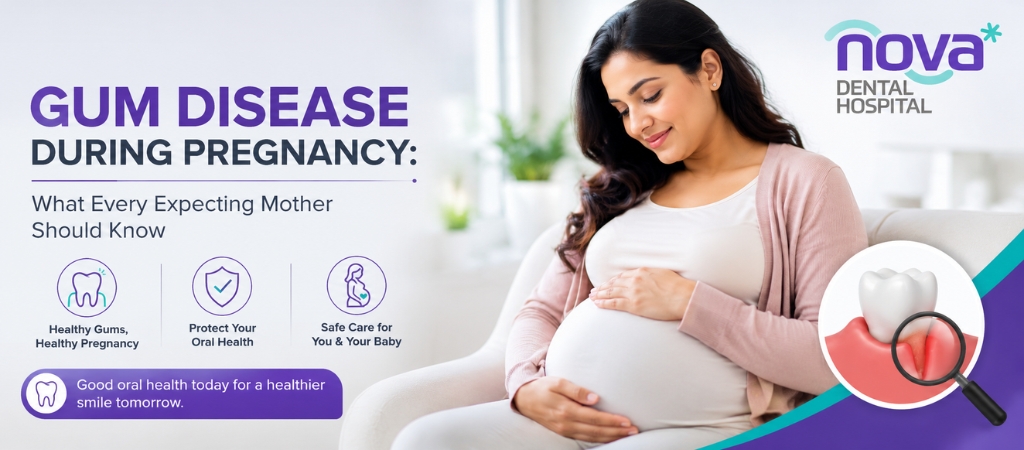
Gum Disease During Pregnancy: What Every Expecting Mother Should Know

Quick Answer
| Gum disease during pregnancy, commonly called pregnancy gingivitis, is caused by rising hormone levels that make gums more sensitive to plaque. It affects a large number of pregnant women, usually starting in the second month and peaking around the eighth month. It is manageable with good oral hygiene and safe, timely dental care, and routine cleanings can be done throughout pregnancy — the second trimester is generally considered the most comfortable window for treatment. |
Quick Summary
| Key Points at a Glance ● Pregnancy hormones increase blood flow to the gums, making them more prone to inflammation. ● Bleeding, swollen, or tender gums are the earliest warning signs. ● Routine dental cleanings and checkups are safe throughout pregnancy. ● The second trimester is usually the most comfortable time for dental treatment. ● Untreated gum disease has been linked in some studies to preterm birth and low birth weight. ● A soft-bristle brush, fluoride toothpaste, and daily flossing help control plaque. ● A pregnancy tumour (a harmless gum lump) can appear but usually shrinks after delivery. ● Informing your dentist and gynaecologist about your pregnancy helps them plan safe care. |
Introduction
Pregnancy brings a wave of physical changes, and the mouth is no exception. Many expecting mothers are surprised to notice their gums bleeding while brushing or flossing for the first time in their lives. This is often an early sign of pregnancy gingivitis, a mild but common form of gum disease triggered by hormonal shifts. While it may feel alarming, pregnancy gingivitis is manageable, and understanding why it happens is the first step toward protecting both your smile and your baby’s health. At Nova Dental Hospital in Gandhinagar, expecting mothers frequently ask whether bleeding gums are “normal” or something to worry about — the honest answer is: it depends on how it’s managed.
Why Pregnancy Affects Your Gums
During pregnancy, levels of progesterone and estrogen rise significantly, increasing blood flow to gum tissue and making it more reactive to the bacteria found in dental plaque. This means that even the same amount of plaque that never bothered your gums before can now trigger redness, swelling, and bleeding. This condition, known as pregnancy gingivitis, typically begins around the second month and tends to peak in the eighth month before easing after delivery.
Expert Insight: “Pregnancy doesn’t cause gum disease on its own — it lowers your gums’ tolerance to plaque. The bacteria were already there; pregnancy just changes how your body responds to them,” explains the dental team at Nova Dental Hospital.
Recognising the Signs of Gum Disease in Pregnancy
Catching gum disease early makes it far easier to manage. Common signs include:
- Gums that bleed during brushing or flossing
- Redness, puffiness, or tenderness along the gumline
- Gums that feel sensitive to hot or cold
- Bad breath that doesn’t improve with brushing
- A localised lump on the gum (a “pregnancy tumour” or pyogenic granuloma), which is non-cancerous and usually painless
A common mistake is assuming that bleeding gums are simply “part of being pregnant” and can be ignored. In reality, persistent bleeding is a signal that plaque control needs to improve — not a symptom to wait out.
Pregnancy Gingivitis vs Periodontitis
| Feature | Pregnancy Gingivitis | Periodontitis |
| Cause | Hormonal sensitivity to plaque | Long-standing, untreated gum inflammation |
| Gum Appearance | Red, swollen, may bleed easily | Receding, gums pulling away from teeth |
| Bone/Tissue Damage | None — reversible | Possible bone and tissue loss |
| Reversibility | Fully reversible with good hygiene | Requires professional periodontal treatment |
| Typical Onset | Second month of pregnancy onward | Develops over months to years if gingivitis is untreated |
Can Gum Disease Affect Your Baby?
This is one of the most common concerns expecting mothers raise. Some research has suggested a link between untreated, more advanced gum disease and outcomes such as preterm birth and low birth weight, though studies have not established this as a direct cause-and-effect relationship. The more established point is that oral bacteria and inflammation are best kept under control during pregnancy as part of overall prenatal wellbeing — not as a source of fear, but as a routine part of care, alongside your regular obstetric checkups.
Expert Insight: “We encourage every expecting mother to treat her dental checkup the same way she treats her prenatal visits — as routine, not optional,” says the clinical team at Nova Dental Hospital.
Is Dental Treatment Safe During Pregnancy?
Yes — with a few practical considerations. Routine cleanings, scaling, and urgent treatments (such as for infection or pain) can be carried out safely throughout pregnancy. Elective procedures are usually postponed until after delivery. Dental X-rays, when necessary, are considered safe with proper abdominal shielding, and your dentist will always coordinate timing with your comfort and medical history in mind.
Trimester-Wise Guidance
| Trimester | Recommended Approach |
| First Trimester | Routine checkups and cleaning are fine; elective treatments are often deferred due to morning sickness and early pregnancy sensitivity. |
| Second Trimester | Generally the most comfortable window for cleanings and necessary treatments. |
| Third Trimester | Urgent care only where possible; long appointments may be uncomfortable in later stages. |
Common Mistakes Expecting Mothers Make
- Skipping dental visits entirely out of fear that treatment isn’t safe.
- Brushing less often because gums bleed, when gentler and more consistent brushing is what’s needed.
- Ignoring a gum lump instead of having it checked, assuming it will simply go away on its own.
- Not informing the dentist about the pregnancy or which trimester they are in before treatment.
Myths vs Facts
| Myth | Fact |
| “You shouldn’t see a dentist while pregnant.” | Routine and necessary dental care is safe throughout pregnancy, especially in the second trimester. |
| “Bleeding gums are normal and need no attention.” | Bleeding is a sign of inflammation that should be managed with better oral hygiene and professional cleaning. |
| “Losing a tooth per pregnancy is inevitable.” | This is an old belief with no basis — with proper care, pregnancy does not cause tooth loss. |
| “Dental X-rays always harm the baby.” | With appropriate shielding, dental X-rays carry minimal risk and are used only when truly necessary. |
Prevention: Protecting Your Gums Through Pregnancy
Good daily habits make the biggest difference in controlling pregnancy gingivitis:
- Brush twice daily with a soft-bristle toothbrush and fluoride toothpaste
- Floss gently once a day to remove plaque between teeth
- Rinse with water after vomiting from morning sickness before brushing, to protect enamel
- Eat a balanced diet with adequate calcium and vitamin C
- Schedule a professional cleaning early in pregnancy and again as advised
Practical Scenario: A first-time mother in her second trimester noticed bleeding while flossing and stopped altogether. Her gums worsened over the following weeks. A professional cleaning combined with a return to gentle daily flossing resolved the bleeding within two to three weeks — illustrating why stopping oral hygiene is counterproductive.
Questions Patients Forget to Ask
- “Which trimester is best for my planned dental treatment?”
- “Do I need to inform you of any pregnancy-related medications before treatment?”
- “Is the gum lump I noticed something that needs removal, or will it resolve after delivery?”
- “What can I do at home if my gums bleed between dental visits?”
Practical Action Plan
- Schedule a dental checkup as soon as you confirm your pregnancy, or early in the first trimester.
- Inform your dentist about your due date, trimester, and any medications or pregnancy complications.
- Maintain gentle, consistent brushing and flossing even if gums bleed initially.
- Book a professional cleaning in the second trimester if gum inflammation is present.
- Report any new gum lumps, persistent bleeding, or pain promptly rather than waiting for your next scheduled visit.
Nova Dental Expert Summary Box
| Nova Dental Expert Summary ● Pregnancy gingivitis is common, hormone-driven, and manageable with consistent oral hygiene. ● Routine dental care is safe throughout pregnancy, with the second trimester being the most comfortable period for treatment. ● Persistent bleeding, swelling, or a gum lump should be evaluated rather than ignored. ● Coordinated care between your dentist and gynaecologist supports both your oral health and overall prenatal wellbeing. |
How Nova Dental Hospital Can Help
Nova Dental Hospital supports expecting mothers in Gandhinagar and Ahmedabad with preventive, family-focused dental care throughout pregnancy. The team emphasises early diagnosis of gum inflammation, personalised treatment planning around each trimester, and clear guidance on safe home care — helping mothers protect their oral health without added worry during this important time.
- Preventive dentistry and routine cleanings tailored for expecting mothers
- Early diagnosis of gum inflammation and pregnancy-related oral changes
- Personalised treatment planning based on trimester and medical history
- Family-focused, patient-first approach to prenatal and postnatal dental care
Key Takeaways
- Pregnancy gingivitis results from hormonal sensitivity to plaque, not poor hygiene alone.
- Bleeding or swollen gums should prompt a dental visit, not avoidance of brushing.
- Dental cleanings and necessary treatments are safe at any stage of pregnancy.
- The second trimester is generally the most comfortable time for non-urgent dental work.
- A pregnancy tumour is usually harmless and often resolves after delivery.
- Good daily oral hygiene remains the single most effective form of prevention.
- Always inform your dental team about your pregnancy and trimester before any procedure.
FAQ Section
1. Why do my gums bleed more during pregnancy?
Rising hormone levels increase blood flow to gum tissue, making it more reactive to plaque and more likely to bleed during brushing or flossing.
2. Is pregnancy gingivitis the same as periodontitis?
No. Pregnancy gingivitis is a milder, reversible form of gum inflammation, while periodontitis involves long-term damage to gum tissue and bone.
3. Can I get my teeth cleaned while pregnant?
Yes, professional dental cleanings are considered safe throughout pregnancy and are often recommended if gums are inflamed.
4. When is the safest time for dental treatment during pregnancy?
The second trimester is generally considered the most comfortable and practical time for routine or necessary dental treatment.
5. Are dental X-rays safe during pregnancy?
When necessary, dental X-rays are considered safe with proper abdominal and thyroid shielding. Your dentist will only recommend them if essential.
6. What is a pregnancy tumour on the gums?
It is a benign, non-cancerous lump (pyogenic granuloma) that can appear on the gums due to hormonal changes. It is usually painless and often shrinks after delivery.
7. Can untreated gum disease affect my baby?
Some studies suggest a possible link between more advanced, untreated gum disease and outcomes like preterm birth, though this is not proven as a direct cause. Managing gum health is still recommended as part of overall prenatal care.
8. Should I stop flossing if my gums bleed?
No. Gentle, consistent flossing actually helps reduce inflammation over time. Stopping oral hygiene tends to make bleeding worse, not better.
9. Does pregnancy gingivitis go away after delivery?
In most cases, yes. Gum inflammation typically improves once hormone levels return to normal after childbirth, especially with continued good oral hygiene.
10. Where can expecting mothers get prenatal dental care in Gandhinagar?
Nova Dental Hospital in Gandhinagar offers checkups and preventive dental care suited to expecting mothers, with treatment planning coordinated around each trimester.

Related posts
Write a Comment
Recent Posts


