


Bleeding Gums: Why It Is Never Normal and What It Is Telling You
Bleeding Gums: Why It Is Never Normal and What It Is Telling You

Most people have seen a little blood when brushing and dismissed it. That dismissal is one of the most consequential mistakes in dental self-care.
The Symptom That Millions of People Are Ignoring
Blood on the toothbrush. A pink tinge in the sink after spitting. A metallic taste while flossing.
The majority of adults who experience these signs do one of two things:
- They brush more gently to avoid the bleeding
- They ignore it entirely
A significant proportion do both.
Both responses are clinically wrong, and both make the underlying problem worse.
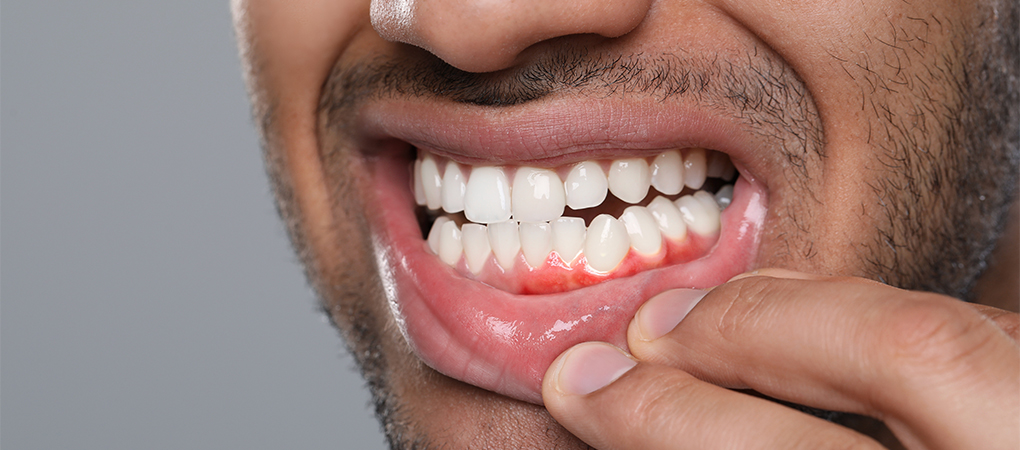
The gums that bleed when brushed are not bleeding because the brush is too hard or the technique is too vigorous.
They are bleeding because they are inflamed.
The tissue is swollen, congested with blood, and fragile in direct response to the bacteria accumulating at the gum line.
Brushing more gently removes less plaque.
Less plaque removal means:
- More bacteria
- More inflammation
- More bleeding
The cycle reinforces itself.
Bleeding gums are one of the most reliable early warning signs in all of dental medicine, and one of the most reliably dismissed.
This guide explains:
- Every cause of gum bleeding
- What the bleeding pattern tells you
- What happens if the problem is ignored
- What treatment at a dental clinic in Gandhinagar actually involves
Key Takeaways
- Healthy gums do not bleed when brushed or flossed.
- The most common cause of bleeding gums is gingivitis.
- Gingivitis is completely reversible.
- Untreated gingivitis can progress to periodontitis.
- Periodontitis is the leading cause of tooth loss in adults.
- Bleeding gums may also be linked to pregnancy, vitamin deficiencies, medications and blood disorders.
- Gum disease is associated with diabetes, cardiovascular disease and adverse pregnancy outcomes.
Why Healthy Gums Do Not Bleed
The Biology of Gum Health
The Healthy Gum Margin
Healthy gum tissue is:
- Pale pink
- Firm
- Closely adapted to the tooth surface
The small groove between the tooth and the gum, called the sulcus, is normally only one to three millimetres deep.
Healthy gums contain a rich blood supply, but the blood vessels are not inflamed or enlarged.
When a toothbrush or floss contacts healthy gum tissue:
- The tissue remains intact
- The surface barrier remains unbroken
- No bleeding occurs
This is normal gum health.
What Inflammation Does to the Gums
When bacterial plaque accumulates along the gum line, the immune system reacts.
This response causes:
- Blood vessel dilation
- Increased blood flow
- Swelling
- Tissue fragility
The important point is this:
The toothbrush is not causing the bleeding.
It is simply revealing inflammation that already exists.
The Gingivitis to Periodontitis Progression
Why Timing Matters
Stage 1: Gingivitis
Reversible Inflammation
Gingivitis is the earliest stage of gum disease.
- Inflammation is limited to the gums
- Bone levels remain normal
- Tooth support structures remain intact
The most important fact about gingivitis is that it is completely reversible.
Stage 2: Early Periodontitis
The Point of No Return
If gingivitis remains untreated, the inflammation extends deeper and begins damaging bone and supporting tissues.
Stage 3: Advanced Periodontitis
Tooth Loss
As bone destruction progresses:
- Teeth become loose
- Deep periodontal pockets form
- Gum abscesses may develop
- Chewing becomes uncomfortable
Gum Disease Progression Overview
| Stage | Bone Loss | Reversible? |
|---|---|---|
| Healthy Gums | No | Maintain with good hygiene |
| Gingivitis | No | Yes |
| Early Periodontitis | Yes | No |
| Moderate Periodontitis | Significant | No |
| Advanced Periodontitis | Severe | No |
Every Cause of Bleeding Gums
1. Gingivitis – The Most Common Cause
Book a professional teeth cleaning appointment.
2. Periodontitis
When Gum Disease Becomes Serious
Professional periodontal treatment becomes necessary.
Related treatment:
Gum Treatment in Gandhinagar
3. Incorrect Brushing Technique
Too Hard Can Be a Problem
Use a soft-bristled toothbrush and proper brushing technique.
4. Pregnancy Gingivitis
Hormonal Changes and Gum Health
Pregnancy hormones can increase the inflammatory response to plaque.
5. Vitamin C Deficiency
A Less Common but Important Cause
Vitamin C is essential for collagen formation and tissue repair.
6. Blood-Thinning Medications
When Bleeding Appears More Dramatic
Blood thinners may make existing inflammation appear more severe.
7. Blood Disorders
Rare but Important
Occasionally, bleeding gums may indicate an underlying medical condition.
8. Bleeding After Starting Flossing
A Common Misunderstanding
Bleeding often improves after one to two weeks of consistent flossing.
The Link Between Gum Disease and Overall Health
Diabetes and Gum Disease
Diabetes and gum disease influence each other in both directions.
Cardiovascular Health
Research has demonstrated associations between periodontal disease and cardiovascular conditions.
Pregnancy Outcomes
Significant periodontal disease has been associated with adverse pregnancy outcomes.
What Happens During a Gum Assessment?
Medical and Dental History
Clinical Examination
Periodontal Pocket Measurements
Radiographic Evaluation
Advanced imaging may be performed at the
CBCT & OPG Imaging Facility.
How Bleeding Gums Are Treated
Professional Teeth Cleaning
Professional Teeth Cleaning in Gandhinagar
Scaling and Root Planing
Scaling and root planing may be required when disease extends beneath the gums.
Periodontal Maintenance
Patients with periodontitis require ongoing maintenance care.
Addressing Contributing Factors
- Improved brushing technique
- Daily flossing
- Smoking cessation
- Nutritional improvements
- Medical evaluation when necessary
Frequently Asked Questions
Is it normal for gums to bleed when brushing?
No.
If my gums bleed, should I stop flossing?
No.
Can bleeding gums heal on their own?
Mild gingivitis may improve, but professional assessment is recommended.
How quickly does gingivitis improve after treatment?
Often within one to two weeks.
Can bleeding gums indicate something serious?
Yes, including periodontitis and certain medical conditions.
Can gum disease cause tooth loss?
Yes.
Conclusion: Bleeding Is a Warning, Not a Normal Part of Brushing
Bleeding gums are remarkably common, but they are not normal.
At Nova Dental Hospital, bleeding gums are treated as an important clinical warning sign rather than a minor inconvenience.
If your gums bleed when brushing, flossing, or eating, the correct response is not to ignore it.
The correct response is to find out why.

Related posts


Write a Comment
Recent Posts


