


Dental Anxiety in Gandhinagar: How Modern Pain-Free Dentistry Makes Treatment Manageable
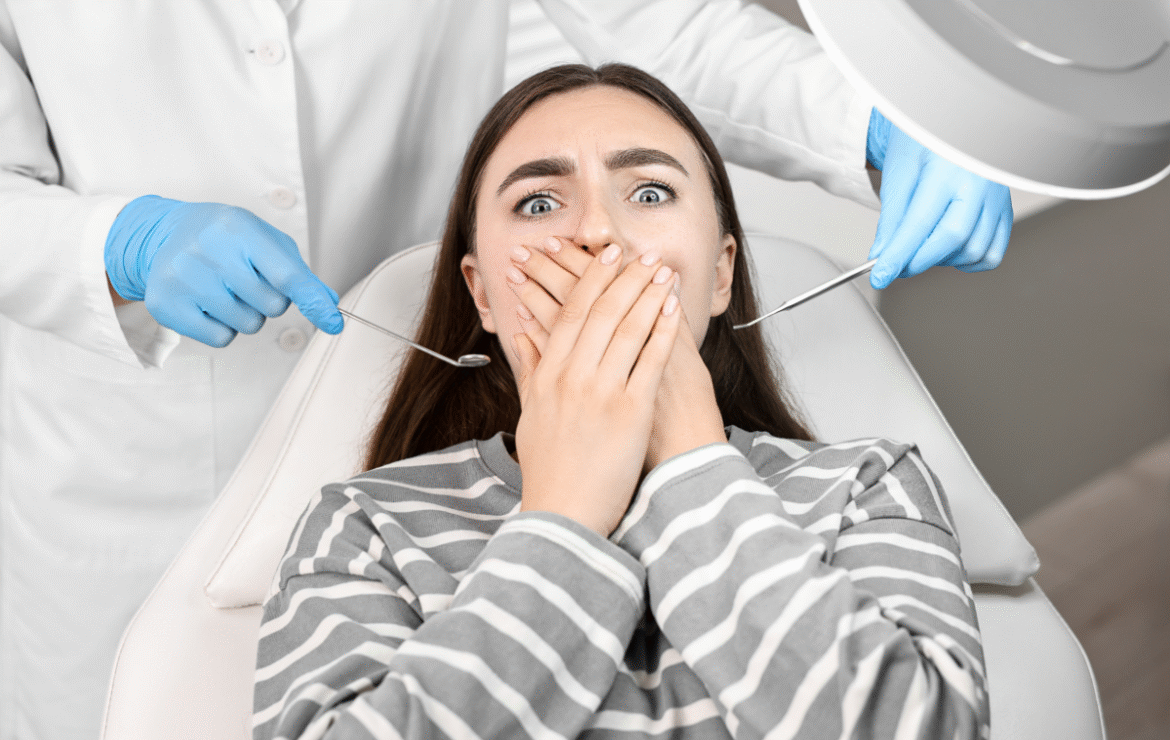
Dental Anxiety in Gandhinagar: How Modern Pain-Free Dentistry Makes Treatment Manageable

Dental anxiety is rarely about weakness. Most fearful patients are responding rationally to previous pain, loss of control, uncertainty, or traumatic dental experiences that the brain has learned to associate with danger.
The Fear That Keeps People Away From the Dentist
Dental anxiety is one of the most common reasons people delay treatment.
Not laziness.
Not irresponsibility.
Not lack of awareness.
Fear.
For some patients, the fear is mild discomfort before an appointment.
For others, it becomes severe enough that they:
- Avoid dental visits for years
- Ignore pain until it becomes unbearable
- Cancel appointments repeatedly
- Experience panic symptoms before treatment
At Nova Dental Hospital, anxious patients are extremely common — and modern dentistry has evolved significantly to make treatment far more comfortable than many people expect.
This is important because avoiding treatment due to fear often creates a damaging cycle:
- Small problems worsen
- More invasive treatment becomes necessary
- Fear increases further
- Delays continue
Modern pain-free dentistry aims to break this cycle before it escalates.
This guide explains:
- Why dental anxiety develops
- Why fear often persists for years
- How modern dentistry has changed
- What “pain-free dentistry” actually means
- Techniques dentists use to reduce fear and discomfort
- What anxious patients can realistically expect during treatment
Key Takeaways
- Dental anxiety is extremely common and often linked to previous painful or traumatic experiences.
- Fear may relate to:
- Pain
- Loss of control
- Needles
- Drilling sounds
- Gag reflexes
- Embarrassment
- Fear of bad news
- Modern dentistry is dramatically more comfortable than older treatment methods due to:
- Improved anaesthesia
- Better instruments
- Digital imaging
- Minimally invasive techniques
- Better communication approaches
- Pain-free dentistry does not mean every procedure is sensation-free, but it does mean modern dentistry can significantly reduce pain, anxiety, and treatment stress.
- Early treatment usually means:
- Less discomfort
- Shorter procedures
- Smaller restorations
- Reduced anxiety overall
Why Dental Anxiety Develops
Dental fear is rarely random.
The brain forms protective associations after unpleasant or stressful experiences.
For many patients, anxiety begins with:
- Painful childhood dentistry
- Inadequate anaesthesia
- Fear-based dental communication
- Traumatic emergency treatment
- Feeling trapped during procedures
Even a single bad experience can create long-term avoidance behaviour.
The brain remembers:
- The sound
- The smell
- The vibration
- The helplessness
- The anticipation
Over time, patients may begin fearing the expectation of pain more than the treatment itself.
Common Types of Dental Anxiety
1. Fear of Pain
This remains the most common concern.
Many anxious adults base their expectations on dental experiences from decades ago, when:
- Anaesthesia was less predictable
- Techniques were rougher
- Communication was poorer
- Procedures were more invasive
Modern dentistry is significantly different.
2. Fear of Needles
Some patients are less afraid of treatment itself and more afraid of injections.
Modern local anaesthesia techniques help minimise discomfort through:
- Topical numbing gel
- Slow anaesthetic delivery
- Fine-gauge needles
- Reduced-pressure injection methods
For many patients, the anticipation is worse than the injection itself.
3. Fear of Loss of Control
Dental treatment places patients in a vulnerable position:
- Reclined chair
- Limited visibility
- Inability to speak normally
- Instruments in the mouth
For anxious patients, this can trigger feelings of helplessness.
At Nova Dental Hospital, communication and pacing become critical parts of anxiety management.
4. Fear of Bad News or Judgment
Some patients delay treatment because they fear being:
- Criticised
- Embarrassed
- Judged for neglect
- Told treatment will be extremely expensive
Ironically, delaying treatment usually increases complexity and cost.
Modern patient-centred dentistry focuses on problem-solving rather than blame.
5. Fear Triggered by Sound and Vibration
The sound of dental drills alone can trigger anxiety in some patients.
This response is deeply conditioned.
Even before discomfort begins, the brain may interpret these sounds as threat signals.
Noise-reduction strategies and calmer pacing can significantly reduce this reaction.
How Modern Dentistry Has Changed
Many fearful adults are reacting to dentistry that no longer exists.
Modern dental care has changed dramatically in:
- Technology
- Comfort
- Precision
- Communication
- Anaesthesia
Improved Local Anaesthesia
Modern anaesthetic techniques are more predictable and effective than older methods.
This allows:
- Better numbness
- Faster onset
- More precise delivery
- Reduced procedural discomfort
At Nova Dental Hospital, pain control is considered foundational rather than optional.
Digital Imaging and Earlier Diagnosis
Modern diagnostics such as:
- Digital X-rays
- OPG imaging
- CBCT scans
allow problems to be detected earlier.
Earlier treatment usually means:
- Smaller procedures
- Less drilling
- Less discomfort
- Better preservation of tooth structure
Related service:
CBCT & OPG Imaging Facility
Minimally Invasive Dentistry
Modern dentistry increasingly focuses on preserving healthy structure.
This means:
- Smaller restorations
- Conservative cavity preparation
- Better bonding materials
- Earlier intervention
Less invasive treatment often translates directly into lower anxiety.
Better Communication
One of the biggest changes in modern dentistry is communication style.
Older dentistry often relied on:
- Authority-based communication
- Minimal explanation
- “Just tolerate it” attitudes
Modern patient-centred care instead focuses on:
- Explaining procedures clearly
- Obtaining consent continuously
- Allowing breaks
- Reducing uncertainty
- Giving patients more control
For anxious patients, predictability significantly reduces fear.
What “Pain-Free Dentistry” Actually Means
The phrase “pain-free dentistry” can sometimes create unrealistic expectations.
No medical procedure can guarantee zero sensation in every circumstance.
What modern pain-free dentistry realistically means is:
- Significant pain reduction
- Better anaesthesia
- Better anxiety control
- Reduced invasiveness
- Greater patient comfort
- More manageable treatment experiences
For most patients, modern dentistry is dramatically easier than anticipated.
Techniques Dentists Use to Reduce Anxiety
1. Gradual Desensitisation
Sometimes treatment begins simply with:
- Consultation
- Examination
- Discussion
- Short appointments
This helps rebuild trust gradually.
2. Tell-Show-Do Communication
This method reduces uncertainty by:
- Explaining the step
- Showing the instrument or sensation
- Performing the procedure
Predictability reduces fear significantly.
3. Topical Anaesthesia
Before injections, numbing gel helps reduce needle discomfort.
This is especially helpful for needle-anxious patients.
4. Shorter Appointments
Long procedures can increase stress and fatigue.
Breaking treatment into shorter visits often improves tolerance dramatically.
5. Control Signals
Many anxious patients feel calmer when they know they can pause treatment at any time.
Simple hand signals help restore a sense of control.
6. Calm Environment and Communication
The dentist’s tone, pacing, and reassurance matter enormously.
Patients often remember:
- Whether they felt heard
- Whether they felt rushed
- Whether their fear was respected
more than the procedure itself.
Why Delaying Treatment Usually Makes Anxiety Worse
Avoidance temporarily reduces fear.
But long term, it usually increases it.
Small problems become:
- Larger cavities
- Infections
- Fractures
- Gum disease
- Emergency pain
Emergency treatment is almost always more stressful than early treatment.
This is why breaking the avoidance cycle early matters so much.
Common Procedures That Are Much Easier Than Patients Expect
Professional Teeth Cleaning
Many patients fear scaling due to sensitivity concerns.
Modern ultrasonic cleaning is usually far more comfortable than expected.
Related service:
Professional Teeth Cleaning
Root Canal Treatment
Modern root canal treatment is significantly different from older perceptions.
In many cases, the infection itself hurts far more than the treatment.
Dental Fillings
Early cavity treatment is usually:
- Fast
- Conservative
- Minimally uncomfortable
Delaying fillings often leads to larger procedures later.
Dental Anxiety in Children
Children often inherit dental fear indirectly from:
- Parents’ anxiety
- Fear-based stories
- Negative expectations
Modern paediatric dentistry focuses heavily on:
- Behaviour guidance
- Gentle communication
- Positive reinforcement
- Trust-building
Related service:
Pediatric Dentistry
Frequently Asked Questions
Is modern dentistry really pain-free?
Modern dentistry is far more comfortable than older treatment methods, though some pressure or vibration sensations may still occur.
What if I panic during treatment?
Dentists experienced with anxious patients use communication techniques, breaks, pacing adjustments, and reassurance to help patients remain comfortable.
Should I tell the dentist I am anxious?
Absolutely.
Knowing about anxiety allows the dental team to adapt communication and treatment pacing appropriately.
Does delaying treatment make things worse?
Usually yes.
Earlier treatment is generally:
- Smaller
- Easier
- Less painful
- Less expensive
Can children develop dental anxiety permanently?
Yes — which is why positive early dental experiences matter enormously.
Conclusion: Fear Should Not Decide Your Dental Future
Dental anxiety is real.
But modern dentistry has evolved dramatically.
For many patients, the greatest surprise is not how painful treatment is — but how manageable it becomes once they finally begin.
At Nova Dental Hospital, anxiety-sensitive dentistry focuses on:
- Communication
- Comfort
- Predictability
- Gentle treatment
- Patient control
- Modern pain management
If fear has delayed your dental treatment, the best first step is often simply a consultation — not necessarily treatment itself.
Because once anxiety is addressed properly, dentistry often becomes far less frightening than the imagination made it seem.

Related posts
Write a Comment
Recent Posts


