


Fluoride Treatments for Children: Do They Really Help and Are They Safe?
Fluoride Treatments for Children: Do They Really Help and Are They Safe?

The evidence on fluoride is among the most robust in all of preventive medicine. The safety concerns parents raise are real questions that deserve real answers, not dismissal.
The Most Debated Topic in Children’s Dentistry
Few topics in paediatric dental care generate as much parental uncertainty as fluoride.
On one side, every major dental and public health organisation in the world recommends fluoride as the single most effective preventive intervention against tooth decay.
On the other side, parents encounter online content raising concerns about fluoride safety, fluoride in water, fluoride supplements, and the cumulative exposure their children receive from multiple sources.
The uncertainty is understandable. Parents are making decisions about what goes into their child’s body, and they are doing so in an information environment where well-intentioned but often inaccurate content sits alongside the peer-reviewed evidence.
The result is that some parents avoid fluoride products entirely, including fluoride toothpaste for young children, a decision that significantly increases their child’s cavity risk.
This guide gives parents the honest, evidence-based answers to the fluoride questions they are actually asking.
It explains:
- What fluoride does to teeth and why it works
- What the different forms of fluoride are and how they differ
- What professional fluoride varnish involves and who benefits most
- What the safety evidence actually shows
- The concerns most commonly raised by parents and how they compare with the scientific evidence
Key Takeaways
- Fluoride prevents tooth decay by strengthening tooth enamel and inhibiting the acid-producing bacteria responsible for decay. It is the single most evidence-based preventive dental intervention available and has been shown to reduce childhood cavities by 20 to 40 percent in population studies.
- Fluoride toothpaste used correctly, twice daily from the first tooth, in the right amount for the child’s age, is the foundation of fluoride protection at home. It is available, inexpensive, and highly effective.
- Professional fluoride varnish, a concentrated fluoride coating applied to the teeth at dental appointments, provides additional preventive benefit beyond toothpaste, particularly for children at elevated decay risk.
- The safety concerns most commonly raised about fluoride, including dental fluorosis, systemic toxicity, and effects on IQ, are each addressable with the evidence. The risks associated with inadequate fluoride protection are significantly greater than the risks of appropriate fluoride use.
- Fluoride supplements (drops or tablets) are not routinely recommended in India because most children receive adequate dietary fluoride through food and beverages. The fluoride varnish applied at dental appointments does not contribute meaningfully to systemic fluoride load.
- The decision about whether a child needs professional fluoride varnish is based on an individual caries risk assessment and is not applied uniformly to every child.
How Fluoride Works: The Science Behind the Prevention
Remineralisation: Reversing Early Decay
Tooth enamel is made primarily of hydroxyapatite, a crystalline calcium phosphate mineral.
When bacteria in plaque metabolise dietary sugars, they produce acid that dissolves this mineral in a process called demineralisation. This is the beginning of tooth decay.
Between acid attacks, saliva provides calcium and phosphate ions that can re-deposit into the demineralised enamel in a process called remineralisation, partially repairing the damage.
Fluoride dramatically accelerates and enhances this remineralisation process.
In the presence of fluoride, the calcium and phosphate in saliva deposit as fluorapatite rather than hydroxyapatite.
Fluorapatite is significantly more resistant to acid dissolution than the original mineral.
A tooth that has undergone fluoride-enhanced remineralisation is more resistant to future acid attack than it was before the demineralisation episode.
This is why fluoride can actually reverse early decay at the white-spot stage before it progresses into a cavity.
Antibacterial Action
At higher concentrations, such as those achieved with professional fluoride varnish, fluoride has a direct antibacterial effect.
It inhibits the enzymes that Streptococcus mutans and other decay-causing bacteria use to metabolise sugars and produce acid.
This reduces the bacterial load in plaque and further reduces the acid production that drives enamel dissolution.
Post-Eruptive Maturation
Newly erupted permanent teeth have enamel that is not yet fully mineralised.
The crystal structure continues to mature and harden during the first two to three years after eruption.
During this period of relative vulnerability, fluoride accelerates the maturation process and helps enamel reach its full hardness and acid resistance sooner.
This is one of the reasons professional fluoride varnish is particularly valuable immediately after the eruption of the first and second permanent molars.
Forms of Fluoride in Children’s Dental Care
Fluoride Toothpaste: The Foundation
Fluoride toothpaste is the primary delivery mechanism for fluoride protection in children and the single most impactful intervention parents can provide at home.
The key variables are:
- Fluoride concentration
- Amount used
- Brushing technique
| Age | Amount | Fluoride Concentration | Technique |
| First tooth to age 2 | Smear (grain of rice size) | 1,000 ppm fluoride | Parent brushes; spit or wipe excess |
| Age 2–6 | Pea-sized amount | 1,000 ppm fluoride | Parent brushes; child assists; spit but don’t rinse |
| Age 6+ | Pea-sized to standard amount | 1,450 ppm fluoride | Child brushes with supervision; spit but don’t rinse |
| High-risk children | Age-appropriate amount | Higher concentrations may be prescribed | Dentist recommendation only |
The spit but don’t rinse technique is clinically important.
Rinsing with water immediately after brushing removes much of the fluoride from the tooth surface and significantly reduces its remineralisation effect.
Leaving a small residual film of fluoride toothpaste on the teeth maximises contact time and improves protection.
For young children who cannot spit reliably, wiping away excess toothpaste is preferable to rinsing with water.
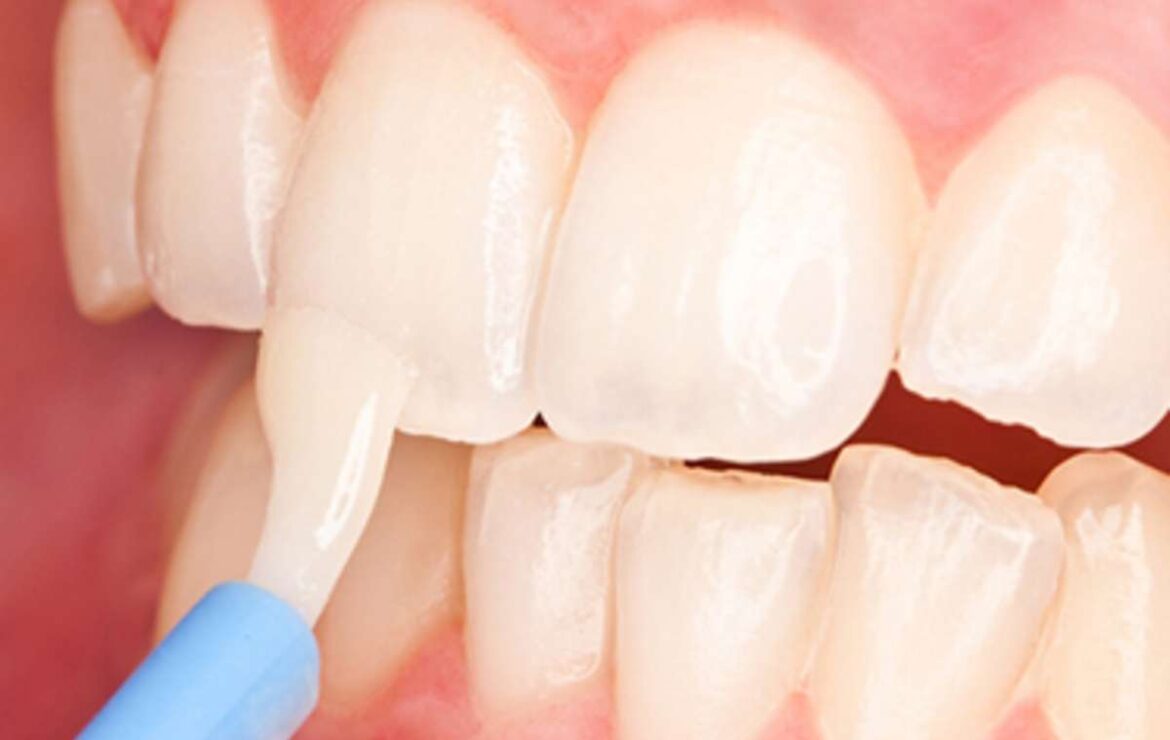
Professional Fluoride Varnish
Professional fluoride varnish is a concentrated sodium fluoride preparation, typically around 22,600 ppm, more than twenty times the fluoride concentration of standard toothpaste.
It is suspended in a resin carrier that adheres to the tooth surface and is applied by the dentist using a small brush.
The varnish sets on contact with saliva and remains attached to the teeth for several hours, providing prolonged fluoride contact with the enamel.
During this period:
- Fluoride is absorbed into the enamel
- Early lesions remineralise
- Fluoride reserves are replenished
- Future acid resistance improves
For low-risk children with excellent oral hygiene and diet, the additional benefit beyond toothpaste may be modest.
For children with:
- Previous cavities
- High sugar intake
- Dry mouth
- Poor oral hygiene
- Elevated caries risk
fluoride varnish every three to six months is strongly supported by evidence.
Fluoride in Water: The Public Health Intervention
Water fluoridation is one of the most extensively studied public health interventions in history.
Population studies consistently show reductions in childhood cavities of approximately 25–40% in fluoridated communities compared with non-fluoridated communities.
In India, fluoride levels vary significantly by region.
Some areas naturally contain higher fluoride concentrations, while others contain lower levels.
Most urban areas of Gujarat have fluoride levels that are considered adequate but not excessive.
Fluoride Supplements: Drops and Tablets
Fluoride supplements are sometimes prescribed in countries where community water supplies contain little or no fluoride.
In India, they are not routinely recommended because most children receive adequate fluoride exposure through diet and beverages.
Supplements should only be used under professional guidance after evaluating the child’s overall fluoride exposure.
Professional Fluoride Varnish: What the Appointment Involves
One of the most common concerns parents have is that fluoride varnish sounds more complicated or invasive than it actually is.
In reality, fluoride varnish is one of the quickest, safest, and easiest preventive procedures performed in paediatric dentistry.
The entire application usually takes only a few minutes and requires:
- No injections
- No drilling
- No anaesthesia
- No discomfort
At a paediatric dental appointment, the dentist first evaluates the child’s cavity risk, oral hygiene, diet, and previous dental history.
Only after this assessment is a recommendation made regarding fluoride varnish. It is not automatically applied to every child.
The Application Process
The procedure itself is straightforward:
- Teeth are dried using gauze or air.
- The fluoride varnish is painted onto the tooth surfaces using a small brush.
- The varnish immediately begins adhering to the enamel.
- The child can usually leave immediately after application.
Because the varnish hardens rapidly in the presence of saliva, cooperation requirements are minimal.
This makes fluoride varnish particularly suitable for:
- Toddlers
- Preschool children
- Children with anxiety
- Children with special healthcare needs
The treatment is typically completed within minutes.
Aftercare Instructions
Following fluoride varnish application:
- Avoid hard, crunchy foods for the remainder of the day.
- Avoid brushing until the following morning unless instructed otherwise.
- Soft foods and liquids are generally acceptable.
- The varnish gradually wears away naturally.
Parents are often surprised at how simple the process is compared with what they imagined.
How Effective Is Fluoride Varnish?
The effectiveness of fluoride varnish has been studied extensively across multiple decades and populations.
Research consistently demonstrates significant reductions in cavity development among children receiving regular fluoride varnish applications.
For children at elevated cavity risk, professional fluoride varnish can reduce caries incidence by approximately 30 to 40 percent when combined with fluoride toothpaste and good oral hygiene practices.
Importantly, varnish is not a substitute for brushing.
Instead, it provides an additional protective layer that complements daily fluoride exposure.
Think of fluoride toothpaste as the foundation and fluoride varnish as an additional reinforcement for children who need greater protection.
The Question Every Parent Asks:
Is Fluoride Safe?
This is where the conversation becomes more nuanced.
Parents are right to ask questions about safety.
The answer, however, depends heavily on:
- Dose
- Exposure route
- Frequency
- Age
- Total fluoride intake
The overwhelming scientific consensus is that fluoride is safe when used appropriately and at recommended levels.
The distinction between appropriate exposure and excessive exposure is critical.
Virtually every substance, including water, vitamins, and minerals, can become harmful at excessive levels.
Fluoride is no different.
The question is not whether excessive fluoride exposure can cause problems.
The question is whether standard dental recommendations create that risk.
The evidence indicates they do not.
Understanding Dental Fluorosis
Dental fluorosis is the most commonly discussed fluoride-related concern.
It occurs when excessive fluoride exposure happens during enamel development, before the teeth erupt.
Fluorosis does not occur in adults because enamel development is complete.
Mild Fluorosis
The vast majority of fluorosis cases are mild.
Typical features include:
- Small white streaks
- Faint white specks
- Slight cosmetic changes
Most parents never notice mild fluorosis unless it is specifically pointed out by a dentist.
Moderate to Severe Fluorosis
Moderate and severe fluorosis are far less common.
These forms may involve:
- Brown staining
- Surface irregularities
- More obvious enamel changes
Such cases are generally associated with prolonged excessive fluoride intake, often from naturally high-fluoride groundwater sources rather than professional fluoride varnish.
Does Fluoride Varnish Cause Fluorosis?
This is one of the most common misconceptions.
Professional fluoride varnish does not significantly contribute to fluorosis risk because:
- It is applied infrequently.
- Most fluoride remains on the tooth surface.
- Systemic absorption is minimal.
- The amount swallowed is extremely small.
Fluorosis risk is primarily associated with chronic ingestion of excessive fluoride during tooth development, not occasional professional applications.
What About Fluoride Toothpaste?
The greater fluorosis concern for young children comes from swallowing large amounts of toothpaste repeatedly over time.
This is why age-specific toothpaste quantities matter:
Under Age 2
A smear roughly the size of a grain of rice.
Ages 2–6
A pea-sized amount.
These recommendations provide substantial cavity protection while minimising unnecessary fluoride ingestion.
Fluoride Toxicity: What Parents Should Know
Acute fluoride toxicity is extremely rare.
The amount of fluoride required to produce serious toxicity is dramatically higher than the amount received through normal brushing or fluoride varnish.
Most safety concerns discussed online do not involve the fluoride exposures associated with standard dental care.
Instead, they typically involve:
- Industrial exposure
- Environmental contamination
- Extremely high groundwater fluoride concentrations
- Experimental settings
These scenarios are fundamentally different from professional dental fluoride use.
The Fluoride and IQ Debate
Few topics generate more online discussion than the relationship between fluoride exposure and cognitive development.
Parents deserve a careful explanation because the headlines often oversimplify complex research.
Some observational studies have reported associations between very high fluoride exposure and lower cognitive scores in certain populations.
However, these studies often involve:
- Fluoride concentrations substantially higher than recommended levels
- Confounding environmental variables
- Differences in nutrition
- Differences in healthcare access
- Differences in socioeconomic status
Association alone does not establish causation.
What Do Major Health Organisations Say?
Major professional organisations continue to support fluoride use at recommended levels, including:
- World Health Organization (WHO)
- American Academy of Pediatric Dentistry (AAPD)
- American Dental Association (ADA)
- FDI World Dental Federation
- Numerous national dental associations
These organisations continuously review emerging evidence and continue to conclude that appropriately used fluoride remains safe and highly beneficial.
The Bigger Risk Most Parents Overlook
When discussing fluoride, it is important to compare risks realistically.
Many parents spend significant time worrying about the theoretical risks of fluoride while underestimating the very real consequences of tooth decay.
Untreated childhood cavities can lead to:
- Pain
- Infection
- Difficulty eating
- Sleep disruption
- School absence
- Emergency dental treatment
- Premature tooth loss
These outcomes are common, measurable, and well documented.
Fluoride exists because tooth decay remains one of the most prevalent chronic childhood diseases worldwide.
How Dentists Decide Whether a Child Needs Fluoride Varnish
Professional fluoride recommendations are based on risk assessment rather than routine application.
Factors considered include:
- Previous cavities
- Visible plaque accumulation
- Oral hygiene quality
- Sugar consumption frequency
- Special healthcare needs
- Orthodontic appliances
- Dry mouth conditions
- Fluoride exposure history
Children at higher risk generally benefit more from professional fluoride interventions than children already at very low risk.
Who Benefits Most from Professional Fluoride Treatments?
Not every child has the same risk of tooth decay.
Some children may remain cavity-free for years with good brushing habits and a balanced diet, while others develop multiple cavities despite seemingly reasonable oral hygiene.
This difference exists because tooth decay risk is influenced by multiple factors.
Professional fluoride treatments provide the greatest benefit for children who have elevated cavity risk.
Children Who Commonly Benefit Most Include:
- Children with previous cavities
- Children with visible plaque accumulation
- Children with high sugar consumption
- Children who snack frequently throughout the day
- Children with poor brushing habits
- Children wearing orthodontic appliances
- Children with enamel defects
- Children with dry mouth conditions
- Children with special healthcare needs
- Children whose permanent molars have recently erupted
For these children, fluoride varnish acts as an additional layer of protection during periods of increased vulnerability.
When Newly Erupted Permanent Teeth Need Extra Protection
One of the most important periods in a child’s dental development occurs when permanent molars first erupt.
Parents often assume that newly erupted teeth are immediately strong.
In reality, newly erupted enamel is still undergoing post-eruptive maturation.
For approximately two to three years after eruption, these teeth remain more susceptible to acid attack and cavity formation.
This is especially true for:
- First permanent molars (around age 6)
- Second permanent molars (around age 12)
Professional fluoride treatments during these periods can significantly improve enamel resistance and reduce future cavity risk.
What Parents Should Do at Home
Professional fluoride treatment works best when combined with strong home care habits.
Fluoride varnish is not a substitute for brushing.
Instead, it complements daily oral hygiene practices.
The Ideal Home Fluoride Protocol
From First Tooth to Age Two
- Brush twice daily
- Use a rice-grain-sized smear of fluoride toothpaste
- Parent performs brushing
- Wipe excess toothpaste if necessary
Ages Two to Six
- Brush twice daily
- Use a pea-sized amount of fluoride toothpaste
- Parent supervision remains important
- Encourage spitting rather than swallowing
Age Six and Older
- Brush twice daily
- Continue fluoride toothpaste use
- Spit but do not rinse after brushing
- Maintain regular dental check-ups
These habits provide the foundation for long-term cavity prevention.
The Importance of “Spit, Don’t Rinse”
One of the most overlooked aspects of fluoride use is what happens after brushing.
Many children brush correctly and then immediately rinse thoroughly with water.
This removes much of the fluoride from the tooth surface.
Dentists often recommend:
Spit, Don’t Rinse
Leaving a small residual amount of fluoride toothpaste on the teeth allows fluoride to continue working after brushing.
This simple adjustment can significantly improve fluoride effectiveness without increasing fluoride exposure.
Fluoride and Diet: Why Sugar Frequency Matters
Parents often focus on how much sugar a child consumes.
In reality, how often sugar is consumed may be even more important.
Each sugary snack or drink creates an acid attack on the enamel.
The more frequently these attacks occur, the less opportunity teeth have to recover through remineralisation.
Higher-Risk Habits Include:
- Frequent juice consumption
- Sipping sweetened beverages throughout the day
- Sticky snacks
- Constant grazing between meals
- Bedtime milk or sweet drinks after brushing
Fluoride helps defend against these acid attacks, but reducing frequency remains an essential part of cavity prevention.
Common Questions Parents Ask
“If My Child Uses Fluoride Toothpaste, Do They Still Need Fluoride Varnish?”
Sometimes yes.
Fluoride toothpaste remains the foundation of protection.
However, children at higher cavity risk often benefit from the additional protection provided by professional fluoride varnish.
The decision depends on the individual risk assessment performed by the dentist.
“Can Fluoride Reverse Cavities?”
Fluoride can reverse very early enamel lesions before a physical cavity develops.
Once a cavity has formed and tooth structure is lost, fluoride cannot rebuild the missing tooth.
At that stage, restorative treatment is usually required.
“Can My Child Get Too Much Fluoride?”
Excessive fluoride exposure is possible.
However, following age-appropriate toothpaste recommendations and professional guidance keeps exposure within safe limits.
The key is correct use rather than avoidance.
“Does Fluoride Varnish Hurt?”
No.
Fluoride varnish application is painless.
There are:
- No injections
- No drilling
- No discomfort
Most children tolerate the procedure extremely well.
“How Often Should Fluoride Varnish Be Applied?”
This depends on cavity risk.
Typical intervals include:
Low-Risk Children
Every 6 to 12 months
Moderate-Risk Children
Every 6 months
High-Risk Children
Every 3 to 6 months
Your dentist will determine the appropriate schedule based on the child’s risk profile.
Frequently Asked Questions
Is fluoride safe for children?
Yes. When used appropriately and according to professional recommendations, fluoride is considered safe and effective by major dental and public health organisations worldwide.
What age should children start using fluoride toothpaste?
From the eruption of the first tooth, using an age-appropriate amount of fluoride toothpaste.
Does fluoride varnish prevent all cavities?
No preventive treatment is 100% effective.
However, fluoride varnish significantly reduces cavity risk, particularly in children with elevated susceptibility to tooth decay.
Is fluoride varnish better than fluoride toothpaste?
No.
They serve different purposes.
Fluoride toothpaste provides daily protection, while fluoride varnish offers additional concentrated protection during dental visits.
Should every child receive fluoride varnish?
Not necessarily.
The recommendation depends on an individual cavity risk assessment rather than a one-size-fits-all approach.
Final Thoughts: Evidence Over Fear
Few preventive interventions in healthcare have been studied as extensively as fluoride.
The evidence consistently shows that appropriate fluoride use:
- Strengthens enamel
- Reduces cavities
- Supports developing permanent teeth
- Lowers the burden of childhood dental disease
At the same time, parents deserve honest answers about safety, dosage, and appropriate use.
The goal is neither blind acceptance nor unnecessary fear.
The goal is informed decision-making based on evidence.
For most children, fluoride toothpaste remains the cornerstone of cavity prevention.
For higher-risk children, professional fluoride varnish provides an additional level of protection that can substantially reduce future treatment needs.
When used correctly, fluoride remains one of the safest, most effective, and most valuable tools available in modern paediatric dentistry.
Conclusion
Fluoride treatments are not about exposing children to unnecessary chemicals.
They are about strengthening teeth before problems develop.
Used appropriately, fluoride helps:
- Protect enamel
- Prevent cavities
- Support healthy permanent teeth
- Reduce the need for future dental treatment
At Nova Dental Hospital, fluoride recommendations are based on individual risk assessment, evidence-based guidelines, and the specific needs of each child.
The objective is simple:
Healthier teeth, fewer cavities, and a more comfortable dental future for every child.

Related posts
Write a Comment
Recent Posts


