


Dental Implants in Gandhinagar: A Complete Guide for Patients Considering Treatment
Dental Implants in Gandhinagar: A Complete Guide for Patients Considering Treatment

Why Dental Implants Have Become the Standard for Replacing Missing Teeth
A missing tooth is not simply a gap in the smile. It is the beginning of a biological process — bone resorption, adjacent tooth drift, bite changes — that, left unmanaged, progressively compromises the health and function of the surrounding teeth and jaw.
As covered in the blog on implants versus dentures versus bridges, dental implants are the only tooth replacement option that addresses the root cause of this process by replacing the tooth root itself.
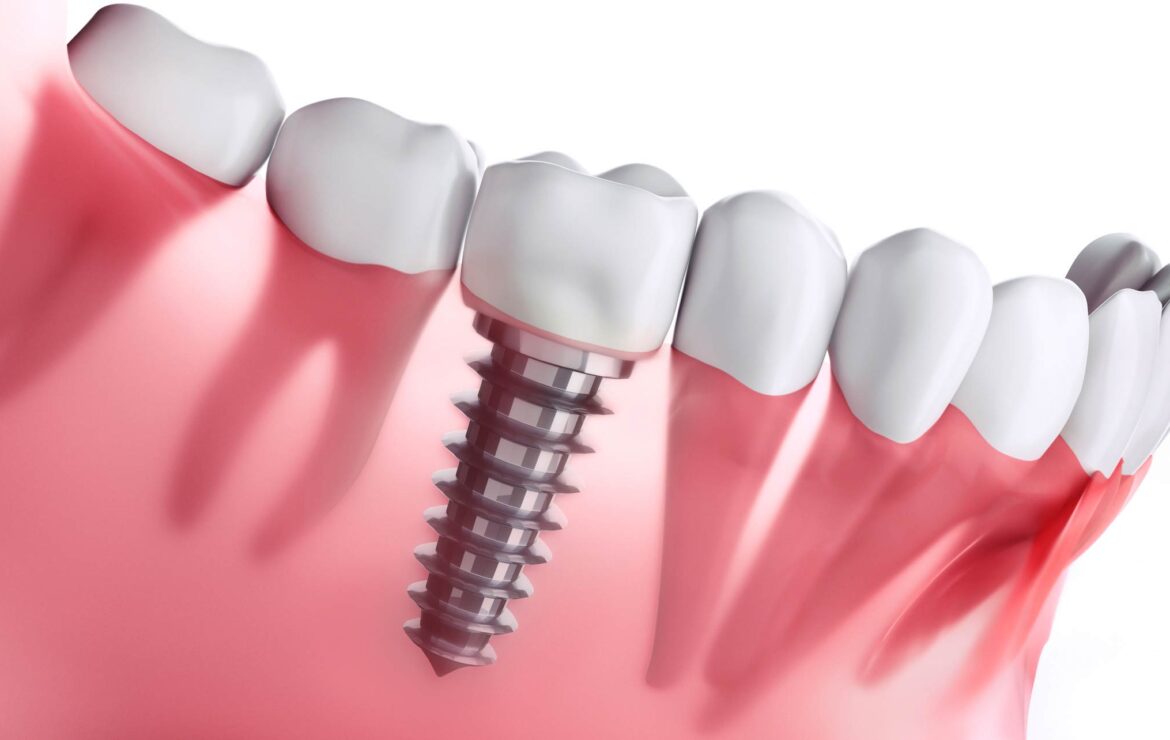
A dental implant is a titanium fixture placed surgically into the jawbone, integrating with the bone over a healing period and then supporting a ceramic crown that looks, feels, and functions like a natural tooth.
It is the closest clinical equivalent to a natural tooth that modern dentistry can provide — and unlike a bridge (which requires preparation of adjacent teeth) or a denture (which sits on the gum surface), an implant is entirely self-supporting and has no impact on the surrounding teeth.
For patients considering dental implants in Gandhinagar, understanding the process before treatment begins is critical.
This guide explains:
- The implant procedure step by step
- Healing timelines
- CBCT planning
- Bone grafting
- Implant candidacy
- Long-term maintenance
- Costs and value considerations
What Exactly Is a Dental Implant?
A complete dental implant consists of three components.
1. The Implant Fixture
A titanium screw placed into the jawbone that replaces the root of the missing tooth.
2. The Abutment
The connector piece that links the implant to the final crown.
3. The Crown
The visible ceramic tooth placed above the gumline.
At Nova Dental Hospital, implant systems are selected based on long-term reliability, precision, and bone compatibility.
Why Implants Are Different From Bridges and Dentures
Dental Bridges:
- Require grinding adjacent healthy teeth
- Do not preserve jawbone
- Usually need replacement over time
Dentures:
- Rest on the gums
- May move during eating or speaking
- Accelerate bone shrinkage over time
Dental Implants:
- Preserve bone
- Function independently
- Feel closest to natural teeth
- Offer long-term stability
Related reading:
Dental Implants vs Dentures vs Bridges
The Implant Procedure: Step by Step
Step 1: Consultation and Assessment
The first appointment determines:
- Whether you are a suitable candidate
- Bone availability
- Gum health
- Bite condition
- Medical considerations
At Nova Dental Hospital, implant consultations include clinical examination and imaging assessment.
Step 2: CBCT 3D Imaging
Modern implant planning depends heavily on 3D diagnostics.
CBCT and OPG imaging allows the dentist to evaluate:
- Bone width
- Bone height
- Bone density
- Nerve position
- Sinus location
This dramatically improves surgical precision and safety.
Step 3: Treatment Planning
A complete treatment plan includes:
- Implant system selection
- Implant size
- Crown design
- Need for bone grafting
- Healing timeline
- Cost breakdown
At Nova Dental Hospital, patients receive written treatment planning before surgery.
Step 4: Implant Placement Surgery
The implant fixture is surgically placed into the jawbone under local anaesthesia.
The procedure usually involves:
- Gum access
- Bone preparation
- Implant placement
- Suturing
- Healing instructions
Most single implants take approximately 30–60 minutes.
Contrary to common fear, most patients report the procedure is significantly easier than expected.
Step 5: Healing and Osseointegration
The healing phase is where the bone bonds to the implant surface.
Typical healing timeline:
- Lower jaw: ~3 months
- Upper jaw: ~4–6 months
This biological bonding process is called osseointegration.
Without successful osseointegration, implants fail.
Step 6: Abutment and Crown Placement
Once healing is complete:
- The abutment is attached
- Impressions or scans are taken
- The ceramic crown is fabricated
For aesthetic restorations, high-quality crowns and bridges are essential for natural appearance and bite function.
Who Is a Good Candidate for Dental Implants?
Ideal Candidates Typically Have:
- Adequate bone volume
- Healthy gums
- Good oral hygiene
- Controlled medical conditions
- Non-smoking or reduced smoking habits
Conditions That Need Additional Assessment
Smoking
Smoking significantly increases implant failure risk.
Diabetes
Controlled diabetes is generally manageable. Poorly controlled diabetes increases healing complications.
Bone Loss
Many patients who believe they “cannot get implants” may still qualify with bone grafting.
What Happens if There Is Not Enough Bone?
Bone loss after tooth extraction is common.
Solutions May Include:
- Socket preservation grafts
- Guided bone regeneration
- Sinus lift procedures
These procedures increase available bone for future implant placement.
Why CBCT Imaging Matters So Much
Traditional 2D imaging cannot fully map:
- Bone thickness
- Nerve pathways
- Sinus anatomy
This is why CBCT imaging has become the modern standard for implant planning.
At Nova Dental Hospital, the in-house CBCT facility allows:
- Faster diagnosis
- Integrated planning
- More precise implant positioning
Why Patients Choose Dental Implants in Gandhinagar
Patients increasingly seek implant treatment in Gandhinagar because they can access:
- International implant systems
- Advanced imaging
- Modern protocols
- Lower costs compared to Western countries
At Nova Dental Hospital, implant planning follows internationally accepted protocols while remaining significantly more affordable than treatment in the UK, US, or UAE.
Types of Implant Solutions Available
Single Tooth Implants
Replace one missing tooth independently.
Multiple Implants
Replace several missing teeth.
Implant-Supported Bridges
Support multiple teeth using fewer implants.
Full Mouth Rehabilitation
Advanced implant-supported reconstruction for extensive tooth loss.
Related service:
Full Mouth Rehabilitation
Implant-Retained Dentures
Provide greater stability than traditional removable dentures.
Related service:
Dentures Treatment
Long-Term Advantages of Dental Implants
Bone Preservation
Implants stimulate bone like natural roots.
Bite Stability
They prevent drifting and collapse of adjacent teeth.
Longevity
Well-maintained implants can last decades.
Confidence
Patients regain chewing efficiency, speech confidence, and smile aesthetics.
Are Dental Implants Worth the Cost?
Although implants cost more initially than bridges or dentures, they often become more cost-effective over the long term because:
- They preserve bone
- They avoid repeated replacement cycles
- They protect adjacent teeth
- They function more naturally
Questions to Ask Before Choosing an Implant Dentist
Important Questions Include:
- Which implant system is used?
- Is CBCT planning included?
- Is bone grafting needed?
- What is the healing timeline?
- What maintenance is required?
- What experience does the surgeon have?
Choosing the best dental clinic in Gandhinagar means evaluating standards, not marketing slogans.
Frequently Asked Questions
Is the implant procedure painful?
Implant placement is performed under local anaesthesia and is generally well tolerated.
How long does the process take?
Most straightforward cases take 5–8 months from assessment to final crown.
Can smokers get implants?
Yes, but smoking significantly increases risk.
How long do implants last?
With good maintenance, implants may last decades.
Does Nova Dental Hospital offer implant treatment for NRI patients?
Yes.
Conclusion: Dental Implants Are an Investment in Long-Term Oral Health
Dental implants are no longer considered a luxury treatment.
They are now the gold standard for replacing missing teeth because they:
- Preserve bone
- Restore function
- Improve aesthetics
- Protect surrounding teeth
- Offer long-term stability
At Nova Dental Hospital, implant treatment combines:
- Advanced CBCT planning
- International implant systems
- Comprehensive diagnostics
- Transparent treatment planning
- Long-term maintenance guidance
If you are considering dental implants in Gandhinagar, a proper consultation and CBCT-based assessment is the best place to begin.

Related posts


Write a Comment
Recent Posts


