


What Causes Black Spots on Teeth & How to Remove Them
What Causes Black Spots on Teeth & How to Remove Them

Discovering black spots on your teeth can be alarming and unsettling, whether you notice them while brushing, see them in photographs, or have someone point them out. These dark discolorations range from barely visible specks to prominent dark areas that significantly affect your smile’s appearance and may signal underlying dental problems requiring immediate attention. Understanding what causes these black spots, whether they represent serious decay or treatable staining, and how to effectively remove them is crucial for maintaining both your oral health and confidence in your smile.
At Nova Dental Hospital in Gandhinagar, we help patients throughout areas near PDPU and Gift City identify the dental staining causes behind their tooth discoloration and provide comprehensive solutions for dark spots on teeth removal. From professional teeth cleaning for external stains to cavity treatment Gandhinagar services for decay-related spots, our experienced team offers personalized tooth decay treatment that addresses both the aesthetic concern and any underlying health issues threatening your teeth.
Understanding Black Spots on Teeth: What They Are and Why They Matter
Black spots on teeth Gandhinagar patients notice can have multiple causes ranging from harmless surface staining to serious tooth decay requiring urgent treatment. Before exploring solutions, understanding the different types of tooth discoloration and what they indicate helps you recognize when to seek professional care at a dental clinic near me.
The Difference Between Surface Stains and Decay
Not all black spots signal the same problem, and distinguishing between external staining and internal decay is crucial for appropriate treatment. Surface stains, also called extrinsic stains, affect only the outer enamel layer and typically result from accumulated pigments from foods, beverages, tobacco, or poor oral hygiene. These stains usually appear as dark spots, streaks, or overall discoloration that doesn’t feel different from surrounding enamel when you run your tongue over them. Surface stains respond well to professional teeth cleaning and don’t indicate underlying tooth damage.
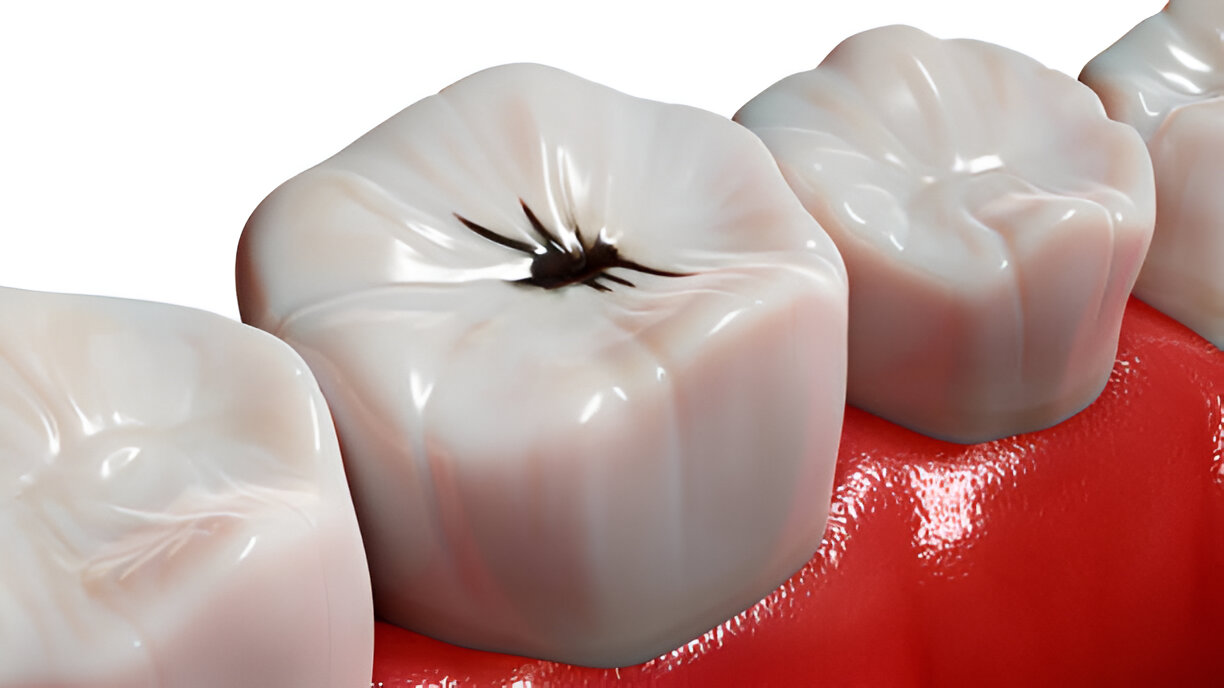
Intrinsic discoloration originates from within the tooth structure itself, often signaling decay, trauma, or developmental issues. When black spots represent cavities, they indicate that bacteria have breached the protective enamel layer and are destroying tooth structure beneath. These decay spots often feel rough or sticky when probed with a dental instrument or your tongue, may be accompanied by sensitivity or pain, and progressively worsen if left untreated. Unlike surface stains that can be polished away, cavities require restorative tooth decay treatment including removal of infected tissue and filling placement.
The critical distinction is that surface stains are cosmetic concerns that don’t threaten tooth health, while decay-related black spots represent active disease destroying your tooth that will continue progressing without intervention. Both deserve attention, but cavities require urgent cavity treatment Gandhinagar to prevent tooth loss and more extensive, expensive treatment needs.
Why Black Spots Appear: Common Dental Staining Causes
Understanding the various dental staining causes helps you identify the most likely source of your black spots and take appropriate preventive measures. Tooth decay represents the most serious cause of black spots on teeth. When bacteria in plaque produce acids that dissolve tooth enamel, they create cavities that appear as white spots in early stages but darken to brown or black as decay progresses deeper into the tooth. These spots typically develop in areas where plaque accumulates easily—between teeth, along the gumline, in grooves and pits on chewing surfaces, and around existing dental work like fillings or crowns.
External staining from foods and beverages creates black or dark brown spots that accumulate over time. Coffee, tea, red wine, dark sodas, berries, soy sauce, tomato-based products, and balsamic vinegar all contain intense pigments that gradually stain tooth enamel. If you regularly consume these items without promptly rinsing or brushing, stains accumulate and darken, creating visible spots particularly on front teeth where they’re most noticeable.
Tobacco use causes some of the most stubborn black spots and overall tooth discoloration. Both smoking and chewing tobacco introduce tar and nicotine that penetrate tooth enamel, creating persistent brown and black staining. These tobacco stains are notoriously difficult to remove even with professional cleaning, often requiring multiple treatments or advanced whitening procedures.
Tartar buildup, also called dental calculus, appears as yellow, brown, or black deposits on teeth near the gumline. Tartar forms when plaque—the sticky bacterial film constantly forming on teeth—isn’t removed through regular brushing and flossing and hardens into a cement-like substance that only professional teeth cleaning can eliminate. Black tartar indicates old, heavily stained deposits that have accumulated over time.
Certain medications cause tooth discoloration including black spots. Liquid iron supplements commonly prescribed for anemia can stain teeth dark brown or black, particularly in children. Some antibiotic syrups, chlorhexidine mouthwash used for treating gum infections, and other medications produce staining that requires professional removal.
Dental fluorosis from excessive fluoride exposure during childhood tooth development can create white, yellow, or brown spots and, in severe cases, black staining. While fluoride strengthens teeth and prevents decay, too much during the years when enamel forms causes cosmetic changes to tooth appearance.
Trauma to teeth from injuries can cause internal bleeding and tissue death inside the tooth, leading to darkening that appears as gray, brown, or black discoloration spreading from within. Teeth that have been bumped, hit, or injured may darken weeks, months, or even years after the initial trauma as internal structures break down.
Old dental work including silver amalgam fillings can create black spots or gray shadows visible through translucent enamel, particularly on front teeth. While the filling itself isn’t decaying, the metal shows through or stains surrounding tooth structure, creating aesthetic concerns.
Diagnosing Black Spots: Professional Evaluation at a Dental Clinic Near Me
When you notice black spots on teeth Gandhinagar, professional evaluation at a dental clinic near me provides accurate diagnosis distinguishing between harmless staining and serious decay requiring treatment.
What Happens During Your Examination
Your diagnostic appointment begins with a thorough visual examination where your dentist carefully inspects all tooth surfaces under bright light, looking for discoloration patterns, checking texture and hardness of suspicious spots, evaluating gum health around affected teeth, and assessing overall oral hygiene and plaque accumulation. This visual inspection reveals obvious cavities, tartar deposits, and severe staining.
Tactile examination using a dental explorer—a small hooked instrument—allows your dentist to probe suspicious areas, checking whether spots feel soft and sticky (indicating decay) or hard like surrounding enamel (suggesting staining). Decayed areas give way slightly under gentle pressure, while stains and healthy enamel remain firm.
Dental X-rays provide crucial information about decay beneath tooth surfaces not visible during visual examination. X-rays reveal cavities between teeth, decay beneath existing fillings, and extent of damage beneath black spots. Areas of decay appear darker on X-rays than healthy tooth structure, helping your dentist assess treatment needs.
Advanced diagnostic tools like cavity detection dyes that highlight areas of decay, laser cavity detection devices that measure tooth density, and intraoral cameras allowing detailed photography of suspicious areas may be used for thorough evaluation. These technologies catch decay in earliest stages when treatment is simplest and most conservative.
Dr. Happy Patel and our team at Nova Dental Hospital use comprehensive diagnostic approaches ensuring accurate identification of all black spots on teeth, whether they represent staining requiring cosmetic treatment or decay necessitating restorative cavity treatment Gandhinagar.
Understanding Your Diagnosis and Treatment Needs
After examination, your dentist explains findings clearly, describing what’s causing your black spots, whether treatment is necessary and, if so, what options exist, the urgency of treatment, and expected outcomes. This transparency helps you make informed decisions about your care.
For spots diagnosed as surface staining, professional teeth cleaning typically provides effective dark spots on teeth removal without need for restorative treatment. For cavities, prompt treatment prevents progression requiring more extensive, expensive procedures. Understanding your diagnosis motivates appropriate action protecting your oral health and smile aesthetics.
Removing Black Spots From Teeth: Treatment Solutions
The appropriate treatment for dark spots on teeth removal depends entirely on their cause. Understanding available options for both staining and decay helps you appreciate what your specific situation requires.
Professional Teeth Cleaning for Stain Removal
When black spots result from external staining or tartar buildup, professional teeth cleaning at our dental clinic provides effective removal. This thorough cleaning involves scaling to remove hardened tartar deposits from all tooth surfaces and beneath the gumline using ultrasonic instruments that vibrate at high frequency breaking up calculus, and hand instruments that carefully scrape away remaining deposits. Tartar removal often dramatically improves tooth appearance since dark brown and black calculus obscures natural tooth color.
Polishing follows scaling, using a mildly abrasive paste and rubber cup or brush to buff away surface stains and plaque. This polishing removes staining that accumulated despite regular brushing, leaving teeth smooth and noticeably brighter. The combination of scaling and polishing addresses most external black spots on teeth Gandhinagar patients experience, providing immediate aesthetic improvement.
For particularly stubborn staining, advanced stain removal techniques including air polishing using a fine powder spray that gently removes deep stains, and ultrasonic cleaning with specialized tips designed for stain elimination may be employed. These methods remove stains that resist standard polishing.
Regular professional teeth cleaning every six months prevents tartar accumulation and removes emerging stains before they become established, maintaining your smile’s brightness and preventing the black spots from recurring.
Cavity Treatment for Decay-Related Black Spots
When black spots represent tooth decay, restorative cavity treatment Gandhinagar becomes necessary to remove infected tissue and restore tooth structure. The standard cavity treatment procedure involves administering local anesthesia to numb the tooth and surrounding tissues ensuring complete comfort, removing all decayed tooth structure using dental drills or laser technology, cleaning and preparing the cavity for filling material, and placing tooth-colored composite filling material that’s shaped, hardened with a special light, and polished to blend seamlessly with natural teeth.
Modern tooth-colored fillings match your natural tooth shade, so repaired areas are virtually invisible. The filling restores tooth structure, prevents further decay, eliminates sensitivity, and improves appearance by replacing dark decay with natural-looking restoration material.
For extensive decay where significant tooth structure has been lost, more comprehensive restorations including inlays, onlays, or crowns may be necessary to adequately rebuild and protect the tooth. Your dentist recommends the most appropriate restoration based on decay extent and tooth location.
Untreated cavities progressively worsen, eventually reaching the tooth’s inner pulp containing nerves and blood vessels. At this advanced stage, root canal treatment becomes necessary to save the tooth. Addressing black spots caused by decay promptly with cavity treatment prevents progression to this more extensive, expensive scenario.
Professional Teeth Whitening for Overall Discoloration
If black spots are accompanied by overall tooth yellowing or dullness, professional teeth whitening complements stain removal for comprehensive smile brightening. In-office whitening treatments use high-concentration bleaching gel to lighten tooth color several shades in a single appointment, while take-home whitening kits with custom trays allow gradual whitening over several weeks.
Whitening works well for teeth stained by foods, beverages, age, and tobacco. However, it doesn’t remove decay, tartar, or all types of intrinsic staining. Professional cleaning precedes whitening to ensure optimal results, and any cavities must be treated before whitening since bleaching gel can cause severe sensitivity if it reaches decay or tooth pulp.
Dental Bonding or Veneers for Persistent Staining
Some types of tooth discoloration, particularly intrinsic stains from medications, fluorosis, or trauma, don’t respond to cleaning or whitening. In these cases, cosmetic solutions including dental bonding using tooth-colored composite resin to cover discolored areas, or porcelain veneers—thin shells covering front tooth surfaces—provide effective camouflage. These treatments mask stubborn black spots that can’t be removed through other methods, creating uniformly white, attractive smiles.
Preventing Black Spots: Protecting Your Teeth Long-Term
Once your black spots on teeth are treated, preventing recurrence through consistent preventive care maintains your results and protects your oral health.
Essential Daily Oral Hygiene
Excellent home care forms the foundation of prevention. Brush thoroughly twice daily for two full minutes using proper technique with a soft-bristled brush and fluoride toothpaste. Pay special attention to areas where black spots previously existed, along the gumline where tartar accumulates, and chewing surfaces with grooves where decay often starts. Floss daily to remove plaque from between teeth where your toothbrush can’t reach—a common location for black spot development.
Rinse with water after consuming staining foods and beverages to wash away pigments before they adhere to enamel. Using an antimicrobial mouthwash once daily reduces bacteria that contribute to plaque formation and decay, further protecting against black spots.
Dietary Choices Affecting Tooth Color
Being mindful about consumption of staining substances helps prevent external black spots. Limit coffee, tea, red wine, and dark sodas, or drink them through straws minimizing tooth contact. When you do consume staining foods or beverages, rinse immediately with water or brush within 30 minutes if possible. Choose lighter-colored foods when practical and include crunchy vegetables like apples, carrots, and celery that naturally clean teeth while stimulating saliva production.
Reduce sugar and acidic food consumption since these substances promote decay. Bacteria feed on sugars producing acids that dissolve enamel, creating the cavities that appear as black spots. Frequent snacking maintains acidic oral environments ideal for decay development. Limiting between-meal snacks and choosing sugar-free options protects teeth.
Regular Professional Care
Schedule dental checkups and professional teeth cleaning every six months at a dental clinic near me. These appointments allow early detection of emerging decay when treatment is simplest, professional removal of tartar and stains before they become established, monitoring of previously treated areas ensuring problems don’t recur, and reinforcement of proper oral hygiene techniques. Prevention is far more comfortable and economical than treating advanced decay or extensive staining.
Tobacco Cessation
If you use tobacco products, quitting is essential for preventing black spots and maintaining overall oral health. Tobacco causes stubborn staining requiring frequent professional cleaning, dramatically increases decay and gum disease risk, and compromises treatment success. Your dentist can provide resources and support for tobacco cessation, and eliminating this habit dramatically improves your smile’s appearance and health.
Special Considerations for Children With Black Spots
Black spots on children’s teeth warrant particular attention since primary teeth deserve care despite being temporary. Common causes in children include early childhood cavities from prolonged bottle use, frequent juice or milk consumption, inadequate brushing, liquid iron supplement staining (particularly on front teeth), and developmental enamel defects creating vulnerable areas.
Parents should schedule regular pediatric dental visits starting by age one or when the first tooth erupts, ensure children brush twice daily with appropriate fluoride toothpaste amounts, limit sugary drinks and snacks, and seek prompt evaluation of any black spots noticed. Treating cavities in primary teeth prevents pain, infection, and premature tooth loss that can affect permanent tooth alignment and development.
When Black Spots Constitute Dental Emergencies
While most black spots don’t represent emergencies, certain accompanying symptoms warrant immediate evaluation at a dental clinic near me. Seek prompt care if black spots are accompanied by severe, persistent tooth pain, significant swelling of gums or face, fever suggesting infection has spread, visible pus or drainage around the affected tooth, or sudden appearance of multiple black spots. These signs indicate active infection or rapidly progressing decay requiring urgent tooth decay treatment to prevent serious complications.
Conclusion: Expert Solutions for Black Spots on Teeth
Whether your black spots on teeth result from treatable staining or represent cavities requiring restoration, effective solutions exist for both aesthetic improvement and oral health protection. Understanding the cause of your tooth discoloration and seeking appropriate treatment at a dental clinic near me ensures optimal outcomes.
At Nova Dental Hospital in Gandhinagar, we provide comprehensive diagnostic services identifying all dental staining causes, professional teeth cleaning for stain removal, expert cavity treatment for decay-related spots, and preventive guidance maintaining your smile’s health and brightness.
Don’t let black spots undermine your smile confidence or oral health. Schedule your evaluation today for accurate diagnosis and effective dark spots on teeth removal. Our experienced team serves patients throughout Gandhinagar including areas near PDPU and Gift City, providing personalized care that addresses both the cosmetic concern and any underlying problems affecting your teeth.
Contact Nova Dental Hospital to transform your smile and protect your oral health through expert diagnosis and treatment of black spots on teeth.
Frequently Asked Questions
Are black spots on teeth always cavities, or can they be harmless stains?
Black spots on teeth Gandhinagar can be either cavities or harmless external stains, which is why professional evaluation is essential. Surface stains from coffee, tea, tobacco, or tartar buildup appear dark but feel smooth and hard like surrounding enamel. These respond to professional teeth cleaning without requiring restorative treatment. Cavities, however, represent actual tooth decay where bacteria have destroyed enamel and dentin. Decay spots often feel rough or sticky, may cause sensitivity or pain, and progressively worsen without cavity treatment Gandhinagar. A dentist distinguishes between staining and decay through visual examination, tactile testing with instruments, and X-rays revealing decay beneath surfaces. Don’t assume black spots are “just stains”—only professional examination can determine whether they’re cosmetic concerns or serious decay requiring urgent treatment.
Can I remove black spots from my teeth at home?
Home remedies cannot effectively or safely remove established black spots on teeth, whether they’re stains or decay. While consistent brushing and flossing prevent new spots from forming, they won’t eliminate existing discoloration. Over-the-counter whitening products have minimal effect on black spots since these typically require professional-strength treatments. Home remedies like baking soda, charcoal, or acidic substances may damage enamel without removing stubborn stains. Most importantly, if black spots represent decay rather than staining, no home treatment will remove the infection—cavities require professional tooth decay treatment including removal of diseased tissue and filling placement. Attempting home treatment delays necessary care, allowing decay to worsen. Professional teeth cleaning effectively removes external stains, while cavities require restorative treatment only dentists can provide. Save time, money, and your teeth by seeking professional dark spots on teeth removal rather than ineffective home attempts.
How quickly do black spots from cavities progress if left untreated?
Decay progression varies significantly among individuals based on factors including oral hygiene quality, diet (particularly sugar consumption), saliva composition and flow, fluoride exposure, and genetic susceptibility. Some cavities progress rapidly over months, while others advance slowly over years. However, all untreated decay eventually worsens—the question is timeline, not whether progression occurs. Small black spots representing early decay can expand to large cavities destroying significant tooth structure within six months to a year without treatment. Once decay reaches the tooth’s inner pulp, severe pain, infection, abscess formation, and potential tooth loss follow. Early cavity treatment Gandhinagar when black spots first appear is far simpler, more comfortable, and less expensive than addressing advanced decay requiring root canals, crowns, or extraction. Don’t gamble on how fast your decay might progress—seek prompt evaluation and treatment.
Will professional teeth cleaning remove all types of black spots?
Professional teeth cleaning effectively removes black spots caused by external staining including coffee, tea, wine, and tobacco stains; tartar (calculus) deposits; and accumulated surface discoloration from poor oral hygiene. Scaling and polishing eliminate these external spots, often dramatically improving smile appearance. However, cleaning cannot remove black spots caused by tooth decay, intrinsic stains from medications or trauma, developmental defects like fluorosis, or discoloration from old dental work. These conditions require different interventions—cavities need fillings, intrinsic stains might need bonding or veneers, and old restorations may require replacement. During your appointment at a dental clinic near me, your dentist identifies what’s causing your black spots and recommends appropriate treatment, which might be simple cleaning or could involve additional procedures for comprehensive resolution.
How can I prevent black spots from returning after treatment?
Preventing recurrence of black spots on teeth requires consistent preventive care tailored to what caused your original spots. If black spots were cavities, prevent future decay through excellent oral hygiene (brushing twice daily, daily flossing), reducing sugar consumption, using fluoride toothpaste, and scheduling regular dental checkups catching new decay early. If spots were external stains, prevent recurrence by limiting staining beverages or using straws, rinsing after consuming pigmented foods, quitting tobacco use, maintaining excellent oral hygiene preventing tartar accumulation, and scheduling professional teeth cleaning every six months. For medication-related staining, discuss alternatives with your physician if possible, or accept that professional cleaning will be needed more frequently. Regardless of cause, regular professional care at a dental clinic near me provides ongoing stain removal and early decay detection, preventing black spots from becoming established problems requiring extensive treatment.

Related posts


Write a Comment
Recent Posts


