


How Can I Make My Dental Whitening Results Last Longer?
How Can I Make My Dental Whitening Results Last Longer?

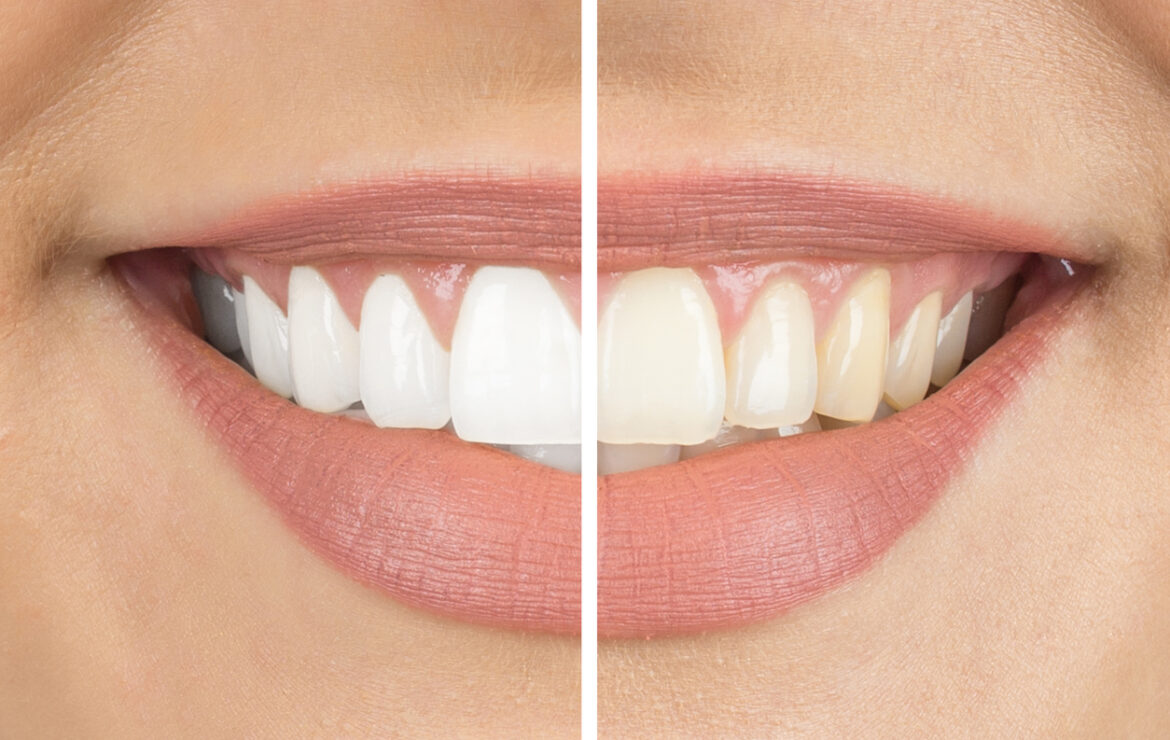
Investing in professional teeth whitening transforms your smile, but maintaining those brilliant results requires ongoing care and attention. If you’re wondering how to protect your investment and keep your teeth looking their whitest, understanding the factors that affect whitening longevity and implementing smart maintenance strategies makes all the difference. Making teeth whitening last longer isn’t complicated, but it does require commitment to certain habits and lifestyle choices that preserve your bright smile.
At Nova Dental Hospital in Gandhinagar, we help patients near PDPU and Gift City achieve beautiful white smiles through professional cosmetic dentistry treatments. However, our care doesn’t end when you leave the chair with newly whitened teeth. We provide comprehensive teeth whitening tips and guidance on whitening maintenance so you can enjoy your results for as long as possible. With the right approach, you can significantly extend the life of your whitening treatment and minimize how often you need touch-ups.
Understanding What Affects Whitening Longevity
Before diving into specific strategies for making teeth whitening last longer, it’s important to understand what causes whitening results to fade over time. This knowledge helps you appreciate why certain recommendations matter and motivates you to follow through with maintenance practices.
Your daily diet significantly impacts how long whitening results last. Certain foods and beverages contain chromogens—pigmented molecules that attach to tooth enamel and cause discoloration. Coffee, tea, red wine, dark sodas, berries, tomato-based sauces, soy sauce, and curry are among the most notorious culprits. The frequency and quantity of consumption directly correlate with how quickly your teeth regain stains. Even with professional whitening, regularly bathing your teeth in staining substances will gradually diminish that bright appearance.
Tobacco use, whether smoking or chewing, dramatically accelerates the return of tooth discoloration. Tar and nicotine in tobacco products create stubborn brown and yellow stains that penetrate deep into tooth enamel. If you use tobacco, your whitening results will fade much faster than non-users—sometimes within just a few months. This reality makes tobacco cessation one of the most impactful steps for making teeth whitening last longer while simultaneously improving your overall health.
Your oral hygiene habits directly influence whitening maintenance. Plaque and tartar buildup on teeth creates a rough surface that attracts and holds stains more readily than clean, smooth enamel. Regular brushing and flossing remove surface stains before they have a chance to set into the tooth structure. Patients who maintain excellent oral hygiene consistently enjoy longer-lasting whitening results compared to those with inconsistent dental care routines.
Natural aging processes gradually affect tooth color regardless of whitening. As we age, the outer enamel layer thins, revealing more of the yellowish dentin layer beneath. Additionally, years of microscopic cracks and wear accumulate in enamel, providing places for stains to lodge. While you can’t stop aging, understanding this process helps you set realistic expectations and appreciate that periodic touch-ups are a normal part of maintaining a bright smile throughout your life.
Individual tooth characteristics vary from person to person. Some people naturally have more porous enamel that absorbs stains more readily, while others have denser enamel that resists discoloration better. Your natural tooth color and the thickness and translucency of your enamel all influence how long whitening results last. This variation explains why some patients maintain brightness for years while others need more frequent maintenance despite similar care habits.
Essential Teeth Whitening Tips for Daily Care
The foundation for making teeth whitening last longer lies in your daily oral care routine. These fundamental practices protect your investment and keep your smile looking its best between professional treatments.
Brush your teeth thoroughly at least twice daily using proper technique and a soft-bristled toothbrush. Spend two full minutes cleaning all tooth surfaces, paying particular attention to areas along the gumline where stains often accumulate. Use gentle circular motions rather than aggressive scrubbing, which can damage enamel and make teeth more susceptible to staining. An electric toothbrush with a pressure sensor can help you maintain optimal brushing technique while preventing damage from excessive force.
Use fluoride toothpaste to strengthen enamel and protect against decay, but consider incorporating whitening toothpaste strategically into your routine. Whitening toothpastes contain mild abrasives that help remove surface stains before they become embedded. However, don’t use whitening toothpaste exclusively, as the abrasive ingredients can gradually wear down enamel if overused. Instead, alternate between regular fluoride toothpaste and whitening toothpaste, or use whitening formulas just a few times per week. This balanced approach provides gentle stain removal without compromising enamel integrity.
Floss daily without exception. Flossing removes plaque and food particles from between teeth where your toothbrush can’t reach. Neglecting these areas allows stains to accumulate on the sides of teeth, creating a dingy appearance that undermines your whitening results. If traditional floss feels difficult to use, try floss picks, interdental brushes, or water flossers—any method you’ll actually use consistently is better than avoiding flossing altogether.
Rinse your mouth with water after consuming anything that might stain your teeth. This simple habit, which takes just 30 seconds, washes away residue before it can adhere to enamel. When you can’t brush immediately after eating or drinking, swishing water provides a helpful interim measure. Some patients keep a water bottle handy specifically for this purpose, making it easy to rinse throughout the day.
Consider using an antibacterial mouthwash once daily to reduce bacteria that contribute to plaque formation. Less plaque means smoother tooth surfaces that resist staining better. Choose an alcohol-free formula to avoid dry mouth, which can actually increase staining risk by reducing the protective effects of saliva.
Strategic Dietary Choices for Making Teeth Whitening Last Longer
While you don’t need to completely eliminate all staining foods and beverages, being strategic about consumption significantly extends whitening results. These teeth whitening tips help you enjoy your favorite foods while minimizing their impact on tooth color.
When drinking staining beverages like coffee, tea, or red wine, use a straw to minimize contact with your front teeth. Position the straw toward the back of your mouth so liquid bypasses the most visible tooth surfaces. This technique dramatically reduces how much pigmented liquid touches your teeth. While it may feel unusual at first, many patients find this habit becomes second nature quickly, especially when they notice how much longer their whitening lasts.
Limit the frequency of staining food and beverage consumption rather than just the quantity. Your teeth have more opportunity to recover between exposures if you consume coffee once in the morning rather than sipping it throughout the day. Constant exposure maintains a staining environment in your mouth, while spacing out consumption gives your saliva time to neutralize acids and wash away pigments.
Follow staining foods or drinks with crunchy vegetables or dairy products that help clean teeth naturally. Apples, carrots, and celery have a mild scrubbing effect that removes some surface residue. Cheese and milk contain calcium and proteins that strengthen enamel and may help prevent stains from adhering. These foods don’t replace brushing but provide helpful interim cleaning between meals.
Stay hydrated throughout the day by drinking plenty of water. Adequate hydration maintains healthy saliva production, and saliva is one of your mouth’s natural defenses against staining. Saliva washes away food particles and pigments, neutralizes acids, and contains minerals that help protect and remineralize tooth enamel. Drinking water also rinses your teeth between meals, removing debris that might otherwise cause discoloration.
When you do indulge in highly staining foods, try to brush within 30 minutes afterward if possible. This timing allows you to remove residue before it sets while avoiding brushing immediately after consuming acidic foods, which can damage temporarily softened enamel. If you’ve had something acidic like wine or citrus, rinse with water immediately but wait at least 30 minutes before brushing.
Professional Maintenance for Optimal Whitening Results
While home care forms the foundation for making teeth whitening last longer, professional support from a dental clinic Gandhinagar plays a crucial role in extending your results and maintaining optimal oral health.
Schedule regular professional cleanings every six months, or more frequently if recommended by your dentist. Professional cleanings remove plaque and tartar buildup that home care misses, polishing your teeth to a smooth finish that resists staining. The hygienist can also remove surface stains that have accumulated since your last visit, refreshing your smile’s brightness. These appointments represent one of the most effective investments in whitening maintenance because they address issues before they become significant problems.
Discuss touch-up treatments during your dental visits. Most patients benefit from periodic whitening touch-ups to maintain their desired shade. The frequency depends on your lifestyle, habits, and how quickly your teeth tend to stain. Some people need touch-ups every few months, while others maintain results for a year or more between treatments. Your dentist Gandhinagar can assess your teeth and recommend an appropriate maintenance schedule based on your individual situation.
Professional take-home whitening kits provide convenient options for whitening maintenance between in-office treatments. These custom-fitted trays and professional-grade whitening gel allow you to refresh your smile at home according to your schedule. Many patients use take-home kits every few months to maintain their brightness, finding this approach more convenient and economical than frequent in-office treatments. The custom trays ensure even whitening and proper gel placement, producing better results than over-the-counter products.
Have your teeth evaluated before special events when you want your smile looking its absolute best. If you have a wedding, job interview, photo session, or other important occasion approaching, schedule a touch-up treatment two to four weeks beforehand. This timing ensures your teeth look brilliant while allowing any temporary sensitivity to resolve before your big day.
Lifestyle Changes That Support Long-Lasting Whitening
Beyond specific oral care practices, certain lifestyle modifications significantly impact your success in making teeth whitening last longer. These changes benefit not only your smile but often your overall health as well.
Quit smoking and using tobacco products if you currently use them. This single change has the most dramatic impact on preserving whitening results. Tobacco stains are among the most stubborn and fastest-accumulating types of discoloration. Quitting immediately stops this relentless staining process. Beyond cosmetic benefits, tobacco cessation reduces your risk of gum disease, oral cancer, heart disease, and numerous other serious health conditions. Your dental team can provide resources and support for quitting, and the improvement in your smile’s brightness serves as visible motivation for maintaining your tobacco-free status.
Reduce or eliminate consumption of the most staining beverages if you’re serious about maintaining brilliant whiteness. If you drink multiple cups of coffee or tea daily, consider reducing to one cup or switching to lighter varieties like white tea or green tea, which stain less than black tea. Some patients find that gradually cutting back makes the transition easier than attempting to quit completely. Every reduction helps extend your whitening results.
Manage stress through healthy coping mechanisms. Stress contributes to teeth grinding and jaw clenching, which can wear down enamel and make teeth more vulnerable to staining. Stress also sometimes leads to neglecting oral hygiene or increasing consumption of coffee and other staining substances. Developing healthy stress management practices—exercise, meditation, adequate sleep, counseling—protects your teeth along with your overall wellbeing.
Stay consistent with your oral care routine even when traveling, during holidays, or when your schedule becomes hectic. These are precisely the times when many people neglect their dental care, and the temporary lapse can undo weeks of careful whitening maintenance. Pack travel-sized oral care products, set phone reminders if needed, and prioritize your oral health even during busy or unusual periods.
Products and Tools for Whitening Maintenance
Various products can support your efforts toward making teeth whitening last longer, though not all are equally effective or necessary. Understanding which tools provide value helps you make informed choices.
Whitening toothpastes available at any dental clinic near me can help maintain results when used appropriately. These products contain mild abrasives that polish away surface stains and sometimes include low concentrations of whitening agents. However, they’re most effective for maintenance rather than achieving significant color change. Choose products bearing dental association approval seals to ensure safety and effectiveness. Remember to use these products in moderation to avoid enamel wear from excessive abrasion.
Electric toothbrushes generally clean more effectively than manual brushes, removing more plaque and surface stains. The consistent motion and built-in timers help ensure you brush for the full recommended two minutes. Many models include pressure sensors that prevent you from brushing too aggressively, protecting your enamel from damage. Investing in a quality electric toothbrush supports both whitening maintenance and overall oral health.
Water flossers complement traditional flossing by using pressurized water to clean between teeth and along the gumline. These devices effectively remove food particles and plaque, helping prevent the buildup that leads to discoloration. Water flossers are particularly helpful for people with braces, bridges, or difficulty using traditional floss. However, they should supplement rather than replace regular flossing for most people.
Whitening pens and strips provide convenient options for touch-ups between professional treatments. These over-the-counter products contain lower concentrations of whitening agents than professional treatments but can help maintain brightness. Use them according to package directions and don’t expect dramatic results—their role is maintaining existing whiteness rather than achieving significant color change. Consult your dentist before using over-the-counter whitening products to ensure they’re appropriate for your teeth and won’t interfere with your professional treatments.
Straw cups and tumblers with built-in straws make it easy to minimize tooth contact when drinking staining beverages. Investing in an attractive reusable cup you enjoy using encourages the healthy habit of drinking through a straw. Choose a straw long enough to position liquid toward the back of your mouth rather than directly across your front teeth.
Understanding Touch-Up Treatments and Their Role
Even with excellent care, whitening results naturally fade over time, making periodic touch-ups an expected part of long-term whitening maintenance. Understanding when and how to approach touch-ups helps you maintain your desired brightness indefinitely.
The need for touch-ups varies widely among individuals based on lifestyle, habits, and tooth characteristics. Some patients maintain satisfactory brightness for a year or more, while others notice fading within a few months. Rather than following a rigid schedule, pay attention to your teeth and schedule touch-ups when you’re no longer satisfied with their color. Most people naturally notice when their smile isn’t as bright as they’d like, and that awareness is a good indicator that it’s time for refreshing.
Professional in-office touch-ups typically take less time than initial whitening treatments. Because your teeth are already significantly lightened, achieving your desired shade requires less intensive treatment. These quick appointments conveniently fit into busy schedules and provide immediate results for special occasions or simply when you want your smile refreshed.
Take-home whitening kits provided by your dental clinic Gandhinagar offer flexible maintenance options. After your initial professional whitening, you may receive custom trays and can purchase additional whitening gel as needed. Using these for a night or two every few months often maintains your brightness effectively. This approach puts you in control of your whitening maintenance and is typically more economical than repeated in-office treatments.
Don’t over-whiten in pursuit of unnaturally bright teeth. Excessive whitening can damage enamel, increase sensitivity, and actually make teeth appear more translucent and gray rather than bright white. Work with your cosmetic dentistry provider to maintain a natural-looking shade that complements your complexion and features. The goal is a beautiful, believable smile rather than artificially perfect teeth.
Special Considerations for Long-Term Whitening Success
Certain situations require additional awareness when making teeth whitening last longer. These special considerations help you navigate challenges and maintain optimal results.
If you have dental restorations like crowns, veneers, or bonding on visible teeth, understand that these materials don’t respond to whitening treatments. Your natural teeth will lighten while restorations maintain their original color. If you plan to replace old restorations or get new ones, complete your whitening first so restorations can be matched to your newly brightened teeth. Otherwise, restorations may no longer match after whitening and might require replacement for aesthetic consistency.
Medications including certain antibiotics, antihistamines, and blood pressure medications can cause tooth discoloration. If you take medications regularly, discuss with both your physician and dentist whether they might affect your tooth color and whether alternatives exist. In some cases, managing medication-related discoloration requires more frequent professional treatments rather than relying solely on home maintenance.
Dental problems like new cavities, gum disease, or enamel erosion affect both your oral health and your whitening results. Maintaining regular checkups at Nova Dental Hospital ensures these issues are caught early before they compromise your smile’s appearance. Healthy teeth maintain whiteness better than teeth with decay or disease.
Age-related changes in tooth structure are inevitable and affect whitening longevity. As enamel naturally thins with age and teeth develop microscopic cracks, they become more prone to staining and may not respond to whitening as dramatically as younger teeth. This doesn’t mean older adults can’t achieve beautiful results, but expectations should account for natural aging processes. Dr. Happy Patel can discuss realistic goals based on your individual dental condition.
Building Sustainable Habits for Lasting Results
The key to making teeth whitening last longer lies in developing sustainable habits that you can maintain long-term. Temporary efforts produce temporary results, while consistent practices preserve your investment indefinitely.
Start with manageable changes rather than attempting to overhaul your entire lifestyle immediately. Choose one or two teeth whitening tips to implement first, such as using a straw for coffee or brushing after breakfast. Once these become habits, add additional practices gradually. This incremental approach increases your likelihood of maintaining changes permanently rather than abandoning overly ambitious plans.
Track your progress and results by taking photos every few months. Visual documentation helps you notice gradual changes in tooth color that might otherwise go undetected. Seeing proof that your maintenance efforts are working provides motivation to continue. If you notice brightness fading despite good habits, photos help you and your dentist assess whether it’s time for a touch-up treatment.
Create systems that support your goals. Keep a toothbrush and toothpaste at work for midday brushing. Set phone reminders for evening oral care if you tend to forget when tired. Purchase a special water bottle for rinsing after staining foods. Small logistical changes remove barriers to following through on healthy habits.
Be patient with yourself when you occasionally slip. Everyone has days when they drink too much coffee, skip flossing, or forget to rinse after a staining meal. These occasional lapses won’t destroy your whitening results if you generally maintain good habits. Simply return to your routine rather than allowing temporary setbacks to derail your efforts entirely.
Conclusion: Your Guide to Lasting Whitening Success
Making teeth whitening last longer requires commitment to daily care, strategic dietary choices, regular professional maintenance, and sometimes lifestyle modifications. However, these efforts are manageable when approached systematically, and the reward—a bright, confident smile that lasts—makes them worthwhile. Understanding what affects whitening longevity and implementing evidence-based maintenance strategies significantly extends the life of your professional whitening treatment.
At Nova Dental Hospital in Gandhinagar, serving patients near PDPU and Gift City, we support your whitening journey from initial treatment through long-term maintenance. Our team provides personalized teeth whitening tips based on your lifestyle, habits, and goals. We help you develop realistic maintenance plans and remain available for touch-up treatments when you need them.
If you’re considering professional whitening or want guidance on maintaining your existing results, we invite you to schedule a consultation. We’ll assess your smile, discuss your objectives, and create a comprehensive plan that includes not only achieving your desired brightness but maintaining it for years to come. Your beautiful white smile is an investment in yourself, and we’re committed to helping you protect that investment through expert care and ongoing support.
Frequently Asked Questions
How often should I get professional touch-ups to maintain whitening results?
Touch-up frequency varies significantly among individuals based on lifestyle and habits. Patients who avoid staining foods, don’t use tobacco, and maintain excellent oral hygiene might need professional touch-ups only once or twice yearly. Those who regularly consume coffee, tea, or wine, or who smoke, typically need more frequent maintenance—every three to six months. Rather than following a rigid schedule, pay attention to your teeth and schedule touch-ups when you’re no longer satisfied with their brightness. Your dentist Gandhinagar can assess your individual situation and recommend an appropriate maintenance schedule during regular checkups.
Will using whitening toothpaste daily keep my teeth white?
Whitening toothpaste helps remove surface stains and can contribute to maintaining whitening results, but it shouldn’t be your only maintenance strategy. These products contain mild abrasives that polish teeth, removing some discoloration before it becomes embedded. However, they don’t change your tooth’s intrinsic color the way professional treatments do. Additionally, daily use of abrasive whitening toothpaste can gradually wear down enamel. A better approach is alternating between regular fluoride toothpaste and whitening formulas, using whitening toothpaste just a few times weekly. Combine this with good oral hygiene, smart dietary choices, and professional maintenance for comprehensive whitening care.
Do I need to give up coffee completely to keep my teeth white?
You don’t necessarily need to eliminate coffee entirely, though reducing consumption helps extend whitening results. If you can’t imagine life without coffee, implement strategies that minimize staining—drink through a straw positioned toward the back of your mouth, consume coffee in one sitting rather than sipping throughout the day, rinse with water immediately after drinking, and brush within 30 minutes if possible. Adding milk or cream to coffee makes it less staining than black coffee. Some dedicated coffee lovers accept that they’ll need more frequent touch-up treatments as the trade-off for enjoying their daily cup. Discuss your priorities with your cosmetic dentistry provider to develop a realistic maintenance plan.
Can natural remedies help maintain teeth whitening results?
While some natural remedies are promoted for teeth whitening, most lack scientific evidence for effectiveness and some can actually harm teeth. Brushing with baking soda, activated charcoal, or lemon juice might seem appealing but can damage enamel through excessive abrasion or acidity. These homemade approaches don’t replace professional whitening or proven maintenance methods. If you’re interested in natural approaches, focus on eating crunchy vegetables that gently clean teeth, staying well-hydrated to support saliva production, and avoiding staining foods—these safe, natural strategies genuinely support making teeth whitening last longer without risks associated with unproven remedies.
Why do my teeth seem to stain faster after whitening?
Your teeth aren’t actually more prone to staining after professional whitening, but you may notice discoloration more readily because you’re comparing against your brightest baseline. When teeth are newly whitened, any deviation from that brilliant shade is immediately apparent, whereas before treatment you had adjusted to gradually yellowing teeth. Additionally, the whitening process temporarily makes enamel slightly more porous, creating increased vulnerability to staining during the first 48 hours after treatment. Following the “white diet” during this critical period and then maintaining good habits prevents this temporary increased susceptibility from causing lasting staining issues.

Related posts
Write a Comment
Recent Posts


