


What to Expect at a Dental Check-Up in Gandhinagar at Nova Dental Hospital, Gandhinagar
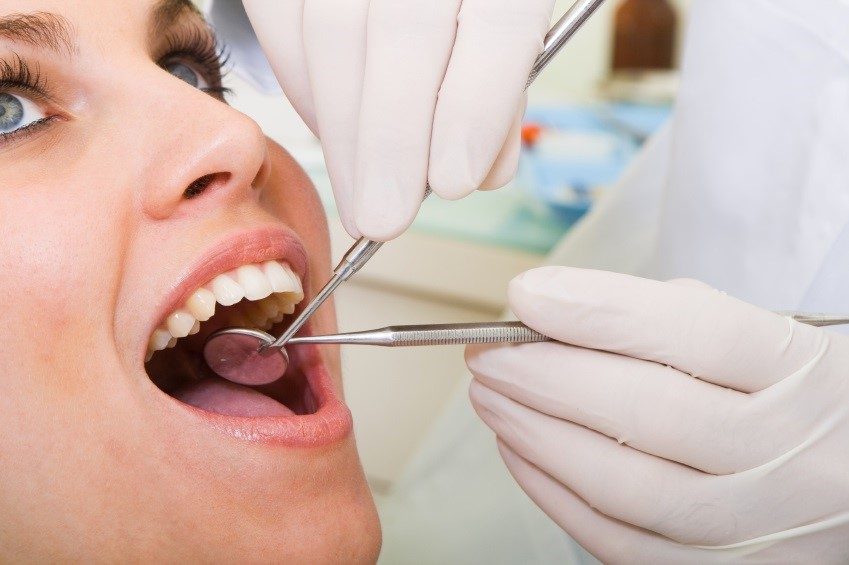
What to Expect at a Dental Check-Up in Gandhinagar at Nova Dental Hospital, Gandhinagar

The Appointment Most People Postpone, and Why That Is a Mistake
The dental check-up is the most frequently postponed health appointment in India. People who see their physician annually, service their car every six months, and renew prescriptions on time often go years between dental visits, not because they think their teeth are healthy, but because nothing hurts and the appointment feels optional.
It is not optional.
A thorough dental check-up at Nova Dental Hospital is not a quick glance at obvious teeth. It is a structured diagnostic process that identifies problems long before they become painful:
- Decay that has not yet reached the nerve
- Gum disease causing silent bone loss
- Failing fillings or crowns
- Bite problems causing structural wear
- Jaw joint dysfunction
- Early oral pathology
The check-up is where minor issues are found while they are still simple, affordable, and manageable.
A cavity caught today may need a filling. Left another year, it may need a painless root canal treatment. Mild gum inflammation today may become advanced periodontal disease later.
This is why routine check-ups are less about “cleaning teeth” and more about preventive strategy.
Why a Dental Check-Up Matters More Than Most Patients Realise
Most serious dental problems begin silently.
Tooth decay does not always hurt early.
Gum disease can progress without pain.
Bone loss can advance before visible tooth movement.
Oral pathology can develop before discomfort.
By the time pain begins, treatment is often more invasive.
A Proper Check-Up Helps Detect:
- Hidden cavities
- Early gum disease
- Bone loss
- Bruxism (teeth grinding)
- Cracked teeth
- Bite imbalance
- Oral cancer warning signs
At a trusted dental clinic in Gandhinagar, the goal is not simply reacting to pain. It is intercepting problems before they escalate.
Before You Arrive: What to Prepare
Most patients underestimate how important their own information is.
Your Medical History and Medications Matter
Your oral health is connected to your broader health.
Important details include:
- Diabetes
- Pregnancy
- Blood thinners
- Smoking
- Blood pressure medications
- Osteoporosis medications
- Teeth grinding
These factors affect:
- Healing
- Gum disease risk
- Implant planning
- Radiograph safety
- Treatment timing
If you are considering procedures like dental implants, these details become even more clinically important.
Symptoms to Mention, Even If They Seem Minor
Patients often assume the dentist will automatically find everything.
Some issues are easier to diagnose when symptoms are described clearly.
Mention:
- Sensitivity to cold, hot, sweet, or pressure
- Bleeding gums
- Persistent bad breath
- Jaw clicking
- Morning headaches
- Loose-feeling teeth
- Bite changes
- Mouth ulcers lasting over two weeks
Even “small” clues can reveal larger biological patterns.
What to Tell Your Dentist That Most Patients Do Not
“I grind my teeth.”
This may indicate bruxism. Related reading:
Bruxism, Headaches & Jaw Pain
“I haven’t had a check-up in years.”
This is not embarrassing. It simply changes the diagnostic depth required.
“I’m anxious.”
This helps the team adapt pacing and communication.
“I smoke.”
Smoking directly affects gum treatment outcomes.
The Check-Up, Step by Step
Step 1: Reception and Registration
At Nova Dental Hospital, digital records include:
- Medical history
- Treatment history
- Radiographs
- Clinical notes
This creates continuity instead of fragmented care.
Step 2: Consultation and Clinical Conversation
Before examination begins, your dentist discusses:
- Symptoms
- Medical history
- Medications
- Cosmetic concerns
- Functional concerns
- Anxiety
At Dr. Happy Patel’s practice, this conversation shapes the examination itself.
Step 3: Radiographic Assessment (X-rays)
Around 40% of dental surfaces are not visible clinically.
X-rays help detect:
- Decay between teeth
- Bone loss
- Root infections
- Failing restorations
- Impacted teeth
Advanced Imaging:
This is especially valuable for:
- Implants
- Wisdom teeth
- Root canal planning
- Complex pathology
Step 4: Tooth-by-Tooth Examination
Every tooth is assessed for:
- Cavities
- Existing fillings
- Crown margins
- Wear
- Cracks
- Mobility
- Colour changes
- Vitality
Step 5: Gum (Periodontal) Assessment
The gums are examined using pocket depth measurements.
Healthy:
1–3 mm
4 mm+:
Possible periodontal disease
This determines whether routine cleaning is enough or whether deeper
teeth scaling treatment
or periodontal intervention is needed.
Step 6: Bite and Jaw Joint Assessment
Your dentist evaluates:
- Bite pressure
- Tooth wear
- Jaw clicking
- TMJ symptoms
- Bruxism
Step 7: Soft Tissue Examination
This includes:
- Tongue
- Cheeks
- Floor of mouth
- Palate
- Lips
The Purpose:
To identify:
- Ulcers
- White patches
- Red patches
- Suspicious lesions
- Early oral pathology
Step 8: Findings Discussion
- X-rays are reviewed with patients
- Findings are explained
- Priorities are clarified
- Written treatment plans are provided
Step 9: Professional Scale and Polish
A routine check-up often includes:
- Plaque removal
- Tartar removal
- Surface stain removal
Service Page:
Professional Teeth Scaling Treatment
Step 10: Home Care Guidance and Recall
Patients receive personalised guidance on:
- Brushing
- Flossing/interdental cleaning
- Diet
- Sensitivity prevention
- Recall schedule
Standard:
Every 6 months
Higher-risk:
Every 3–4 months
How Often Should You Have a Dental Check-Up?
Every 6 Months:
Most adults
Every 3–4 Months:
- Gum disease
- Smokers
- High cavity risk
- Implant patients
Annually:
Only low-risk patients with stable long-term health
If You Are Nervous About Dental Visits
Dental anxiety is common.
A check-up is usually:
No drilling
No injections
No painful procedures
It is diagnosis first.
Frequently Asked Questions
How long does a check-up take?
Usually 30–45 minutes.
Do I need X-rays every time?
Not always. Frequency depends on individual risk.
Is a cleaning the same as a check-up?
No. Cleaning removes deposits. Check-ups diagnose problems.
I haven’t been in years. Will I be judged?
No. Good dentistry focuses on solutions, not shame.
Related reading:
How to Choose the Right Dentist in Gandhinagar
Conclusion: The Check-Up Is Where Dental Health Is Actually Managed
Most major dental problems begin small.
A proper dental check-up catches:
- Silent decay
- Early gum disease
- Bite issues
- Structural wear
- Oral pathology
Before they become:
- Painful
- Expensive
- Invasive
At Nova Dental Hospital, a dental check-up is not a routine formality. It is where prevention, precision, and long-term oral health strategy begin.
If you are searching for the best dentist in Gandhinagar, this is where your oral health stops being reactive and starts being proactive.

Related posts

Write a Comment
Recent Posts


