


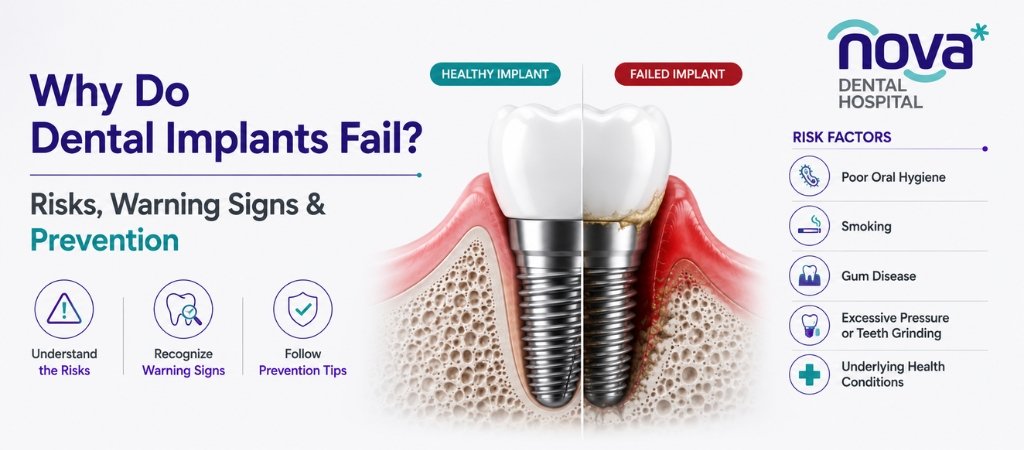
Why Do Dental Implants Fail? Risks, Warning Signs & Prevention

Quick Answer Dental implants fail in roughly 5–10% of cases, most often due to peri-implantitis (gum and bone infection around the implant), insufficient bone density, smoking, uncontrolled diabetes, poor surgical placement, or excessive bite force. Most failures happen either in the first year (during healing) or after several years (from gum disease around the implant). …
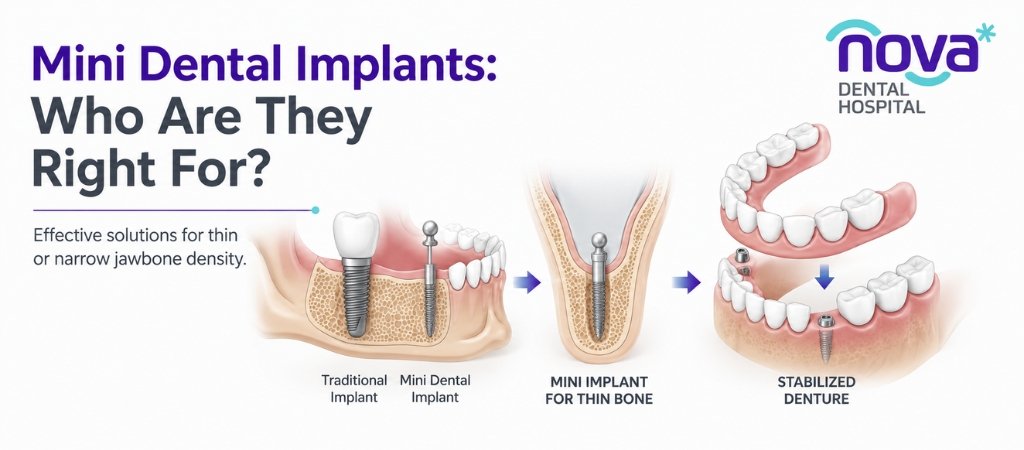
Mini Dental Implants: Who Are They Right For?
Quick Answer Mini dental implants (MDIs) are narrower implants, roughly 1.8–3mm in diameter compared to 3.5–6mm for standard implants. They are best suited for patients with lower jawbone density, smaller dental arches, or those looking to stabilise loose dentures without bone grafting. They are usually not the first choice for replacing back molars that carry …
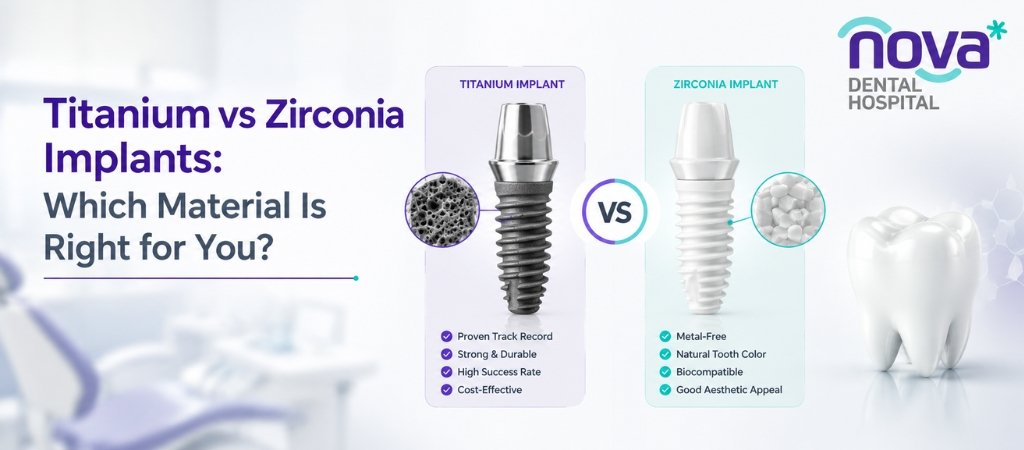
Titanium vs Zirconia Implants: Which Material Is Right for You?
Quick Answer Titanium implants are the most researched and widely used option, with a 95-98% success rate over 10 years and a lower typical cost. Zirconia implants are a metal-free, tooth-coloured alternative best suited to patients with thin gums, front-tooth aesthetics, or a genuine titanium sensitivity. Neither material is universally “better” — the right choice …
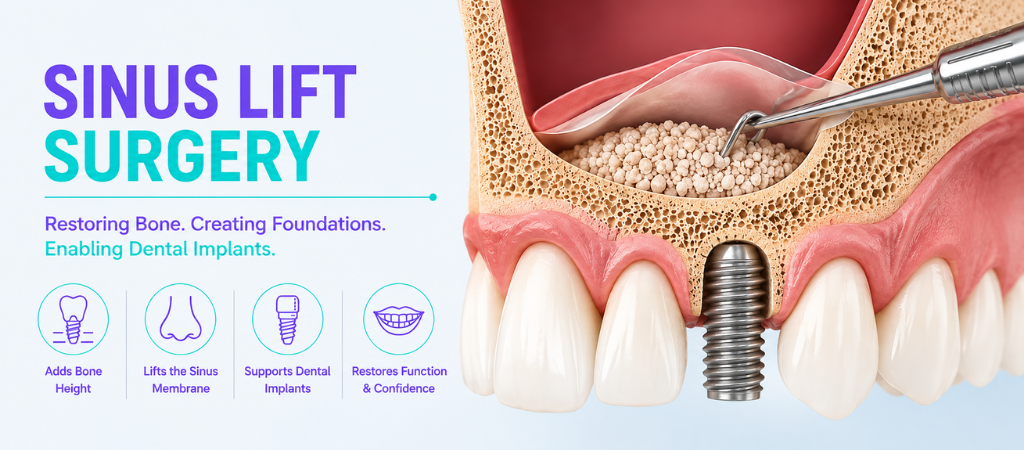
Sinus Lift Surgery: What It Is and Why Upper Implants Sometimes Need It
Quick Answer A sinus lift (sinus augmentation) is a bone-grafting procedure performed in the upper back jaw, just below the maxillary sinus, to build enough bone height for a stable dental implant. It’s usually needed when natural bone in this area has thinned due to tooth loss, gum disease, or the sinus expanding with age. …
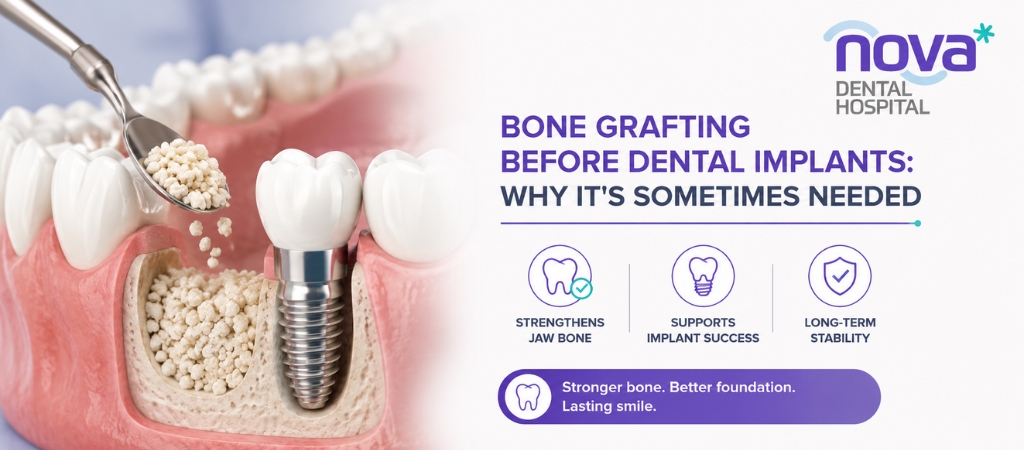
Bone Grafting Before Dental Implants: Why It’s Sometimes Needed
Quick Answer Bone grafting is sometimes needed before dental implants when the jawbone lacks enough height, width, or density to securely hold an implant. This can happen after long-term tooth loss, gum disease, injury, or a missing tooth left untreated for years. The graft rebuilds bone volume so the implant can fuse properly with the …
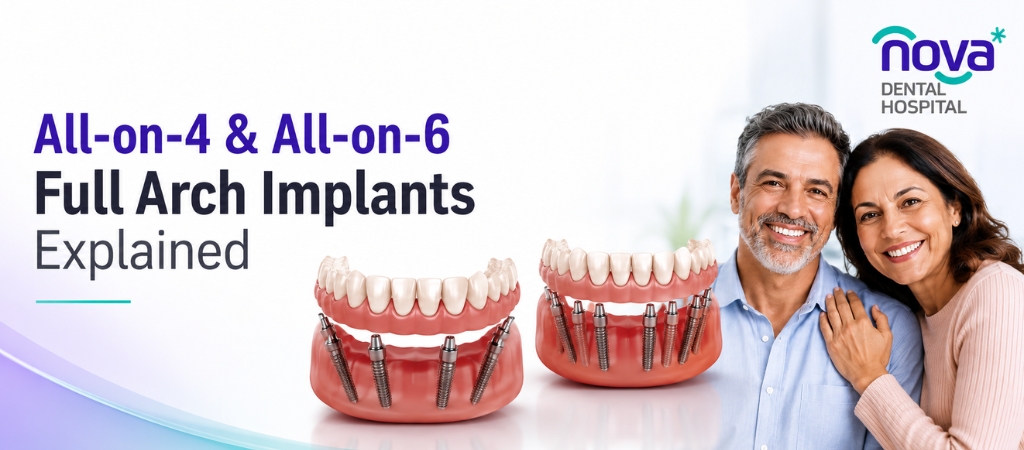
All-on-4 & All-on-6 Full Arch Implants Explained
Quick Answer All-on-4 and All-on-6 are full arch dental implant techniques that replace an entire row of missing or failing teeth using a fixed prosthetic bridge anchored to four or six implants. All-on-4 is usually enough for most patients with adequate bone, while All-on-6 offers extra support for patients with higher bite force or slightly …
Recent Posts


Dry Socket After Tooth Extraction: Symptoms, Prevention & Treatment


